
Top 19 Earthy Cottage Home Decor Ideas for a Warm, Grounded Home
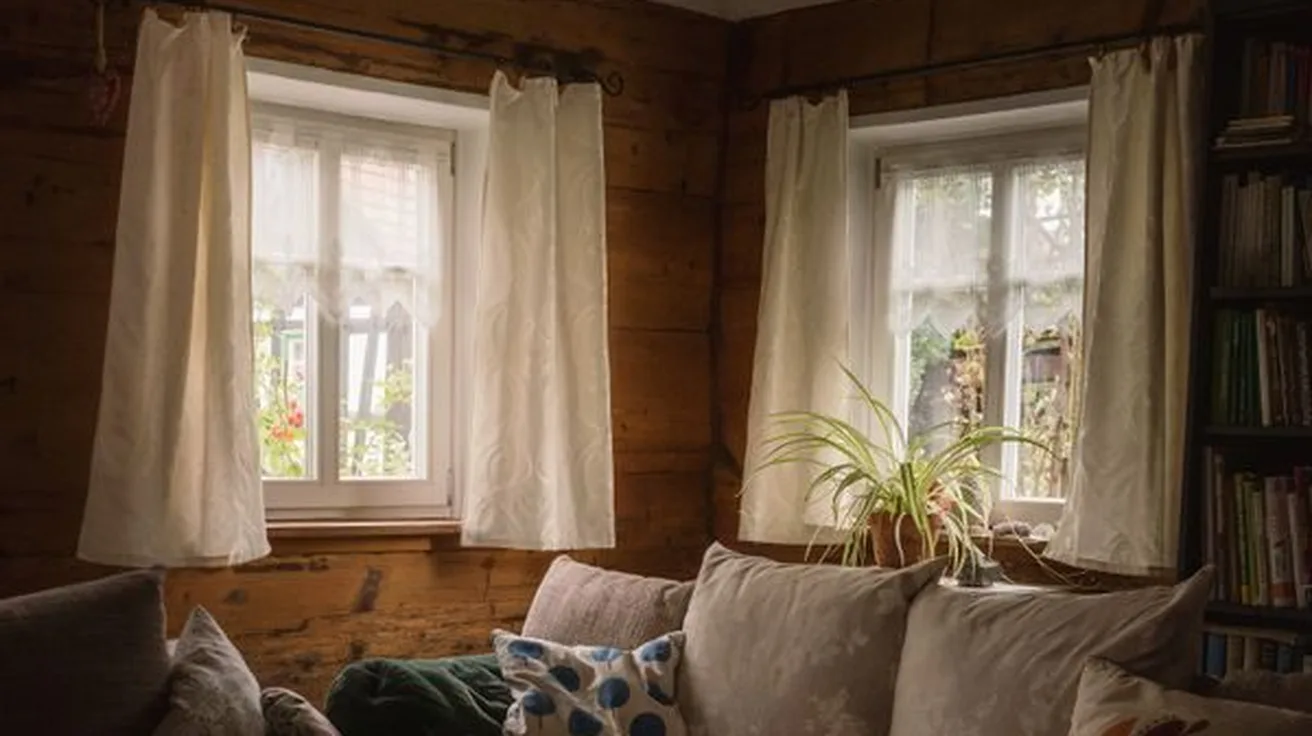
There is a reason earthy cottage home decor keeps climbing on Pinterest: it delivers the warmth everyone wants from a cottage without the fussiness that makes a home hard to actually live in. Think sun-washed linen, weathered wood, hand-thrown clay, and colors pulled straight from a garden path — clay, sage, wheat, stone, and warm cream. It is cozy, grounded, and forgiving, which makes it perfect for real homes with real life happening in them.
In this guide you will find 19 earthy cottage ideas you can mix, match, and layer room by room. Every idea includes the materials to look for, realistic price ranges, and the small styling moves that separate a collected room from a copied one. You will finish knowing exactly what to buy, what to thrift, and what to skip.
Save this list for your next slow weekend project. Most of these ideas take an afternoon and build on each other — start with textiles and one or two natural textures, and the whole house begins to feel like a deep breath.
Overview
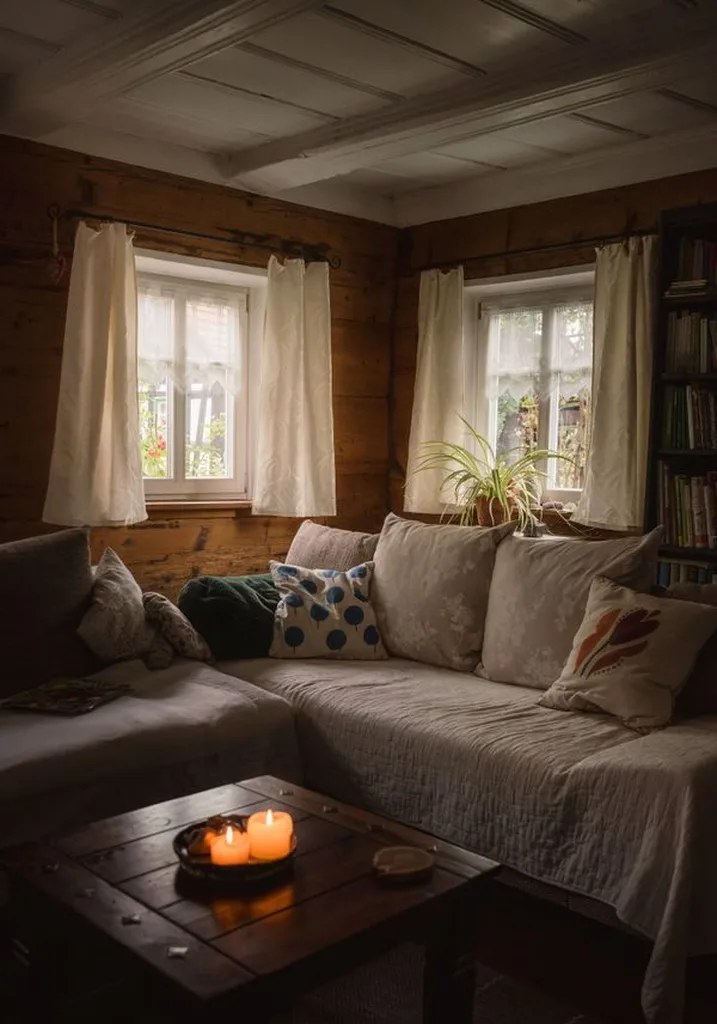
Earthy cottage style sits where traditional cottage comfort meets an organic, nature-first palette. Traditional cottage decor leans on florals, pastels, and painted furniture; the earthy version swaps the sweetness for raw materials and deeper, muddier tones. Raw linen replaces ruffled curtains, limewash-look walls replace bright white paint, and a chipped terracotta pot earns the place a porcelain figurine might have taken. The result still feels romantic and welcoming, but calmer and more grown-up.
The good news is that this style rewards imperfection. A scratch on a farmhouse table, a lopsided hand-thrown mug, a quilt with a faded patch — these are features here, not flaws. That makes earthy cottage one of the most budget-friendly styles to build, because thrift stores and flea markets are full of exactly the pieces it celebrates. Work in layers, keep the palette tight, and let natural texture do the heavy lifting.
Key Takeaways
- Start with the palette: warm cream, clay, terracotta, sage, olive, wheat, and weathered wood tones keep every room feeling connected.
- Texture beats quantity: linen, wool, jute, clay, stone, and raw wood add more warmth than any number of small accessories.
- Thrift first: vintage wood furniture, stoneware, and handmade quilts are the backbone of this style and cost a fraction of new pieces.
- Layer textiles generously: throws, cushions, rugs, and curtains in natural fibers are the fastest route to cottage coziness.
- Bring the garden in: herbs, greenery, dried flowers, and botanical art connect the indoors to the landscape outside.
- Keep it imperfect: chipped, faded, and handmade pieces are the soul of earthy cottage style — embrace them.
1. Natural Linen and Cotton Textiles
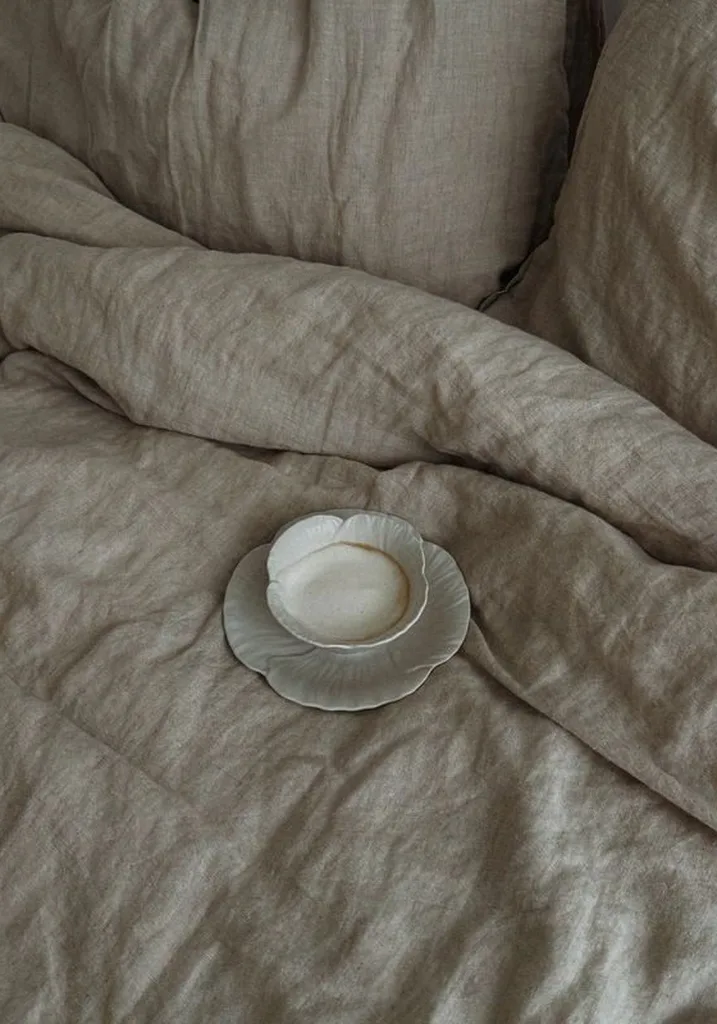
Textiles are where earthy cottage decor begins, and natural fibers are non-negotiable. Swap synthetic curtains, cushion covers, and bedding for washed linen and nubby cotton in cream, oatmeal, flax, and soft clay. Linen’s natural slub and gentle wrinkle are exactly the relaxed texture this style is built on, and it gets softer with every wash. A set of linen curtain panels runs about $35–$70 a pair at most home stores, and they instantly soften hard window frames and harsh light.
Layer at least three textiles in every seating or sleeping spot: a base fabric, a woven throw, and one patterned piece such as a faded floral or ticking stripe. In the living room, that might be a cotton slipcovered sofa, a wool-blend throw, and linen cushions. In the bedroom, choose a rumpled linen duvet cover ($60–$120) over a cotton quilt. Mixing weights — gauzy, medium, and chunky — keeps the palette calm while the room still feels rich.
2. Weathered Wood Furniture

Weathered wood is the backbone of earthy cottage furniture. Look for pieces with a matte, grayed, or honey-toned finish rather than glossy varnish: farmhouse tables, chunky sideboards, simple stools, and worn benches. Solid pine, oak, and reclaimed barn wood all work. Secondhand is ideal here — a solid wood dresser from a thrift store or estate sale typically costs $40–$150, far less than a new flat-pack piece, and the dings come free.
If a piece you own is too orange or too shiny, tone it down instead of replacing it. A light sanding followed by a whitewash or a matte wax finish can mute varnish and let the grain show through. Style wood furniture simply: one stack of books, a clay vase, a linen runner. Earthy cottage rooms breathe, so resist covering every surface. Let one beautiful worn table be the whole statement in an entryway or dining corner.
3. Stone and Clay Pottery

Hand-thrown pottery brings the literal earth into earthy cottage decor. Collect stoneware vases, terracotta pots, clay pitchers, and speckled ceramic bowls in browns, rusts, creams, and charcoal. Group them in odd numbers on mantels, open shelves, and table centers — a tall terracotta urn beside a small cream jug and a rough stone bowl reads like a still-life painting. Single artisan pieces run $15–$45; thrifted terracotta pots are often $2–$5.
Use pottery functionally, too, so it earns its space. A stoneware crock holds kitchen utensils, a clay pot corrals bathroom brushes, and a wide ceramic bowl catches keys by the door. Slight chips and uneven glazes are welcome — they prove the piece was made and used by human hands. Avoid glossy, brightly colored ceramics, which fight the muted palette; if a piece is too shiny, a coat of matte chalk paint in a clay tone can rescue it.
📌 Related Articles:
4. Woven Baskets and Seagrass Storage
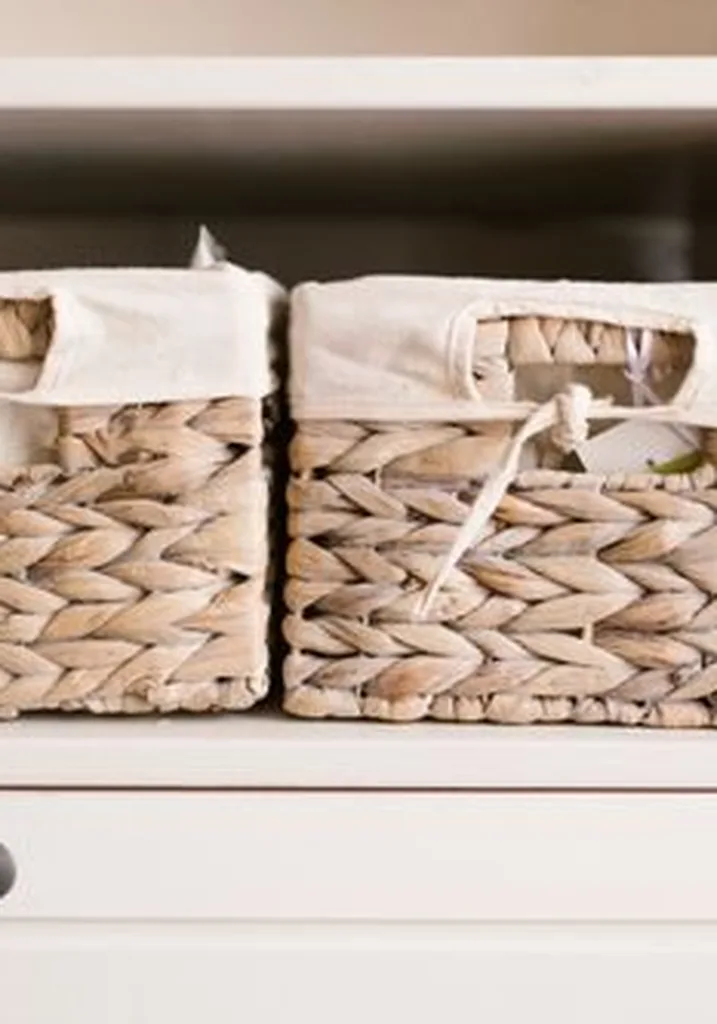
Woven storage solves the cottage clutter problem beautifully. Seagrass, rattan, water hyacinth, and willow baskets hide blankets, toys, firewood, and remotes while adding the golden, fibrous texture this style loves. Keep a large basket ($20–$40) beside the sofa for throws, a pair of medium baskets on open shelves for linens, and small ones inside cabinets for the unglamorous essentials. Lidded versions keep visual calm in bedrooms and bathrooms.
For a collected look, mix basket shapes and weaves rather than buying a matching set — one round seagrass belly basket, one rectangular willow log basket, one flat tray basket on the coffee table. Hang a shallow woven tray or a small basket flat on the wall as art; a cluster of three makes an inexpensive focal point above a sideboard. If a basket looks too new and uniform, a day in the sun or a light tea stain deepens its tone.
5. Earthy Limewash-Look Wall Colors
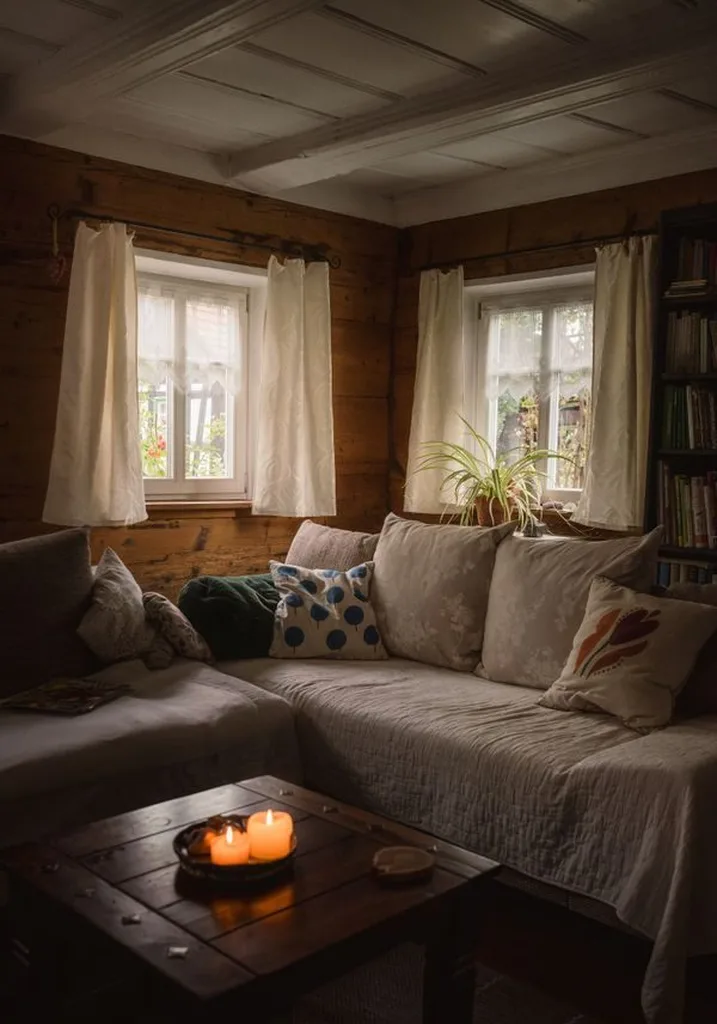
Walls set the mood, and earthy cottage rooms glow in soft, mineral color. True limewash paint creates a cloudy, movement-filled finish in shades like warm white, putty, clay, and pale sage; quality limewash runs $45–$75 a gallon and applies with crisscross brush strokes. If that is beyond the budget or the lease, standard matte paint in a limewash-inspired color gets you 80 percent of the effect for $30–$50 a gallon, especially in warm cream, greige, or muted terracotta.
Paint one room at a time and live with large swatches for a full day — earthy tones shift dramatically between morning and lamplight. Keep ceilings and trim a soft warm white rather than bright blue-white, which can make earthy walls look dirty by comparison. In rooms you cannot paint, lean large art, hang linen curtains high and wide, and let furniture carry the color instead. The palette, not the paint, is what makes the style.
6. Vintage Botanical Prints and Art

Botanical art is the classic cottage wall choice, and the earthy version favors aged, muted prints over bright florals. Look for vintage herb and wildflower illustrations, landscape etchings, and mushroom or fern studies in thrift stores and antique malls, usually $5–$25 framed. Free public-domain botanical collections online can be printed at home or at a print shop for a few dollars each, then slipped into secondhand wood frames for a genuinely old look.
Hang prints in relaxed grids or salon-style clusters with uneven spacing — perfection is not the goal. Mix frame finishes in the same family: weathered oak, dark walnut, thin aged brass. For more collected cottage walls, browse the living room galleries on Houzz’s living room ideas and note how often one oversized landscape anchors a wall better than many small pieces. Above a sofa, aim for art that spans about two-thirds of the sofa’s width, whether that is one large print or a grouped set.
7. Layered Throws and Handmade Quilts
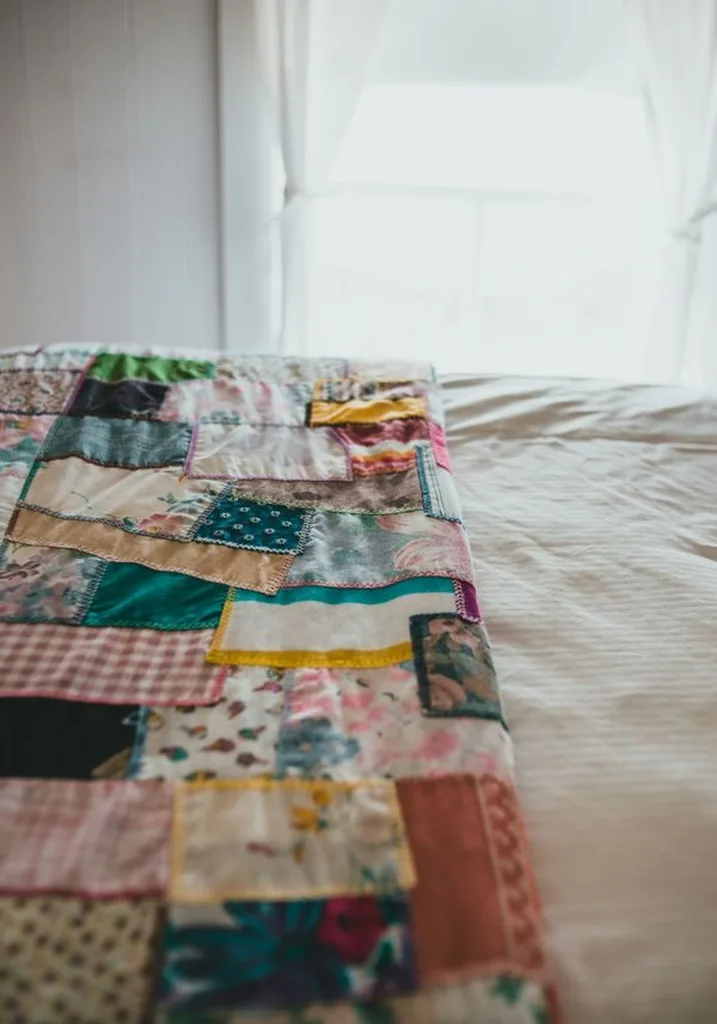
Few things say cottage like a quilt folded over the arm of a chair. Handmade and vintage quilts in faded florals, checks, and patchwork bring pattern, history, and literal warmth in one piece. Estate sales and thrift stores are the best hunting grounds, with good cotton quilts typically $25–$75 — always check for a hand-stitched binding and give any vintage textile a gentle wash and a sunny afternoon on the line before bringing it inside.
Layer throws with intention: a chunky knit or wool throw ($25–$50) over the sofa back, a lighter cotton throw across the foot of the bed, and a quilt draped on a ladder or bench where guests can reach it. Fold throws into thirds lengthwise for a tidy drape, or roll them into a basket for a casual look. Keep colors inside the earthy family — mustard, rust, sage, cream — and even mismatched patterns will harmonize, because shared tones tie them together.
8. Rustic Wooden Shelves and Beams
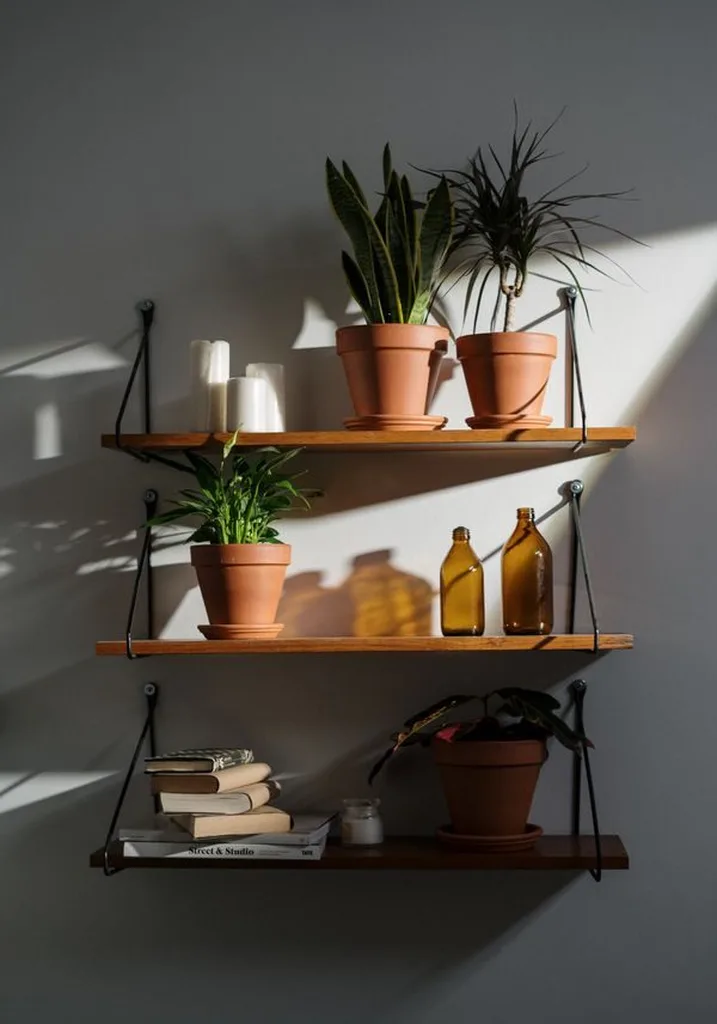
Exposed wood overhead and on the walls gives earthy cottage rooms their architecture. If your home lacks beams, faux box beams made from lightweight pine boards are a weekend project for roughly $60–$120 per beam, stained to match your furniture. In kitchens and living rooms, thick floating shelves in reclaimed or rough-sawn wood ($30–$80 each) replace upper cabinets or blank walls and put your prettiest everyday things on display.
Style shelves slowly and leave breathing room: stacks of stoneware, a row of linen-covered books, one trailing plant, a small framed print leaned at the back. Fill only about two-thirds of each shelf and group objects in threes at different heights. In a rental, choose freestanding ladder shelves or a worn bookcase instead of wall-mounted boards — you get the same layered display with zero holes to patch later, and the piece moves with you.
9. Indoor Herbs and Lush Greenery

A cottage home should feel half a step from the garden. Start a windowsill herb row — basil, rosemary, thyme, and mint in small terracotta pots ($3–$6 each) — where it perfumes the kitchen and earns its keep at dinner. Then add one generous green plant per room: a trailing pothos on a shelf, a bushy fern on a stool, an olive or fig tree in the sunniest corner. Real plants in the $10–$30 range beat faux at this scale and improve the air while they are at it.
Pot everything in clay, stone, woven baskets, or aged metal rather than plastic nursery pots, and cluster plants at different heights for a greenhouse corner effect. If your light is poor or your thumb is not green, choose forgiving plants — snake plants, pothos, and ZZ plants tolerate neglect — and supplement with one or two high-quality faux stems in a crock. Water on a schedule, rotate pots weekly toward the light, and your greenery will look tended rather than tired.
10. Warm Ambient Lighting
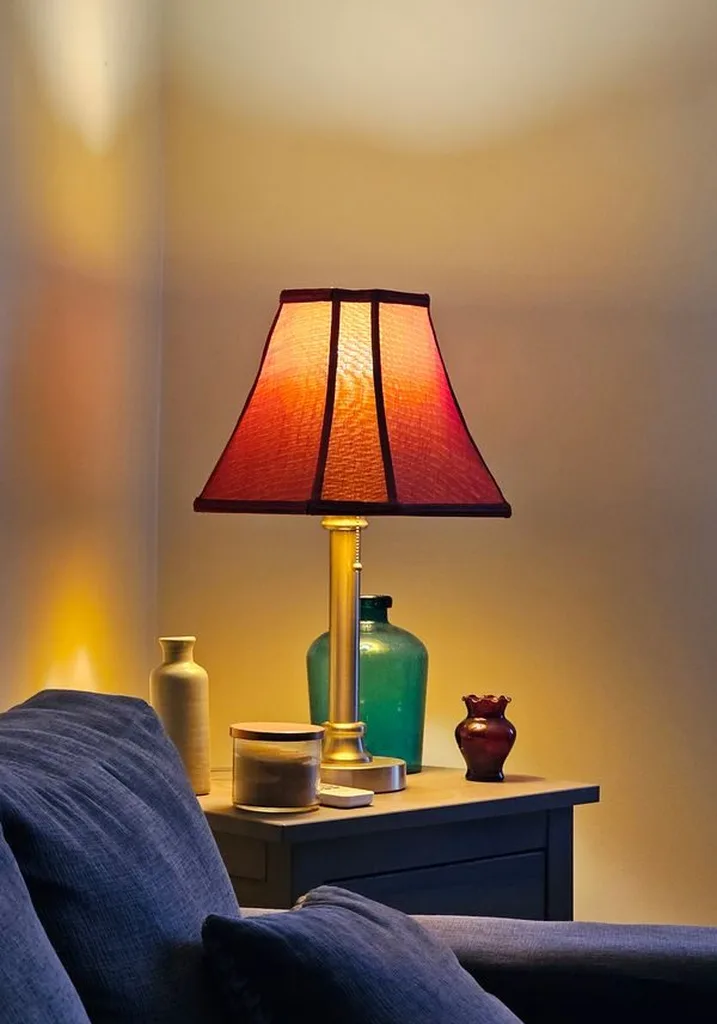
Lighting decides whether earthy textures look golden or gray. Aim for warm bulbs in the 2700K range and at least three light sources per main room at different heights: a table lamp, a floor lamp, and candlelight or a small accent lamp. Linen and burlap shades diffuse light softly and match the textile story; pleated fabric shades add a traditional cottage note. Decent table lamps run $30–$70, and thrifted lamp bases with a new shade are a classic cottage bargain.
Swap harsh overhead lighting for plug-in wall sconces beside the bed or sofa — many install with a cord and two small screws, and battery or rechargeable versions need no wiring at all. In the evening, dim the main lights and let lamps pool warmth in corners; add real or flameless candles in glass, clay, or aged-metal holders on mantels and tables. If a room still feels flat, the fix is almost never a brighter bulb — it is another low, warm light source.
11. Natural Fiber Rugs in Jute and Wool

Rugs ground earthy cottage rooms and hide a multitude of flooring sins. Jute and sisal bring a sandy, woven base that suits every room; a 5×8-foot jute rug typically costs $80–$180 and stands up to heavy traffic. Wool rugs cost more — $200 and up for the same size — but repay it in softness, warmth, and decades of wear, and vintage wool rugs from estate sales often sell for less than new jute.
The layering trick defines this style: a large natural-fiber rug as the base, with a smaller patterned wool or cotton rug angled or centered on top. Choose the base rug big enough that at least the front legs of all seating sit on it. In dining rooms, flat-weave natural rugs let chairs slide and crumbs shake out easily. Always use a rug pad — it stops slipping, adds cushion, and protects both rug and floor, which matters if the floors are not yours.
12. Cottage Kitchen Touches
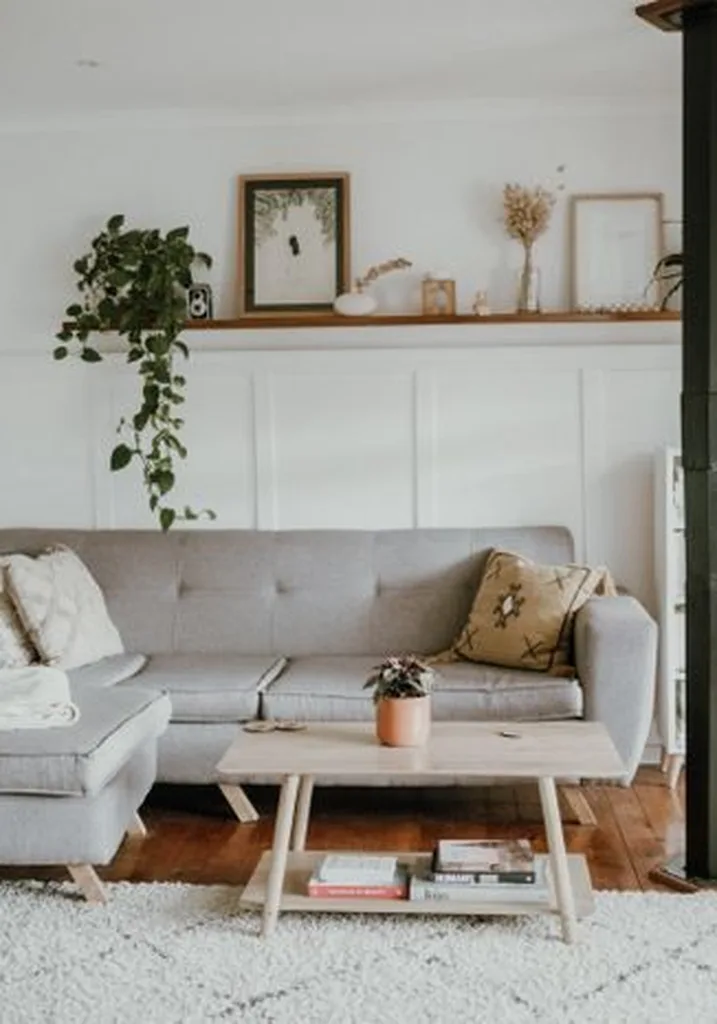
The earthy cottage kitchen runs on open, honest materials. Replace one upper cabinet’s contents with open shelving if you can, or simply edit countertops down to beautiful workhorses: a worn wooden cutting board leaned against the backsplash, a stoneware crock of wooden spoons, a glass jar of flour, a small potted herb. Hang a rail with copper or aged-brass hooks for pans and a linen towel, and swap cabinet knobs for unlacquered brass or wood ($3–$8 each) — keep the originals in a labeled bag if you rent.
Textiles do the softening: a linen café curtain at the sink window, a woven runner in front of the stove, cotton towels in ticking stripes. A bowl of lemons, eggs, or garden tomatoes is the only centerpiece a cottage kitchen table needs. If your cabinets are a color you dislike, you cannot always repaint — but warm wood accessories, clay tones, and greenery pull the eye so effectively that most visitors will never register the cabinet color at all.
13. Mismatched Vintage Furniture Finds
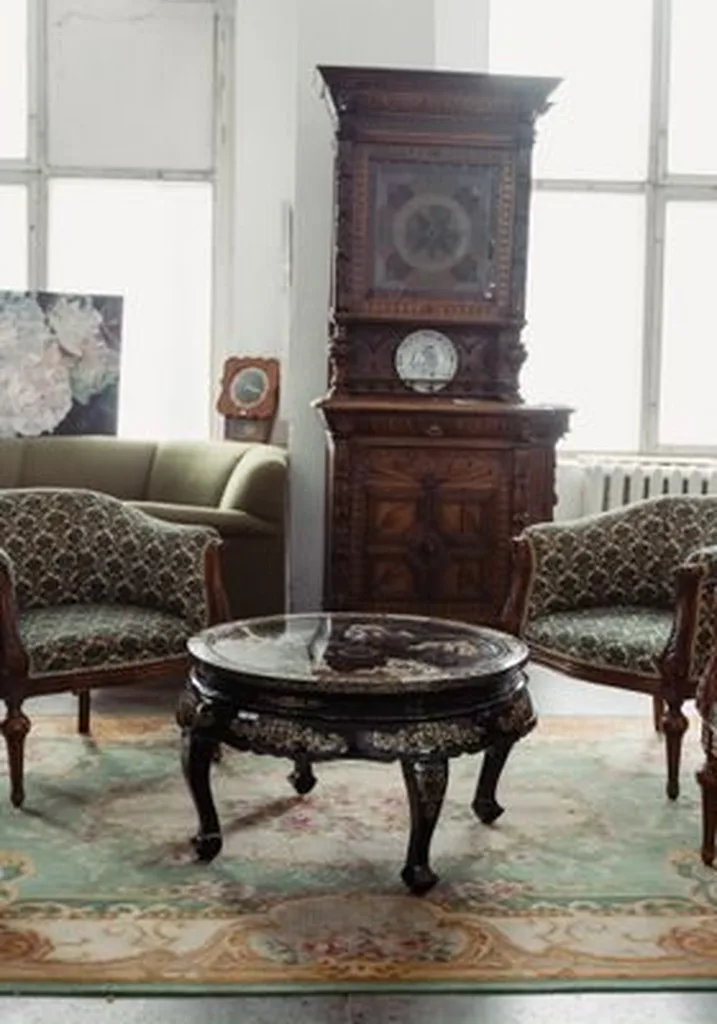
A room where every piece arrived from a different decade is the heart of cottage charm. Mismatched dining chairs around one table, a painted side table beside an unpainted dresser, a spindle bed next to a chunky farmhouse nightstand — these combinations feel collected over a lifetime, because often they were. Shop estate sales, church rummage sales, and online marketplaces with measurements in hand; solid wood vintage pieces commonly run $30–$200 depending on size.
The secret to making mismatch look intentional is one shared thread: similar wood tones, a repeated color, or the same leg style. Paint can unify, too — two unrelated chairs in the same chalky sage become a pair. Leave one or two pieces unpainted so the room keeps its wood warmth. Avoid buying a whole matching suite to be safe; in earthy cottage style, the suite is the one thing that will make the room feel like a showroom instead of a home.
14. Dried Flowers and Pampas Grass

Dried arrangements give you cottage softness with zero watering. Pampas grass plumes, bunny tails, dried lavender, eucalyptus, and wheat stems in cream, blush, and tan tones echo the earthy palette and last a year or more. A generous bunch runs $12–$25 online or at craft stores, and a few stems in a tall clay vase make an entryway or fireplace corner feel styled in under a minute. Keep arrangements airy — three to seven stems, not a solid bouquet.
Make your own from the garden and roadside (where picking is allowed): hydrangeas, yarrow, grasses, and seed heads dry beautifully hung upside down in a dark closet for two weeks. Display dried stems away from steamy bathrooms, where humidity revives and then rots them, and give them a gentle shake outdoors every few months to shed dust. A light mist of hairspray helps fragile stems hold. Swap arrangements seasonally — wheat in autumn, lavender in spring — for a refresh that costs almost nothing.
15. A Cozy Reading Corner

Every cottage home deserves one chair that is purely for pleasure. Claim a corner near a window with a comfortable armchair — vintage wingbacks and skirted chairs in worn linen are ideal and often $50–$150 secondhand — then add a small side table, a warm lamp, and a basket for books and a throw. A cushion in a faded floral and a footstool or pouf complete the invitation. This is a one-afternoon project that changes how a whole room gets used.
Details make the corner irresistible: a hook or small shelf for a teacup, a plant on the table, and light that falls over your shoulder rather than in your eyes. If space is tight, a dining chair with a thick cushion and a folded quilt works in a bedroom corner. Keep the spot permanently set up rather than folding it away — a reading corner that must be assembled before use is a reading corner that never gets used.
16. Earthy Cottage Bedroom Retreat
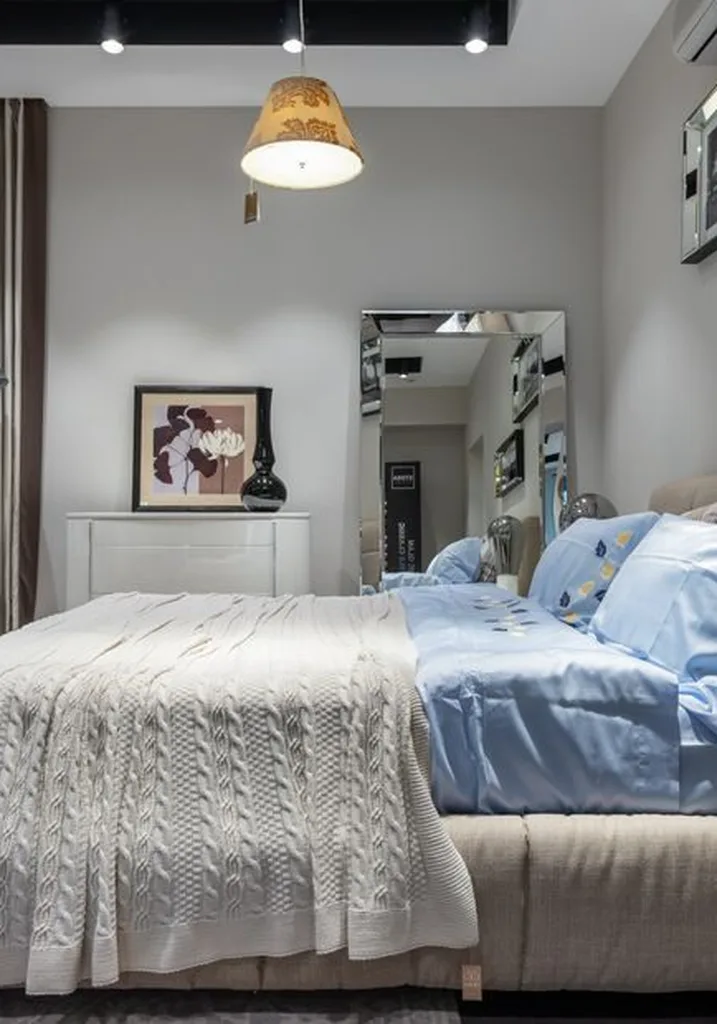
The bedroom is where earthy cottage style pays off most, because everything in it should lower your heart rate. Start with bedding: a washed linen or cotton duvet in cream, clay, or sage, layered with a quilt and a folded throw so the bed looks soft rather than flat. Mismatched pillow shams in ticking stripe and a faded floral are perfectly on-style. A full natural-fiber bedding refresh runs $120–$250 and transforms the room more than any furniture change.
Choose low, warm wood furniture — or paint a dark dresser in a chalky earth tone — and keep surfaces nearly bare: a candle, a small stack of books, a clay dish for jewelry. Blackout is less cottage than dawn light through linen curtains, but if you need darkness, hang a simple roller shade behind the curtains. Finish with one green plant and art you love waking up to. The test is simple: the room should feel like a cottage inn you never have to check out of.
17. Farmhouse Dining Warmth
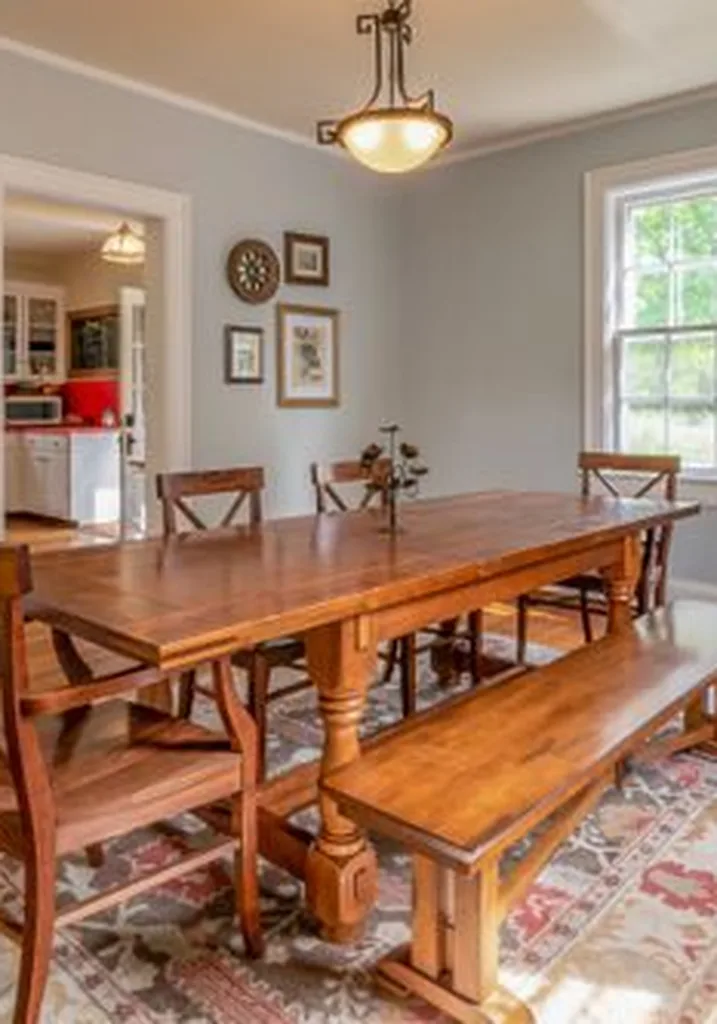
The dining space is cottage hospitality headquarters. A worn farmhouse table — new versions start around $300, but secondhand solid wood tables are common at $100–$250 — seats everyone without preciousness about rings and scratches. Mix seating freely: chairs on one side, a bench on the other, a carver with arms at the head. Add cushions or sheepskins for long dinners, and hang a simple pendant or a pair of candle-style sconces low enough to make faces glow.
Keep a permanent, simple centerpiece so the table always looks ready: a linen runner, a wooden board or woven tray, a stoneware pitcher of dried stems, and candles. Everything should lift off in one trip when dinner actually happens. Store table linens in a basket nearby and use them daily, not just for guests — a slightly rumpled linen tablecloth on a Tuesday is the entire earthy cottage philosophy in one gesture. Cloth napkins in earthy checks cost little and elevate every meal.
18. Stoneware and Handmade Tableware

What you eat from shapes how a meal feels, and handmade-look stoneware makes weeknight soup taste like a farmhouse supper. Collect speckled, matte-glazed dinnerware in cream, sand, and soft brown — open-stock pieces run $4–$10 each at home stores, and studio pottery seconds are a wonderful splurge at craft fairs. A set does not need to match perfectly; keeping every piece inside the same earthy glaze family makes mixing look deliberate.
Display tableware instead of hiding it: stacks of bowls on open shelves, mugs on hooks under a cabinet, a pitcher collection on the sideboard. Add woven placemats, linen napkins, and wooden serving boards to complete the table. Because these pieces are used three times a day, cost-per-use makes quality stoneware one of the smartest buys in this whole list.
19. Seasonal Earthy Finishing Touches

The final layer is seasonal, small, and cheap — and it is what keeps a cottage home from feeling frozen in one month forever. Spring asks for fresh branches, a bowl of eggs, and lighter linen. Summer brings garden flowers in jam jars, woven fans, and bare wood. Autumn is the earthy palette’s home season: pumpkins in muted tones, wheat, wool throws in rust, and candlelight earlier each evening. Winter layers on evergreen clippings, pinecones, and the heaviest quilts.
Keep one storage bin for these rotating touches and shop your own house first — a scarf becomes a table runner, a basket moves from porch to hearth, a print swaps rooms. Spend the small seasonal budget ($20–$40) on one real thing, like fresh eucalyptus or a handmade wreath, rather than a bag of themed plastic. Walk through each room and remove one item for every seasonal piece you add; earthy cottage warmth comes from layering texture, not from accumulating stuff.
📌 Also Read:
How to Choose the Right Earthy Cottage Pieces for Your Home
Start with what you already own and sort it honestly into three groups: pieces with natural materials and warm tones (keep and feature), pieces that fight the palette but are useful (soften them with textiles, paint, or a new shade), and pieces that can go. Most homes already own half an earthy cottage interior — it is buried under a few loud or glossy items. Removing three wrong things often does more than buying ten right ones.
Then fill gaps in a deliberate order: textiles first, because they change the most square footage per dollar; lighting second, because it decides how everything else looks; one anchor piece of wood furniture third; and small pottery, baskets, and art last, bought slowly. For every candidate purchase, run three checks — is it a natural material or a convincing natural look, does its color sit inside your palette, and would it still make sense in five years? If it fails two checks, leave it, however charming it looks in the shop.
Finally, respect your actual house. Low-light rooms need lighter creams and more lamps, not deep clay walls. Small rooms want fewer, larger pieces rather than many small ones. Renters should weight every choice toward the portable: textiles, rugs, lamps, freestanding shelves, and art. Finish one corner completely instead of sprinkling small changes everywhere, and let that corner teach you what the next one needs.
Earthy Cottage Home Decor on a Budget
The under-$100 refresh. One set of linen-look curtains, a thrifted quilt, two terracotta pots with herbs, and warm bulbs for your existing lamps. This tier changes light, softness, and scent — the three things guests notice first — for less than the cost of one new accent chair. Estate-sale Saturdays and thrift stores on weekday mornings are where this budget stretches furthest.
The $100–$400 room lift. Add a jute rug, a solid wood side table or bench found secondhand, a pair of table lamps, and a small collection of stoneware and baskets. At this level one main room — usually the living room — becomes fully convincing. The budget and small-space guides at Apartment Therapy are full of renters and small-home owners proving how far this tier goes when every purchase has to earn its place.
The $400+ anchor investment. Spend on the pieces with the longest lives: a solid farmhouse table, a quality wool rug, real linen bedding, or a vintage armchair reupholstered in a natural fabric. Buy these slowly and buy them once. Everything else in earthy cottage style is deliberately inexpensive — that contrast between a few real anchors and many humble, found pieces is exactly what makes the style feel rich rather than decorated.
Common Mistakes to Avoid
- Going all beige with no contrast. Earthy does not mean colorless. Without deeper browns, charcoal, or black in small doses, rooms turn bland and flat. Add depth through wood tones, iron, and one or two dark accents per room.
- Buying faux-distressed everything new. A whole room of factory-aged pieces looks like a theme set. Mix genuinely old finds with a few new basics so the wear in the room feels earned and varied.
- Ignoring scale and over-cluttering. Cottage is layered, not crowded. Ten tiny objects on a shelf read as clutter; three substantial ones read as a collection. Edit surfaces until each object can be seen.
- Using cool white light. Bright blue-white bulbs undo every warm textile and wood tone in the room. Keep bulbs at 2700K and favor lamps over overhead lights in the evening.
- Forgetting the floor and windows. Bare floors and naked windows make even good furniture look temporary. A natural-fiber rug and simple linen curtains are foundational, not finishing touches.
- Matching everything perfectly. Identical furniture suites, matching basket sets, and one-note art pairs kill the collected feeling. Let pieces relate by color and material, not by being twins.
Frequently Asked Questions
What colors define earthy cottage home decor?
Warm cream, oatmeal, clay, terracotta, rust, sage, olive, wheat, and weathered wood browns, with small doses of charcoal or black for contrast. The colors are muted and slightly muddy rather than bright — if a color could be found in soil, stone, or a garden, it belongs in the palette.
How is earthy cottage different from farmhouse style?
They overlap in wood, linen, and vintage finds, but farmhouse leans brighter, cleaner, and more Americana, with signs, shiplap, and black-and-white contrast. Earthy cottage is softer and more organic: warmer and deeper colors, more plants and pottery, fewer words on walls, and a more collected, garden-inspired feeling overall.
Can I do earthy cottage decor in a rental?
Yes — it is one of the most renter-friendly styles because its core pieces are portable. Textiles, rugs, lamps, freestanding shelves, baskets, plants, and leaned art create nearly the whole look without paint or holes. Swap hardware and keep the originals, use plug-in or battery sconces, and everything moves with you at the end of the lease.
Where is the best place to buy earthy cottage pieces cheaply?
Estate sales and thrift stores for wood furniture, quilts, and stoneware; craft and home stores for baskets, dried stems, and linen-look textiles; and online marketplaces for vintage rugs and lighting. Shop with measurements and a palette photo on your phone, and be patient — a collected home is built over months, not one cart.
How do I keep earthy cottage from looking dark or heavy?
Balance every deep tone with something pale: cream textiles against a clay wall, a light rug under a dark table. Keep windows simply dressed so daylight gets in, use mirrors to bounce it around, and favor open, leggy furniture over solid blocks in small rooms. Warm lighting at 2700K keeps earthy colors glowing instead of muddy.
Conclusion
Earthy cottage home decor is less a shopping list than a way of paying attention: to natural materials, to warm and honest color, to pieces with a past. Start where this guide starts — linen and cotton, one weathered wood piece, something made of clay — and add layers as you find them. Your home does not need to be finished by Friday; a cottage is collected over seasons, and that slow gathering is most of the pleasure.
If these ideas sparked a plan, save this post to your home decor board on Pinterest so it is waiting for you on your next thrift-store run — and pin your favorite idea to share the warmth.


