Top 21 No-Drill Curtain Rod Options That Actually Stay Up
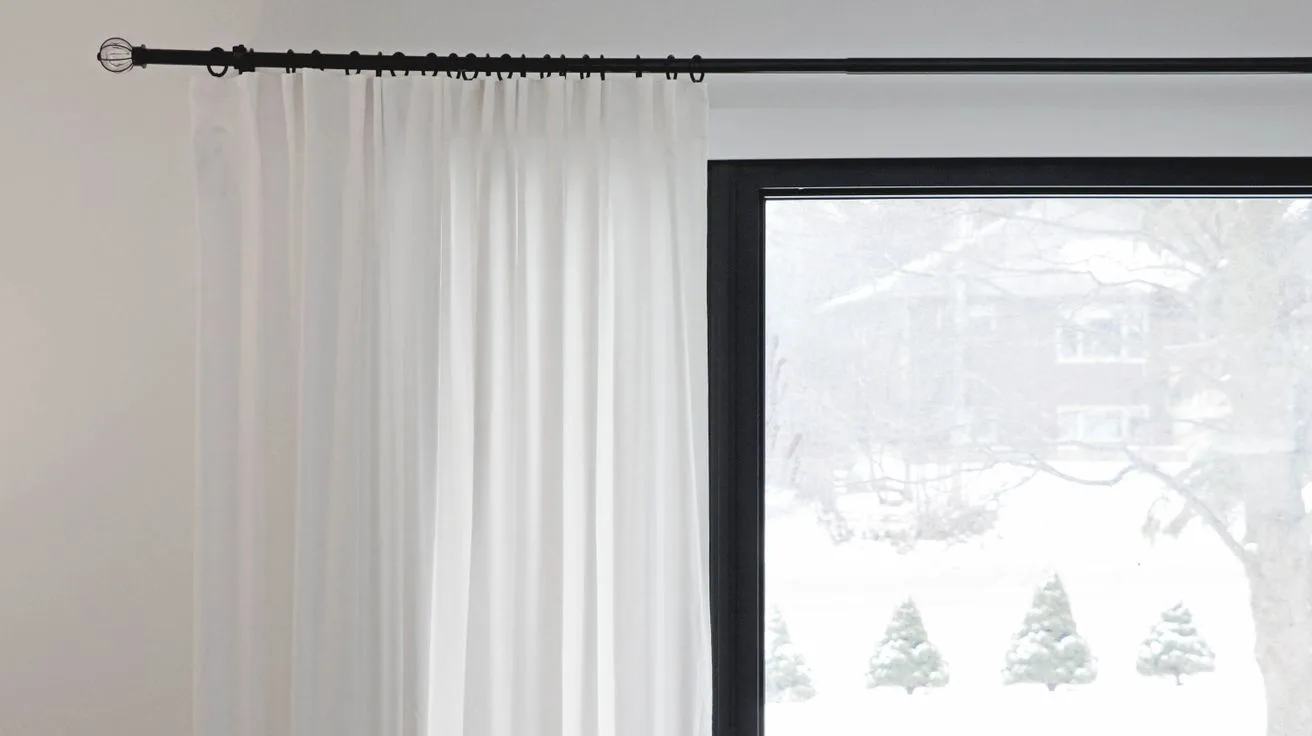
Curtains change a room faster than almost any other decor update, but the rod that holds them up has always been the hard part for renters. Drilling holes in a wall you do not own means filling them later, losing part of your deposit, or living with bare windows for a whole lease. The good news is that you no longer need a drill, a stud finder, or a landlord permission slip to hang beautiful curtains.
This guide gathers 21 no-drill curtain rod options that actually stay up, from classic tension rods that wedge inside the window frame to magnetic rods that grip steel doors, adhesive hooks that hold a slim metal rod, and over the door rods that lift off in seconds. Every idea includes real weight limits and the window types it suits best.
Whether you need blackout curtains for deep sleep, sheers for soft daylight, a cafe curtain for kitchen privacy, or a room divider for a studio apartment, one of these 21 ideas will fit your window and your lease.
Overview
The secret to a no drill curtain rod that stays put is matching the hardware to the surface and the weight. A tension rod presses outward against two solid sides of a window frame, so it needs a real frame with depth and flat sides. Adhesive hooks grip smooth painted walls, glass, and tile, but they fail on textured plaster and wallpaper. Magnetic rods only work where there is steel to grab, which makes them perfect for metal doors and useless on wood.
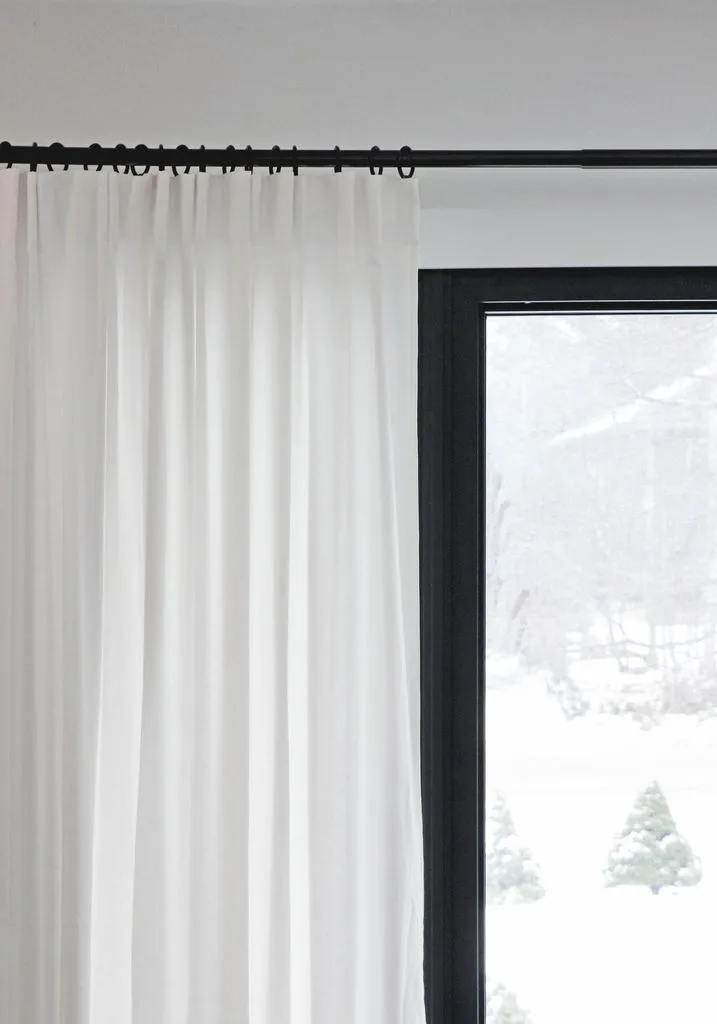
Weight is the second half of the equation. A pair of sheer linen panels weighs about 1 to 2 pounds, which almost any tension rod or adhesive hook can carry. A pair of lined blackout panels can weigh 6 to 10 pounds, and that calls for a heavy duty tension rod with a locking mechanism or a wide adhesive hook rated for 10 pounds or more. The Houzz collection of modern curtain rod photos is a great place to see how different rod styles look in real rooms, from slim black metal rods with sheer panels to chunky wood rods with heavy drapes.
Key Takeaways
- Match the method to the surface: tension rods need a solid frame, adhesive hooks need smooth paint or tile, and magnetic rods need steel.
- Weigh your curtains first: sheers weigh 1 to 2 pounds, lined blackout panels weigh 6 to 10 pounds, and the rod must be rated above that total.
- Measure twice: tension rods need the exact inside width of the frame, and adhesive hooks need level placement for a straight rod.
- Prep the surface: clean the wall or frame with rubbing alcohol, let it dry fully, and wait the full curing time before hanging weight.
- Layer for strength: a double tension rod or a wire kit spreads weight across two points and holds heavier fabric without slipping.
- Think about move out day: every option in this list removes cleanly, so pick the one that leaves your walls exactly as you found them.
1. Classic Tension Rod Inside the Window Frame

The classic tension rod is the oldest and most trusted of all no-drill curtain rod options, and it is still the best place to start. It is a spring loaded metal rod that you twist to length, then wedge horizontally inside the window frame so the spring pressure holds it in place. No tools, no holes, no adhesive, and you can move it to another window in under a minute.
Measure the inside width of your frame at the top, middle, and bottom, then buy a rod whose range covers the smallest of those three numbers. Twist the rod about 1 inch longer than the frame width so the spring has real pressure to grip with, then give the curtain a firm tug to test it. A basic tension rod holds 3 to 5 pounds, which is plenty for sheers, voile, and light cotton panels.
2. Heavy Duty Tension Rod for Wide Windows

Wide windows are where cheap tension rods fail, because a long rod bows in the middle under the weight of the fabric. A heavy duty tension rod solves that with a thicker steel tube, usually about 1 inch in diameter, a stronger internal spring, and a locking collar that stops the rod from slowly untwisting. Good models hold 20 to 30 pounds across spans up to 72 inches, which is enough for lined drapes and blackout panels.
Look for a rod with a built in lock or a metal ball that clicks into slots along the tube, since that design cannot slowly rotate loose the way a plain twist rod can. Hang the curtains evenly on both sides so the weight is balanced, and avoid pulling one panel hard to the side every morning, because that sideways tug is what eventually works a wide rod loose.
3. Twist and Fit Spring Rod for Narrow Windows

Narrow windows, like the small window over a kitchen sink or a bathroom window, need a rod that is short, slim, and easy to adjust in a tight space. A twist and fit spring rod is a mini tension rod, usually 12 to 28 inches long and about half an inch in diameter, with a strong spring that holds it firmly between the two sides of a narrow frame. It is the perfect partner for a cafe curtain, a valance, or a single sheer panel, and it costs about 5 to 10 dollars.
Because the span is so short, these little rods are surprisingly strong for their size, often rated for 3 to 5 pounds, which is more than enough for a lightweight cafe curtain. Twist the rod to about half an inch longer than the frame, press it into place, and slide the curtain on before you seat the rod so you are not wrestling fabric in a tight space.
📌 Related Articles:
4. Adhesive Hook Rod for Light Sheer Curtains
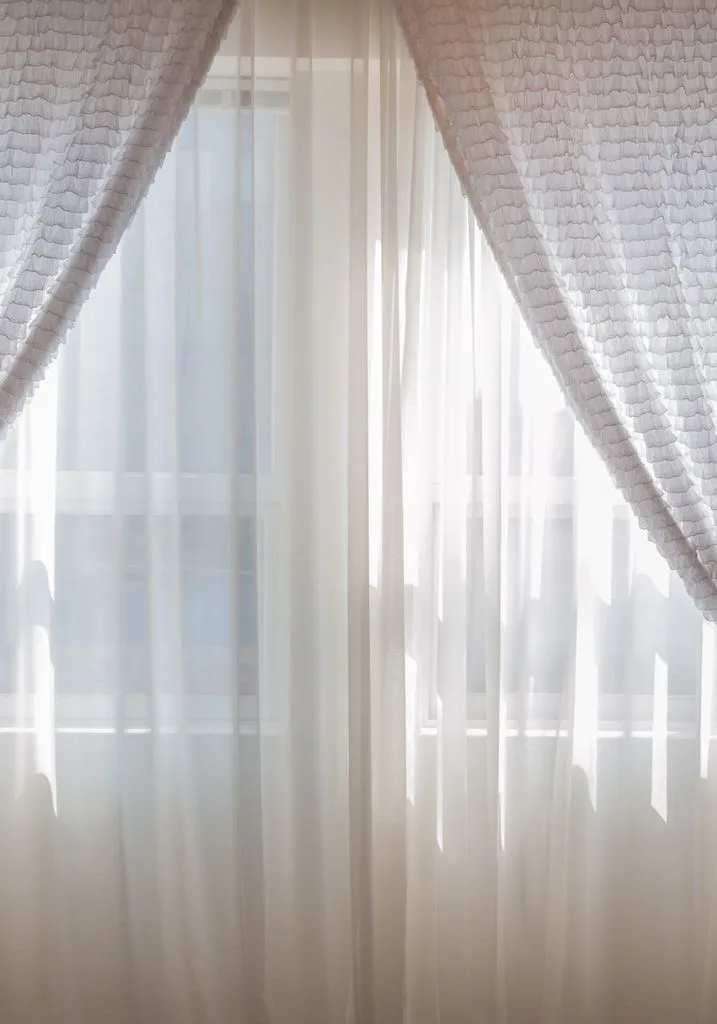
When your window has no frame depth for a tension rod, adhesive hooks are the simplest answer. Small clear or white adhesive brackets stick to the wall above the window, and a slim metal rod rests in the cradle of each bracket. The whole setup takes five minutes, needs no tools, and the brackets are nearly invisible once the curtain is up.
Surface prep is everything with adhesive hardware. Wipe the wall with rubbing alcohol, wait until it is completely dry, then press each bracket firmly for 30 seconds and leave it empty for a full hour before you hang the rod. Most adhesive curtain brackets are rated for 3 to 5 pounds per pair, so weigh your panels on a kitchen scale first if you are unsure.
5. Command Strip Hooks with a Slim Metal Rod
Command hooks are the renter favorite for a reason: they hold strong, remove cleanly with a pull tab, and leave no mark on the wall. For curtains, use the large picture hanging hooks or the heavyweight utility hooks, which are rated for 7 to 10 pounds each, and rest a slim metal rod across two of them. A pair of hooks gives you 14 to 20 pounds of total capacity, which handles most unlined drapes and even light blackout panels.
Install the hooks level and at the same height, using a small spirit level or a phone level app, because a rod that sits even slightly crooked will slowly slide toward the low side. Let the adhesive cure for a full hour before you add the rod, and hang the curtains with clip rings so the fabric slides easily instead of dragging the rod sideways.
6. Magnetic Curtain Rod for Steel Doors and Frames

If your window sits in a steel door or a metal frame, a magnetic curtain rod is the easiest install of all, because there is nothing to stick, twist, or tighten. Strong magnets on each end of the rod snap directly onto the steel surface and hold the rod in place. The rod pops off in one second when you want to wash the curtains or open the door fully, then snaps right back on.
Test your surface first with a fridge magnet, because many doors that look like metal are actually wood or fiberglass with a metal skin too thin to hold well. A good magnetic rod holds 3 to 5 pounds, which covers sheers, cafe curtains, and light cotton panels. Choose a rod with wide flat magnetic pads rather than small round magnets, since more contact area means a stronger hold.
7. Suction Cup Rod for Bathroom Windows
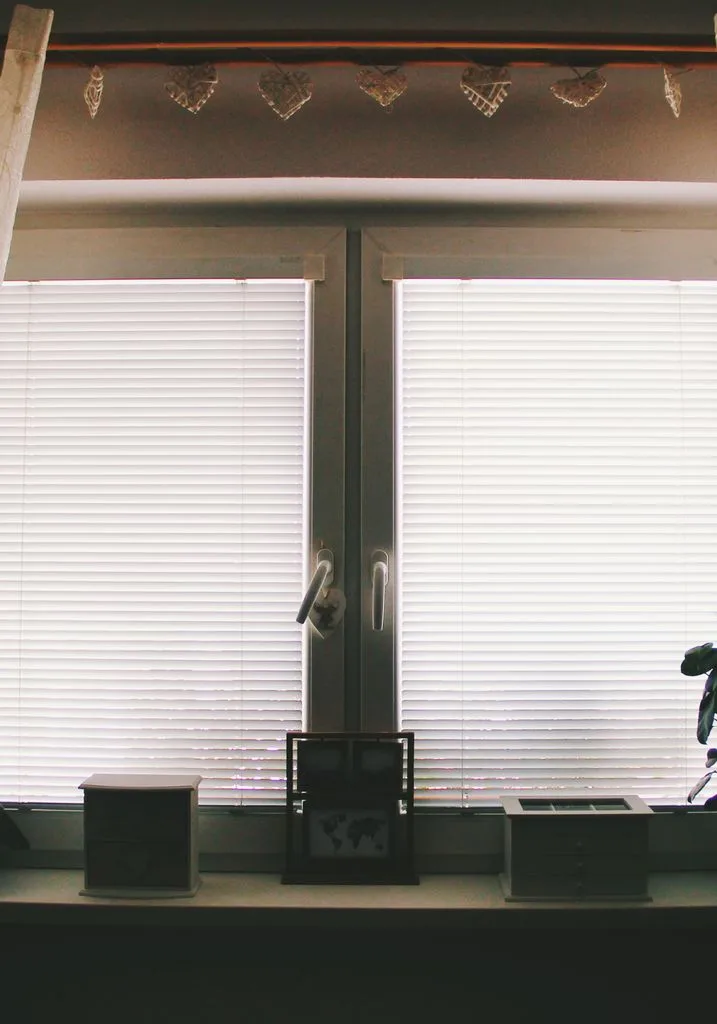
Bathroom windows are usually small, steamy, and surrounded by tile or glass, which makes suction cup rods a natural fit. A suction cup rod has a large suction cup on each end that grips smooth tile, glass, or a mirror, and a slim rod spans between them. It installs in seconds, moves easily when you want to clean the window, and leaves no residue at all. Use it for a small privacy curtain, a sheer panel, or a cafe curtain over the lower half of a bathroom window.
Suction works only on perfectly smooth, non porous surfaces, so test the cups on your tile before you buy the curtain. Press each cup firmly, push out the air, and flip the locking lever if your model has one. The hold weakens in steam, so wipe the tile dry before you install, and re press the cups once a week in a steamy bathroom. Most suction rods hold 2 to 4 pounds, which is fine for a single sheer or a lightweight cotton cafe curtain.
8. Over the Door Curtain Rod for Rentals
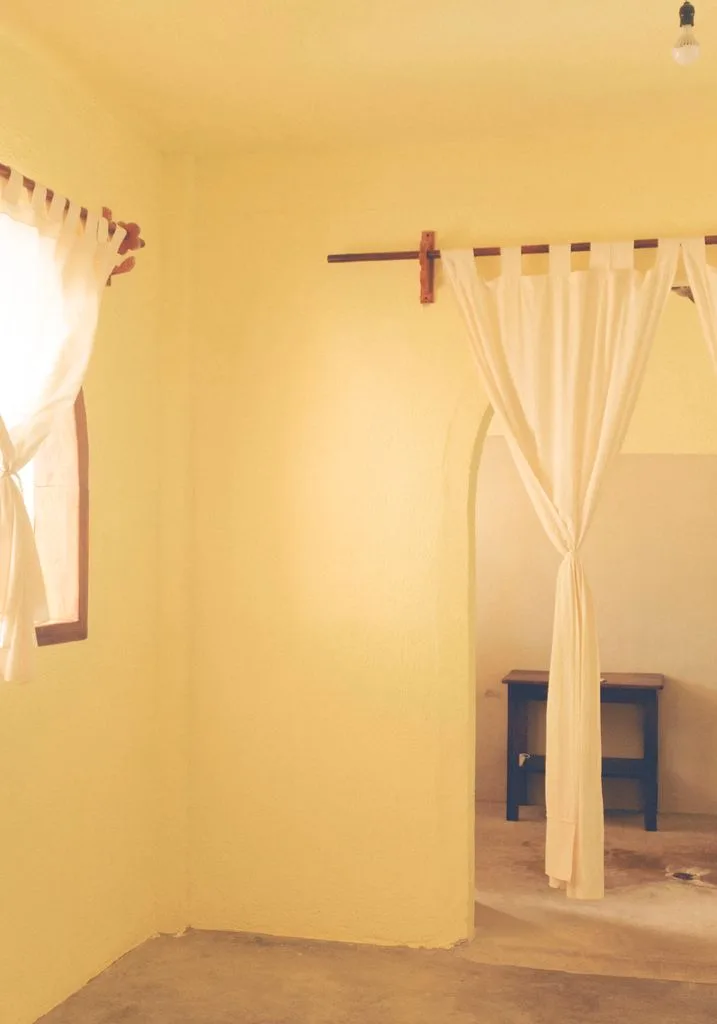
An over the door curtain rod hangs from two flat metal brackets that hook over the top edge of a door, with no screws and no adhesive at all. The brackets sit flat enough that the door still closes normally, and the rod spans the width of the door to carry a curtain panel. It is ideal for covering a glass paneled door, dressing up a plain interior door, hiding an open closet, or adding privacy to a door with a window in it. Most models adjust from 24 to 36 inches wide and hold 5 to 10 pounds.
Measure the thickness of your door before you order, because the brackets are made for standard interior doors about 1 and 3 eighth inches thick, and a thicker fire door or a thin hollow door can make them wobble. Slide the brackets over the top of the door, hang the rod, and add felt pads on the back of each bracket if the door rattles when it closes.
9. Clamp On Rod for Open Shelves and Cabinets
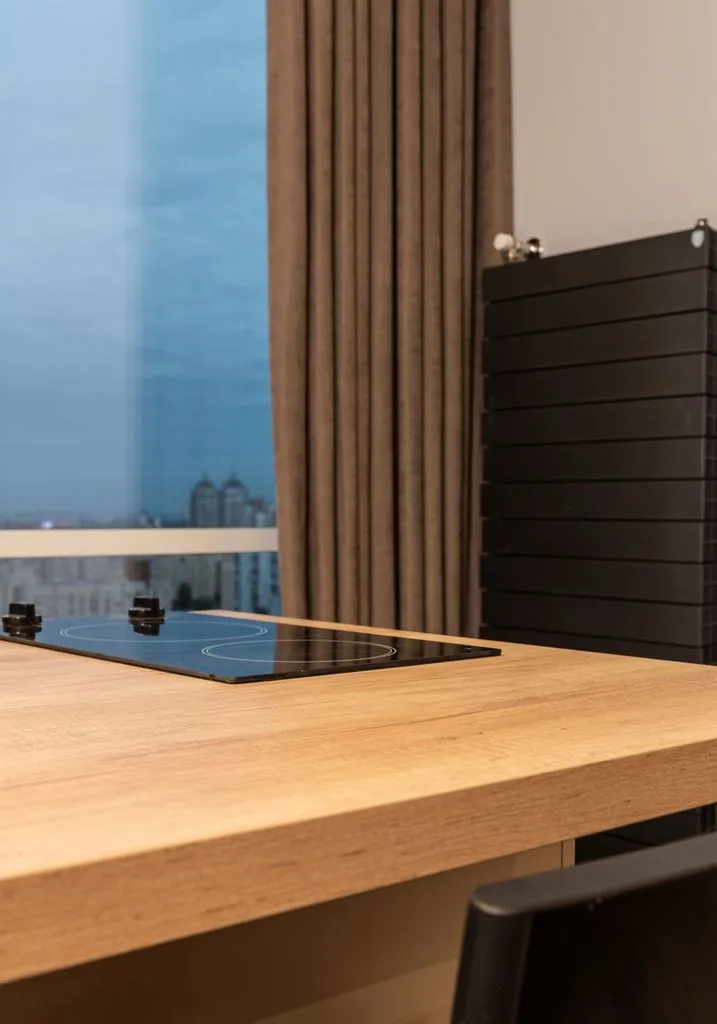
A clamp on rod grips the edge of a shelf, a cabinet side, or a thick piece of trim with a padded screw clamp, so it works in places where there is no window frame and no wall to stick anything to. You tighten the clamp by hand, slide the rod into the holder, and hang a short curtain to hide open shelving, cover the gap under a kitchen counter, or dress the side of a bookcase. The clamp pads protect the wood, and the whole setup comes off with a few turns of the clamp screw.
Check the clamp opening before you buy, because most models grip edges from half an inch to 2 inches thick. Tighten the clamp firmly but never force it on veneer or thin particle board, which can dent under pressure. A clamp on rod typically holds 3 to 6 pounds, which is plenty for a cafe curtain or a lightweight fabric panel.
10. Cafe Rod for Half Window Privacy
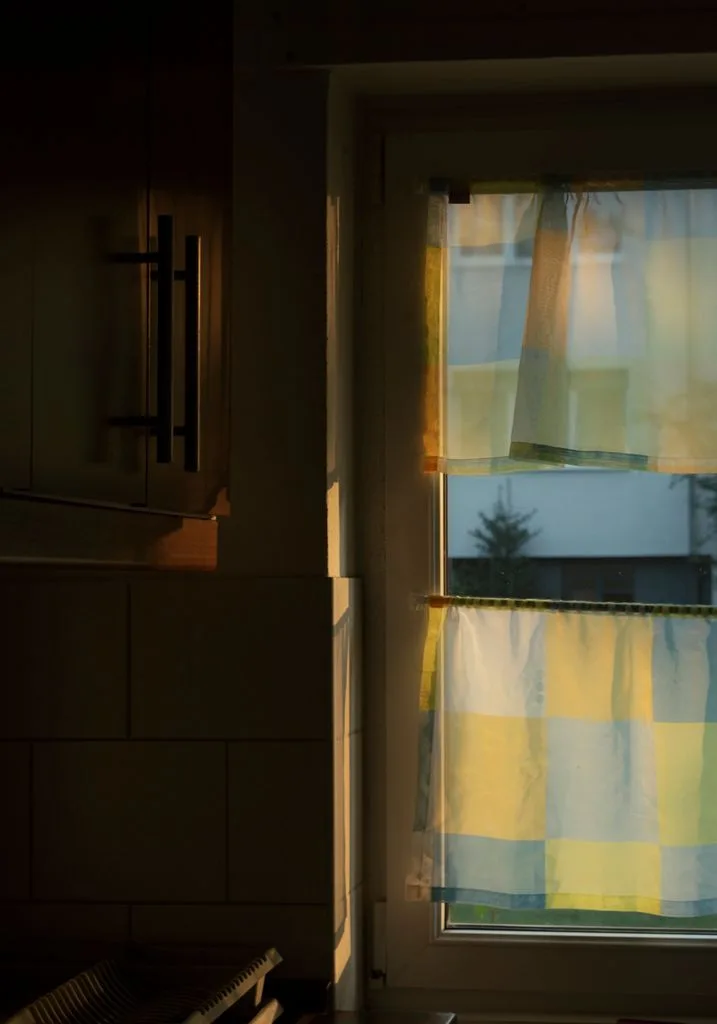
A cafe curtain covers only the lower half of a window, which gives you privacy at eye level while letting daylight pour in over the top. The rod that carries it is usually a slim tension rod or a small adhesive rod set at the midpoint of the window, and the curtain itself is a short panel with a rod pocket or clip rings. This is the classic look for kitchen windows, bathroom windows, and street facing ground floor windows.
Set the rod at the exact halfway point of the window, or a little higher if the window faces a busy sidewalk and you want more coverage. A lightweight cotton, linen, or gingham check fabric works best, because it holds its shape and washes well.
11. Blackout Tension Rod for Deep Sleep
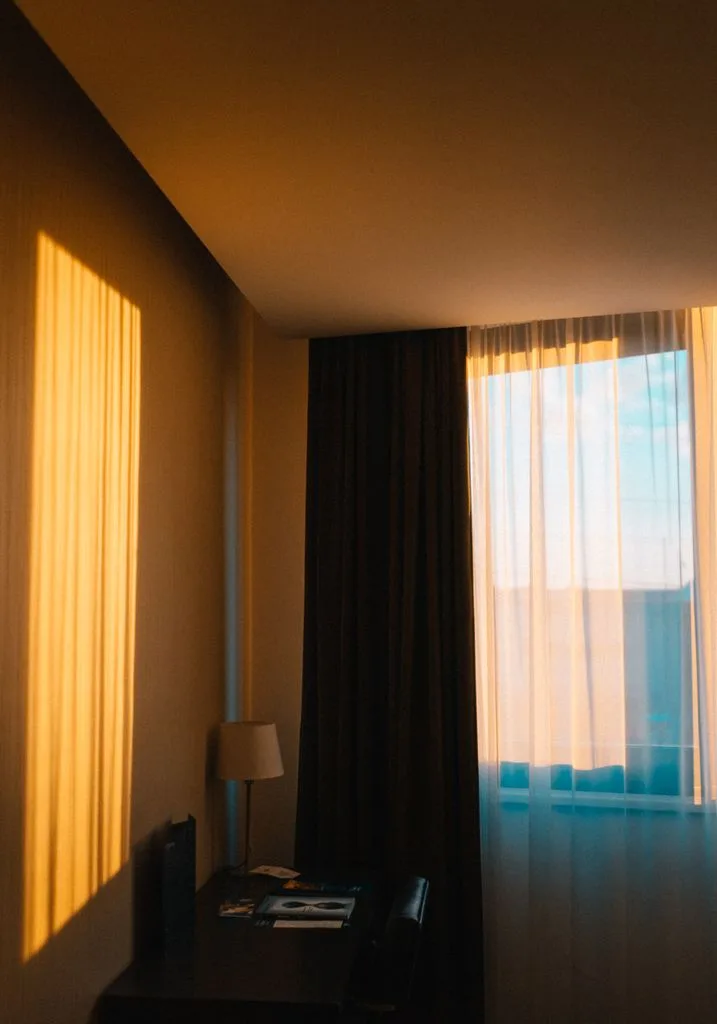
Blackout curtains are heavy, and that is why so many renters assume they cannot hang them without drilling. A heavy duty tension rod with a locking mechanism proves otherwise. These rods use a thicker steel tube and a locking collar that stops the rod from rotating loose, and they are rated for 20 to 30 pounds, which covers a full pair of lined blackout panels. Install the rod inside the frame near the top so the panels hang straight and seal the light gap at the edges.
For the darkest room, hang the blackout panels on a tension rod inside the frame and add a second lightweight rod a few inches in front for sheers, so you get privacy by day and darkness by night. Weigh the panels before you buy the rod, and if they are over 10 pounds each, choose a rod with a 1 inch diameter tube and rubberized end caps for extra grip. Give the rod a hard downward tug after install, and if it moves at all, twist it tighter by another quarter turn.
12. Double Tension Rod for Layered Sheers and Drapes

Layered windows look like a designer did them, and a double tension rod makes the look possible without a single screw. Two parallel tension rods sit inside the same window frame, one near the front and one near the back. Sheers go on the back rod, heavier drapes go on the front rod, and you get light filtering by day and full privacy at night. Each rod carries its own weight, so the system is stronger than one rod doing double duty.
Measure the depth of your window frame first, because you need at least 3 inches of depth to fit two rods side by side with room for the fabric to move. Install the back rod first, then the front rod, and leave a gap of at least 2 inches between them so the sheer and the drape never bunch together. Choose a slim rod for the sheers and a heavy duty locking rod for the drapes, since the front rod carries the heavier load.
13. Adhesive Ceiling Track for Floor Length Curtains
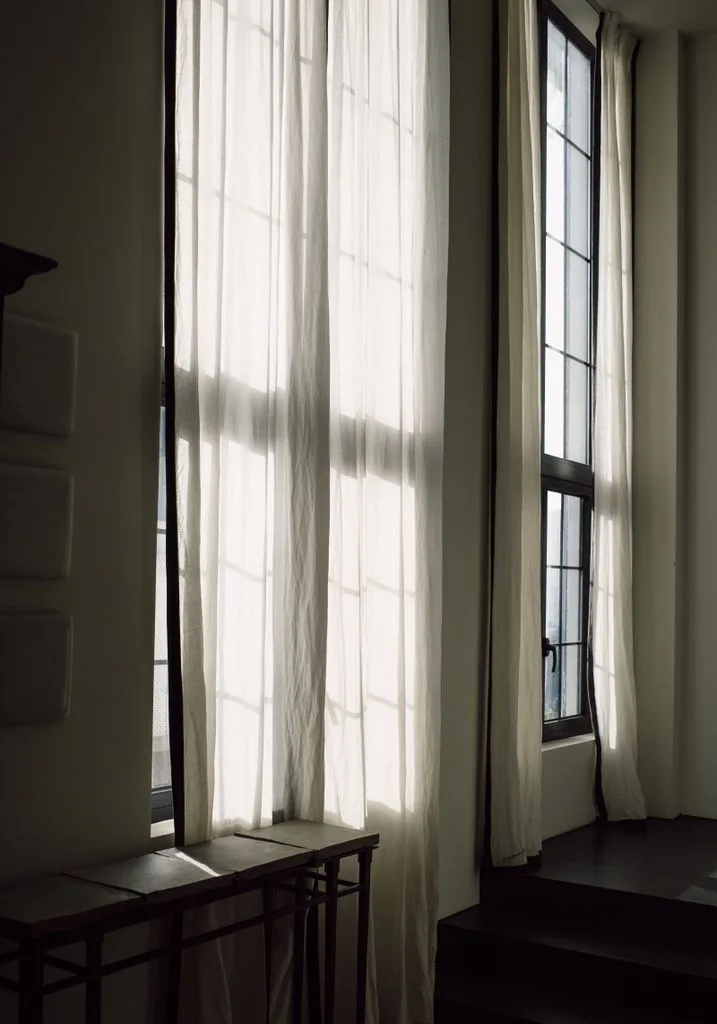
When a window is too wide for a tension rod or you want floor length curtains that hang from the ceiling, an adhesive ceiling track is the answer. The track is a slim plastic or aluminum rail with small gliders that carry the curtain hooks, and it sticks to a smooth ceiling with heavy duty adhesive strips.
Ceiling tracks shine on wide windows, sliding doors, and walls where you want curtains to span the full width of the room. Check that your ceiling is smooth painted drywall or plaster, because adhesive strips cannot grip popcorn ceilings or heavily textured surfaces. Clean the ceiling line with rubbing alcohol, press the track firmly along its full length, and wait 24 hours before you hang the curtains, since ceiling adhesive needs a full cure to hold weight overhead.
14. Tension Rod Room Divider for Studio Apartments

In a studio apartment, a tension rod can do more than dress a window. Set a heavy duty tension rod between two walls, or between a wall and a tall bookcase, and hang a curtain panel to divide a sleeping area from a living area. It is the cheapest room divider you can buy, it takes ten minutes to install, and it comes down without a trace when your lease ends.
Measure the gap carefully, because a room divider span is longer than a window, and a long rod needs a thicker tube to avoid bowing. Choose a heavy duty locking tension rod with a 1 inch diameter for spans over 48 inches, and keep the curtain fabric light, like cotton voile or a linen blend, so the rod never carries more than 8 to 10 pounds.
15. No Drill Rod for Arched Windows

Arched windows look beautiful and frustrate every renter who tries to dress them, because a straight rod cannot follow a curve. The no drill answer is to hang the rod straight across the window at the point where the arch begins, which is called the spring line. A tension rod inside the frame at that height, or a pair of adhesive hooks on the wall at the same height, carries a straight curtain that covers the rectangular part of the window while the arch above stays open to the light.
Measure the width of the window at the spring line, not at the widest point of the arch, and choose your hardware to match that number. A tension rod works if the frame has depth at that height, while adhesive hooks work when the wall beside the arch is smooth and flat.
16. No Drill Rod for Bay Windows

Bay windows have three angled sections, which makes a single straight rod useless. The no drill fix is to treat each section as its own small window and give each one a separate tension rod or adhesive rod. Three slim tension rods, one inside each frame section, carry three curtain panels that follow the angles of the bay. The result looks custom made, costs very little, and removes in minutes. Measure each section separately, because the center section is often wider than the two side sections.
For a softer and more flowing look, use one long adhesive ceiling track that follows the angles of the bay, with a joint or a gentle bend at each corner. Many ceiling tracks are sold in bendable sections that you can shape by hand, and they stick to a smooth ceiling with adhesive strips.
17. Curtain Wire Kit with Adhesive Hooks
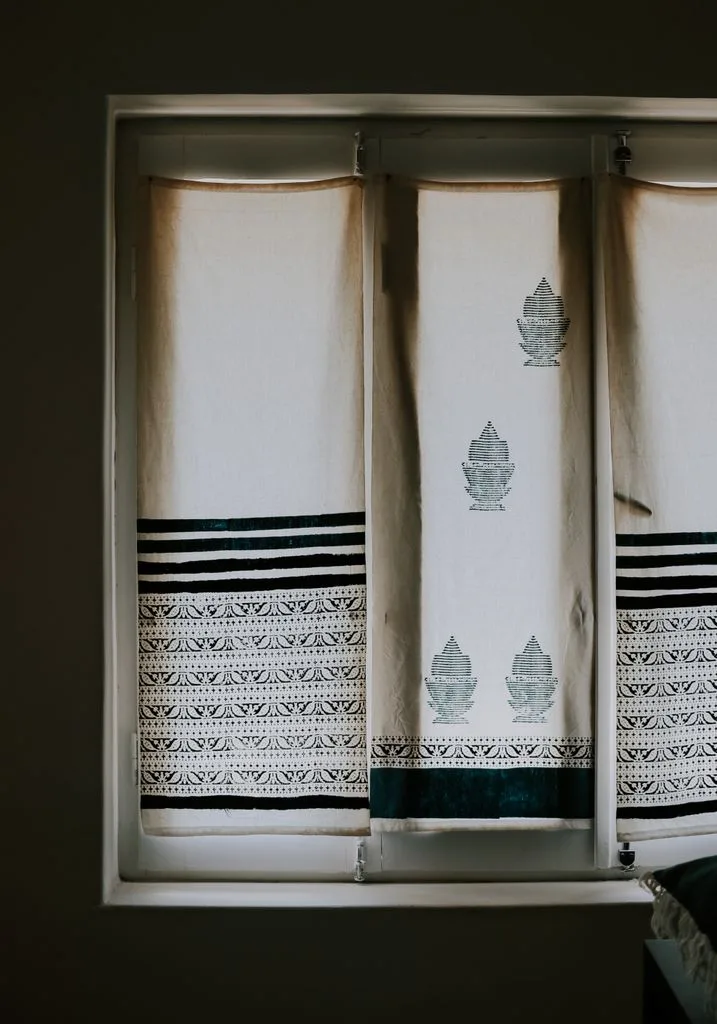
A curtain wire kit is a thin steel cable that stretches between two adhesive hooks, and the curtain hangs from clip rings that slide along the wire. It is the lightest and least visible way to hang a curtain, because the wire almost disappears against the wall and the eye sees only the fabric. Wire kits suit sheers, voile, and lightweight linen panels, and they are perfect for wide windows where a rigid rod would bow, for sloped ceilings, and for corners where a straight rod cannot reach.
Install two heavy duty adhesive hooks level and at the same height, then thread the wire through the hooks and tighten the turnbuckle until the wire is taut with no visible sag. The wire itself holds up to 5 pounds when it is properly tensioned, so keep the fabric light and distribute the clip rings evenly, about one ring every 6 to 8 inches, so the weight never pools in one spot.
18. Clip Ring Rod on Adhesive Hooks for Easy Swaps
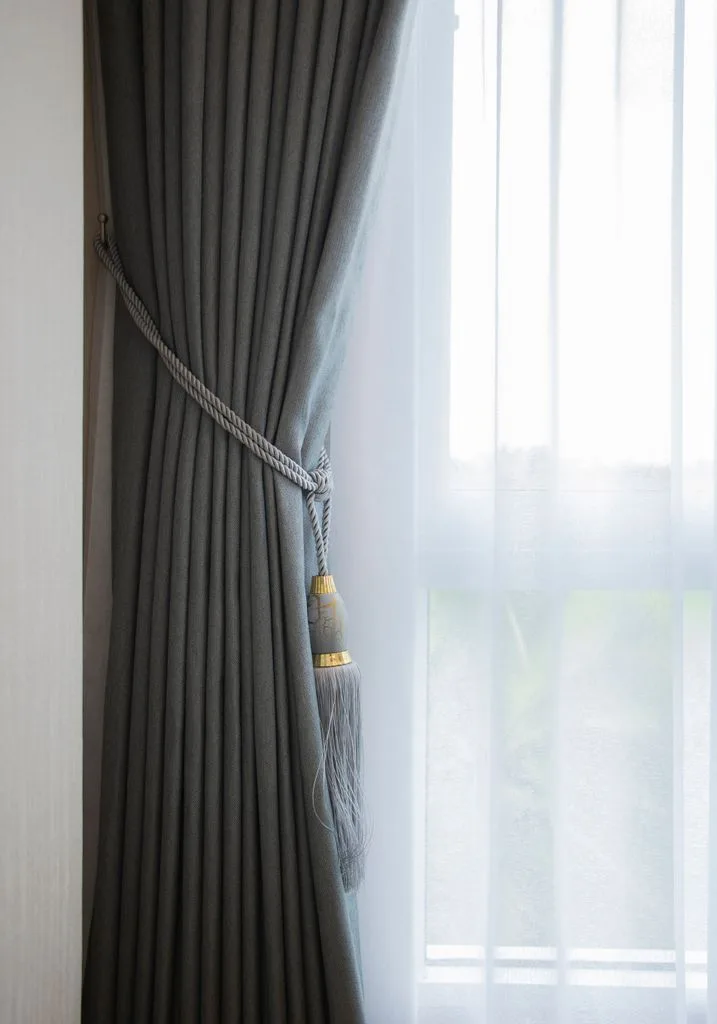
Clip rings are small metal rings with a clip at the bottom that grips the top edge of a curtain, and they change the way a no drill rod feels to use. Instead of threading a curtain through a rod pocket, which means taking the whole rod down every time you wash the panels, you clip the rings on and slide them along the rod. Swapping curtains for the seasons becomes a two minute job, and the rings add a neat tailored detail that makes even a budget rod look expensive.
Pair clip rings with a slim metal rod resting on two adhesive hooks, and you have a complete system that installs in ten minutes and removes cleanly. Space the rings evenly, about one every 5 to 6 inches, and clip them to the very top edge of the fabric so the curtain hangs straight with no puckering.
19. No Drill Rod for Dorm Rooms and First Apartments
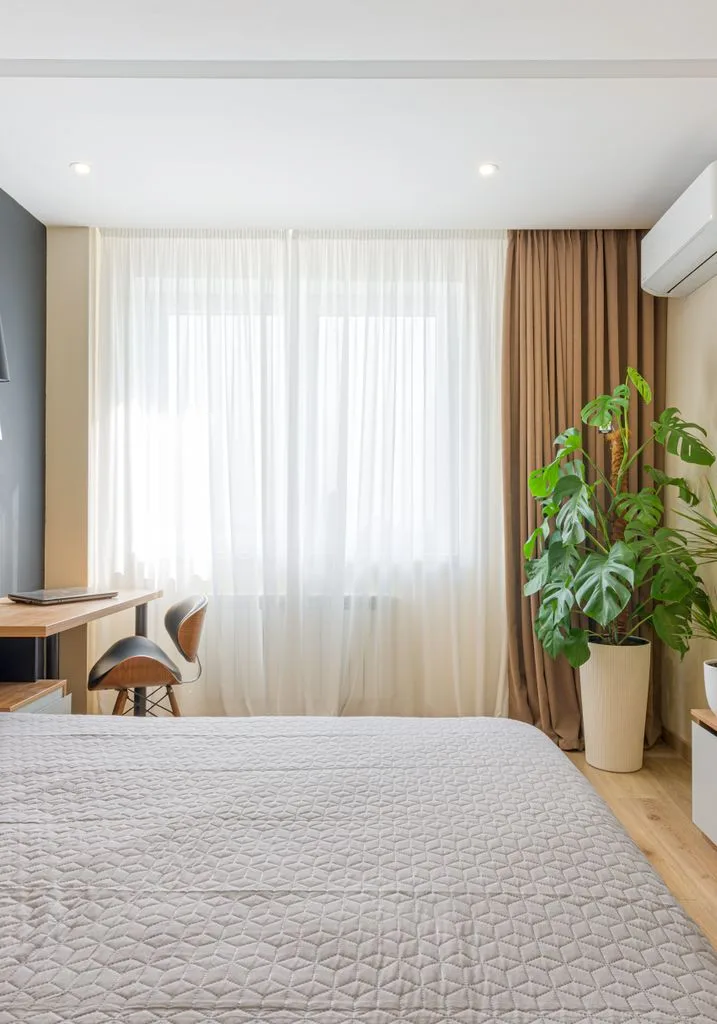
Dorm rooms and first apartments have the strictest rules of all, with most leases banning nails, screws, and even adhesive strips on some walls. A tension rod is the safest choice here, because it touches only the inside of the window frame and leaves no mark anywhere. A single tension rod and a pair of cheerful curtains can turn a bare dorm window into a cozy corner in under five minutes, and the whole setup fits in a suitcase when the semester ends.
Choose a rod that fits the narrow windows common in dorms, usually 18 to 36 inches wide, and pair it with a lightweight curtain that adds color without blocking the light you need to study by. Sheers, cotton prints, and light linen panels all work well, and they weigh so little that even the cheapest tension rod holds them easily.
20. No Drill Rod for Kitchen Windows

Kitchen windows need curtains that handle steam, splashes, and cooking smells, and the rod needs to survive the same conditions. A small tension rod inside the frame is the best choice, because it keeps the hardware away from the wall where grease can weaken adhesive, and it holds a washable cafe curtain that you can toss in the laundry every few weeks. Cotton, linen, and gingham checks are the classic kitchen curtain fabrics, and they all weigh very little.
Hang a cafe curtain on the lower half of the window for privacy while you cook, and add a short valance at the top for a finished look. Keep the curtain clear of the stove and any open flame, and choose a length that stops at least 6 inches above the countertop so the fabric never dips into water or food.
21. No Drill Rod for Kids Rooms and Nurseries

Kids rooms need curtains that block light for naps, survive curious hands, and come down safely if a child pulls on them. A tension rod is the safest choice, because it has no screws, no sharp brackets, and no cords, and if a child tugs hard on the curtain, the rod simply pops out of the frame instead of pulling a bracket out of the wall. Choose a heavy duty locking tension rod for blackout panels, and hang the curtains so they stop a few inches above the floor.
Pick a cheerful fabric that your child loves, like a soft pink, a star print, or a gentle stripe, and keep the rod hardware simple, with no dangling cords or tiebacks within reach of the crib or bed. Install the rod high inside the frame so the panels cover the whole window, and test the hold by pulling the curtain firmly from the middle, the way a toddler would.
How to Choose
Start with the window, not the product. Measure the inside width of the frame at three points, check how deep the frame is, and test the surfaces with a fridge magnet and a fingertip. A frame with at least 2 inches of depth and flat sides takes a tension rod. A smooth painted wall takes adhesive hooks. A steel door or frame takes a magnetic rod. A smooth tile or glass surface takes a suction cup rod.
Then weigh the curtains. Put the panels on a kitchen scale, add the weight of the rod itself, and compare the total to the rated capacity of the hardware. Choose hardware rated for at least double the weight you plan to hang. If you are still unsure which method to trust, the Apartment Therapy team tested five popular ways to hang curtains without drilling, including adhesive brackets, tension rods, Command hooks, and a tap in bracket. Their hands on test, I Tested 5 No-Drill Ways to Hang Curtains and Had a Clear Favorite, is worth reading before you buy.
Budget
A single window can be dressed for as little as 15 dollars. A basic tension rod costs 8 to 12 dollars, a pair of sheer panels costs 10 to 20 dollars, and clip rings add about 5 dollars. For a large living room window with blackout panels, expect 40 to 70 dollars: a heavy duty locking tension rod at 20 to 30 dollars and lined panels at 20 to 40 dollars.
Adhesive hooks and magnetic rods sit in the same price range, usually 8 to 15 dollars for the hardware plus the cost of the rod and the fabric. A ceiling track is the priciest option here, at 25 to 40 dollars for the track and gliders, but it covers the widest windows and the longest spans, so it often replaces two or three rods.
Common Mistakes to Avoid
The most common mistake is hanging heavy curtains on hardware rated for light ones. A pair of lined blackout panels can weigh 10 pounds, and a basic tension rod rated for 5 pounds will slide down in the night, no matter how tightly you twist it. Weigh the fabric first, then buy hardware rated for double that weight. The second mistake is skipping surface prep. Adhesive hooks stuck to a dusty or damp wall will peel off within days.
Other mistakes are easy to avoid once you know them. Never install adhesive hooks on fresh paint less than 30 days old, because the paint will come off with the hook. Never use a suction cup rod on textured tile, because the cup cannot seal. Never hang a rod crooked, because gravity pulls the curtain toward the low side and works the rod loose.
📌 Also Read:
Frequently Asked Questions
How much weight can a tension rod hold
A basic tension rod holds 3 to 5 pounds, which covers sheers and light cotton panels. A heavy duty tension rod with a locking collar and a 1 inch diameter tube holds 20 to 30 pounds, which covers lined drapes and blackout panels.
Will adhesive hooks damage my walls
Command style adhesive hooks remove cleanly when you pull the tab straight down slowly, and they are designed to leave no mark on painted drywall. Problems happen when the hooks are used on fresh paint, on wallpaper, or on textured walls, or when they are ripped off sideways instead of pulled down by the tab.
Can I hang blackout curtains without drilling
Yes, with the right hardware. A heavy duty locking tension rod inside the frame holds most blackout panels, and a pair of large Command hooks rated for 10 pounds each can carry a slim rod with blackout curtains too. Weigh the panels first, since a pair of lined blackout curtains can weigh 6 to 10 pounds.
What is the best no drill curtain rod for renters
For most renters, a heavy duty tension rod with a locking mechanism is the best all round choice. It installs in a minute, holds up to 30 pounds, works in any window with a solid frame, and removes without a trace. If your windows have no frame depth, a pair of large Command hooks with a slim metal rod is the next best option.
Do no drill curtain rods work on wide windows
Yes, but a single long tension rod will bow under heavy fabric, so use the right design for the span. A heavy duty locking rod handles spans up to 72 inches. For wider windows, use two rods meeting in the middle, an adhesive ceiling track that follows the wall, or a curtain wire kit that stays taut across long spans.
Conclusion
Bare windows make even a beautiful room feel unfinished, and a drill should never be the reason you live with them. These 21 no-drill curtain rod options cover every window shape, every wall surface, and every budget, from a 5 dollar twist rod in a dorm room to a ceiling track that dresses a whole wall of glass.
Save this guide to your Pinterest board for rental friendly decorating ideas so you can find it again when the next window needs dressing. No drill, no damage, no stress, just windows that look finished from the day you move in to the day you hand back the keys.