
Top 21 Bedroom Bedding Layering Techniques for a Luxurious Sanctuary

Overview
This article dives into 21 expert bedroom bedding layering techniques, designed to help you create a cozy and stylish sleep sanctuary. Ideal for anyone looking to elevate their bedroom aesthetic, you will discover practical tips, material insights, and color palettes. Learn how to combine various textiles and elements to achieve a professionally designed look, ensuring comfort and visual appeal for your personal haven.
Key Takeaways
- Master the foundation with quality sheets and a comfortable duvet for ultimate comfort.
- Introduce texture and visual interest using a variety of textiles like Linen, Velvet, and Wool.
- Strategically use throw pillows and blankets to add color, pattern, and depth to your bed.
- Balance aesthetics with functionality, ensuring each layer contributes to both style and comfort.
- Experiment with color palettes from Neutral to vibrant Pastels to reflect your personal style.
Transforming a bedroom into a luxurious retreat often begins with the art of bedding layering, a technique that adds both comfort and visual depth to your sleeping space. This approach goes beyond simply putting sheets on a bed, inviting a thoughtful curation of textiles, colors, and textures. Design experts at BHG Bedroom frequently highlight the importance of layering to create a truly inviting and personalized aesthetic.
In this comprehensive guide, you will discover 21 essential techniques for layering bedding like a seasoned professional, covering everything from foundational pieces to decorative accents. You will learn how to combine different elements to achieve various Styles, whether you prefer a Modern Minimalist look or a rich Bohemian vibe, ensuring your bedroom feels both beautiful and incredibly cozy.
1. The Essential Foundation: Quality Sheets

High quality white cotton sheets form the essential base layer, offering crispness and comfort.
Begin your layering journey with a set of high quality sheets, typically made from breathable cotton, crisp percale, or luxurious Satin. Opt for a fitted sheet and a flat sheet in a Neutral color like White or a soft Gray to serve as a versatile base for subsequent layers. This foundational choice sets the tone for comfort and ensures a smooth, inviting surface.
Choosing premium sheets is paramount because they are the layers closest to your skin, directly impacting your sleep quality. This technique is suitable for every bedroom Style, from Minimalist to Rustic, providing an immediate sense of luxury and comfort. Expert tip: Always prioritize thread count and material for durability and softness.
2. The Duvet or Comforter: Your Main Statement

A plush white duvet serves as the main statement piece, providing warmth and a clean aesthetic.
Select a duvet or comforter that aligns with your desired warmth and aesthetic, serving as the primary visual anchor of your Bedding ensemble. A fluffy down or down alternative option provides excellent insulation and a plush appearance, often encased in a removable duvet cover. This piece is crucial for both comfort and design, dictating much of the bed’s overall feel.
This layer allows for significant expression of your chosen Style, whether it is a crisp White duvet for a Modern look or a textured Linen comforter for a Scandinavian feel. It is perfect for those who want to easily change their bedroom’s mood with different covers, offering versatility and a focal point. Expert tip: Consider the weight and warmth rating based on your climate and personal preference.
3. Duvet Cover: Style and Protection

A stylish blue linen duvet cover adds texture and a calming color to the bed ensemble.
A duvet cover is essential for both protecting your duvet and introducing significant Style and color to your Bedding. Choose materials like crisp Linen for a relaxed, textured look, or smooth Satin for a more luxurious, Contemporary feel. Patterns, textures, and solid Colors like deep Blue or soft Pastels can dramatically alter the room’s mood.
This versatile layer is ideal for homeowners who enjoy changing their decor seasonally or simply want to refresh their space without buying an entirely new duvet. It allows for creative freedom in expressing various Styles, from a bold Bohemian print to a subtle Neutral texture. Expert tip: Ensure the duvet cover has ties or corner loops to keep the duvet securely in place.
4. The Coverlet or Quilt: A Lightweight Layer

A gray quilted coverlet provides a lightweight, textured layer, adding visual interest to the bed.
Introduce a lightweight coverlet or quilt as a versatile middle layer, offering additional warmth without bulk and enhancing the visual texture of your Bedding. This piece can be folded at the foot of the bed or spread out over the sheets, providing a neat and finished appearance. Materials like cotton or a light Linen blend are common choices.
This technique is excellent for transitional seasons or for sleepers who prefer multiple light layers to a single heavy one. It adds an extra dimension to Modern, Scandinavian, or even Rustic bedrooms, providing a subtle contrast in texture or color. Expert tip: Choose a coverlet in a complementary color or a subtle pattern to add interest without overwhelming the space.
5. Euro Shams: Back Support and Height

Three crisp white Euro shams add height and structure, creating a luxurious backdrop for the bed.
Incorporate two or three large Euro shams at the back of your pillow arrangement to add significant height, structure, and a touch of grandness. These square pillows, often 26×26 inches, are perfect for leaning against while reading or watching television. They come in a variety of materials and colors, from crisp White Linen to plush Velvet.
Euro shams are especially effective in creating a luxurious, hotel like feel and are a cornerstone of a well layered bed, particularly with a tall Headboard. They work beautifully in Contemporary, Modern, and even Bohemian Styles, providing a substantial backdrop for smaller pillows. Expert tip: Choose shams that match your duvet cover for a cohesive look, or select a contrasting texture for added depth.
6. Standard or King Shams: Your Sleeping Pillows

Standard white pillow shams, placed in front of Euro shams, complete the functional pillow arrangement.
Place your standard or king sized sleeping pillows in decorative shams directly in front of the Euro shams, creating a comfortable and visually appealing stack. These shams typically match your duvet cover or sheets, maintaining a cohesive color palette. They are essential for both practical comfort and aesthetic balance.
This layer is fundamental for everyday use, ensuring your sleeping pillows are readily accessible while still contributing to the bed’s overall design. It’s a universal technique applicable to all bedroom Styles, providing a neat and inviting appearance. Expert tip: Ensure your shams are properly sized for your pillows to avoid a sloppy or overstuffed look.
7. Decorative Throw Pillows: Personality and Pop

A collection of decorative throw pillows in varied textures and colors adds personality and visual interest.
Introduce a selection of decorative throw pillows in varying sizes, shapes, and textures to inject personality, color, and visual interest into your Bedding. Mix and match patterns, solid Colors like Green or Blue, and materials such as Velvet, Silk, or Linen for a dynamic arrangement. These pillows are the jewels of your bed, offering endless styling possibilities.
Throw pillows are perfect for adding a final flourish and tying together the room’s color scheme, complementing elements like a Rug or Lighting. They are particularly effective in Bohemian, Contemporary, and Modern bedrooms, allowing for creative expression. Expert tip: Use an odd number of pillows (one, three, or five) for a more organic, less symmetrical look.
8. The Lumbar Pillow: A Central Accent

A plush velvet lumbar pillow provides a central accent, adding a touch of luxury and a different shape.
A single lumbar pillow placed horizontally in front of your decorative throw pillows offers a refined central accent and a different shape to break up the arrangement. Choose one in a contrasting color, a unique pattern, or a luxurious textile like Chenille or Silk to draw the eye. Its elongated shape provides a sophisticated finish.
This technique is particularly effective for adding a focal point and a sense of completeness to the pillow display, working well with Modern, Minimalist, and Contemporary Styles. It provides a subtle yet impactful way to introduce another layer of texture and visual appeal. Expert tip: Ensure the lumbar pillow’s width is proportional to the bed size for the best aesthetic.
9. A Chunky Knit Throw: Cozy Texture
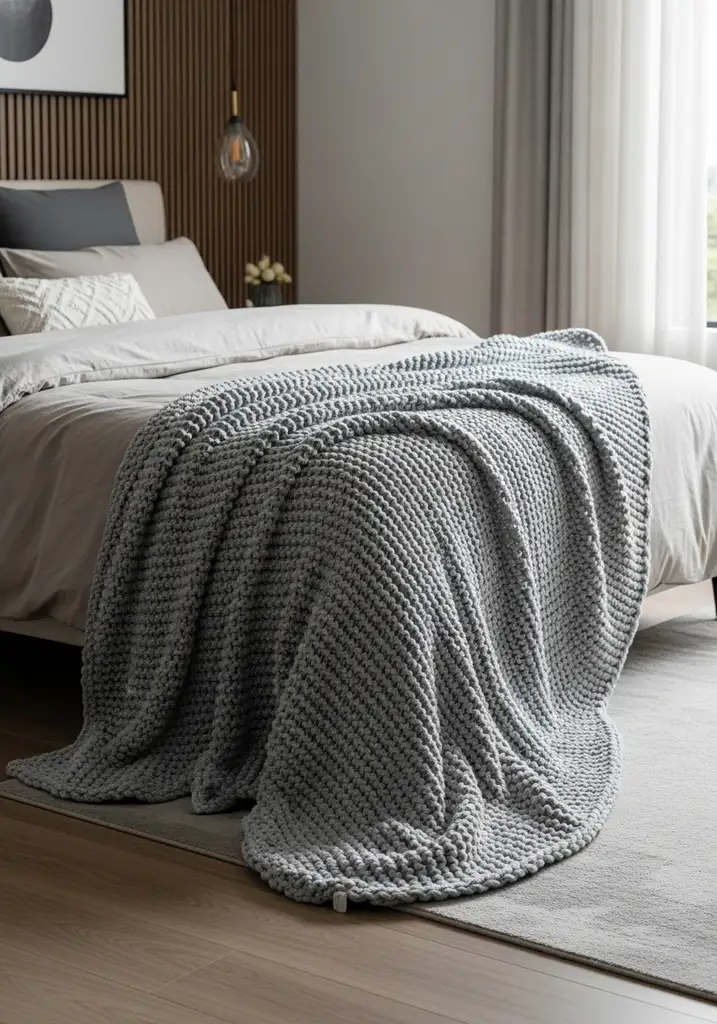
A gray chunky knit wool throw draped casually adds cozy texture and warmth to the foot of the bed.
Drape a chunky knit throw blanket casually across the foot of the bed or over a corner for an inviting, cozy texture that instantly adds warmth and dimension. Materials like soft Wool or a thick chenille blend create a tactile experience, perfect for snuggling on a cool evening. This layer introduces a sense of relaxed luxury.
This technique is excellent for creating an approachable, comfortable atmosphere, especially in Scandinavian, Rustic, or Bohemian bedrooms. It provides an opportunity to introduce a new color or a rich texture that contrasts with the smoother Bedding layers. Expert tip: A neutral colored chunky knit throw can complement almost any existing color scheme.
10. Faux Fur Throw: Ultimate Luxury

A luxurious cream faux fur throw blanket draped over the bed corner adds ultimate warmth and opulence.
For unparalleled luxury and warmth, introduce a faux fur throw blanket, either draped elegantly or folded neatly at the foot of the bed. The rich texture and visual weight of faux fur immediately elevate the Bedding ensemble, adding a sophisticated and opulent touch. Choose a natural tone or a deep, rich color for maximum impact.
This technique is ideal for creating a glamorous or extremely cozy ambiance, fitting well within Contemporary, Modern, or even Rustic chic bedrooms. It serves as a statement piece, inviting touch and providing exceptional warmth. Expert tip: Opt for high quality faux fur that mimics the softness and sheen of real fur for the best effect.
11. The Folded Quilt: Traditional Charm

A colorful patchwork quilt folded neatly at the foot of the bed adds traditional charm and warmth.
Integrate a beautifully folded quilt at the foot of the bed, showcasing its intricate stitching and traditional charm. This layer can be a family heirloom or a new piece chosen for its pattern and color, adding a touch of heritage and warmth. Quilts often feature unique patterns and are made from cotton or linen.
This technique is perfect for adding a touch of Rustic, farmhouse, or traditional elegance to a bedroom, providing both visual interest and an extra layer of warmth. It also allows you to introduce a pop of color or a historical pattern that complements your overall decor. Expert tip: Look for quilts with hand stitched details for an authentic, high quality feel.
12. Linen Throw Blanket: Effortless Elegance

A soft beige linen throw blanket, casually draped, adds an element of effortless elegance and natural texture.
A crumpled or loosely draped Linen throw blanket offers an air of effortless elegance and a wonderfully tactile texture. Its natural wrinkles and soft drape contribute to a relaxed yet sophisticated aesthetic, perfectly suited for a laid back luxury feel. Choose a Neutral or Pastel shade for a calming effect.
This layering technique is ideal for Scandinavian, Bohemian, and Modern Minimalist bedrooms, where comfort and natural materials are highly valued. It adds depth without formality, inviting a sense of ease and tranquility. Expert tip: Linen softens beautifully with each wash, becoming even more inviting over time.
13. Textured Blanket at the Foot: Visual Anchor
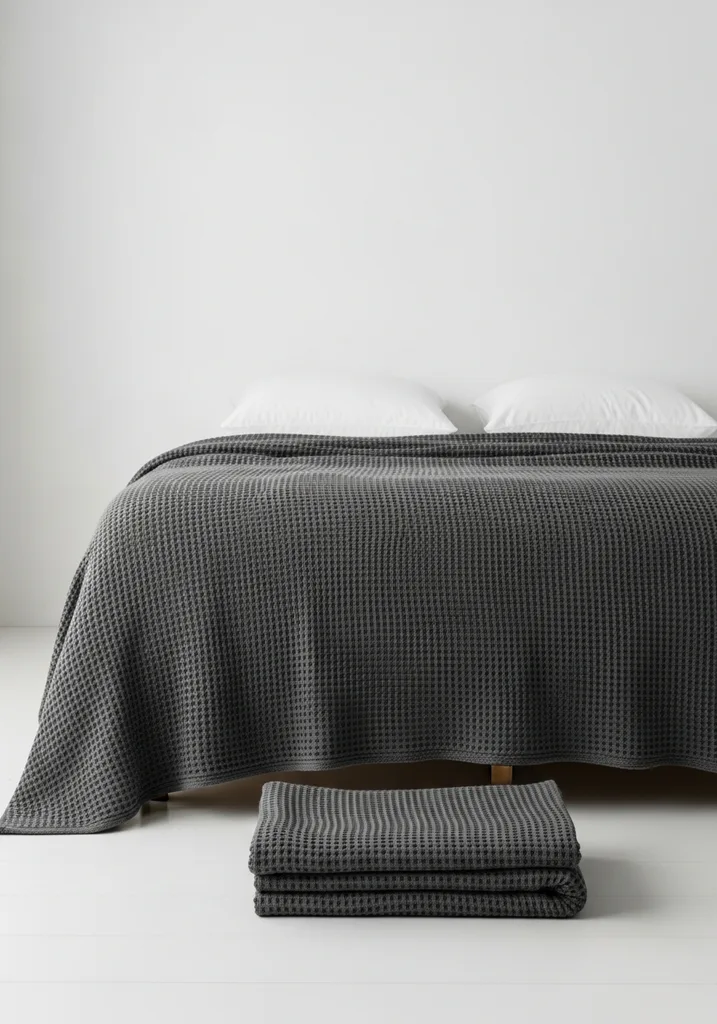
A dark gray waffle weave blanket, neatly folded, serves as a visual anchor and adds texture to the bed.
Place a blanket with a distinct texture, such as a waffle weave, cable knit, or a unique pattern, folded or draped across the foot of the bed. This serves as a visual anchor, grounding the Bedding ensemble and adding a strong textural element. It can be a contrasting color or a subtle shade that blends with the overall scheme.
This technique works well in almost any Style, adding a practical layer of warmth that is easily accessible while also enhancing the bed’s visual appeal. It is particularly effective in adding depth to a more Minimalist or Contemporary design. Expert tip: Ensure the blanket’s texture complements the other textiles, creating a harmonious yet varied feel.
14. A Bed Skirt or Valance: Finishing Touch

A crisp white tailored bed skirt provides a polished finish, concealing the box spring and adding elegance.
While not a top layer, a well chosen bed skirt or valance is crucial for a polished and complete Bedding look, concealing the box spring and under bed storage. Opt for a tailored bed skirt for a Modern or Contemporary feel, or a ruffled one for a more Traditional or Rustic aesthetic. The material and color should complement your other Bedding elements.
This finishing touch creates a seamless transition from the bed to the floor, contributing significantly to the overall neatness and Style of the bedroom. It is essential for a truly finished appearance, providing a subtle foundation for all the layers above. Expert tip: Measure the drop accurately to ensure your bed skirt doesn’t drag on the floor or appear too short.
15. Layering Different Textures: Sensory Appeal
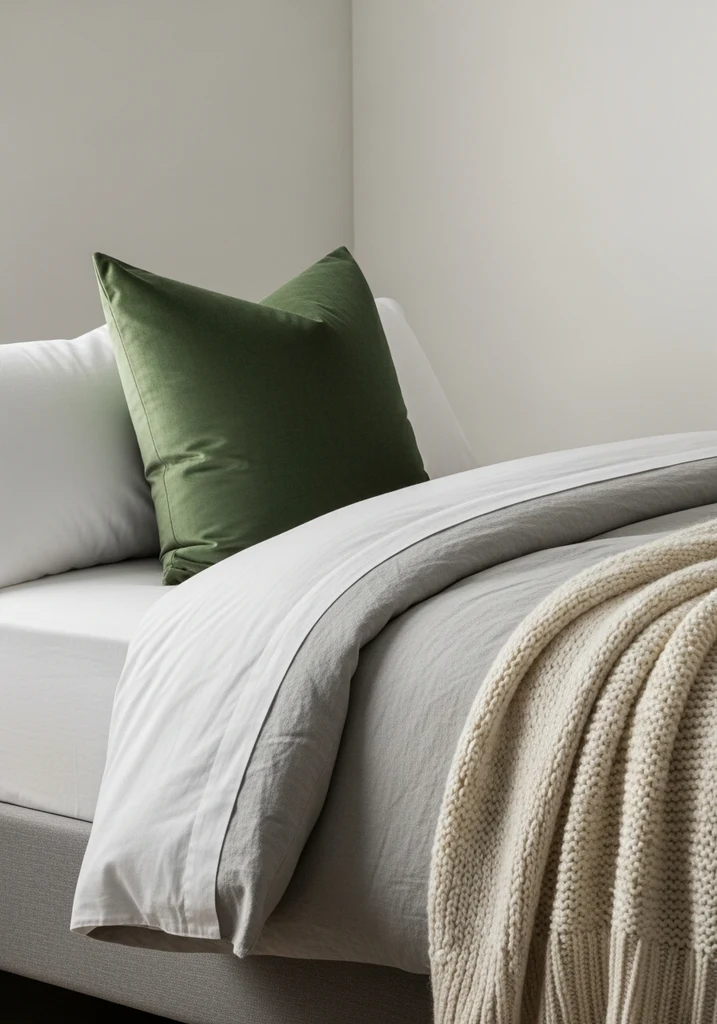
A bed showcasing a luxurious blend of textures, including smooth sheets, a linen duvet, velvet, and wool.
Consciously layer Bedding with a variety of textures to create a rich, sensory experience and visual depth. Combine smooth Satin sheets with a textured Linen duvet, a plush Velvet throw, and a chunky Wool knit blanket. This interplay of surfaces makes the bed feel more inviting and professionally designed.
This technique is fundamental to achieving a luxurious, multi dimensional look, regardless of the specific Style you are aiming for. It adds a tactile element that makes the bed more appealing and comfortable. Expert tip: Stick to a cohesive color palette when mixing textures to maintain harmony and avoid a cluttered appearance.
16. Playing with Color Palettes: Mood Setting

Bedding in a harmonious palette of soft blues, grays, and whites creates a serene and inviting atmosphere.
Experiment with different color palettes to set the desired mood and reflect your personal Style within your Bedding layers. A monochromatic scheme of various Grays or Whites creates a serene, Minimalist feel, while pops of Blue, Green, or Pastels can add vibrancy and personality. Consider how colors interact with your Headboard and other room elements.
Color layering is crucial for defining the aesthetic of your bedroom, influencing everything from calmness to energy. It is a powerful tool for personalization, allowing you to tailor the space to your preferences. Expert tip: Use the 60 to 30 to 10 rule, where 60 percent is your dominant color, 30 percent secondary, and 10 percent an accent.
17. Mixing Patterns: Dynamic Visuals

A bed featuring a sophisticated mix of striped sheets, a geometric duvet, and a floral throw pillow.
Introduce visual dynamism by artfully mixing patterns within your Bedding layers, such as a subtle stripe on the sheets, a geometric design on the duvet cover, and a floral motif on a throw pillow. The key is to vary the scale of the patterns and ensure they share a common color or tone to maintain cohesion. This approach adds a sophisticated complexity.
This technique is particularly effective in Bohemian, Eclectic, or Contemporary bedrooms, where a rich visual tapestry is desired. It demonstrates confidence in design and creates a unique, personalized look. Expert tip: Start with one dominant pattern and then introduce smaller, complementary patterns that pick up a color from the main one.
18. The Waterfall Drape: Elegant Flow

A white duvet draped in an elegant waterfall style adds a luxurious and generous feel to the bed.
Employ the waterfall drape technique by allowing your duvet or comforter to flow gracefully over the sides of the bed, almost touching the floor. This creates an elegant, generous appearance and adds a sense of softness and luxury. It works best with oversized duvets that extend well beyond the mattress edges.
This layering method is ideal for achieving a high end, opulent look, often seen in Modern and Contemporary hotel suites. It makes the bed feel larger and more inviting, enhancing the overall aesthetic of the room. Expert tip: Ensure your duvet is wide enough to achieve a substantial drape on both sides of the bed.
19. Rolled Throw Blanket: Artful Placement

A neatly rolled blue throw blanket placed at the foot of the bed adds an artful and relaxed touch.
Instead of folding or draping, consider rolling a throw blanket and placing it artfully across the foot of the bed or on a Nightstand. This technique adds a different visual shape and can introduce a sense of relaxed, intentional styling. A soft Wool or Linen blend works particularly well for this.
This method is great for adding a touch of casual sophistication and works especially well in Scandinavian or Minimalist spaces where clean lines are appreciated. It offers a subtle way to add an extra layer without creating too much visual clutter. Expert tip: Use a blanket that holds its shape well when rolled, such as a medium weight knit.
20. Incorporate a Bench or Ottoman: Extended Comfort

A stylish upholstered bench at the foot of the bed extends comfort and completes the layered bedding look.
While not strictly Bedding, placing a stylish bench or ottoman at the foot of the bed extends the layering concept beyond the mattress, providing both functionality and visual appeal. This piece can serve as a place to sit, store extra blankets, or simply act as a decorative element. It helps to ground the Bedding layers and completes the ensemble.
This technique is excellent for adding a touch of luxury and practicality to any bedroom, from Modern to Rustic. It creates a cohesive look by extending the visual weight of the bed into the room, enhancing the overall design. Expert tip: Choose a bench or ottoman that complements your Headboard and Nightstand in terms of material or color.
21. Seasonal Swaps: Refresh Your Space
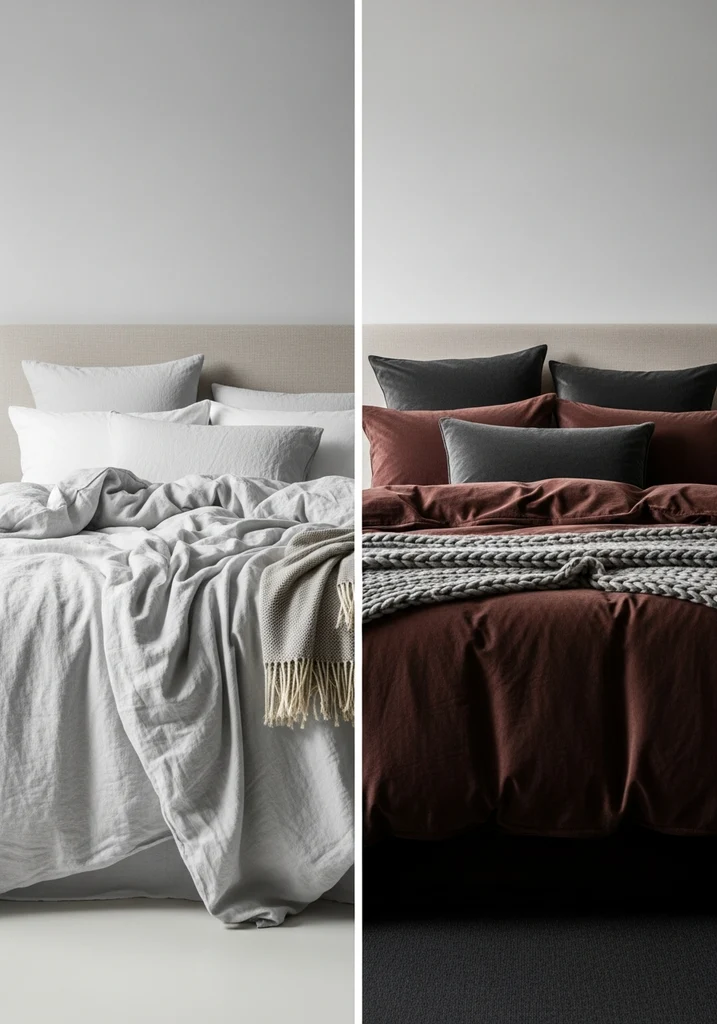
A display illustrating seasonal bedding swaps, featuring light linen for summer and cozy wool for winter.
Embrace seasonal swaps to refresh your Bedding layers and adapt to changing temperatures and moods throughout the year. Lighter Linen and cotton for spring and summer can transition to heavier Velvet, Wool, and faux fur for autumn and winter. This keeps your bedroom feeling fresh and appropriate for the season.
This practical approach ensures your bedroom remains comfortable and stylish year round, preventing a stagnant aesthetic. It allows for continuous experimentation with different textures and colors, keeping your space dynamic. Expert tip: Store off season Bedding properly to maintain its quality and freshness for future use.
Design Comparison: What to Expect
| Style/Type | Key Features | Best For |
|---|---|---|
| Modern Minimalist | Clean lines, Neutral colors (White, Gray), Linen or cotton, few decorative pillows | Sleek, uncluttered spaces, calm aesthetics |
| Bohemian Eclectic | Mixed patterns, rich textures (Velvet, Silk, Wool), vibrant Pastels or deep jewel tones, many throw pillows | Creative, free spirited individuals, maximalist decor |
| Scandinavian Cozy | Light wood elements, White or soft Gray palette, natural materials like Linen and Wool, simple yet inviting layers | Bright, airy spaces, comfort oriented design |
| Rustic Farmhouse | Earth tones, natural fabrics (cotton, Linen), quilted layers, textured throws, emphasis on comfort | Warm, inviting spaces, traditional or country homes |
| Contemporary Glam | Satin or Velvet fabrics, metallic accents, bold colors or deep Neutrals, structured pillow arrangements | Luxurious, sophisticated rooms, statement driven design |
How to Choose Your Perfect Bedding Layers
Consider your personal comfort preferences as the first step in selecting your Bedding layers. Think about how warm or cool you tend to sleep and choose materials like breathable cotton for warmth or crisp percale for a cooler feel. This foundational understanding will guide all subsequent material choices.
Next, evaluate your bedroom’s existing aesthetic and the overall Style you wish to achieve. A Modern room might benefit from sleek Satin and simple Neutrals, while a Bohemian space thrives with mixed patterns and rich Velvet. Let your room’s current elements, such as the Headboard or Rug, inform your color and texture decisions.
Finally, determine your budget and how much maintenance you are willing to undertake for your Bedding. High quality Linen and Silk may require more delicate care, whereas cotton blends offer easier washing and durability. Investing in key pieces like a good duvet and sheets will provide lasting comfort and value.
Think about the function of each layer, beyond just aesthetics, such as a lightweight coverlet for extra warmth or Euro shams for back support while reading. Each piece should contribute to both the visual appeal and practical use of your bed. This holistic approach ensures your layered Bedding is both beautiful and highly functional.
Common Mistakes to Avoid When Layering Bedding
One common mistake is using too many layers or pillows, which can make the bed appear cluttered and overwhelming rather than inviting. An overly stuffed bed can lose its sense of luxuriousness and become impractical for daily use. Focus on quality over quantity to maintain a sophisticated look.
Another pitfall is neglecting to vary textures and materials within the Bedding ensemble. Sticking to only one type of fabric, such as all cotton, can result in a flat and uninteresting appearance. Mix smooth Silk with textured Linen, or soft Velvet with chunky Wool, to create depth and visual interest.
Many people make the error of ignoring the overall color palette of their room when selecting Bedding, leading to a disjointed look. Ensure your chosen Bedding colors, whether Neutral, Blue, Green, or Pastels, complement your existing decor, including wall color, Rug, and Lighting. Cohesion is key to a harmonious space.
Finally, failing to consider practicality and ease of use can lead to frustration with a beautifully layered bed. If you find yourself constantly removing and rearranging too many pillows or heavy blankets every night, you might sacrifice comfort for style. Strive for a balance that is both visually appealing and effortlessly comfortable for your daily routine.
Frequently Asked Questions
How many layers of bedding are ideal for a luxurious look?
For a truly luxurious and inviting look, aim for five to seven distinct layers on your bed. This typically includes a fitted sheet, a flat sheet, a duvet or comforter, a coverlet or quilt, and two to three types of pillows and throws. This combination provides depth, texture, and ample comfort.
What is the best way to arrange pillows for a layered bed?
Start with Euro shams standing upright against the Headboard, followed by your standard or king sleeping pillows in front of them. Then, add two to three decorative throw pillows, often with a lumbar pillow as the final, central accent. This creates a tiered, visually appealing arrangement.
Which textiles are best for layering in different seasons?
For warmer months, lightweight and breathable textiles like Linen, cotton percale, and Silk are excellent choices. For colder seasons, opt for warmer materials such as flannel, Velvet, Wool, or a plush Chenille. This allows you to adapt your Bedding for optimal comfort year round.
How can I add color to my bedding without overwhelming the room?
Introduce color through accent pieces like throw pillows, a decorative blanket, or a patterned duvet cover, keeping your foundational sheets and duvet in a Neutral tone like White or Gray. You can also use a monochromatic scheme with varying shades of one color, such as different Blues or Greens, for a sophisticated touch. This approach allows for pops of color without dominating the entire space.
Conclusion
Mastering the art of bedding layering is a transformative process that elevates a simple bed into a luxurious and inviting sanctuary. By thoughtfully combining various textiles like Linen, Velvet, and Wool, playing with a range of Colors from Neutrals to Pastels, and strategically placing elements such as throw pillows and blankets, you can create a space that is both visually stunning and incredibly comfortable. These 21 techniques offer a comprehensive guide to designing a bedroom that not only looks professionally styled but also provides the ultimate retreat for relaxation and rejuvenation. Embrace these tips to curate a personalized haven that reflects your unique taste and ensures a restful night’s sleep.


