Top 17 Designer Home Decor Secrets: Elevate Your Home with Pro Styling Tips

Ever wonder how interior designers create those effortlessly chic, perfectly balanced spaces that feel both luxurious and inviting? It’s not just about expensive furniture; it’s about the art of styling – the thoughtful arrangement of elements that bring a room to life and tell a story. Mastering these techniques can transform your home from ordinary to extraordinary, imbuing it with personality, sophistication, and a sense of curated elegance.
From layering textures to strategically placing art, these designer home decor styling tips are the secret sauce to achieving a polished, high-end look without needing to overhaul your entire space. Whether you’re refreshing a single room or embarking on a complete home makeover, these expert insights will empower you to make intentional design choices, creating a harmonious and aesthetically pleasing environment that you’ll love coming home to every day. Get ready to elevate your decor game!
1. Master the Art of Curated Vignettes
A vignette is a small, intentional arrangement of decorative objects that tells a mini-story and adds visual interest to any surface. Think of it as a carefully composed still life on your coffee table, console, or bookshelf. The key to a successful vignette lies in balancing varying heights, textures, and forms, often adhering to the ‘rule of three’ or odd numbers for a more dynamic and natural feel.
To create an impactful vignette, start with a foundational piece, like a stack of beautiful books or a substantial tray, then layer in items such as a unique sculpture, a fragrant candle, and a small vase with fresh botanicals. Ensure each item has space to breathe, preventing the arrangement from looking cluttered, and consider how the pieces relate to each other in terms of color and style for a cohesive look.

A perfectly curated vignette adds visual depth and personality to any surface, transforming it into a focal point.
2. Embrace the Power of Layered Lighting
Designer spaces rarely rely on a single overhead light; instead, they master the art of layered lighting to create atmosphere, define zones, and enhance functionality. This approach involves combining ambient (general room illumination), task (for specific activities like reading), and accent lighting (to highlight art or architectural features) to achieve a rich, multidimensional glow. Dimmers are your best friend here, allowing you to adjust the mood instantly.
Consider a mix of ceiling fixtures, floor lamps, table lamps, and even wall sconces to provide various sources of light. A well-lit room feels more inviting and luxurious, with shadows and highlights playing together to add depth and interest. Experiment with different light temperatures – warmer tones for coziness, cooler for task areas – to perfect your room’s ambiance.

Layered lighting creates depth, warmth, and adjustable ambiance, transforming a room’s entire feel.
3. Play with Texture for Visual & Tactile Interest
Texture is often an overlooked element in home decor, yet it’s crucial for adding depth, warmth, and a sense of luxury to a space. Incorporating a variety of textures prevents a room from feeling flat or sterile, inviting both the eye and the hand to explore. Think about combining smooth, rough, soft, and hard surfaces to create a rich sensory experience within a single room.
Introduce texture through materials like a plush velvet sofa, a chunky knit throw, a woven rug, a wooden coffee table with a visible grain, or metallic accent pieces. Even the subtle sheen of silk pillows or the ruggedness of a natural stone vase can make a significant difference. By intentionally mixing different textures, you can create a dynamic and visually appealing environment that feels both sophisticated and comfortable.

Mixing diverse textures, from plush velvet to natural wood, adds sophisticated depth and visual interest.
4. Make a Statement with Art
Art is not merely decoration; it’s a powerful tool that can define the personality and mood of a room, serving as a captivating focal point. A single, large piece of art can command attention and set the tone for the entire space, transforming an ordinary wall into a gallery-worthy display. Don’t be afraid to go big; often, a larger piece feels more intentional and impactful than several smaller ones.
When selecting art, consider its scale relative to the wall and surrounding furniture, as well as its color palette and emotional resonance. It doesn’t have to be expensive – a striking print, a textile hanging, or even a beautifully framed photograph can elevate your decor significantly. Let your chosen art piece be a conversation starter and a true reflection of your unique style.

A single, impactful piece of art can instantly elevate a room, serving as a powerful focal point.
5. Craft a Thoughtful Color Palette
The strategic use of color is fundamental to creating a cohesive and harmonious designer space. A well-chosen color palette can evoke specific moods, enhance architectural features, and tie together disparate elements within a room. Instead of randomly selecting colors, think about a primary color, a secondary color, and an accent color that complement each other and align with the desired atmosphere.
Consider the psychological effects of colors – blues for calmness, yellows for energy, greens for nature – and how natural light impacts their appearance throughout the day. Don’t limit your palette to just paint; extend it to furniture, textiles, and decorative accessories for a truly integrated look. A thoughtful color scheme creates visual flow and ensures every element feels purposefully placed.

A thoughtful color palette creates harmony and evokes a specific mood, tying together all design elements.
6. Invest in Elevated Textiles and Window Treatments
Nothing says ‘designer’ quite like high-quality textiles and well-executed window treatments. They instantly elevate a room, adding softness, luxury, and a finished feel. Ditch the flimsy, ill-fitting curtains and opt for custom-length drapes in rich fabrics like linen, velvet, or silk, ensuring they skim or lightly pool on the floor for a truly elegant look. Quality textiles are an investment that pays dividends in aesthetic appeal and durability.
Beyond curtains, consider luxurious throws, decorative pillows with interesting textures or patterns, and sumptuous upholstery. These elements add tactile comfort and visual warmth, contributing significantly to the overall sophistication of your space. Pay attention to the drape, fall, and feel of fabrics – these details make all the difference in achieving a high-end designer finish.

High-quality textiles and custom window treatments instantly elevate a room with luxury and a tailored finish.
7. Integrate Biophilic Design with Greenery
Bringing the outdoors in through biophilic design is a powerful way to enhance well-being and add an organic, living element to your decor. Designer homes often feature strategically placed indoor plants, not just as filler, but as sculptural elements that introduce vibrant color, natural textures, and a sense of calm. Plants purify the air and connect us to nature, making a space feel more alive and refreshing.
Choose plants that complement your aesthetic – a tall Fiddle Leaf Fig for a dramatic statement, a sprawling Monstera for tropical vibes, or delicate ferns for a softer touch. Pay attention to the planters, too; they should be stylish vessels that enhance the plant’s beauty and integrate with your overall design scheme. A touch of greenery is an instant uplift for any room.

Integrating lush greenery through biophilic design brings life, color, and tranquility into any modern home.
8. Master the Art of Mixing Old and New
Truly unique and sophisticated spaces often result from a skillful blend of vintage and contemporary elements. This juxtaposition creates a sense of history and personality that a purely modern or purely traditional room can’t achieve. Pairing a sleek, minimalist sofa with a beautifully aged antique chest, or a modern dining table with ornate vintage chairs, adds character and unexpected visual interest.
The trick is to find common threads – perhaps a shared color, material, or silhouette – to ensure the different eras don’t clash but rather complement each other. This approach allows your decor to tell a richer story, reflecting a layered and evolved aesthetic rather than a single, rigid style. It’s about creating a timeless look that feels both fresh and rooted.

Mixing vintage treasures with modern pieces creates a rich, layered aesthetic that tells a unique story.
9. Strategic Mirror Placement for Light & Space
Mirrors are far more than just functional items; in the hands of a designer, they become powerful tools to manipulate light, expand perceived space, and add decorative flair. Placing a large mirror opposite a window is a classic trick to bounce natural light deeper into a room, making it feel brighter and more open. They can also reflect beautiful views, essentially ‘framing’ a second window.
Consider the scale and frame of your mirror to ensure it complements your room’s style – from ornate gold for traditional elegance to sleek frameless for modern minimalism. Beyond reflecting light, a strategically placed mirror can also highlight a stunning piece of furniture or art by reflecting it, adding depth and visual intrigue to the space.

Strategic mirror placement maximizes natural light, expands perceived space, and reflects beautiful views.
10. Infuse Your Space with Personalized Touches
A truly designer home feels lived-in and deeply personal, not like a showroom. The most stylish spaces are those that reflect the unique story and passions of their inhabitants. Incorporating personalized touches – whether it’s travel souvenirs, cherished heirlooms, or thoughtfully displayed photographs – prevents a home from feeling generic and injects authentic character.
However, the key is curation over clutter. Instead of displaying everything, select a few meaningful items that resonate with you and arrange them artfully. Group similar items, use elegant display cases, or create dedicated zones for showcasing your collections. These personal elements are what transform a beautiful house into a warm, inviting, and truly individual home.

Personalized touches like travel souvenirs and framed memories make a house a unique and authentic home.
11. Embrace Functional Furniture as Art
Gone are the days when furniture was solely about utility. In designer spaces, functional pieces often double as sculptural art forms, elevating the aesthetic appeal of a room. Look for chairs with unique silhouettes, coffee tables crafted from interesting materials, or bookshelves with architectural flair. These pieces serve their purpose while simultaneously acting as captivating visual anchors.
Choosing furniture with distinctive design elements – perhaps an unusual leg detail, an unexpected curve, or a striking material combination – adds instant sophistication. These pieces don’t just fill a space; they contribute to the narrative and artistic integrity of the room. It’s about finding beauty in everyday objects and letting them shine as statements of design.

Choosing functional furniture with sculptural design transforms everyday pieces into captivating works of art.
12. Define Zones in Open-Plan Spaces
Open-plan living is popular, but without clear definition, these expansive spaces can feel overwhelming or lacking in purpose. Designers expertly define distinct zones within an open layout, creating intimate areas for various activities while maintaining a sense of flow. This ensures each section feels purposeful and comfortable, rather than just part of one large, undifferentiated room.
Use large area rugs to anchor and delineate living or dining areas, allowing them to feel like individual rooms. Furniture placement is also crucial; floating sofas or console tables can act as subtle dividers. Other techniques include using bookshelves as room partitions, changing lighting fixtures for different zones, or even introducing accent walls to visually separate areas. This thoughtful division creates functionality and coziness.
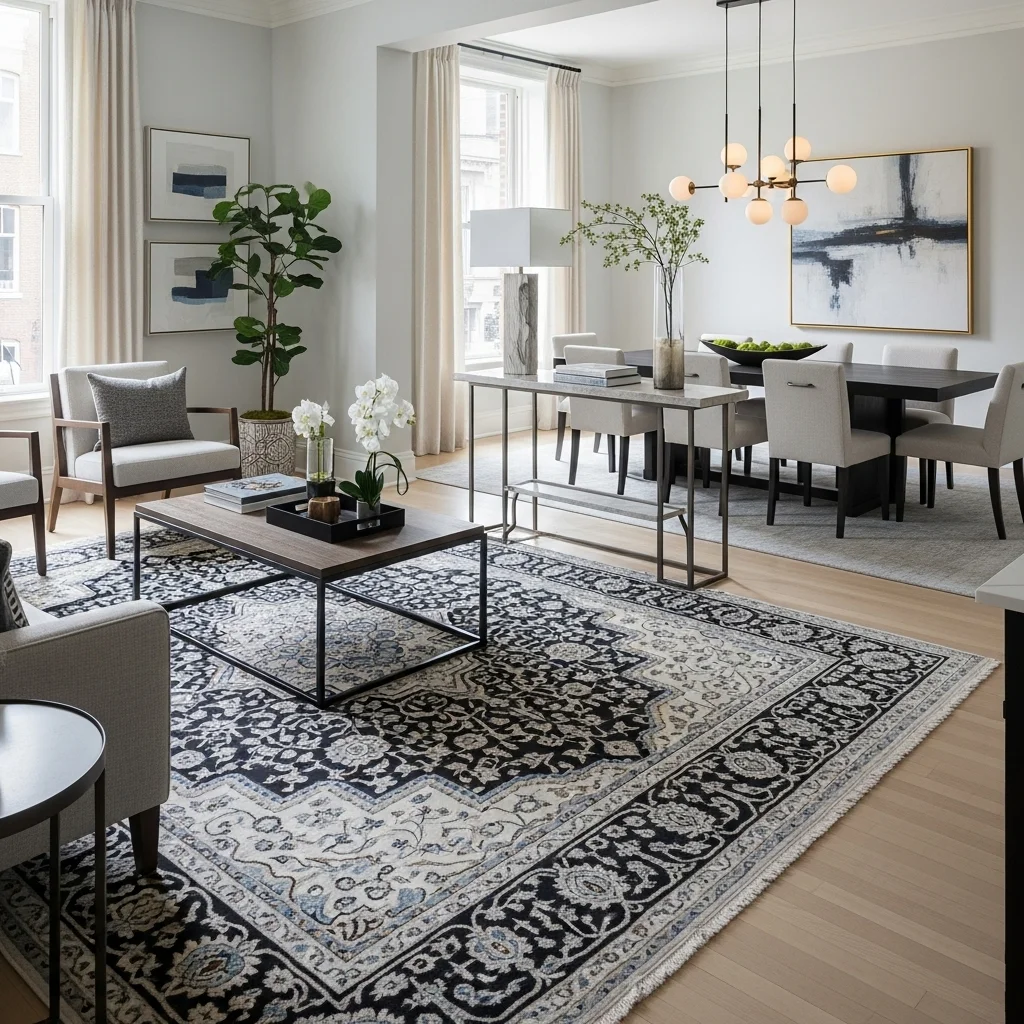
Define distinct zones in open-plan layouts using rugs, furniture, and subtle dividers for flow and intimacy.
13. Introduce High-Contrast Accents
While a serene, monochromatic palette can be beautiful, adding high-contrast accents is a designer trick to inject drama, visual excitement, and definition into a space. A stark difference in color or tone immediately draws the eye, preventing a room from feeling monotonous or overly subdued. This doesn’t mean you need to go wild with bright colors; often, it’s about pairing deep tones with light ones.
Think about a crisp white sofa adorned with jet-black throw pillows, a dark-stained wood coffee table against a pale rug, or a bold graphic print in a neutral room. These contrasting elements create immediate impact, add sophistication, and provide visual anchors that guide the eye around the room. A little contrast goes a long way in making a statement.

High-contrast accents like dark pillows on a light sofa instantly add drama, definition, and visual interest.
14. Harness the Power of Symmetry or Asymmetry
Achieving balance is a cornerstone of designer aesthetics, and it can be accomplished through either symmetry or asymmetry. Symmetrical arrangements, like two identical nightstands flanking a bed with matching lamps, create a sense of calm, formality, and order. This approach is often favored in traditional or elegant spaces where a sense of quiet luxury is desired.
Conversely, asymmetry introduces dynamism and a more contemporary, relaxed feel. This involves balancing visual weight without identical items – for example, pairing a tall floor lamp with a lower console table that has a large piece of art above it. Both methods, when executed thoughtfully, create harmonious and visually appealing compositions, but they achieve very different moods.
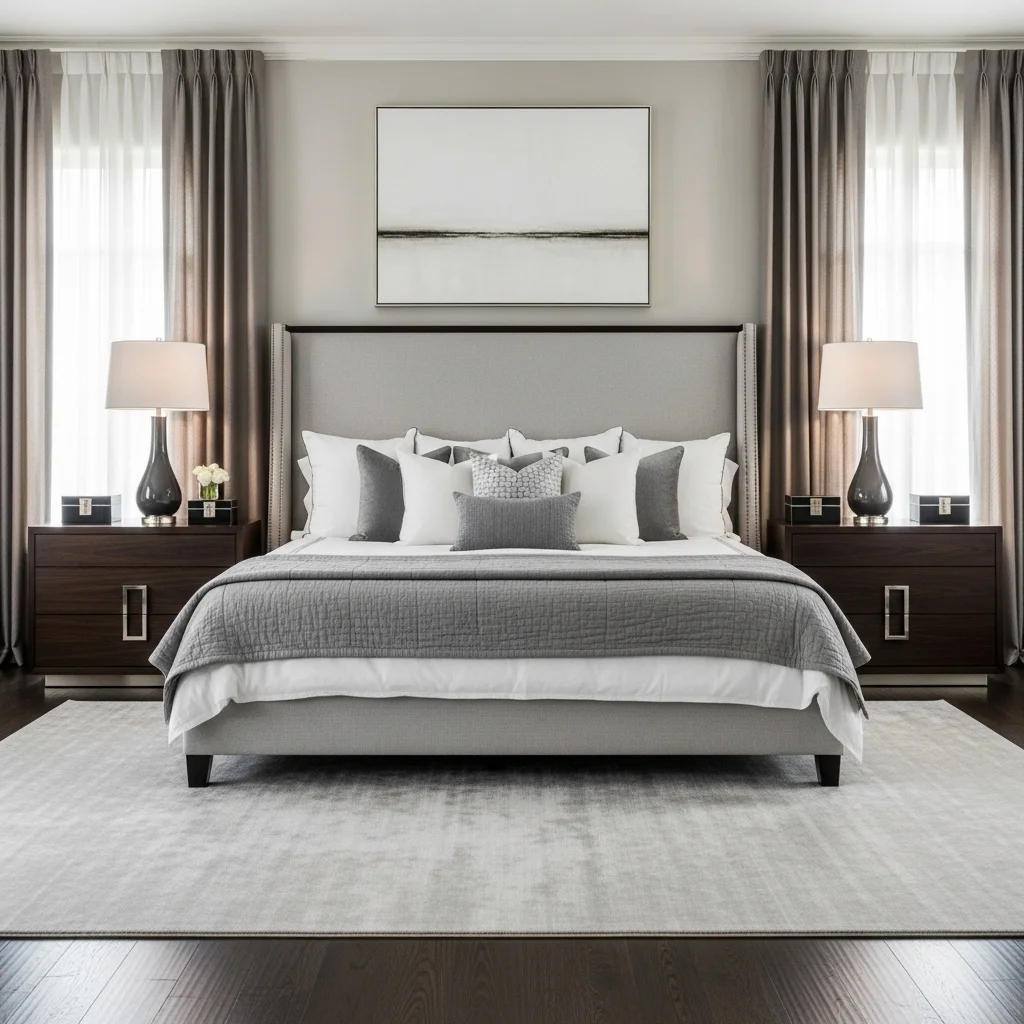
Achieving balance through symmetry or asymmetry guides the eye and defines the mood of a designer space.
15. Integrate Smart and Stylish Storage Solutions
A truly designer home is not only beautiful but also functional and organized. Clutter is the enemy of chic. Smart storage solutions are essential for maintaining a clean, serene environment while ensuring everything has its place. This goes beyond simple cabinets; think integrated, aesthetically pleasing options that blend seamlessly with your decor.
Consider custom built-in shelving units that offer both open display areas for curated items and closed cabinets for concealing less attractive necessities. Beautiful baskets, stylish storage ottomans, and multi-functional furniture pieces (like a coffee table with hidden compartments) are also excellent ways to maintain order without sacrificing style. When storage is beautiful, it enhances, rather than detracts from, your design.

Smart, integrated storage solutions maintain a clutter-free environment while enhancing a room’s aesthetic.
16. Enhance with Architectural Details
Designer homes often boast architectural details that add character, elegance, and a sense of permanence. Even if your home lacks original mouldings or ornate ceilings, you can introduce these elements to elevate its perceived value and aesthetic. Adding crown molding, wainscoting, or even decorative ceiling medallions can transform a plain room into one with distinct personality and charm.
These details provide a framework for your decor, drawing the eye and adding depth to walls and ceilings. They don’t have to be overtly traditional; modern interpretations of wainscoting or minimalist trim can work beautifully in contemporary settings. Investing in these subtle architectural enhancements can make your home feel custom-built and thoughtfully designed.

Architectural details like wainscoting and crown molding add character, elegance, and a custom feel.
17. Engage the Senses with Scent and Sound
A truly complete designer experience extends beyond the visual to engage all the senses. The subtle introduction of pleasing scents and carefully curated sound can profoundly impact the mood and comfort of a home. A signature scent, whether from essential oil diffusers, high-quality candles, or fresh flowers, can evoke feelings of luxury, calm, or energy.
Similarly, incorporating a discreet but high-quality sound system allows you to create an ambient soundscape, whether it’s calming music, nature sounds, or your favorite podcast. These often-overlooked elements contribute significantly to the overall sensory experience, making your home not just look beautiful, but feel utterly delightful and welcoming on every level. It’s the final touch that elevates a space from visually appealing to holistically immersive.

Engaging the senses with inviting scents and curated sound creates a truly immersive and luxurious home experience.
Conclusion
Transforming your home into a designer-worthy sanctuary doesn’t require a limitless budget, but rather a thoughtful approach to styling and a keen eye for detail. By incorporating these 17 expert tips, you can imbue your living spaces with personality, sophistication, and an undeniable sense of curated luxury. From the subtle dance of layered lighting to the rich textures of elevated textiles, each element contributes to a cohesive and inviting narrative that is uniquely yours. Remember, true design is about creating environments that not only look beautiful but also feel deeply personal and comfortable, enhancing your everyday life. So go forth, experiment, and enjoy the rewarding journey of crafting a home that truly reflects your elevated style.