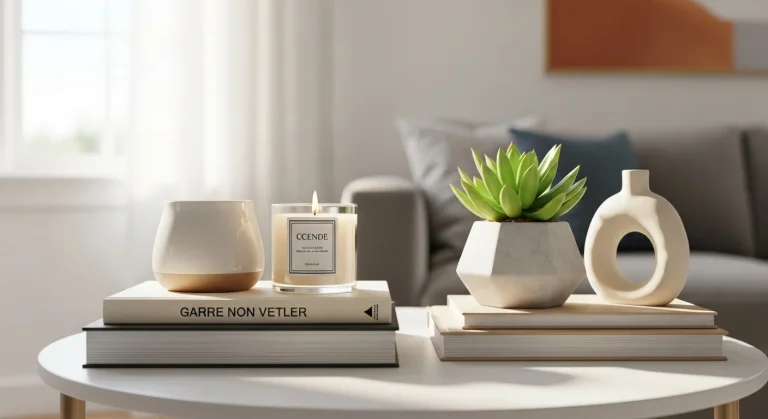
Embrace Imperfection: 13 Wabi Sabi Home Decor Essentials for a Serene Sanctuary

The ancient Japanese philosophy of Wabi Sabi invites us to find profound beauty in imperfection, transience, and the natural cycles of growth and decay. In a world often obsessed with flawless finishes, symmetrical designs, and constant newness, Wabi Sabi offers a refreshing and much-needed antidote. It encourages us to slow down, appreciate the subtle elegance of the ordinary, and cultivate a deep sense of peace within our living spaces. This thoughtful aesthetic champions humility, simplicity, and the unique stories that age and wear can tell.
Transforming your home into a Wabi Sabi sanctuary isn’t about rigid rules or expensive overhauls; it’s about shifting your perspective and embracing authenticity. It’s about surrounding yourself with objects that possess character, soul, and a connection to the natural world. This article will guide you through 13 essential Wabi Sabi home decor elements, each capable of bringing a sense of calm, warmth, and genuine beauty into your environment. Prepare to discover how embracing the imperfect can lead to a perfectly serene and deeply personal home.
1. Hand-Thrown Ceramic Pottery
Hand-thrown ceramic pottery perfectly embodies the Wabi Sabi ethos, celebrating the unique touch of the artisan and the inherent beauty of imperfection. Each piece, with its slight irregularities, visible tool marks, and organic forms, tells a story of its creation. These unique qualities are not flaws, but rather expressions of authenticity and the human element, adding warmth and personality to any room. Their earthy tones and raw textures connect your space directly to nature and craftsmanship, fostering a sense of grounding.
Integrating handmade ceramics into your decor is wonderfully versatile, suitable for various functional and decorative purposes. Use them as minimalist vases for a single dried bloom, as functional dinnerware that elevates everyday meals, or simply as sculptural objects arranged on a shelf. The subtle variations in glaze, texture, and shape ensure that no two pieces are exactly alike, inviting a moment of quiet contemplation and appreciation for their humble artistry. They infuse your home with an artisanal spirit that machine-made perfection can never replicate.

Celebrate the unique imperfections of hand-thrown pottery, bringing a soulful, artisanal touch to any corner of your Wabi Sabi home.
2. Linen Textiles
Linen, with its natural wrinkles and soft, inviting texture, is a cornerstone of Wabi Sabi interior design, offering an unparalleled sense of relaxed elegance. Unlike crisp, pressed fabrics, linen’s charm lies in its inherent tendency to wrinkle, which beautifully conveys a lived-in, unpretentious aesthetic. Its subtle variations in weave and tone reflect the raw beauty of natural fibers, adding depth and authenticity to your space. This breathable and sustainable fabric drapes beautifully, creating an atmosphere of effortless comfort and understated luxury.
From flowing curtains that gently filter sunlight to soft bedding that invites restful slumber, linen textiles bring an organic, calming presence to any room. Incorporate linen throws on a sofa, tablecloths for a rustic dining experience, or cushions that add tactile warmth. The fabric’s muted, natural color palette — think soft whites, beiges, muted greys, and gentle earth tones — seamlessly blends with the Wabi Sabi philosophy. Linen embraces transience; it softens and becomes more beautiful with age, symbolizing the enduring charm of imperfection and continuous use.

The gentle drape and lived-in texture of linen textiles perfectly embody Wabi Sabi’s understated elegance and comfort.
3. Reclaimed Wood Furniture
Reclaimed wood furniture brings a profound sense of history, character, and grounded beauty into a Wabi Sabi home, embodying the philosophy’s appreciation for age and story. Each plank of wood, repurposed from old barns, factories, or ships, carries visible grains, knots, and unique marks of its past life. These natural imperfections are celebrated, adding a rich patina and depth that new, flawless wood simply cannot replicate. Opting for reclaimed wood is also an environmentally conscious choice, promoting sustainability and reducing waste.
Incorporating reclaimed wood pieces, whether it’s a dining table, a coffee table, or a console, instantly infuses a space with warmth and a connection to nature. The natural variations in color and texture make each piece truly one-of-a-kind, serving as a focal point that grounds the room. Pair these rustic elements with soft, natural textiles and simple ceramics to create a harmonious and inviting atmosphere. Reclaimed wood furniture invites you to appreciate the beauty of enduring materials and the stories they silently tell.

Reclaimed wood furniture tells a story, bringing warmth, history, and a touch of grounded nature into your authentic Wabi Sabi home.
4. Imperfect Clay or Stone Vases
Imperfect clay or stone vases are quintessential Wabi Sabi decor items, celebrating the raw, unrefined beauty of natural materials and organic forms. Unlike mass-produced, perfectly symmetrical vessels, these vases feature subtle irregularities, rough textures, and often asymmetrical shapes that highlight their handmade origins. Their earthy tones and matte finishes connect directly to the earth, creating a sense of calm and authenticity within any interior. These pieces embrace the idea that true beauty often lies in what is unique and unpolished.
These humble yet impactful pieces serve as ideal vessels for simple botanical arrangements, or they can stand alone as sculptural objects. Place a single dried branch, a few wildflowers, or just a small cluster of greenery in one to create a striking yet understated focal point. The weight and texture of stone or unglazed clay provide a grounding presence, inviting tactile interaction and contemplation. Their enduring appeal lies in their timeless simplicity and honest materiality, proving that decor doesn’t need to be flashy to be profoundly beautiful.

The raw beauty of an imperfect clay vase, showcasing texture and form in its most authentic state, perfect for Wabi Sabi aesthetics.
5. Dried Botanical Arrangements
Dried botanical arrangements beautifully encapsulate the Wabi Sabi principle of appreciating transience and the natural cycle of life, growth, and decay. Instead of vibrant, fleeting fresh flowers, dried botanicals offer a different kind of beauty—one that is enduring, understated, and rich in texture. Their muted colors and delicate forms evoke a sense of calm and nostalgia, providing a gentle reminder of nature’s ever-changing but persistent presence. They represent the quiet elegance found in what has been, rather than what is yet to come.
From delicate pampas grass and eucalyptus to preserved hydrangeas or simple foraged branches, dried arrangements add an organic, airy texture to any space without demanding constant attention. Place them in a simple ceramic or glass vase on a mantelpiece, a side table, or as a centerpiece to infuse your home with a subtle, natural artistry. Their ability to last indefinitely makes them a sustainable and low-maintenance choice for those seeking lasting beauty. They invite a moment of quiet reflection, honoring the beauty that persists beyond the bloom.

Embrace the gentle beauty of transience with dried botanicals, offering enduring elegance and subtle texture to your Wabi Sabi space.
6. Hand-Woven Natural Fiber Rugs
Hand-woven natural fiber rugs, crafted from materials like jute, wool, or sisal, are essential for grounding a Wabi Sabi interior with their organic textures and earthy appeal. These rugs often feature slight irregularities in their weave and color, which are celebrated as marks of their handmade origin and natural composition. They introduce a tactile dimension to the floor, adding warmth and a sense of connection to the earth beneath your feet. Such rugs bring a comforting, unpretentious elegance that perfectly complements a minimalist aesthetic.
Beyond their aesthetic appeal, natural fiber rugs are durable and sustainable, making them a practical and environmentally conscious choice for any home. Their neutral palettes—ranging from sandy beiges to rich browns and muted greys—provide a versatile foundation for any room, enhancing other Wabi Sabi elements without overpowering them. Whether placed under a dining table, in a living room, or beside a bed, these rugs create a cohesive and inviting atmosphere. They invite you to appreciate the simple yet profound beauty of materials in their rawest, most authentic form.

Ground your space with the organic texture and authentic feel of a hand-woven natural fiber rug, a Wabi Sabi essential.
7. Kintsugi-Inspired Decor
Kintsugi, the Japanese art of repairing broken pottery with lacquer dusted or mixed with powdered gold, silver, or platinum, is perhaps the ultimate expression of Wabi Sabi. This philosophy celebrates breakage and repair as part of an object’s history, highlighting flaws rather than hiding them. Kintsugi-inspired decor brings this powerful concept into your home, transforming perceived imperfections into unique marks of beauty, resilience, and storytelling. It encourages us to find aesthetic value in wear, tear, and the passage of time.
While true Kintsugi can be a specialized art form, you can find decor items that visually evoke its principles, or even mend your own broken pieces using DIY Kintsugi kits. Imagine a bowl with golden veins tracing its past fractures, or an art piece that incorporates visible mends as part of its design. These items serve as powerful reminders that imperfections do not diminish value; instead, they add character, depth, and a unique narrative. Kintsugi-inspired pieces foster a deeper appreciation for an object’s journey and its enduring beauty, making them incredibly meaningful additions to a Wabi Sabi home.

Kintsugi-inspired pieces teach us to embrace flaws, transforming breakage into a unique mark of beauty and resilience in Wabi Sabi design.
8. Stone or Concrete Accents
Stone and concrete accents introduce a powerful, elemental presence into a Wabi Sabi home, embodying raw honesty and a timeless connection to nature. These materials, often left unpolished and unrefined, showcase their inherent textures, subtle variations, and natural robustness. The cool, weighty solidity of stone or concrete grounds a space, creating a sense of permanence and understated sophistication. They serve as a stark yet harmonious contrast to softer textiles and warmer woods, adding depth and visual interest.
Consider incorporating small concrete planters for your greenery, a polished river stone as a decorative object, or even a sleek concrete tray to organize small items. These accents bring an industrial-organic touch that feels both modern and ancient, reflecting Wabi Sabi’s appreciation for materials in their unaltered state. Their minimalist aesthetic allows other elements to shine while providing a strong, silent foundation. Stone and concrete pieces encourage us to appreciate the beauty of simplicity and the enduring strength found in natural elements.

Add a grounding, elemental touch with raw stone or concrete accents, celebrating natural form and texture in your Wabi Sabi decor.
9. Minimalist Wall Art
Minimalist wall art with abstract or organic forms perfectly complements the Wabi Sabi aesthetic, focusing on subtlety, mood, and quiet contemplation rather than overt statements. This art often features muted color palettes—earth tones, soft greys, and faded blues—and simple compositions that invite the viewer to interpret rather than just observe. The emphasis is on texture, gentle lines, and evocative shapes that connect to nature’s inherent beauty, even in abstraction. It creates a calming backdrop without overwhelming the senses.
Look for pieces that use natural materials like linen or cotton canvas, subtle brushstrokes, or simple, raw wood frames. Abstract landscapes, organic forms reminiscent of geological formations, or ink washes with gentle gradients are ideal choices. Hanging a single, impactful yet understated piece can transform a plain wall into a focal point of quiet beauty. This type of art allows the space to breathe and encourages a sense of tranquility, reflecting Wabi Sabi’s call for simplicity and an appreciation for the profound in the ordinary.

Subtle and serene, minimalist wall art with organic forms complements the quiet beauty of a Wabi Sabi interior, inviting calm reflection.
10. Baskets and Storage from Natural Fibers
Baskets and storage solutions crafted from natural fibers like willow, rattan, seagrass, or jute are indispensable in a Wabi Sabi home, blending practical utility with organic beauty. These handcrafted pieces introduce a rich, inviting texture and warmth while also serving a crucial role in maintaining a decluttered, serene environment. Their natural variations in weave, color, and form celebrate the uniqueness of natural materials and the artisan’s touch, avoiding the uniformity of mass-produced plastic alternatives. They embody a simple, unpretentious elegance that aligns perfectly with Wabi Sabi principles.
From large floor baskets holding throw blankets or magazines to smaller ones organizing pantry items or bathroom essentials, natural fiber baskets help to keep a space tidy without sacrificing aesthetic appeal. They seamlessly integrate into any room, adding a layer of tactile interest and an earthy charm. Choosing handmade options further enhances the Wabi Sabi feel, as each basket carries its own minor imperfections and individual character. These pieces are not just storage; they are decorative elements that contribute to a holistic sense of calm and natural order in your home.

Natural fiber baskets offer both practical storage and charming textural elements, blending seamlessly into Wabi Sabi aesthetics.
11. Imperfectly Potted Greenery
Even the way you display greenery can align with Wabi Sabi principles by embracing the charm of imperfection in potted plants. Instead of striving for perfectly manicured specimens in pristine pots, Wabi Sabi encourages a more natural, authentic approach. This might mean allowing a plant to grow slightly wild, showcasing a visible root or a slightly yellowed leaf, or potting it in a ceramic container with a visible chip or unpolished finish. It’s about celebrating life’s natural growth, including its quirks and fleeting moments.
Choose plants with interesting textures or organic shapes, and pair them with simple, unglazed terracotta, concrete, or handmade ceramic pots. A slightly aged pot with a visible patina or a tiny crack adds character, telling a story of use and time. The visible soil, the uneven growth, or the slightly imperfect form of a leaf all become points of quiet beauty, connecting your indoor space directly to the unrefined honesty of nature. This approach to greenery reminds us that true beauty thrives beyond rigid control, finding its elegance in natural evolution.

Embrace the organic beauty of imperfectly potted greenery, celebrating life and growth in its most natural and unpretentious form.
12. Japanese-Inspired Low Furniture
Japanese-inspired low furniture profoundly contributes to a Wabi Sabi aesthetic by encouraging a grounded perspective and a deep sense of calm. Think floor cushions, low-slung coffee tables, and simple platform beds that bring the eye closer to the earth. This design choice fosters an intimate connection with the floor and the physical space, promoting a more mindful way of living and interacting with your environment. It reduces visual clutter and creates an expansive feeling, even in smaller rooms, by lowering the overall height of objects.
Integrating low furniture instantly instills a serene, contemplative atmosphere, reminiscent of traditional Japanese homes. It encourages a more relaxed posture, inviting moments of stillness and quiet reflection. Materials typically used are natural woods, bamboo, or simple fabrics like linen or cotton for cushions. The simplicity of form and functionality of these pieces align perfectly with Wabi Sabi’s emphasis on minimalism and purpose. Low furniture helps to create a sanctuary where one can truly unwind and feel connected to the present moment.

Low-slung furniture fosters a connection to the earth, creating an intimate and grounded sense of peace in your Wabi Sabi space.
13. Natural Wood Branches or Found Objects
Bringing natural wood branches or thoughtfully chosen found objects into your home is perhaps the most direct and authentic way to embrace the raw, unrefined beauty of Wabi Sabi. These elements are not manufactured; they are gifts from nature, bearing the unique marks of their journey—weathering, knots, subtle curves, or interesting textures. They represent the ultimate acceptance of things as they are, celebrating the beauty found in their untouched, imperfect state. Each piece brings a story of the outdoors in, fostering a direct connection to the natural world’s gentle impermanence.
A single, artfully curved branch propped in a simple floor vase can become a striking sculptural element, drawing the eye with its organic form and understated elegance. A collection of smooth river stones, a uniquely shaped piece of driftwood, or even a naturally weathered piece of bark can add tactile interest and a sense of grounding. These elements are free, yet profoundly valuable, reminding us that beauty can be found in the simplest, most humble things. They infuse your space with a sense of quiet authenticity and a timeless connection to the rhythms of nature.

Bring the outside in with natural branches or found objects, celebrating the untouched beauty and fleeting perfection of nature in your home.
Conclusion
Embracing Wabi Sabi home decor is not merely about decorating; it’s about cultivating a mindset and a lifestyle that values authenticity, simplicity, and the profound beauty inherent in imperfection. Each of these 13 elements, from the raw touch of hand-thrown pottery to the quiet presence of natural branches, invites a deeper appreciation for the stories that objects tell and the serenity they bring. Your home becomes a true sanctuary, not because it is flawlessly perfect, but precisely because it embraces the beauty of the imperfect, the transient, and the deeply human.
As you embark on your Wabi Sabi journey, remember that it’s about mindful curation and a connection to your personal space. Start small, introduce pieces that resonate with you, and allow your home to evolve organically. By surrounding yourself with items that hold character and reflect the natural world, you create an environment that is not only visually appealing but also deeply soothing to the soul. May your home be a testament to the enduring elegance found in the perfectly imperfect.