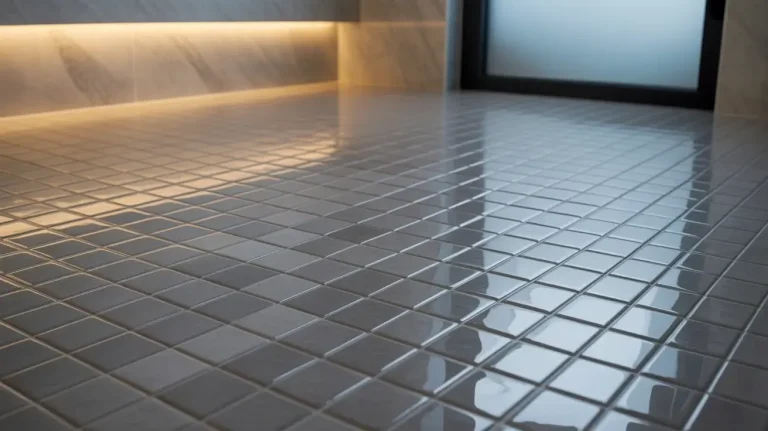
Zen Sanctuary: 17 Japanese Bathroom Decor Ideas to Transform Your Home Oasis

Stepping into a Japanese bathroom is an experience of profound calm and rejuvenation, a true escape from the hustle and bustle of daily life. Japanese design philosophy, rooted in principles of minimalism, nature, and tranquility, offers a unique approach to creating a personal oasis right in your home. It’s about more than just aesthetics; it’s about fostering a sense of peace, cleanliness, and harmony through thoughtful design choices and the strategic use of natural elements.
From the ancient traditions of the ‘ofuro’ soaking tub to the modern elegance of smart technology and serene aesthetics, these ideas will guide you in crafting a bathroom that not only looks beautiful but also nurtures your mind and body. Whether you’re planning a full renovation or simply looking for subtle touches to infuse a sense of Zen, prepare to be inspired by concepts that celebrate simplicity, natural beauty, and ultimate relaxation.
1. The Essential Ofuro Soaking Tub
The cornerstone of many Japanese bathrooms is the Ofuro, a deep, often wooden, soaking tub designed for relaxation rather than washing. Unlike standard bathtubs, an Ofuro allows you to immerse yourself fully, with the water reaching your shoulders, providing a truly therapeutic experience. Crafted traditionally from aromatic woods like hinoki cypress, it infuses the bathroom with a soothing natural scent, enhancing the overall sensory experience and promoting deep calm.
Embracing an Ofuro tub means adopting a ritual of mindful bathing, where cleansing happens beforehand, leaving the tub purely for unwinding and meditation. Consider its placement to maximize space and create a focal point, perhaps near a window overlooking a garden or within a dedicated wet room. This element alone can transform your ordinary bathroom into a serene spa-like retreat, inviting daily moments of peace.

Immerse yourself in serenity with a traditional deep Ofuro soaking tub, the heart of Japanese relaxation.
2. Serene Shoji Screen Dividers
Shoji screens are iconic Japanese elements that bring both functionality and an ethereal beauty to any space. In a bathroom, they can be used ingeniously as room dividers, partition walls, or even cabinet fronts, offering a delicate sense of privacy without completely blocking light or air. Their translucent paper panels (often modern acrylic for durability) diffuses light softly, creating a gentle, ambient glow that contributes to a peaceful atmosphere.
Beyond their practical use, shoji screens introduce architectural interest and a strong visual connection to traditional Japanese aesthetics. The clean lines and natural wood frames complement a minimalist decor beautifully, adding texture and warmth. They are perfect for separating a toilet area, creating a private changing space, or simply enhancing the overall Zen appeal of your bathroom design.
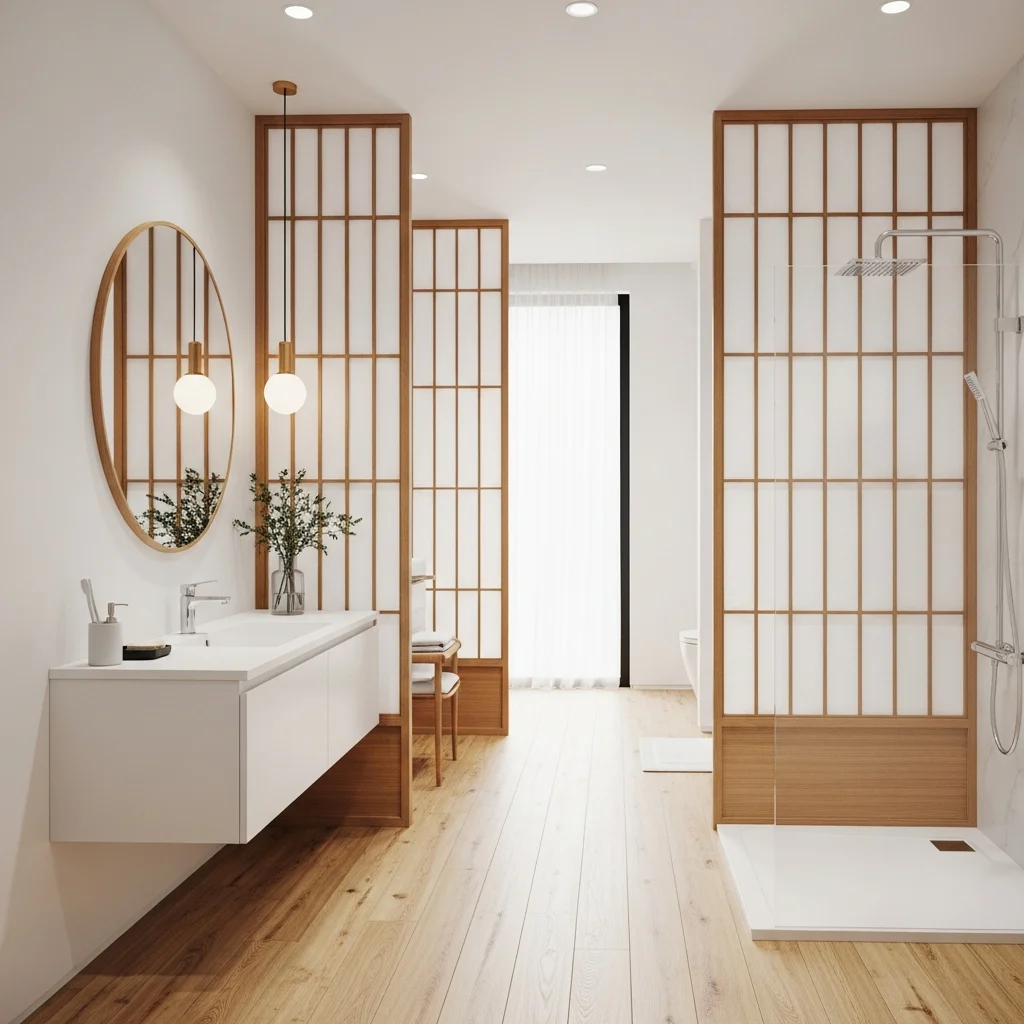
Shoji screens provide elegant privacy and diffuse light beautifully, enhancing the serene aesthetic.
3. The Art of Minimalist Design
Minimalism is at the core of Japanese design, emphasizing clean lines, uncluttered spaces, and purposeful functionality. In the bathroom, this translates to a focus on essential elements, free from excessive ornamentation or visual noise. Every item should have a place and a purpose, contributing to an overall sense of calm and order. The absence of clutter allows the eyes to rest and the mind to unwind.
Achieving a minimalist Japanese bathroom means prioritizing storage solutions that keep items out of sight, selecting sleek fixtures, and maintaining a cohesive, neutral color palette. This approach doesn’t mean sacrificing comfort or style; rather, it elevates the quality and impact of chosen pieces. Embrace negative space and let the architectural elements and natural materials speak for themselves, fostering a truly restorative environment.

Embrace the tranquility of minimalism: clean lines, uncluttered surfaces, and purposeful design create a serene retreat.
4. Integrating Natural Materials (Wood & Stone)
Bringing the essence of nature indoors is a hallmark of Japanese decor, and nowhere is this more impactful than in the bathroom through the use of wood and stone. Warm wood elements, whether in a ceiling slat design, a vanity, or a traditional hinoki tub, introduce organic texture and a soothing aesthetic. Paired with natural stone, like polished river pebbles on the shower floor or smooth granite countertops, these materials ground the space and connect it to the natural world.
These materials are not only beautiful but also durable and timeless, aging gracefully and adding character over time. Think about incorporating a wooden stool, bamboo accents, or stone-look tiles for walls and floors. The tactile qualities and earthy tones of wood and stone create a calming, grounding effect, transforming your bathroom into a natural sanctuary that feels both luxurious and authentic.

Natural wood and stone elements create a grounded, organic feel, connecting your bathroom to nature’s tranquility.
5. Thoughtful Bamboo Accents
Bamboo, a symbol of strength and flexibility in Japanese culture, is an excellent material for adding subtle yet impactful accents to your bathroom. Its natural texture and light color bring an organic warmth and a touch of the outdoors in. Consider a bamboo bath mat for a soft, quick-drying surface underfoot, or a small bamboo stool next to the tub for holding essentials or simply for its aesthetic appeal.
Beyond functional items, decorative bamboo elements like a slender bamboo ladder for towels, a framed piece of bamboo art, or even live bamboo plants in minimalist pots can enhance the Zen ambiance. These touches are inexpensive yet effective ways to introduce natural elements and infuse your space with a distinctive Japanese character. Bamboo’s inherent simplicity aligns perfectly with a minimalist aesthetic.

Introduce natural elegance with bamboo accents – from bath mats to decorative ladders, adding warmth and texture.
6. Miniature Zen Garden Elements
You don’t need a large outdoor space to incorporate the calming principles of a Zen garden into your bathroom. Small-scale Zen garden elements can be incredibly effective in promoting mindfulness and visual serenity. A tiny tray filled with fine sand and a miniature rake, accompanied by a few carefully placed smooth pebbles, creates a meditative focal point on a shelf or vanity.
Consider adding a small, low-maintenance succulent or a miniature bonsai tree to complete the ensemble. These elements encourage a moment of quiet contemplation and bring a touch of living nature indoors in a controlled, artistic manner. The act of raking the sand can be a meditative practice in itself, inviting a sense of calm and order into your daily routine.

Create a calming focal point with miniature Zen garden elements, inviting mindfulness into your space.
7. Embracing Wabi-Sabi Aesthetics
Wabi-Sabi is a profound Japanese aesthetic principle that finds beauty in imperfection, transience, and natural aging. In bathroom decor, this translates to celebrating authentic materials, handcrafted items, and elements that show their history. Instead of striving for sterile perfection, embrace the subtle cracks in a ceramic basin, the natural grain of weathered wood, or the uneven texture of handmade tiles.
This philosophy encourages a deep appreciation for the unique character of each object and the natural processes of decay and renewal. It means selecting items that feel organic and less mass-produced, valuing warmth and individuality over pristine newness. Incorporating Wabi-Sabi can make your bathroom feel deeply personal, soulful, and genuinely connected to the natural world, moving away from harsh, artificial perfection.

Find beauty in imperfection with Wabi-Sabi, celebrating authentic materials and natural elegance.
8. Soothing Color Palette
The Japanese aesthetic often relies on a serene and earthy color palette that promotes relaxation and harmony. Think about soft neutrals like warm whites, muted grays, and natural beiges as your base colors for walls and large surfaces. These colors create a tranquil backdrop that allows natural materials and subtle accents to stand out without overwhelming the senses.
Introduce gentle pops of color through muted greens, inspired by lush bamboo or moss, or soft blues reminiscent of water. These colors should be calming and reflective of nature, avoiding anything too bright or jarring. A cohesive, understated color scheme is crucial for creating a bathroom that feels like a peaceful retreat, encouraging a sense of stillness and contemplation.

A soothing color palette of neutrals and earthy tones creates a calm, harmonious backdrop for relaxation.
9. Advanced Smart Toilets (Washlets)
Modern Japanese bathrooms are renowned for their integration of advanced technology, particularly the smart toilet, or ‘washlet.’ These sophisticated fixtures offer a luxurious level of hygiene and comfort, featuring functions like bidet washing, heated seats, automatic lids, air dryers, and even deodorizers. Once experienced, many find it hard to go back to a standard toilet.
While an investment, a smart toilet significantly upgrades the functionality and experience of your bathroom, aligning with the Japanese emphasis on cleanliness and efficiency. Its sleek, often tankless design also contributes to a minimalist aesthetic, reducing visual clutter. Integrating a washlet is a definitive step towards creating a truly authentic and high-tech Japanese bathroom sanctuary.

Experience ultimate hygiene and comfort with a sleek, modern smart toilet (washlet), a hallmark of Japanese innovation.
10. Tatami Mat Inspired Elements
While traditional tatami mats are typically used in dry rooms, their distinct texture and comforting feel can inspire elements in a Japanese bathroom, particularly in a dry changing area or as a stylistic nod. Consider a durable, water-resistant mat with a woven texture similar to tatami for a designated space outside the main wet zone. This can provide a warm, soft landing spot after a bath or shower.
Alternatively, you can incorporate the tatami aesthetic through woven textures in accessories like storage baskets or even through large-format tiles that mimic the woven appearance. This brings a subtle cultural reference and adds tactile interest. The clean, geometric lines often associated with tatami also align beautifully with minimalist design principles, contributing to a cohesive Japanese theme.

Integrate the comforting texture of tatami mats in dry zones for an authentic touch of Japanese warmth.
11. Onsen-Inspired Shower Experience
Emulating the natural hot springs (onsen) of Japan, an onsen-inspired shower focuses on creating a deeply invigorating and sensory experience. This often involves a spacious, open-concept shower area, possibly a ‘wet room’ design with seamless flooring and drainage. A large rainfall showerhead provides a drenching, soothing cascade of water, reminiscent of natural waterfalls.
Incorporate a low wooden stool and a small wooden bucket, traditional items used for washing before entering an onsen or ofuro. Natural stone textures on the walls or floor, combined with soft, indirect lighting, further enhance the feeling of being in a natural spring. This design prioritizes functionality and sensory pleasure, making your daily shower a moment of pure rejuvenation.
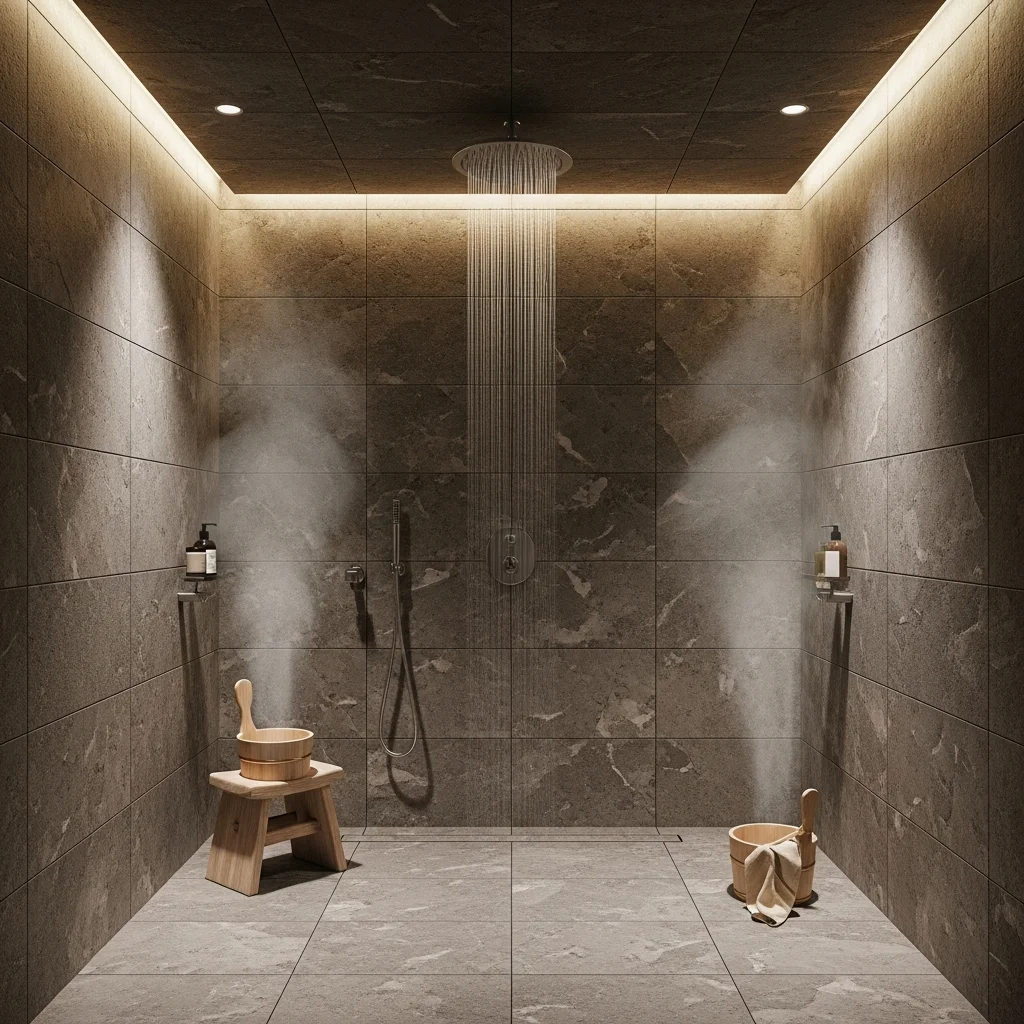
Transform your daily cleanse into an Onsen-inspired ritual with a spacious shower, rainfall head, and natural elements.
12. Elegant Floating Vanities
Floating vanities are a popular choice in Japanese-inspired bathrooms due to their clean lines and ability to create a sense of lightness and spaciousness. By mounting the vanity directly to the wall with no visible support underneath, it frees up floor space, making the room appear larger and more open. This aligns perfectly with the minimalist aesthetic, reducing visual bulk and promoting an uncluttered feel.
Opt for a sleek design in natural wood tones or a pristine white finish to maintain the serene ambiance. Integrate discreet drawers or cubbies for essential storage, ensuring that the countertop remains clear and tidy. The elegance and functional simplicity of a floating vanity contribute significantly to the overall Zen-like tranquility of the bathroom, embodying modern Japanese sophistication.

A floating vanity adds a touch of modern elegance, enhancing spaciousness and maintaining minimalist appeal.
13. Thoughtful and Subtle Lighting
Lighting plays a crucial role in setting the mood of a Japanese bathroom, favoring soft, indirect illumination over harsh overhead brightness. Think about layered lighting that can be adjusted to suit different times of day and activities. Recessed ceiling lights, LED strips hidden along coves or under vanities, and wall sconces that cast a gentle glow are ideal choices.
Avoid overly bright or cold white lights, opting instead for warm, amber-toned bulbs that mimic natural daylight or candlelight. Consider dimmer switches to create a truly customizable ambiance, perfect for evening soaks in the Ofuro. Thoughtful lighting enhances the serene atmosphere, making the space feel calm, inviting, and deeply relaxing, contributing to the overall sense of tranquility.

Subtle, warm, and indirect lighting creates a serene and inviting atmosphere perfect for relaxation.
14. Aromatherapy and Scent Diffusers
Engaging the sense of smell is vital for creating a truly immersive and relaxing Japanese bathroom experience. Incorporate aromatherapy elements through essential oil diffusers that disperse calming scents like hinoki cypress, sandalwood, lavender, or yuzu. These natural aromas can significantly enhance the therapeutic effects of a warm bath or shower, promoting deeper relaxation and mental clarity.
Beyond diffusers, consider natural incense or even small sachets of dried herbs placed discreetly around the room. The goal is to create a subtle, pleasing scent that complements the visual and tactile elements of the space. A carefully chosen fragrance can transport you to a peaceful state, completing the sensory journey of your Japanese-inspired sanctuary.

Elevate your sensory experience with aromatherapy and natural scent diffusers for ultimate relaxation.
15. Elegant Ikebana Floral Arrangements
Ikebana, the traditional Japanese art of flower arrangement, emphasizes simplicity, asymmetry, and negative space, making it a perfect complement to a minimalist bathroom. Unlike dense Western bouquets, Ikebana focuses on the lines, shapes, and forms of individual stems and branches. A single, gracefully curved branch or a few carefully selected flowers can make a profound statement.
Choose simple, unglazed ceramic or stone vessels that allow the arrangement itself to be the focal point. Place your Ikebana on a vanity, a shelf, or a window sill where it can be admired without creating clutter. This artistic touch introduces a delicate organic beauty and a living element, embodying the Zen principle of finding beauty in simplicity and natural forms.
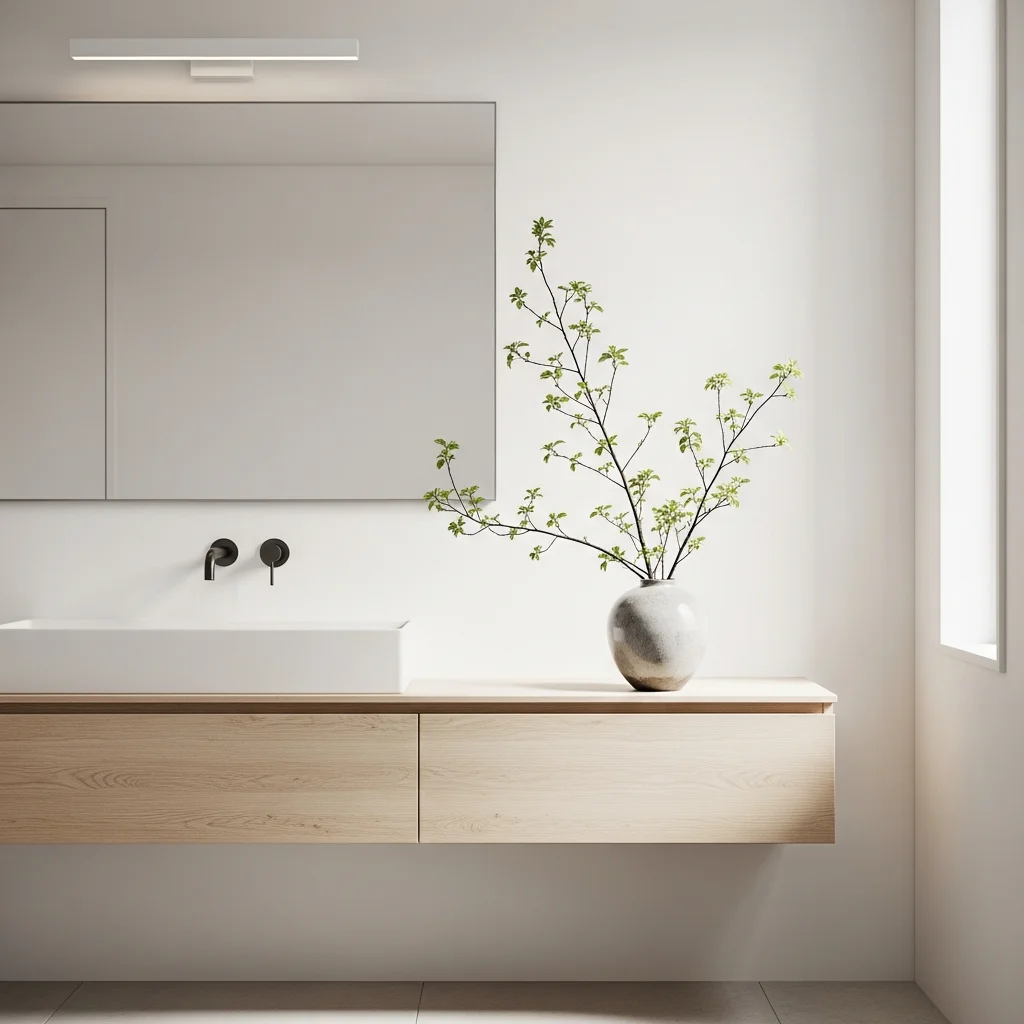
An elegant Ikebana arrangement brings natural artistry and minimalist beauty to your bathroom.
16. Luxurious Towel Warmers
While perhaps not strictly traditional, a towel warmer perfectly aligns with the Japanese pursuit of comfort and understated luxury. Stepping out of a warm bath or shower into a pre-heated, fluffy towel adds an immediate layer of indulgence and coziness. It’s a small detail that makes a significant impact on the overall bathing experience, elevating a simple necessity into a moment of pure bliss.
Opt for a sleek, wall-mounted electric towel warmer in a minimalist design, perhaps in brushed chrome or a dark matte finish, to blend seamlessly with your Japanese aesthetic. Beyond the luxury, towel warmers also help to keep towels dry and fresh, contributing to a consistently clean and hygienic environment. This practical addition enhances daily comfort and promotes a spa-like feel.

Indulge in understated luxury with a sleek towel warmer, ensuring warmth and comfort after every bath.
17. Strategic Mirror Placement
Mirrors are not just functional in a Japanese bathroom; they are strategic elements used to enhance space, reflect natural light, and even bring in views from outside. A large, frameless mirror above the vanity can make a compact bathroom feel much more expansive, creating an illusion of depth and openness. Its clean edges align perfectly with the minimalist aesthetic.
Consider placing a mirror opposite a window or a beautiful wall feature to reflect and amplify natural light, brightening the entire room. If you have an appealing outdoor view, a strategically placed mirror can bring that vista inside, further connecting the bathroom to nature. The reflective quality of mirrors contributes to the airy, serene atmosphere, adding both functionality and a touch of subtle sophistication.
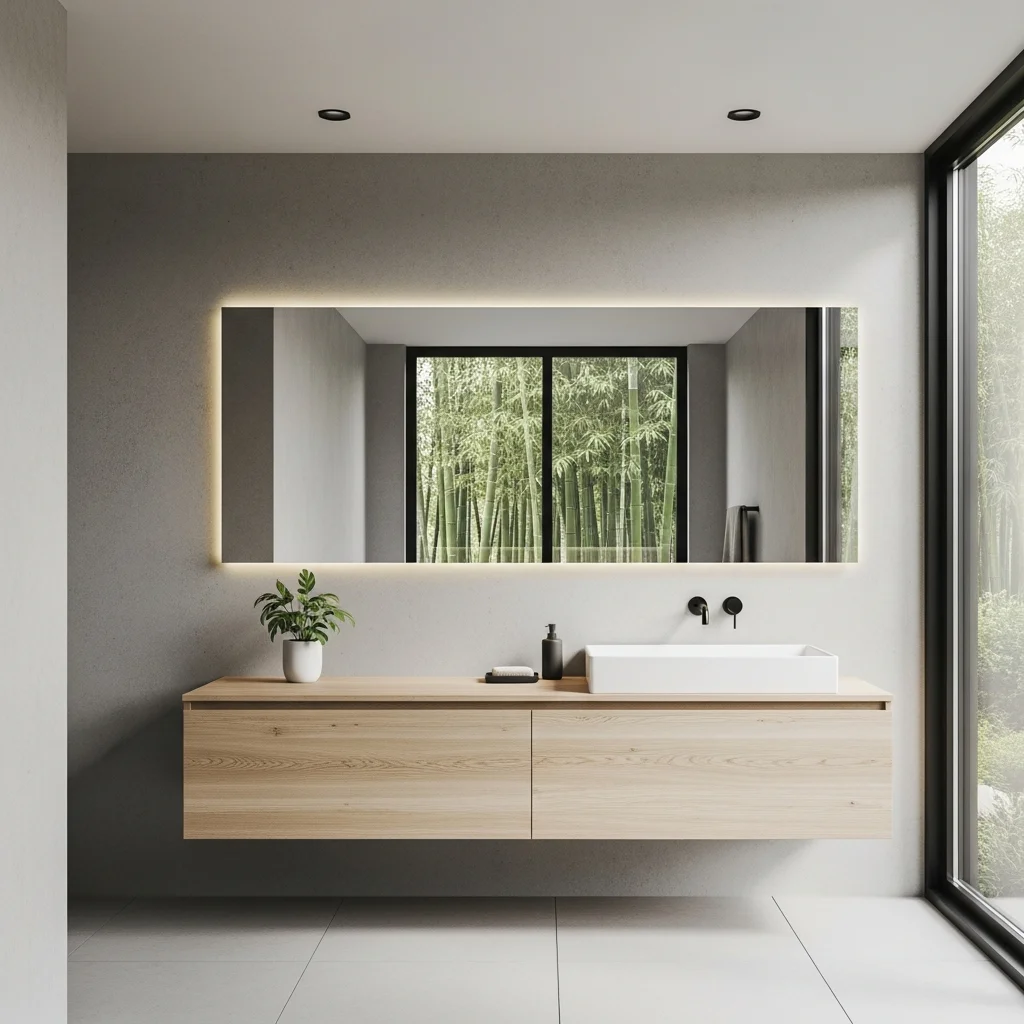
Strategic mirror placement enhances space, amplifies natural light, and beautifully reflects serene views.
Conclusion
Crafting a Japanese-inspired bathroom is an invitation to infuse your daily routine with tranquility, mindfulness, and the profound beauty of minimalist design. By embracing elements like the therapeutic Ofuro tub, natural materials, and the calming influence of Wabi-Sabi, you can transform a functional space into a deeply personal sanctuary. Each thoughtful choice, from the soothing color palette to the delicate floral arrangements, contributes to an atmosphere where peace and rejuvenation flourish.
Remember, the essence of Japanese decor lies not in elaborate ornamentation, but in the harmonious balance of simplicity, natural connections, and purposeful design. Let these 17 ideas inspire you to create a bathroom that is not just aesthetically pleasing but a true haven for your mind, body, and spirit, inviting you to slow down, breathe, and find Zen in your everyday life.