
Unlock Your Open Concept: 17 Genius Living Room Zoning Ideas for Style & Function

Open concept living has transformed modern homes, offering expansive spaces that feel airy and connected. However, the very openness that makes these layouts so appealing can sometimes pose a design challenge: how do you define specific functions without building walls? The key lies in strategic zoning, which allows you to create distinct areas for relaxation, dining, or work within one fluid space. It’s about maintaining that coveted spacious feel while simultaneously introducing organization and purpose to every corner.
If you’ve ever felt like your large living area lacks intimacy or struggles to serve multiple purposes effectively, you’re not alone. The secret to a harmonious open-plan home is to embrace visual cues and clever design tricks that subtly guide the eye and delineate different zones. From innovative furniture arrangements to the smart use of lighting and textures, there are countless ways to infuse structure and charm into your open concept living room. Prepare to transform your sprawling space into a series of inviting, functional, and beautifully defined areas.
1. Define with Area Rugs
One of the most straightforward and effective ways to zone an open concept living room is by strategically placing area rugs. A large, well-chosen rug can instantly anchor a seating arrangement, creating a soft boundary that visually separates the lounge area from the rest of the space. It adds warmth, texture, and a pop of color, making the designated zone feel more intimate and cohesive. Experiment with different sizes and shapes to find the perfect fit for your specific furniture layout and desired definition.
Beyond just aesthetics, area rugs also offer practical benefits, such as noise reduction and comfort underfoot. When selecting a rug, consider its size relative to your furniture; all front legs of major pieces should ideally rest on the rug for a truly defined look. This simple addition can dramatically alter the perception of space, turning a vast open area into clearly purposeful segments without any physical barriers.

A plush area rug effortlessly anchors the living space, creating a cozy island within an open layout.
2. Strategic Furniture Arrangement
The way you position your furniture is paramount in an open concept home. Instead of pushing everything against the walls, float your sofas and chairs to create natural boundaries and pathways. For instance, placing the back of a large sectional sofa towards a dining area instantly creates a visual wall, delineating the two functions without blocking light or flow. This technique works wonders in guiding the eye and establishing distinct zones.
Consider arranging your main seating pieces to face each other or towards a central focal point like a fireplace or media console. This creates a conversational grouping that feels self-contained and inviting. By orienting furniture with intention, you effectively design ‘rooms within a room,’ enhancing both functionality and intimacy in your expansive living space. It’s a powerful design tool that leverages existing pieces to maximum effect.

Floating furniture, like this sectional, smartly carves out a distinct living zone from an open floor plan.
3. Bookshelves or Open Shelving Units
For a more substantial, yet still visually open, division, consider using a tall bookshelf or an open shelving unit. These pieces offer both functionality and aesthetic appeal, providing storage or display space while simultaneously breaking up a large area. An open-back shelf allows light to pass through, maintaining a sense of airiness while still defining a separate zone for reading, working, or simply relaxing away from the main thoroughfare.
This method is particularly effective for creating a cozy reading nook or a home office corner within a larger living space. The shelves can be styled with books, plants, decorative objects, and even art, making them a beautiful design feature in their own right. Choose a unit that complements your existing decor for a harmonious look, ensuring it feels like an intentional part of the design rather than an afterthought.

An open bookshelf elegantly separates a quiet reading nook while allowing light and connection to flow.
4. Half-Walls or Pony Walls
A more architectural approach to zoning involves incorporating a half-wall or ‘pony wall’ into your open concept design. These low-height walls provide a physical barrier that defines spaces without fully enclosing them, preserving the open feel. They are excellent for subtly delineating a formal living room from a more casual family room or a dining area, offering a sense of separation while maintaining sightlines.
Beyond their structural purpose, pony walls can be highly functional. Their top surface can serve as a display ledge for artwork, plants, or decorative items, or even be capped with a countertop material to create a breakfast bar or serving station. They offer a permanent solution that adds character and clear definition to your open layout, enhancing both form and function effortlessly.

A chic half-wall provides subtle separation, maintaining an open feel while defining distinct areas.
5. Console Table Behind a Sofa
Placing a console table directly behind your sofa is a simple yet powerful technique for zoning an open concept space. This piece of furniture acts as a visual break, effectively creating a ‘back’ to your living room seating arrangement and signaling the end of that particular zone. It’s particularly useful when your sofa floats in the middle of a large room, preventing it from looking adrift and unfinished.
Not only does a console table provide a clear demarcation, but it also offers valuable surface area for lamps, books, or decorative accents. This adds to the room’s overall aesthetic and can enhance the functionality of the space by providing extra lighting or a convenient spot for items. Choose a console table that complements your decor style, whether it’s sleek modern, rustic wood, or industrial metal, to elevate the look.
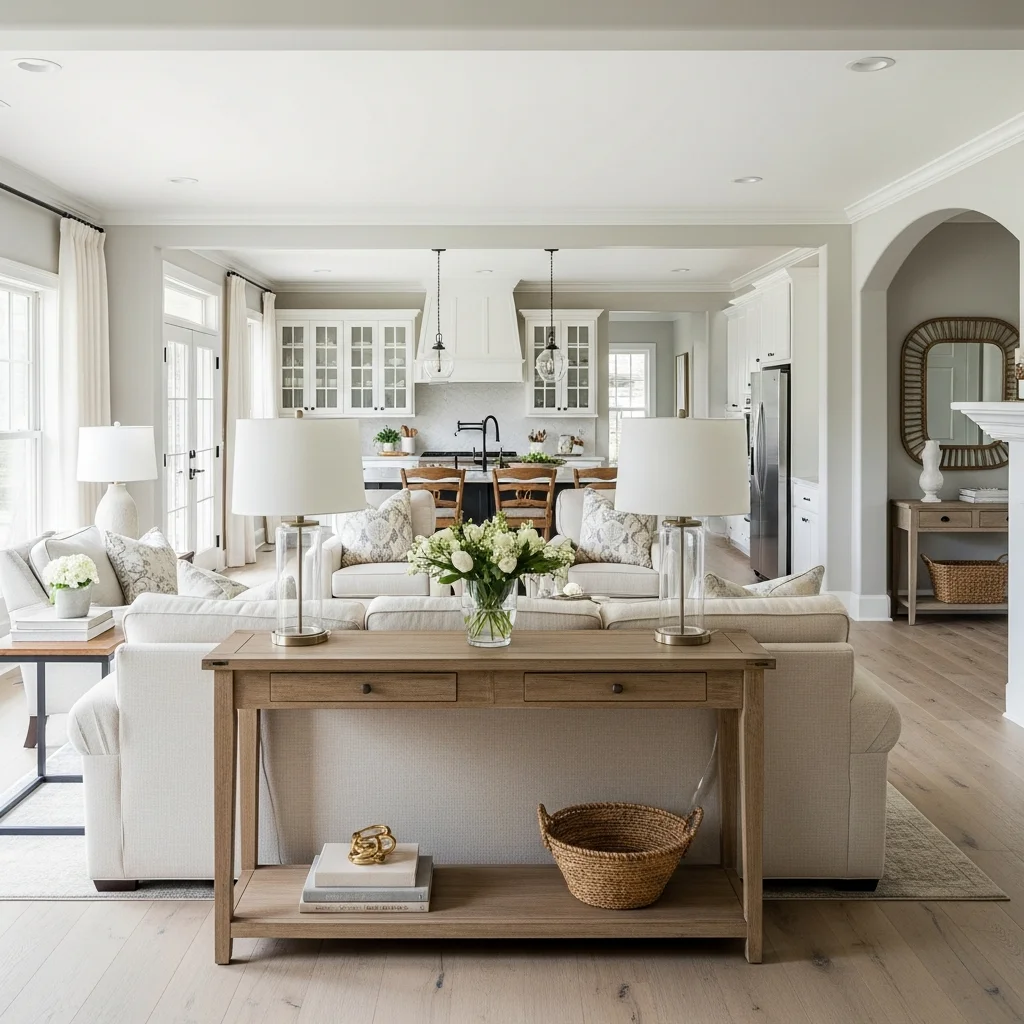
A console table behind the sofa adds definition and function, grounding the living space beautifully.
6. Change in Flooring Material
A more permanent and dramatic way to zone an open concept living room is through a change in flooring material. Imagine a seamless transition from warm hardwood in the living area to cool, durable tile in the kitchen or entryway. This distinct shift in texture and color provides an unmistakable boundary, clearly delineating different functional zones without requiring any walls or physical barriers.
This method works exceptionally well in large, expansive spaces where you want to maintain an airy feel while still providing clear guidance as to each area’s purpose. It also allows for practical considerations, such as choosing easier-to-clean surfaces in high-traffic or spill-prone zones. When done thoughtfully, a change in flooring can be a stunning architectural detail that enhances both the beauty and utility of your open home.

A strategic change in flooring material clearly defines the transition from living room to kitchen.
7. Accent Lighting and Pendant Lights
Lighting plays a crucial role in shaping the perception of space, and in an open concept layout, it can be a powerful zoning tool. Using accent lighting, such as recessed lights with dimmer switches focused on specific areas, or stylish pendant lights suspended over a particular zone, immediately draws the eye and creates an intimate atmosphere for that section. Think a cluster of elegant pendants above a dining table or a striking floor lamp defining a reading corner.
Layering different types of lighting – ambient, task, and accent – allows you to manipulate mood and function within distinct zones. A large, decorative chandelier over the main living room seating area, for instance, can serve as a beautiful focal point that subtly grounds that particular space. This method adds depth and character, making each zoned area feel purposeful and inviting after dark.
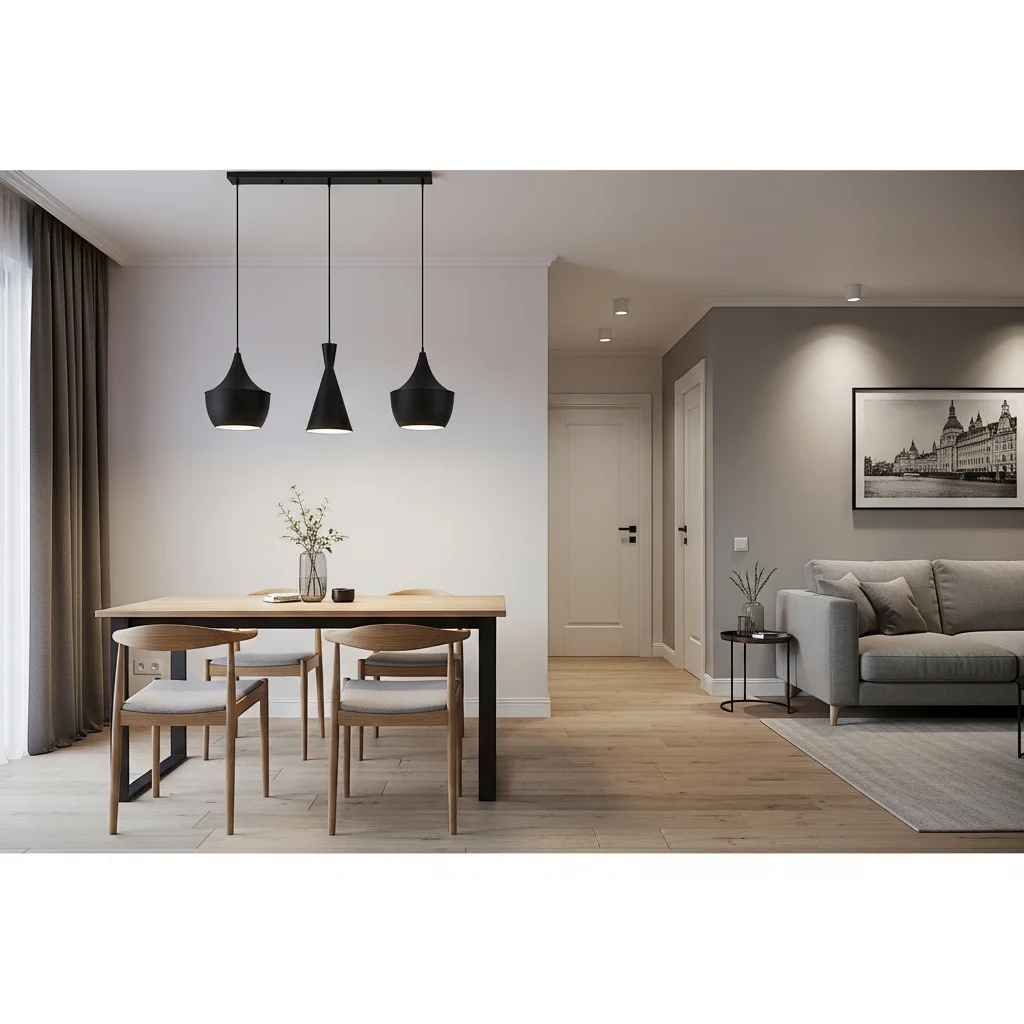
Pendant lights are a brilliant way to visually anchor and define a dining or seating area within an open plan.
8. Raised Platform or Step
For a truly architectural and dramatic approach to zoning, consider incorporating a raised platform or a subtle step to elevate one particular area of your open concept living room. This design element instantly creates a distinct ‘room within a room’ feel, setting a specific zone apart without the need for full walls. It’s an excellent option for a formal sitting area, a home office, or even a designated entertainment space.
While a more significant renovation, a raised platform adds immense character and visual interest to an otherwise flat layout. It can be integrated with built-in seating or shelving, further enhancing its functionality and aesthetic appeal. This method offers a sophisticated way to define spaces, making the elevated area feel special and deliberate, drawing attention to its unique purpose.

A stylish raised platform elevates and clearly defines a sophisticated sitting area within a larger open space.
9. Curtains or Room Dividers (Fabric)
For a flexible and soft approach to zoning, fabric curtains or elegant room dividers offer an excellent solution. Unlike permanent walls, these can be drawn open or closed as needed, providing privacy or an open flow at your discretion. Sheer curtains can offer a subtle division while still allowing light to filter through, maintaining a sense of airiness.
This method is perfect for creating a temporary guest sleeping area, an intimate reading nook, or simply adding a touch of softness and texture to your open layout. They are also relatively easy to install and can be changed to refresh your decor. Choose fabrics that complement your existing color scheme and style, whether you prefer luxurious velvet for drama or light linen for a breezy feel.
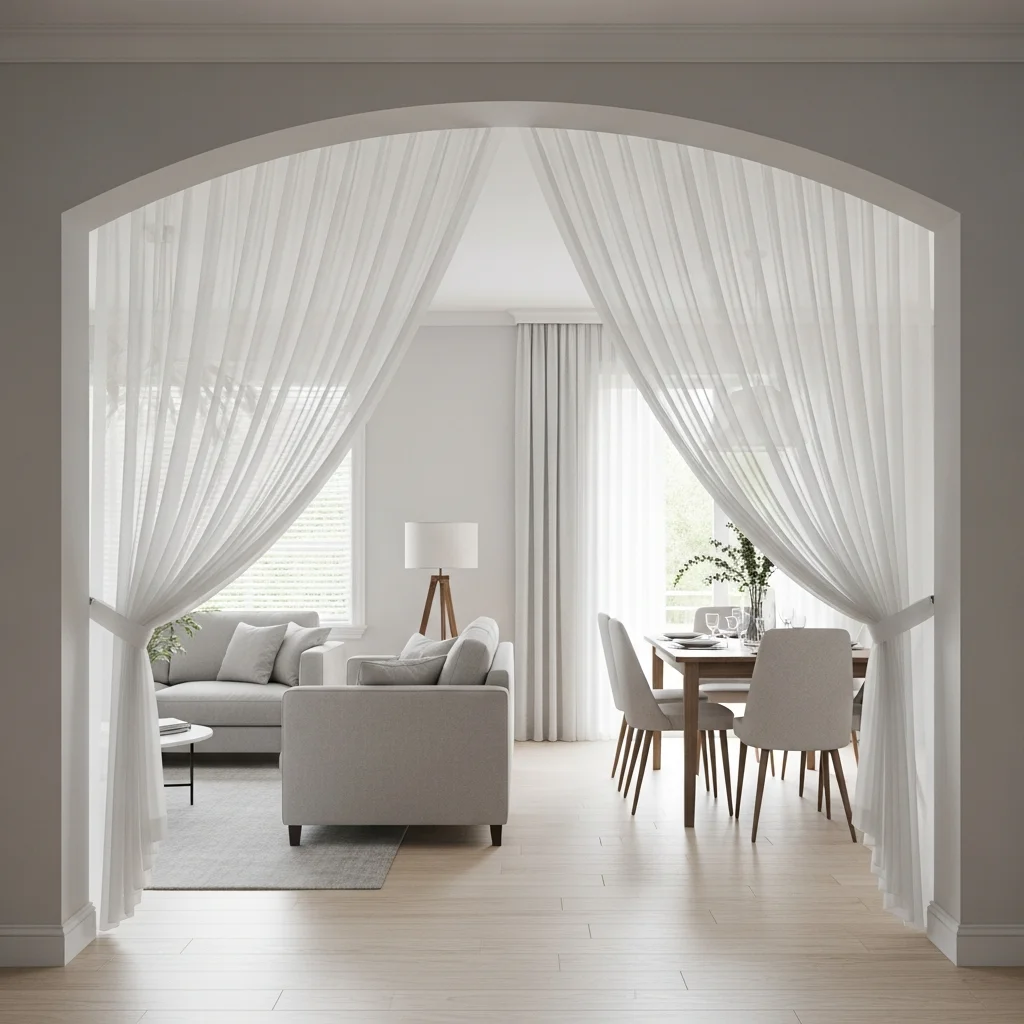
Sheer curtains offer a soft, flexible way to zone a living area, providing intimacy without sacrificing light.
10. Indoor Plants or Vertical Gardens
Bring nature indoors to create stunning and organic zone divisions. Large potted plants, especially tall, leafy varieties like Fiddle Leaf Figs or Bird of Paradise, can act as living screens, subtly separating one area from another. A row of plants or even a small indoor tree can define a boundary while adding freshness, color, and a touch of biophilic design to your space.
For a more structured green division, consider a vertical garden or a series of tall planters. This method not only zones your space beautifully but also improves air quality and adds a vibrant, natural element to your decor. Grouping several plants of varying heights can create an even more effective and visually appealing barrier, making your open concept living room feel more alive and harmonious.

Lush indoor plants create a natural, organic division, bringing life and serenity to open spaces.
11. Feature Wall or Accent Paint
A feature wall or an accent paint color can visually zone an area without any physical barriers. By painting one wall in a distinct color, applying textured wallpaper, or cladding it with wood panels, you immediately draw attention to that specific section of the room. This technique effectively grounds the furniture placed in front of it, making that area feel like a defined zone.
This is particularly effective for highlighting a television wall, a fireplace, or a main seating area. The chosen color or texture should complement the overall palette of your open concept space but be distinct enough to create a clear visual break. It’s a fantastic way to add personality and depth, making the designated zone feel both special and purposeful within the larger layout.

An accent wall creates a strong visual anchor, beautifully defining the living room within an open layout.
12. Fireplace as a Central Anchor
In many open concept homes, a fireplace can naturally serve as a central anchor and a powerful zoning element. If positioned strategically, it can become the focal point around which a specific living or sitting area is arranged. Whether it’s a traditional masonry fireplace or a sleek modern gas insert, its presence naturally draws furniture towards it, creating a defined gathering space.
For even greater zoning effect, consider a double-sided fireplace that can be enjoyed from two different areas, such as the living room and a dining space. This architectural feature not only provides warmth and ambiance but also acts as a beautiful, functional barrier that delineates zones while maintaining connectivity. It’s an investment that significantly enhances both comfort and design.

A double-sided fireplace elegantly anchors and zones two distinct areas, adding warmth and sophistication.
13. Bar Cart or Island Integration
When your living space opens directly into the kitchen or dining area, integrating a stylish bar cart or a kitchen island can act as a fantastic zoning tool. A kitchen island with seating immediately establishes a casual dining or breakfast zone, clearly separating it from the adjacent living room. Similarly, a well-placed bar cart can define an entertainment or lounge area.
These pieces offer both functional utility and a visual break. They create a natural boundary without obstructing views or light, maintaining the fluidity of an open concept. Ensure the style and materials of your bar cart or island complement your overall decor, making it feel like an intentional and seamless part of your home’s design.

A kitchen island with seating smartly integrates dining and living areas while providing clear zoning.
14. Art Installation or Large Artwork
A carefully selected large piece of artwork or a captivating art installation can serve as a powerful zoning element. By hanging a monumental piece above a particular seating arrangement, you draw the eye and visually anchor that space. This creates a focal point that defines the boundaries of that specific zone, making it feel distinct and purposeful within the larger open layout.
This method is particularly effective for defining a cozy reading nook, a conversation area, or even a meditation space. The artwork acts as a visual magnet, drawing attention to its immediate surroundings and subtly communicating the intended function of that area. Choose a piece that resonates with your personal style and complements the overall aesthetic of your home for maximum impact.

A striking large-scale artwork powerfully anchors and defines the main living room seating area.
15. Screen Dividers (Sliding or Folding)
For a more versatile and semi-permanent zoning solution, consider modern screen dividers, whether they are sliding, folding, or even fixed but with open designs. These screens offer a beautiful way to introduce texture, pattern, and privacy without completely isolating a space. They can be particularly effective for carving out a home office, a dedicated media room, or a private lounge area within an open concept.
Sliding screens, often made from wood slats, frosted glass, or metal mesh, can disappear into pockets or glide along tracks, allowing you to open or close the space as desired. Folding screens offer similar flexibility, easily collapsing when not needed. They strike a perfect balance between separation and connection, making them an elegant and functional choice for dynamic living.

Sliding wooden slat screens provide a stylish and flexible way to zone an open concept, balancing privacy with light.
16. Built-in Seating or Benches
Built-in seating or custom benches can be an incredibly effective and aesthetically pleasing way to zone an open concept living room. Whether it’s a window seat, a banquette in a dining nook, or a custom bench forming part of a living room sectional, these integrated elements automatically define the boundaries of a specific area. They offer a permanent solution that maximizes space and streamlines the look.
These custom additions not only provide comfortable seating but also create clear architectural definitions. They can be designed with clever storage solutions underneath, adding to their functionality. Built-ins contribute to a sophisticated, tailored feel, making each zoned area feel thoughtfully designed and perfectly integrated into the overall flow of your home.

Custom built-in seating creates a beautifully defined and functional reading nook within an open plan.
17. Strategic Use of Mirrors
While often used to expand the perception of space, strategically placed mirrors can also subtly contribute to zoning in an open concept living room. A large, ornate mirror hung on a wall in a specific area can act as a visual anchor, much like artwork, drawing the eye and grounding that particular zone. It reflects light and views, but its frame and placement can delineate a distinct section.
Consider placing a large mirror behind a console table in a living area, or on a wall intended to define a small entryway within a larger open space. The mirror provides a sense of depth and brightness, making the zoned area feel more expansive, while its presence on a specific wall clearly marks that section. It’s a clever trick to add both style and subtle definition to your open plan.

A grand mirror strategically placed behind a console table elegantly defines an entry zone within an open layout.
Conclusion
Mastering the art of zoning in an open concept living room is about more than just aesthetics; it’s about enhancing functionality, creating intimacy, and making your large space truly work for you. By employing these 17 clever techniques, you can transform a vast, undefined area into a series of purposeful, inviting, and beautifully designed zones. Whether you opt for subtle distinctions like area rugs and lighting, or more architectural changes like half-walls and raised platforms, each method offers a unique way to infuse structure and charm. Experiment with combinations that suit your lifestyle and decor, and watch as your open concept home becomes a harmonious blend of style, comfort, and intelligent design.


