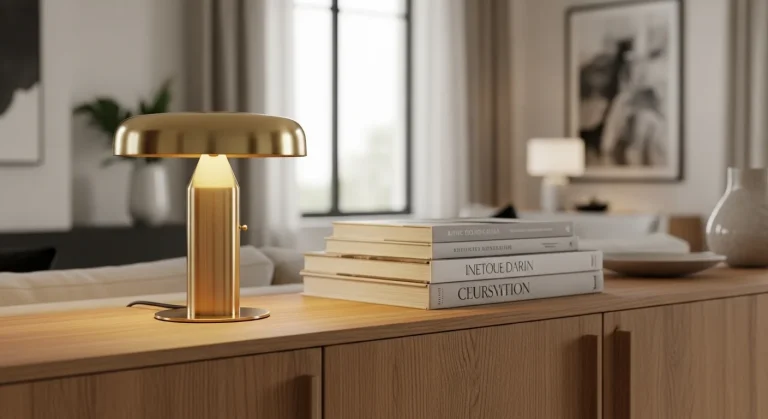
Top 23 Minimalist Small Living Room Ideas for Stylish Living

Small living rooms often present a unique design challenge: how to make them feel spacious, stylish, and functional without overcrowding. The answer lies in the art of minimalism, an aesthetic that prioritizes intentionality and clean lines. Far from being stark or cold, minimalist design for compact spaces is about focusing on thoughtful organization and a serene aesthetic that enhances your daily living experience. It’s about creating a calm retreat where every item serves a purpose and contributes to an overall sense of tranquility and order, allowing even the tiniest living area to exude sophistication and comfort.
Embracing minimalism doesn’t mean sacrificing personality or warmth; it means curating a space that truly reflects your style while optimizing every square inch. From clever storage solutions to strategic furniture placement and a carefully selected color palette, these design principles can utterly transform a cramped room into an airy, inviting haven. We’ve scoured the latest trends and timeless aesthetics to bring you 23 inspiring minimalist small living room ideas that promise to elevate your home. Prepare to declutter, simplify, and design your way to a beautifully functional living space that feels expansive and utterly chic.
1. Serene Neutral Color Palette
A foundational principle of minimalist design, especially in small spaces, is the use of a serene neutral color palette. Opt for shades like warm off-whites, soft grays, calming beiges, or gentle pastels on walls and larger furniture pieces. This creates a cohesive and expansive backdrop, making the room feel larger and more open by reducing visual clutter and emphasizing seamless transitions. Light colors reflect more light, further brightening the space and contributing to an airy atmosphere.
Introducing subtle variations within your chosen neutrals can add depth without overwhelming the eye. Consider different textures in similar hues – a chunky knit throw, a linen sofa, or a matte ceramic vase. This approach ensures the room feels inviting and layered, rather than stark, while maintaining the clean, uncluttered aesthetic central to minimalist small living room design. The goal is a tranquil environment that promotes relaxation and a sense of calm.

A warm greige palette creates a serene, expansive backdrop in this small, minimalist living room.
2. Floating Shelves for Display & Storage
Floating shelves are a minimalist’s best friend in a small living room, offering both practical storage and a stylish display opportunity without taking up valuable floor space. By appearing to hover, they maintain an open and airy feel, crucial for preventing a compact room from feeling enclosed. Use them to display a few carefully selected decorative items, books, or small plants, keeping surfaces below clutter-free and visually light.
When installing floating shelves, consider their placement and the items you choose to display. Arrange them strategically on an empty wall to draw the eye upwards, enhancing the perception of height. Limit the number of items on each shelf to prevent a cluttered appearance, adhering strictly to the ‘less is more’ philosophy. This allows each displayed item to become a curated piece of art, contributing to the room’s overall aesthetic without adding visual weight.

Floating shelves offer smart, stylish storage without encroaching on precious floor space.
3. Multi-functional Furniture Solutions
In small living rooms, every piece of furniture must earn its keep, making multi-functional items an absolute game-changer for minimalist design. Think beyond a simple sofa to pieces that integrate storage, offer convertible seating, or double as a workspace. A coffee table with hidden compartments, an ottoman that opens up for blankets, or a sofa bed are prime examples of maximizing utility in limited square footage.
Investing in furniture that serves multiple purposes significantly reduces the number of individual pieces needed, thereby decluttering the space both visually and physically. This intentional selection not only promotes a minimalist aesthetic but also enhances the room’s adaptability and efficiency. Look for designs that are sleek and unobtrusive, blending seamlessly into your overall decor while delivering maximum practicality.

An elegant storage ottoman serves as both a coffee table and hidden storage, optimizing space.
4. Streamlined Wall-Mounted TV Unit
Eliminating bulky entertainment centers is a crucial step towards achieving a minimalist look in a small living room. A wall-mounted TV unit, or simply mounting the TV directly to the wall, creates a clean, floating aesthetic that saves floor space and reduces visual clutter. Pair it with a narrow, wall-mounted console or floating shelf underneath to hold essential media devices without imposing on the room’s footprint.
This design choice helps maintain the open flow of the room, preventing a large screen from dominating the space. By keeping the area beneath the TV clear, you create an illusion of more space and ensure that the focus remains on the room’s serene, uncluttered ambiance. Integrate cable management solutions to hide wires, further contributing to a truly streamlined and polished minimalist presentation.

A wall-mounted TV and a slim console free up floor space, enhancing the minimalist aesthetic.
5. Strategic Mirror Placement
Mirrors are powerful tools for enhancing the perception of space and light in any small room, making them indispensable in minimalist small living room design. A large mirror strategically placed can reflect natural light, making the room feel brighter and more expansive. Position it opposite a window or a visually appealing wall to double the view and draw the eye further into the space.
Choose a mirror with a simple, thin frame, or even a frameless design, to maintain the minimalist aesthetic and avoid adding unnecessary visual weight. Avoid overly ornate mirrors, as they can detract from the clean lines of the room. The goal is to create an illusion of depth and openness, effectively stretching the room’s perceived boundaries without introducing more physical objects.
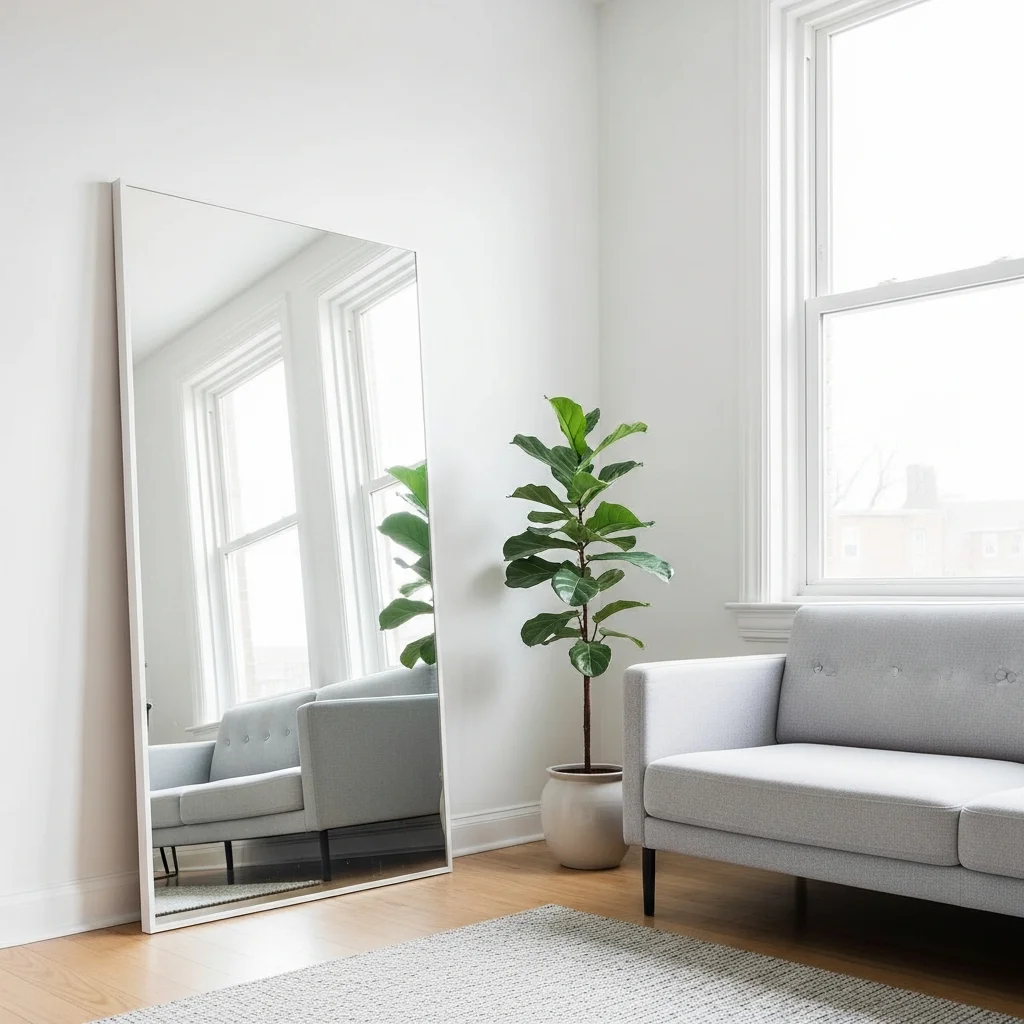
A large, strategically placed mirror dramatically expands the perceived space and light.
6. Sleek Sofa with Thin Arms
The sofa is often the largest piece of furniture in a living room, so its design is crucial in a small minimalist space. Opt for a sofa with thin arms and a streamlined silhouette to maximize seating area while minimizing its visual footprint. Bulky arms can consume valuable space, making the room feel more cramped than it actually is, whereas slender designs create a lighter, more open appearance.
Consider a low-profile design that sits closer to the ground, as this can also contribute to an illusion of higher ceilings and more open space. Choose neutral upholstery colors like light grey, beige, or off-white to maintain the minimalist palette and allow the sofa to blend seamlessly into the room’s design. This intentional choice ensures comfort without compromising on the airy, uncluttered feel you’re aiming for.

A sleek sofa with thin arms maximizes seating and maintains an airy, minimalist aesthetic.
7. Open-Leg Furniture for Airiness
Choosing furniture with open legs, rather than solid bases that sit flush with the floor, is an ingenious trick for making a small living room feel more spacious and airy. When you can see the floor beneath pieces like sofas, armchairs, and coffee tables, it creates an uninterrupted line of sight, preventing the furniture from feeling heavy and ponderous. This visual lightness is a hallmark of successful minimalist design in compact areas.
This design choice allows light to flow more freely and gives the illusion that the furniture is floating, rather than anchored to the ground. Look for pieces with slender metal legs, elegant wooden stilts, or even transparent acrylic bases. The overall effect is a sense of openness and increased square footage, contributing significantly to the desired minimalist aesthetic of simplicity and lightness.

Open-leg furniture elevates design, creating a sense of airiness and visual space.
8. Vertical Storage Solutions
When floor space is at a premium, thinking vertically is essential for minimalist storage in a small living room. Tall, narrow shelving units, wall-mounted cabinets, or built-in nooks can provide ample storage without taking up precious floor area. These solutions draw the eye upwards, which can also make the ceiling appear higher, contributing to an overall sense of spaciousness.
Ensure that vertical storage remains uncluttered and organized to uphold the minimalist aesthetic. Use baskets or closed cabinets to conceal items you don’t want on display, keeping surfaces tidy and visually calm. This approach maximizes your storage potential while maintaining the clean lines and open feel crucial for a successful small minimalist living room. Every item should have a designated, discreet home.
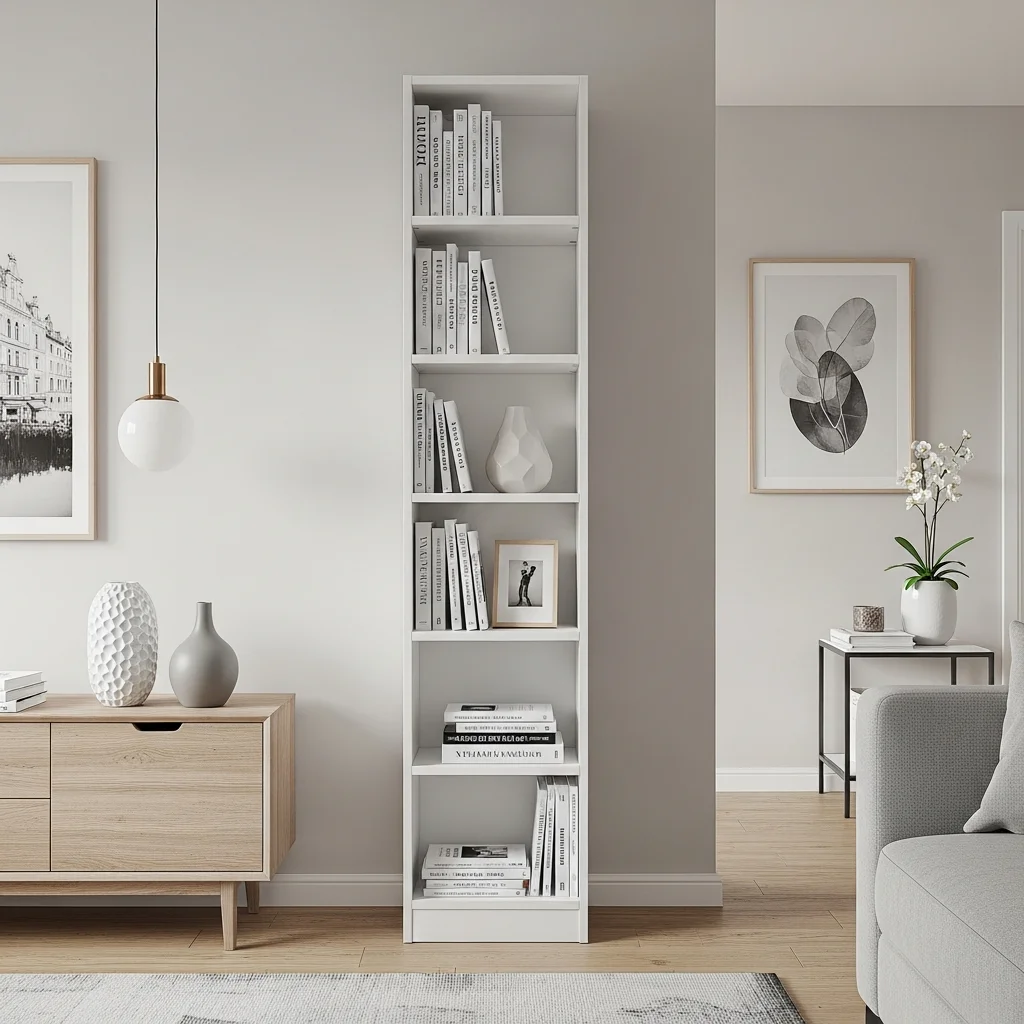
Tall, narrow shelving units provide essential storage while enhancing vertical space.
9. Curated Minimalist Art & Decor
In a minimalist small living room, every piece of art and decor should be intentional and contribute to the overall serene aesthetic, rather than simply filling space. Opt for a few thoughtfully chosen pieces that resonate with your style and add character without creating visual noise. Think abstract prints, textured pieces, or a singular striking sculpture.
Avoid excessive knick-knacks or numerous small frames, which can quickly make a compact room feel cluttered and overwhelming. Instead, choose one or two larger statement pieces that draw the eye and define a focal point. The goal is to create visual interest through simplicity, allowing each selected item to shine and enhance the room’s calm, uncluttered atmosphere, rather than competing for attention.

A single, large abstract artwork provides a focal point without cluttering the minimalist space.
10. Maximizing Natural Light
Natural light is a priceless asset in any small living room, instantly making it feel larger, airier, and more inviting. Maximize its presence by keeping window treatments simple and light. Opt for sheer curtains, blinds that can be fully retracted, or even forgo window coverings entirely if privacy allows. Dark or heavy drapes can absorb light and make a small space feel much smaller and more enclosed.
Ensure that furniture placement doesn’t obstruct windows, allowing light to flow freely into the room. Strategically placed mirrors, as discussed earlier, can further amplify natural light by reflecting it deeper into the space. Embracing natural light is one of the most effective and cost-efficient ways to create an open, expansive, and truly minimalist ambiance in a compact living area.

Sheer curtains and unobstructed windows flood the room with natural light, enhancing spaciousness.
11. Thoughtful Lighting Fixtures
Beyond natural light, the right artificial lighting can profoundly impact the mood and perceived size of a small minimalist living room. Instead of a single harsh overhead light, incorporate multiple layers of lighting to create depth and warmth. Think slim floor lamps, discreet wall sconces, or even a small, elegant table lamp that provides ambient and task lighting without visual bulk.
Choose fixtures with clean lines and simple designs that align with the minimalist aesthetic. Avoid ornate or oversized chandeliers that can overwhelm a small space. Strategic lighting can highlight key features, make corners feel brighter, and prevent shadows that can make a room feel smaller. The goal is a well-lit, inviting atmosphere that feels balanced and intentionally designed, enhancing the room’s calm appeal.

Layered, subtle lighting fixtures create warmth and depth in a compact minimalist space.
12. Defining Space with an Area Rug
Even in a small minimalist living room, an area rug can play a crucial role in defining the space, grounding furniture, and adding texture and warmth. Choose a rug that is large enough for at least the front legs of all main furniture pieces (like the sofa and armchairs) to rest upon, ensuring it anchors the seating arrangement. A rug that is too small can make the room feel disjointed.
Opt for a rug in a neutral color or with a subtle, geometric pattern that complements your minimalist aesthetic without overpowering it. Textural rugs, such as jute, wool, or a low-pile shag, can add tactile interest and coziness without introducing visual clutter. This simple addition can unify your furniture grouping and create a distinct ‘zone’ for relaxation within an open-concept living area.

A large, textured area rug grounds the furniture, defining the living space in a minimalist way.
13. Hidden Storage Ottomans & Benches
To maintain a truly minimalist and clutter-free small living room, hidden storage is invaluable. Storage ottomans and benches are excellent examples of furniture that offer dual functionality: comfortable seating or a surface, plus discreet storage. These pieces allow you to tuck away blankets, magazines, remote controls, or other small items that would otherwise contribute to visual clutter.
Choose designs with clean lines and neutral upholstery that blend seamlessly with your existing decor. A minimalist storage ottoman can serve as a coffee table, extra seating, or a footrest, all while keeping essential items out of sight. This ingenious solution helps maintain the tidy, serene atmosphere essential for a successful small minimalist living space, making every inch work harder.
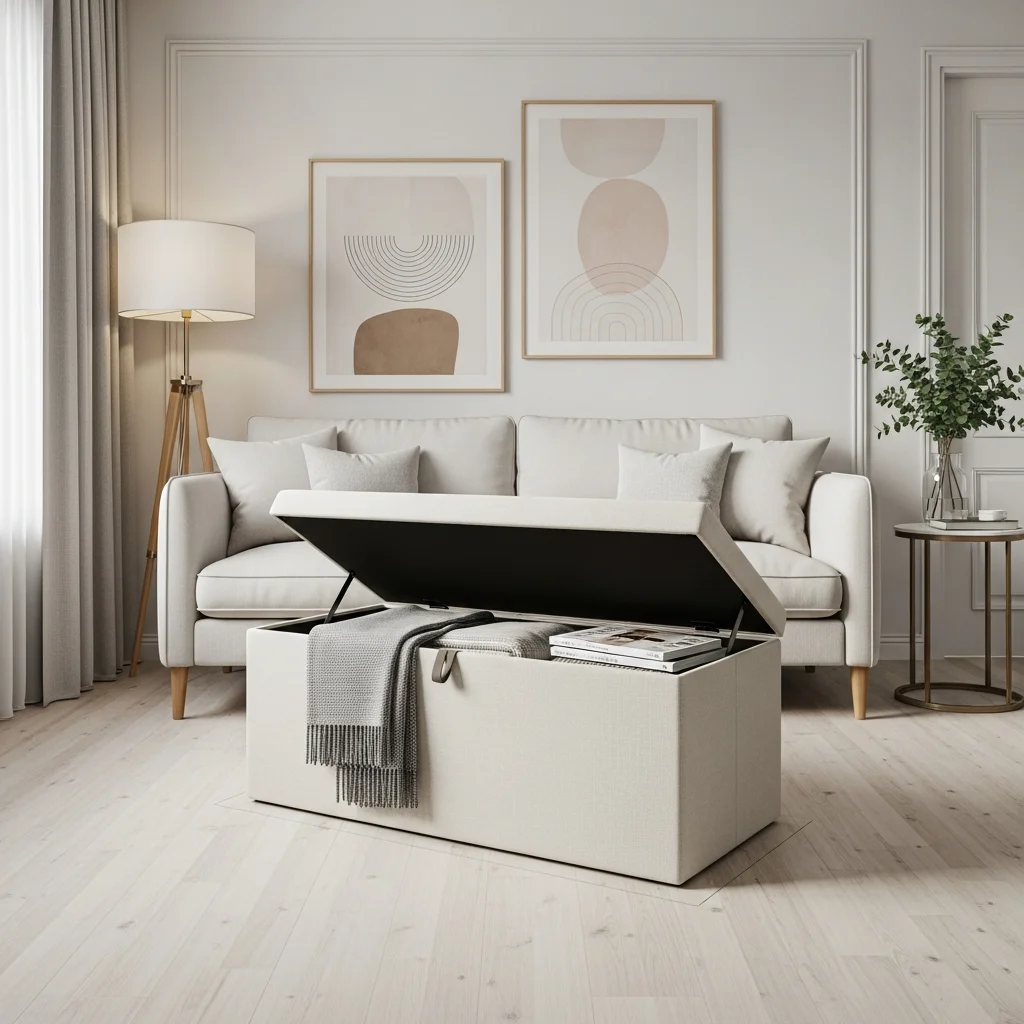
A chic storage ottoman provides hidden space for clutter, keeping the room pristine.
14. Built-in Cabinetry for Seamless Storage
For a truly bespoke and integrated minimalist look, built-in cabinetry is an unparalleled solution in a small living room. Custom-designed shelves or cabinets that blend seamlessly into the walls provide abundant storage without protruding into the room. This creates a clean, architectural look, making the space feel custom-made and highly organized.
Built-ins can be designed to store media equipment, books, or even serve as a discreet desk area. Opt for handle-less doors or push-to-open mechanisms for an ultra-sleek appearance that minimizes visual disruption. This approach maximizes vertical space and ensures that every item has its place, contributing significantly to a refined, uncluttered, and highly functional minimalist aesthetic.

Seamless built-in cabinetry offers bespoke storage, enhancing the room’s minimalist architecture.
15. Light Wood Accents for Warmth
While minimalism often favors neutrals, incorporating light wood accents can introduce warmth and organic texture without sacrificing the clean aesthetic. Materials like birch, maple, or light oak for coffee tables, side tables, or picture frames can add a touch of nature and coziness to an otherwise pristine space. The natural grain of wood provides subtle visual interest.
These lighter wood tones complement a neutral color palette beautifully, preventing the room from feeling stark or cold. Ensure that the wood pieces have simple, understated designs that align with the minimalist ethos. A well-chosen light wood accent can elevate the design, grounding the space with natural elements while maintaining its airy and uncluttered appeal.

Light wood accents infuse warmth and natural beauty into a sleek minimalist setting.
16. Greenery with Purpose
Introducing plants is an excellent way to bring life and freshness into a minimalist small living room without creating clutter. Choose one or two carefully selected plants with sculptural forms, such as a snake plant, ZZ plant, or a small Fiddle Leaf Fig. These add a vibrant touch of nature and a pop of color, improving air quality and visual appeal.
Place plants in simple, unadorned pots that complement your room’s aesthetic, such as matte white, terracotta, or light grey ceramic. Avoid an excessive number of small plants, which can quickly look messy. Instead, let a few larger, healthy plants make a statement, contributing to a calm and invigorating atmosphere that perfectly aligns with a minimalist approach to living.
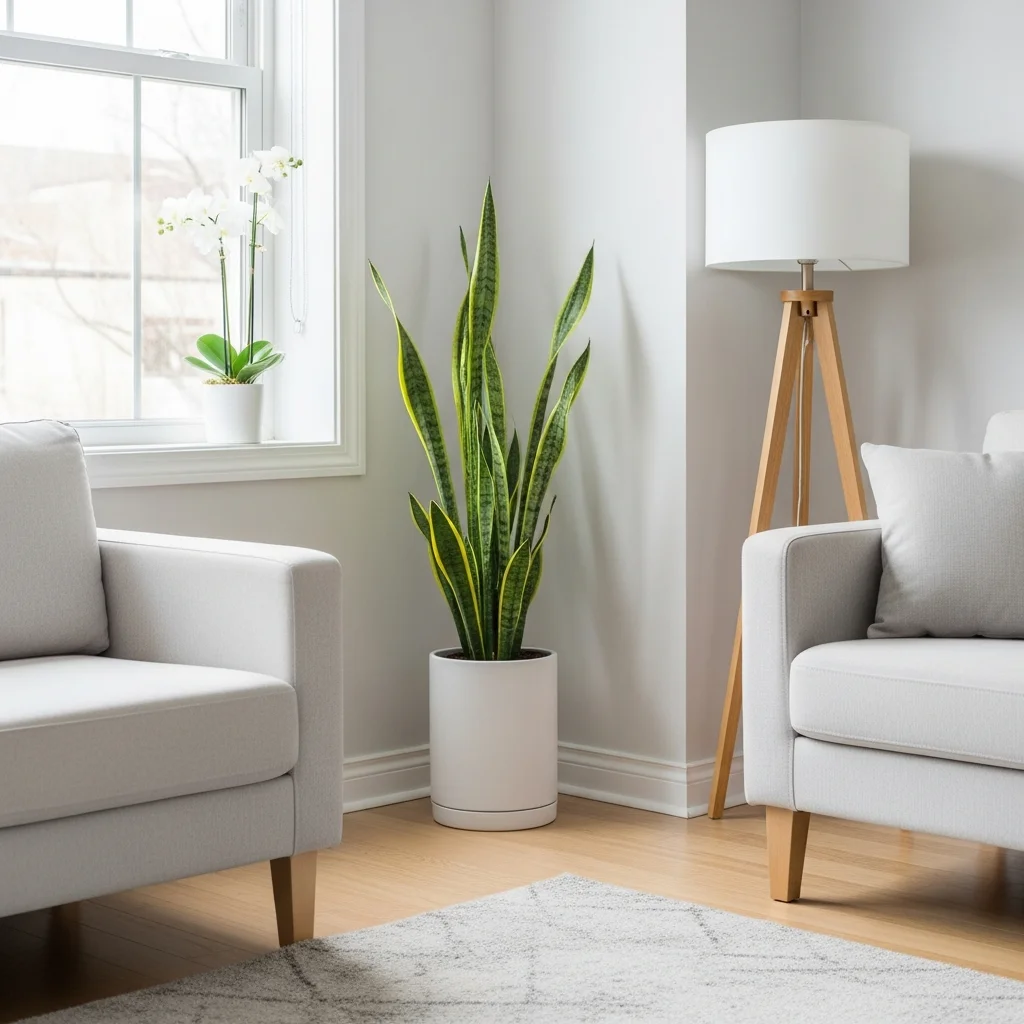
A single, sculptural plant adds life and a touch of nature to the minimalist space.
17. Clear Pathways and Layout
A fundamental aspect of minimalist design in a small living room is ensuring clear and unobstructed pathways. Every piece of furniture should be placed intentionally to allow for easy movement throughout the room, preventing a cramped or awkward feel. Avoid placing furniture in the middle of entryways or high-traffic zones, maintaining an open flow that enhances the room’s perceived size.
Before finalizing your layout, measure your space and even sketch out different arrangements. Prioritize functionality and ease of navigation above all else. A well-planned layout not only makes a small room feel larger but also contributes to a sense of order and tranquility, which are hallmarks of a successful minimalist environment. The goal is effortless movement and an uninterrupted visual journey.

Clear pathways are essential for an open, airy feel and effortless movement in a small room.
18. Single Statement Piece
Instead of multiple small decorative items that can clutter a small minimalist living room, consider opting for a single, impactful statement piece. This could be a unique piece of art, an unusually shaped vase, a distinctive floor lamp, or a bold-colored throw pillow on an otherwise neutral sofa. The key is that it stands out without dominating or overwhelming the space.
This approach draws the eye and provides a focal point, adding personality and flair without compromising the minimalist principle of ‘less is more.’ Ensure the chosen piece aligns with your overall aesthetic and color scheme. A single, well-chosen item can speak volumes, offering a sophisticated touch that keeps the room feeling curated and intentionally designed rather than empty.

A single, thoughtfully chosen statement pillow adds a pop of personality to a minimalist sofa.
19. Textural Contrast for Depth
To prevent a minimalist small living room from feeling flat or sterile, introduce textural contrast within your neutral palette. Combine different materials and finishes like a smooth ceramic vase next to a chunky knit throw, a linen sofa paired with a jute rug, or a sleek metal lamp beside a rough-hewn wooden side table. These subtle differences add depth and interest.
This approach allows the room to feel rich and inviting without relying on vibrant colors or an abundance of objects. Textural play creates visual and tactile experiences that engage the senses, making the space more dynamic and layered. It’s an effective way to maintain a calm, cohesive look while adding warmth and sophistication, perfectly embodying understated elegance.

Layering diverse textures in neutral tones adds depth and warmth to minimalist design.
20. Elevated Furniture with Legs
Similar to open-leg furniture, choosing pieces that are elevated on slender legs, rather than sitting directly on the floor, helps create a sense of lightness and openness in a small living room. This applies to side tables, media consoles, and even occasional chairs. The visible floor space beneath the furniture creates an illusion of greater room dimensions and prevents a ‘heavy’ feeling.
When selecting elevated pieces, prioritize slim, understated leg designs in materials like thin metal or light wood. The goal is to lift the furniture visually, allowing light and air to flow beneath, thereby contributing to the overall expansive and uncluttered ambiance. This design principle is key for maintaining the airy and sophisticated feel characteristic of modern minimalist spaces.

Elevated furniture on slender legs enhances lightness and increases visible floor space.
21. Minimalist Coffee Table Design
The coffee table is often a central piece, so its design can significantly impact the feel of a small living room. Opt for a minimalist coffee table with a light visual presence—think thin tabletops, open bases, or transparent materials like glass or acrylic. Rectangular or round shapes with clean lines are ideal, as they avoid bulky edges and sharp angles that can make a room feel cramped.
Consider multi-functional coffee tables, such as those with a simple shelf underneath for books, or a lift-top design for discreet storage. The key is to select a piece that serves its purpose without becoming a dominant visual element. A minimalist coffee table should blend seamlessly into the space, contributing to an open, uncluttered flow that defines the entire room’s aesthetic.

A sleek, round coffee table with an open design maintains the room’s airy, uncluttered feel.
22. Foldable or Stackable Seating
For those occasions when extra seating is needed but daily floor space is paramount, foldable or stackable seating solutions are a minimalist’s secret weapon. These could be elegant folding chairs that can be stored away in a closet or under a bed, or sleek stackable stools that can be neatly tucked into a corner. This ensures flexibility without permanent clutter.
Choose designs that are lightweight and aesthetically pleasing, aligning with your minimalist decor even when they are temporarily on display. This clever approach allows you to host guests comfortably without sacrificing the open, airy feel of your small living room on a daily basis. It’s about smart planning and maximizing utility only when necessary, upholding the core principles of minimalist living.

Foldable chairs provide flexible seating, easily stored to maintain a spacious feel.
23. Monochrome Scheme with a Pop of Color
While a neutral color palette is a hallmark of minimalism, introducing a single, carefully chosen pop of color can add personality and vibrancy without compromising the clean aesthetic. Imagine a largely monochrome room (shades of white, grey, beige) with one accent cushion, a striking vase, or a piece of abstract art in a bold yet sophisticated hue like deep navy, emerald green, or burnt orange.
This single colorful element acts as a focal point, drawing the eye and adding a touch of dynamism to an otherwise serene space. The key is strict discipline: limit the pop to one or two items, ensuring they don’t compete with each other or overwhelm the room. This balanced approach allows for self-expression while maintaining the calm, uncluttered elegance that defines minimalist small living room design.
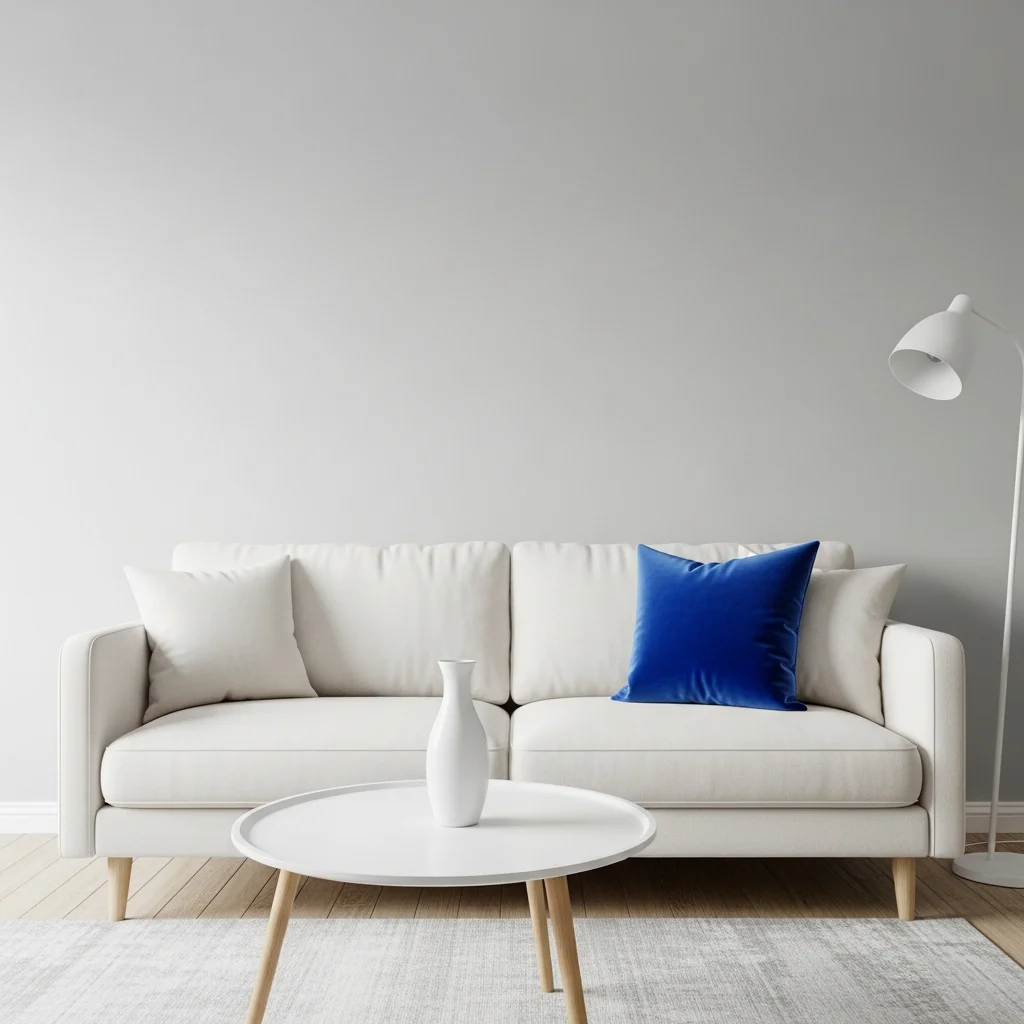
A single sapphire blue pillow adds a vibrant, sophisticated pop to a serene monochrome setting.
Conclusion
Transforming a small living room into a minimalist sanctuary is an art form, one that prioritizes intention, functionality, and aesthetic harmony. By embracing these 23 design principles, from strategic furniture choices and clever storage solutions to thoughtful lighting and a curated color palette, you can create a space that feels not just larger, but also more serene, organized, and truly reflective of your personal style. Remember, minimalism isn’t about deprivation; it’s about making deliberate choices that enhance your daily life and bring a sense of calm to your home. We hope these ideas inspire you to declutter, simplify, and design a small living room that is both beautifully functional and a joy to inhabit every single day.