
Timeless Charm: 23 Traditional Kitchen Decorating Ideas for a Classic Home

Dreaming of a kitchen that exudes warmth, comfort, and timeless elegance? Traditional kitchen design offers a sanctuary of familiar beauty, blending classic elements with modern functionality. It’s a style that transcends fleeting trends, creating a space that feels both inviting and sophisticated, perfect for gathering with family and friends for years to come. Embrace the enduring appeal of traditional design and transform your kitchen into the heart of your home. This article will guide you through 23 essential decorating ideas that capture the essence of traditional kitchen style. We’ll explore everything from the foundational elements like cabinetry and countertops to the finer details such as hardware and accessories. Whether you’re planning a full renovation or simply looking to add a touch of classic charm, these ideas will inspire you to create a kitchen that is both beautiful and functional, a true reflection of your personal style and a welcoming space for all who enter.
1. Classic Cabinetry: The Heart of Tradition
Traditional kitchens are defined by their elegant cabinetry. Think raised-panel doors, intricate detailing, and rich finishes like creamy whites, warm woods, or sophisticated grays. Consider incorporating glass-front cabinets to display cherished dishware or decorative items. The choice of wood species, such as cherry, maple, or oak, can significantly impact the overall aesthetic. Beyond aesthetics, functionality is key. Incorporate features like pull-out shelves, spice racks, and soft-close hinges for enhanced convenience. Don’t underestimate the power of crown molding to add a touch of refinement to your cabinetry. A well-designed cabinetry plan is the foundation upon which a traditional kitchen is built, creating a sense of timeless beauty and organization.
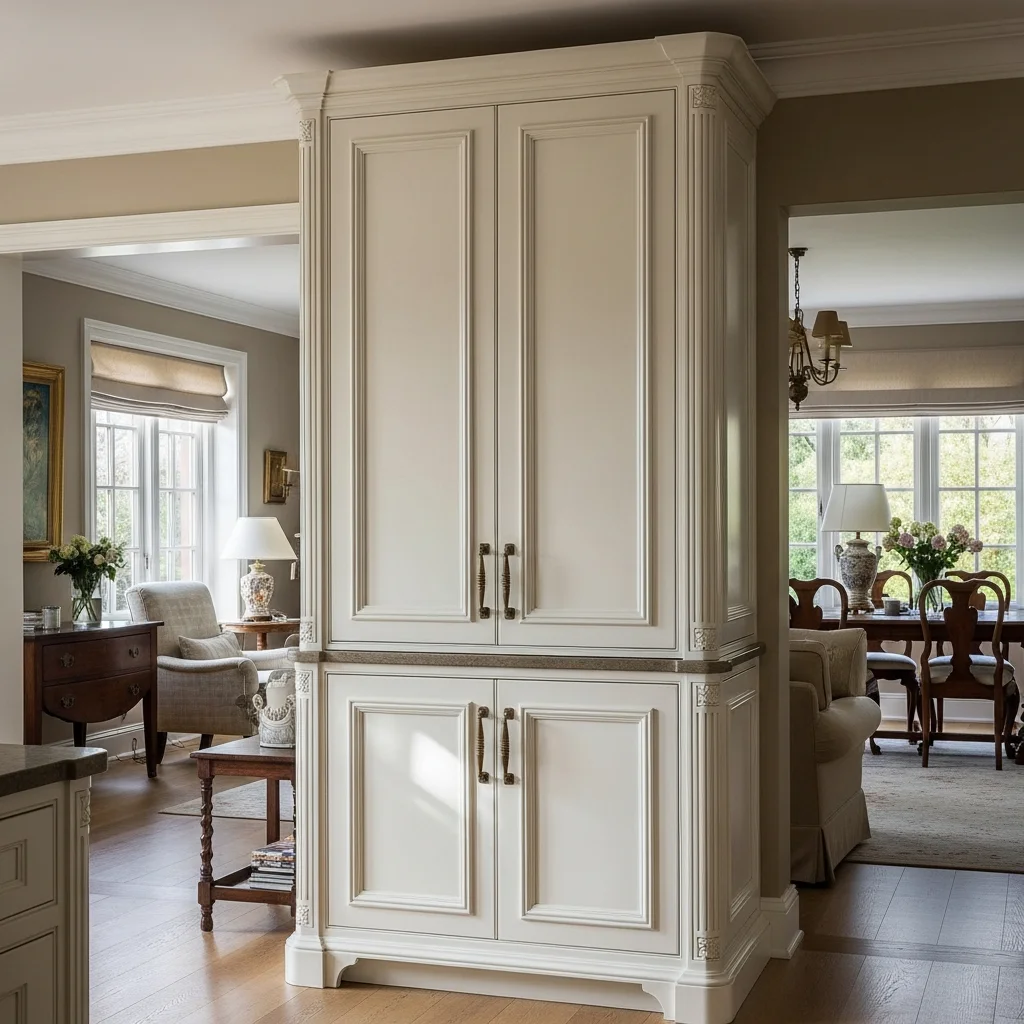
Classic cabinetry sets the stage for a timeless traditional kitchen.
2. Elegant Countertops: Marble, Granite, or Quartz
Countertops are another crucial element in a traditional kitchen. Natural stone options like marble and granite are popular choices, offering both beauty and durability. Marble, with its veining and cool elegance, adds a touch of luxury. Granite, known for its strength and variety of patterns, provides a more robust and earthy feel.
Quartz countertops are a practical alternative, offering the look of natural stone with increased stain and scratch resistance. Consider the edge profile of your countertops to further enhance the traditional aesthetic. Ogee, bullnose, or beveled edges add a touch of sophistication and refinement. The right countertop not only complements the cabinetry but also provides a durable and beautiful surface for food preparation and everyday use.

Elegant countertops like marble add a touch of luxury to a traditional kitchen.
3. Farmhouse Sink: A Timeless Staple
The farmhouse sink, also known as an apron-front sink, is a quintessential element of traditional kitchen design. Its large basin and exposed front add a touch of rustic charm and functionality. These sinks are typically made of fireclay, stainless steel, or cast iron, each offering its own unique appeal.
Consider the size and depth of the sink to ensure it meets your needs. A deep basin is ideal for washing large pots and pans. Pair your farmhouse sink with a classic bridge faucet for a cohesive and stylish look. The farmhouse sink serves as a focal point in the kitchen, adding character and practicality to the space.

A farmhouse sink is a timeless and functional addition to any traditional kitchen.
4. Decorative Backsplash: Tile with Character
The backsplash provides an opportunity to add personality and visual interest to your traditional kitchen. Classic tile options include subway tile, ceramic tile with intricate patterns, and natural stone mosaics. Consider using a contrasting grout color to highlight the tile pattern.
For a more elaborate look, incorporate a decorative tile mural above the cooktop. This can serve as a focal point and add a touch of artistry to the space. Don’t be afraid to experiment with different textures and finishes to create a backsplash that reflects your personal style. The backsplash is a key element in tying the entire kitchen design together.

A decorative backsplash adds personality and visual interest to a traditional kitchen.
5. Statement Lighting: Chandeliers and Pendants
Lighting is essential for creating the right ambiance in a traditional kitchen. Statement lighting fixtures, such as chandeliers and pendant lights, can add a touch of elegance and sophistication. Consider hanging a chandelier above the kitchen island or dining area to create a focal point.
Pendant lights are perfect for illuminating work areas, such as the sink or cooktop. Choose fixtures with classic designs and finishes, such as antique brass, oil-rubbed bronze, or polished nickel. Don’t forget to incorporate task lighting under the cabinets to provide adequate illumination for food preparation. A well-lit kitchen is both functional and inviting.

Statement lighting fixtures add elegance and sophistication to a traditional kitchen.
6. Elegant Hardware: Knobs and Pulls
Hardware is often overlooked, but it plays a crucial role in the overall aesthetic of a traditional kitchen. Choose knobs and pulls that complement the cabinetry and other design elements. Popular finishes include antique brass, oil-rubbed bronze, polished nickel, and pewter.
Consider the shape and style of the hardware to further enhance the traditional look. Classic designs include knobs with decorative detailing and pulls with elegant curves. Ensure that the hardware is comfortable to grip and use. The right hardware adds a touch of refinement and functionality to your cabinetry.

Elegant hardware adds a touch of refinement to traditional kitchen cabinetry.
7. Wood Flooring: Warmth and Character
Wood flooring is a classic choice for traditional kitchens, adding warmth and character to the space. Choose a hardwood species that complements the cabinetry and other design elements. Popular options include oak, maple, cherry, and walnut.
Consider the width and finish of the planks to further enhance the traditional look. Wide planks and distressed finishes add a touch of rustic charm. Ensure that the flooring is properly sealed and maintained to protect it from moisture and wear. Wood flooring provides a durable and beautiful foundation for a traditional kitchen.

Wood flooring adds warmth and character to a traditional kitchen.
8. Window Treatments: Fabrics and Shutters
Window treatments can add a touch of softness and elegance to a traditional kitchen. Consider using fabrics like linen, cotton, or silk in neutral colors or classic patterns. Roman shades, valances, and curtains are all popular choices.
Shutters are another option, providing privacy and light control while adding a touch of architectural detail. Choose window treatments that complement the overall design style of the kitchen. Ensure that the window treatments are functional and easy to clean. The right window treatments can enhance the ambiance and functionality of your kitchen.

Window treatments add softness and elegance to a traditional kitchen.
9. Open Shelving: Display and Accessibility
Open shelving provides an opportunity to display cherished dishware, cookbooks, and decorative items. Consider incorporating open shelves above the countertops or near the cooktop. This adds visual interest and provides easy access to frequently used items.
Arrange the items on the shelves in a visually appealing way, using a mix of textures, colors, and sizes. Keep the shelves organized and clutter-free to maintain a clean and elegant look. Open shelving can add a touch of personality and functionality to a traditional kitchen.

Open shelving adds visual interest and accessibility to a traditional kitchen.
10. Kitchen Island: Functionality and Gathering Space
A kitchen island is a valuable addition to any traditional kitchen, providing extra countertop space, storage, and a gathering place for family and friends. Consider incorporating a sink, cooktop, or seating area into the island design. Choose a countertop material that complements the surrounding cabinetry.
The island can also serve as a focal point in the kitchen. Add decorative details like turned legs, molding, or a contrasting paint color. Ensure that the island is properly sized and positioned to allow for easy movement around the kitchen. A well-designed kitchen island enhances both the functionality and the social aspect of the space.

A kitchen island provides functionality and a gathering space in a traditional kitchen.
11. Classic Color Palette: Neutrals and Accents
Traditional kitchens typically feature a classic color palette of neutrals and accents. Creamy whites, warm grays, and soft beiges are popular choices for the walls and cabinetry. These neutral colors create a timeless and elegant backdrop for the kitchen.
Accent colors can be introduced through accessories, textiles, and decorative elements. Consider using blues, greens, or yellows to add a touch of personality and visual interest. Avoid overly bright or trendy colors that may clash with the traditional aesthetic. A well-chosen color palette creates a harmonious and inviting atmosphere.

A classic color palette of neutrals and accents creates a timeless and elegant atmosphere.
12. Decorative Molding: Crown and Baseboard
Decorative molding adds a touch of architectural detail and refinement to a traditional kitchen. Crown molding is typically used to trim the tops of cabinets and walls, creating a seamless transition between the ceiling and the vertical surfaces. Baseboard molding is used to trim the bottom of the walls, providing a finished look.
Choose molding styles that complement the overall design of the kitchen. Simple, elegant designs are often the best choice for a traditional aesthetic. Consider painting the molding the same color as the walls or cabinetry for a cohesive look. Decorative molding enhances the visual appeal of the kitchen and adds a sense of sophistication.

Decorative molding adds architectural detail and refinement to a traditional kitchen.
13. Pot Rack: Practical and Decorative
A pot rack is a practical and decorative addition to a traditional kitchen. It provides a convenient place to store pots and pans while adding a touch of rustic charm. Consider hanging a pot rack above the kitchen island or near the cooktop.
Choose a pot rack made of metal or wood that complements the other design elements in the kitchen. Arrange the pots and pans on the rack in a visually appealing way. A pot rack can be both functional and aesthetically pleasing, adding character and convenience to the kitchen.

A pot rack is a practical and decorative addition to a traditional kitchen.
14. Antique Accents: Vintage Charm
Incorporate antique accents to add a touch of vintage charm to your traditional kitchen. Consider displaying antique china, silverware, or kitchen tools. Flea markets and antique shops are great places to find unique and interesting items.
Don’t be afraid to mix and match different styles and eras. The key is to create a cohesive and visually appealing display. Antique accents can add personality and character to a traditional kitchen, making it feel warm and inviting.

Antique accents add vintage charm and personality to a traditional kitchen.
15. Comfortable Seating: Stools and Benches
Provide comfortable seating in your traditional kitchen with stools and benches. Counter stools are perfect for seating at the kitchen island, while benches can be used in a breakfast nook or dining area. Choose seating options that complement the overall design style of the kitchen.
Consider using upholstered stools or benches for added comfort. Fabrics like linen, cotton, or leather are popular choices. Ensure that the seating is properly sized and positioned to allow for easy movement around the kitchen. Comfortable seating encourages gathering and socializing in the kitchen.
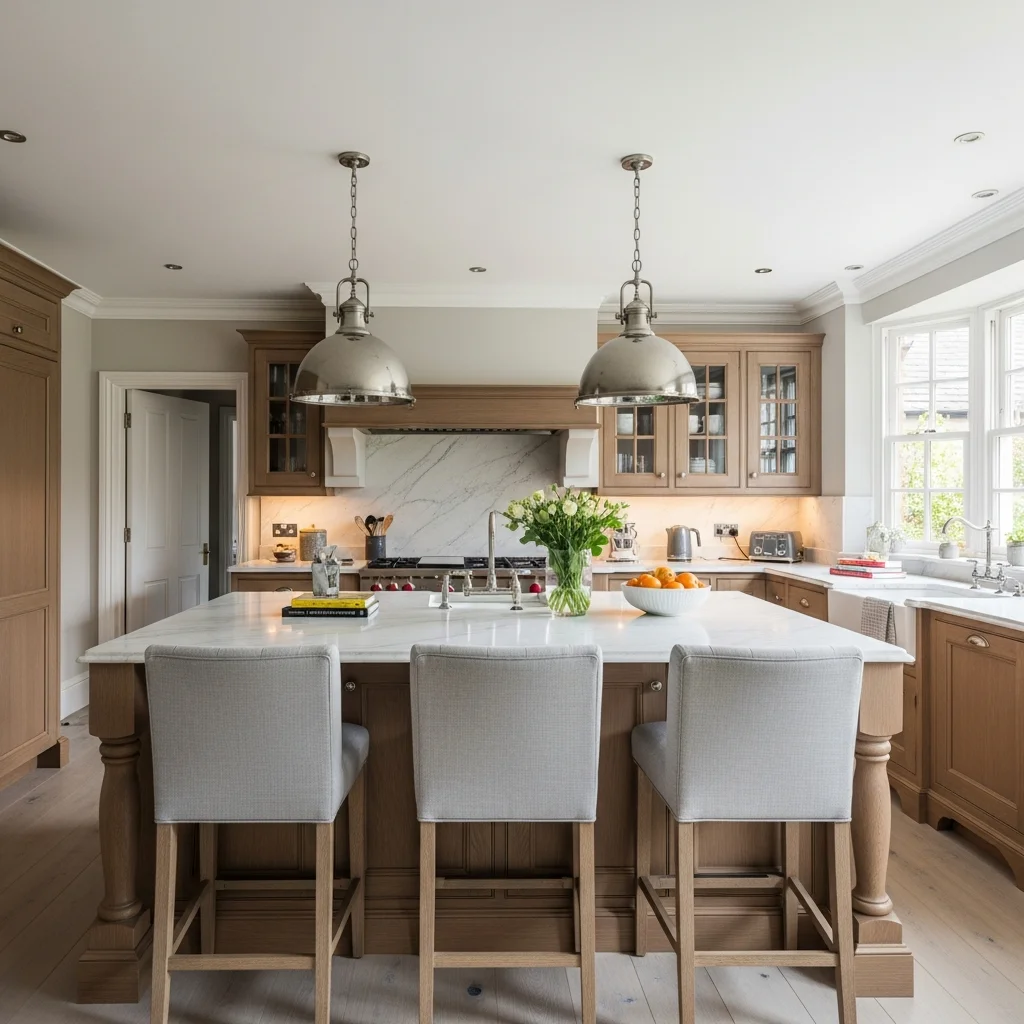
Comfortable seating encourages gathering and socializing in a traditional kitchen.
16. Area Rug: Warmth Underfoot
An area rug can add warmth and comfort to a traditional kitchen. Choose a rug that complements the color palette and design style of the kitchen. Oriental rugs, Persian rugs, and wool rugs are all popular choices.
Consider the size and shape of the rug to ensure that it fits the space properly. Place the rug in front of the sink, cooktop, or kitchen island to provide a soft surface underfoot. An area rug can define the space and add a touch of personality to the kitchen.

An area rug adds warmth and comfort to a traditional kitchen.
17. Fresh Flowers: Natural Beauty
Add a touch of natural beauty to your traditional kitchen with fresh flowers. Place a vase of flowers on the kitchen island, countertop, or dining table. Choose flowers that complement the color palette and design style of the kitchen.
Consider using seasonal flowers to add a touch of freshness and vibrancy to the space. Fresh flowers can brighten up the kitchen and create a welcoming atmosphere. They are a simple yet effective way to add personality and charm.

Fresh flowers add natural beauty and a welcoming atmosphere to a traditional kitchen.
18. Cookbooks: Functional Decor
Cookbooks are not only functional but also decorative in a traditional kitchen. Display your favorite cookbooks on open shelves, countertops, or a cookbook stand. Choose cookbooks with visually appealing covers that complement the design style of the kitchen.
Arrange the cookbooks in a visually appealing way, using a mix of sizes and colors. Cookbooks can add personality and character to a traditional kitchen, making it feel warm and inviting. They also provide inspiration for delicious meals.

Cookbooks are functional decor in a traditional kitchen.
19. Decorative Plates: Wall Art
Decorative plates can be used as wall art in a traditional kitchen. Hang a collection of decorative plates on the wall to add visual interest and personality. Choose plates with patterns and colors that complement the design style of the kitchen.
Arrange the plates in a visually appealing way, using a mix of sizes and shapes. Decorative plates can add a touch of elegance and sophistication to a traditional kitchen. They are a unique and creative way to personalize the space.

Decorative plates add visual interest and personality to a traditional kitchen as wall art.
20. Utensil Holders: Practical and Stylish
Utensil holders are both practical and stylish in a traditional kitchen. Choose utensil holders that complement the color palette and design style of the kitchen. Ceramic, wood, and metal utensil holders are all popular choices.
Place the utensil holder near the cooktop for easy access to cooking utensils. A utensil holder can keep your countertops organized and clutter-free. It’s a simple yet effective way to add functionality and style to the kitchen.

Utensil holders are practical and stylish in a traditional kitchen.
21. Tea Kettle: Classic Charm
A tea kettle adds a touch of classic charm to a traditional kitchen. Choose a tea kettle made of stainless steel, copper, or enamel. Place the tea kettle on the stovetop or on a decorative shelf. A tea kettle is not only functional but also adds a touch of warmth and hospitality to the kitchen.
Consider using a vintage-style tea kettle for added character. A tea kettle is a simple yet effective way to enhance the ambiance of the kitchen. It invites you to relax and enjoy a cup of tea.

A tea kettle adds a touch of classic charm to a traditional kitchen.
22. Spice Rack: Organized and Accessible
A spice rack is essential for keeping your spices organized and accessible in a traditional kitchen. Choose a spice rack that complements the color palette and design style of the kitchen. Wooden spice racks, metal spice racks, and wall-mounted spice racks are all popular choices.
Place the spice rack near the cooktop for easy access to spices while cooking. A spice rack can keep your countertops organized and clutter-free. It’s a simple yet effective way to enhance the functionality of the kitchen.

A spice rack keeps spices organized and accessible in a traditional kitchen.
23. Fruit Bowl: A Touch of Nature
A fruit bowl adds a touch of nature and vibrancy to a traditional kitchen. Place a bowl of fresh fruit on the kitchen island, countertop, or dining table. Choose fruits that complement the color palette and design style of the kitchen.
A fruit bowl is not only decorative but also encourages healthy eating. It’s a simple yet effective way to add personality and charm to the kitchen. A fruit bowl creates a welcoming and inviting atmosphere.

A fruit bowl adds a touch of nature and vibrancy to a traditional kitchen.
Conclusion
Creating a traditional kitchen is about embracing timeless elegance and functionality. By incorporating these 23 decorating ideas, you can transform your kitchen into a warm, inviting, and classic space that you’ll love for years to come. Remember to personalize the design to reflect your own style and preferences, creating a kitchen that is both beautiful and functional, a true heart of your home.


