Top 21 Retro Pink Kitchen Appliances and Styling Ideas for a Vintage Kitchen
There is a reason retro pink kitchen appliances stop the scroll every single time. They take the hardest-working room in the house and give it a personality — soft, cheerful, a little nostalgic, and completely unforgettable. Whether you dream of a full 1950s diner moment or you just want one blush-pink stand mixer glowing on your counter, this is the color story that turns an ordinary kitchen into the most loved room in your home. And the good news? You do not need a full renovation, or even a single pink cabinet, to pull it off.
In this guide you will find 21 complete ways to build a vintage kitchen around retro pink appliances — from the big statement pieces like a pink refrigerator and range, to the small countertop heroes, the color pairings that make pink look expensive, and the styling details that tie everything together. You will also learn how to choose the right shade of pink, what order to buy pieces in on any budget, and the mistakes that make a retro kitchen feel like a costume instead of a classic.
Every idea here is written for real kitchens and real budgets. Some cost under $50; some are once-a-decade investments — and all of them work together. Save this one before you shop — it is the only checklist you will need.
Overview
Retro pink appliances work because they follow a simple formula: rounded 1950s silhouettes, glossy pastel finishes, and chrome details, set against a calm background of white, wood, marble, or soft neutrals. The appliances become the artwork of the room, which means the rest of your kitchen can stay simple and affordable. One strong pink piece can carry a whole kitchen; a coordinated set creates the full vintage effect you see in magazines and on Pinterest boards.
The shade matters more than the number of pieces: true retro pink sits between blush and bubblegum, soft enough to live with daily. The ideas below move from the largest appliances down to textiles and glassware, so you can stop at three pieces or go all in.
Key Takeaways
- Start with one hero piece. A pink refrigerator, range, or stand mixer creates the whole look on its own — everything else is supporting cast.
- Match your shade family. Blush, pastel, and bubblegum pinks do not mix well; buy from one shade family or one brand’s retro line so pieces match exactly.
- Let neutrals do the heavy lifting. White cabinets, marble, wood, and chrome make pink look classic instead of sugary.
- Small appliances are the budget shortcut. A kettle, toaster, and mixer in pink deliver 80% of the visual effect for a fraction of a full set.
- Style in odd numbers and layers. Group pink pieces in threes, add textiles and glassware, and the kitchen reads as designed, not decorated.
- Buy quality for daily drivers. The pieces you touch every day — fridge, mixer, kettle — are worth the better brand; decorative pieces can be thrifted.
1. A Retro Pink Refrigerator as the Star
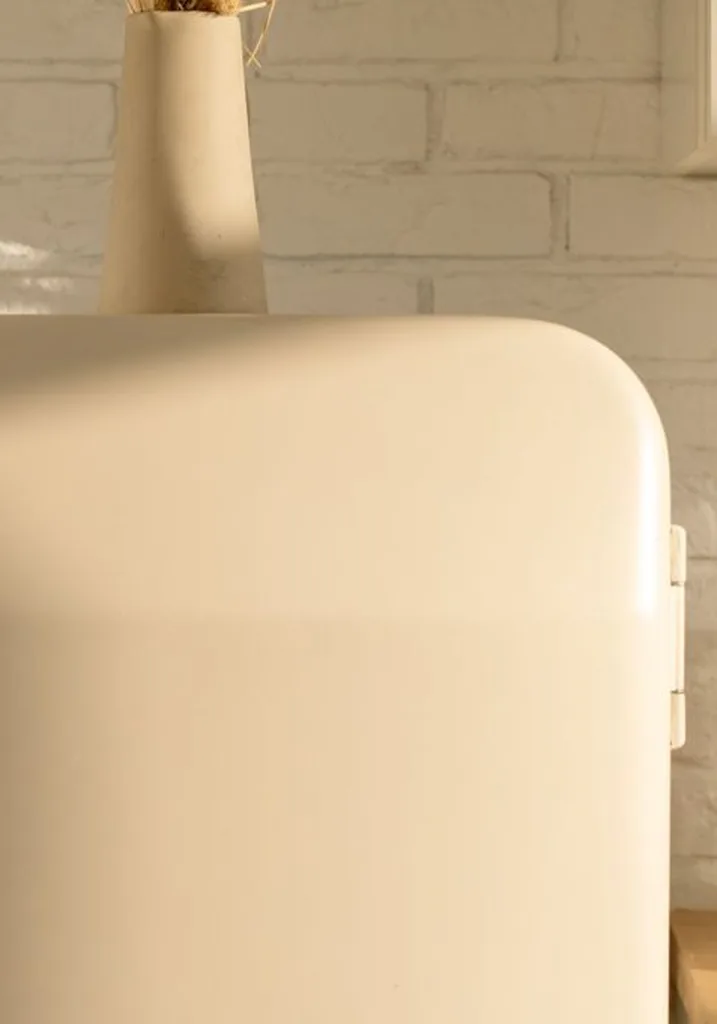
Every great retro kitchen has a leading lady, and nothing plays the role like a pink refrigerator. The rounded doors, chrome handle, and glossy pastel finish of a 1950s-style fridge instantly set the era for the whole room, even if everything else in your kitchen is plain and modern. Look at the retro lines from brands in the style of Smeg’s FAB series, Big Chill’s full-size retro fridges, and Galanz’s smaller apartment-friendly models. Expect roughly $1,500–$3,500 for a full-size retro fridge, $700–$1,200 for a compact or apartment size, and under $200 for a mini fridge version you can test the color with first.
Give it breathing room — no magnet clutter — and let one side stay visible from the kitchen entrance, so it is the first thing guests see. Because a fridge lasts 12–15 years, choose the shade you truly love rather than chasing a trend.
2. Pink Stand Mixer Countertop Moment
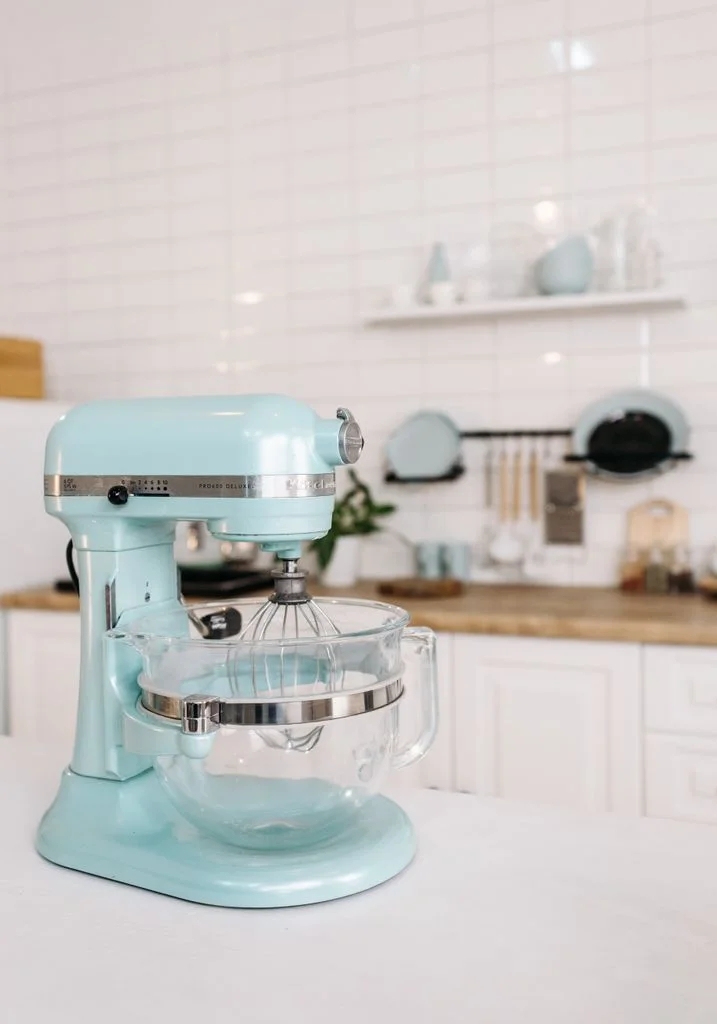
If the refrigerator is the star, the stand mixer is the scene-stealer that lives on your counter full time. A pink stand mixer in the classic tilt-head style — think KitchenAid-style artisan mixers in shades like dried rose and beetroot-inspired pinks, usually $280–$460 — turns a baking tool into a permanent piece of decor. Park it on a small wooden board or marble slab, keep a linen towel draped nearby, and clear the rest of that counter stretch so the eye lands on the pink first.
The mixer you display is also the one you will use for a decade. Choose the bowl size honestly — a 4.5 to 5-quart suits most households — and buy the shade that matches your long-term plan, since hand mixers, food processors, and kettles from the same brand family often share the exact color. You can browse dozens of real layouts in these kitchen ideas and copy the styling that fits your space.
3. Retro Pink Toaster and Kettle Pairing
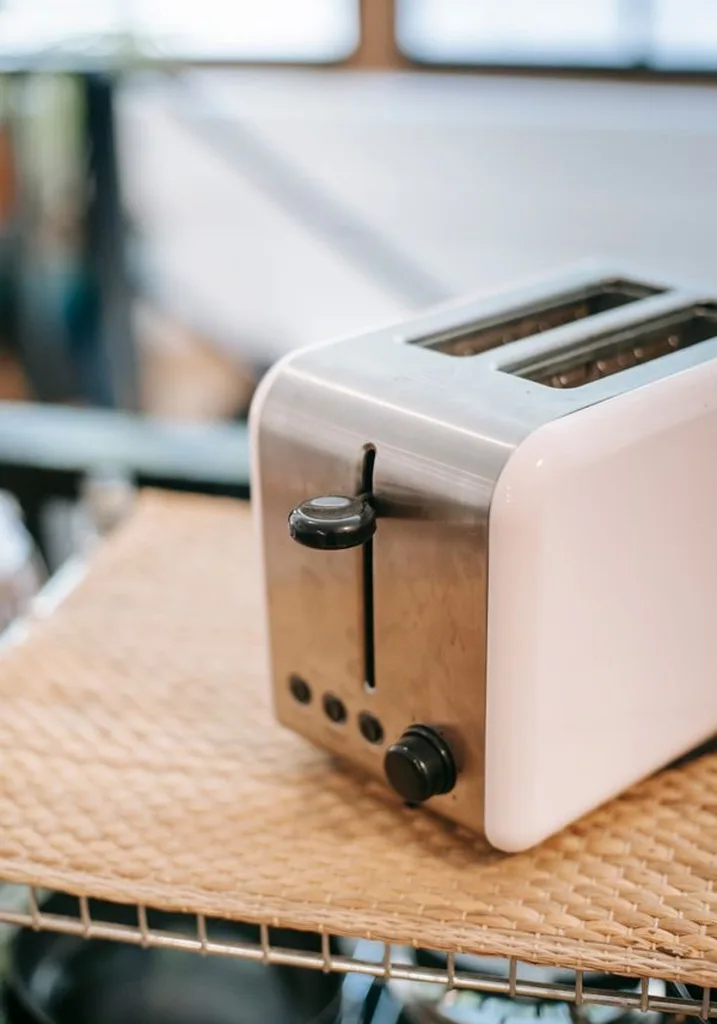
The fastest way to make a kitchen read “retro pink” by tomorrow morning is the classic countertop pairing: a rounded pink toaster and a matching pink kettle, styled side by side. Retro-style two-slice and four-slice toasters from Smeg-style and Swan-style lines run about $60–$190, and a stovetop or electric kettle in the same finish adds $40–$150. Together they create a deliberate color block, even on a plain rental countertop with nothing else pink in sight.
Buy both pieces in the same shade and finish — glossy with glossy, matte with matte — and keep them together as a unit with a small tray underneath to define their zone. If you already own a stainless kettle, test the look with just the toaster first — the pair is an easy second step.
📌 Related Articles:
4. A Pink Coffee and Espresso Station
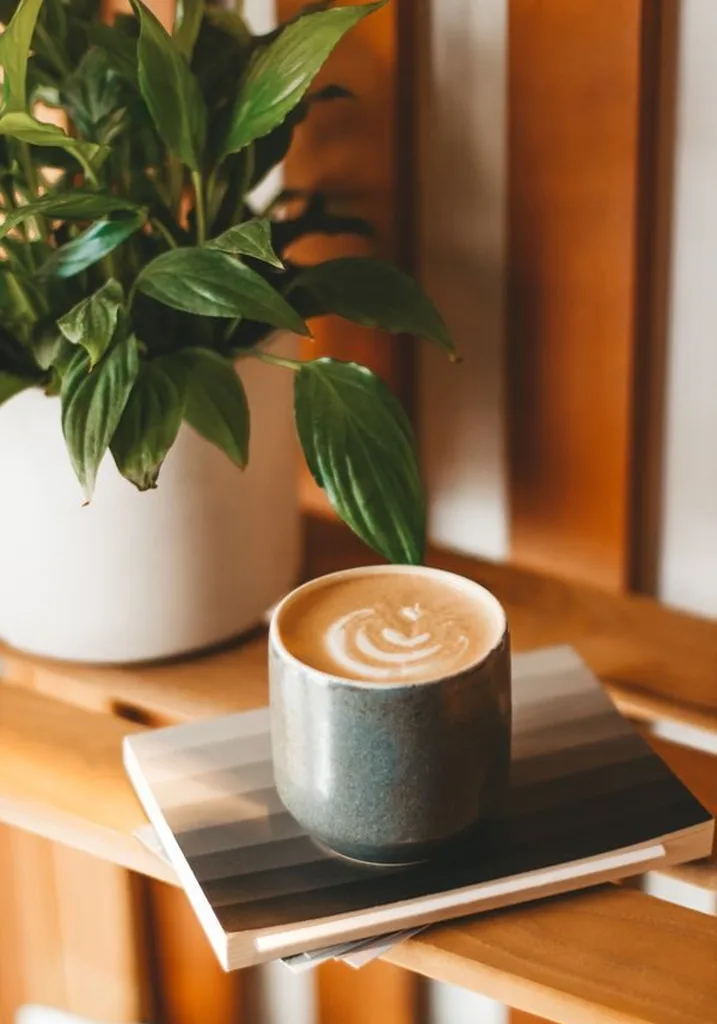
A pink coffee station turns your most repeated daily ritual into the prettiest corner of the kitchen. Start with the machine: retro-styled espresso makers and drip coffee makers in blush and pastel pink, in the style of Smeg’s espresso line or Nespresso-compatible retro designs, run from about $120 for a drip maker to $350–$700 for a proper espresso machine with a portafilter and steam wand. Anchor it on a tray, add a canister for beans, and stack white or pink-rimmed cups within easy reach.
A small framed print, a beadboard or peel-and-stick tile backsplash section, and warm under-cabinet light make the pink machine glow. Keep syrups and spoons in one pink or chrome container to avoid clutter. In small kitchens, a white or gold bar cart makes a movable coffee station with the pink machine as its focal point.
5. Blush Pink Range and Oven Styling
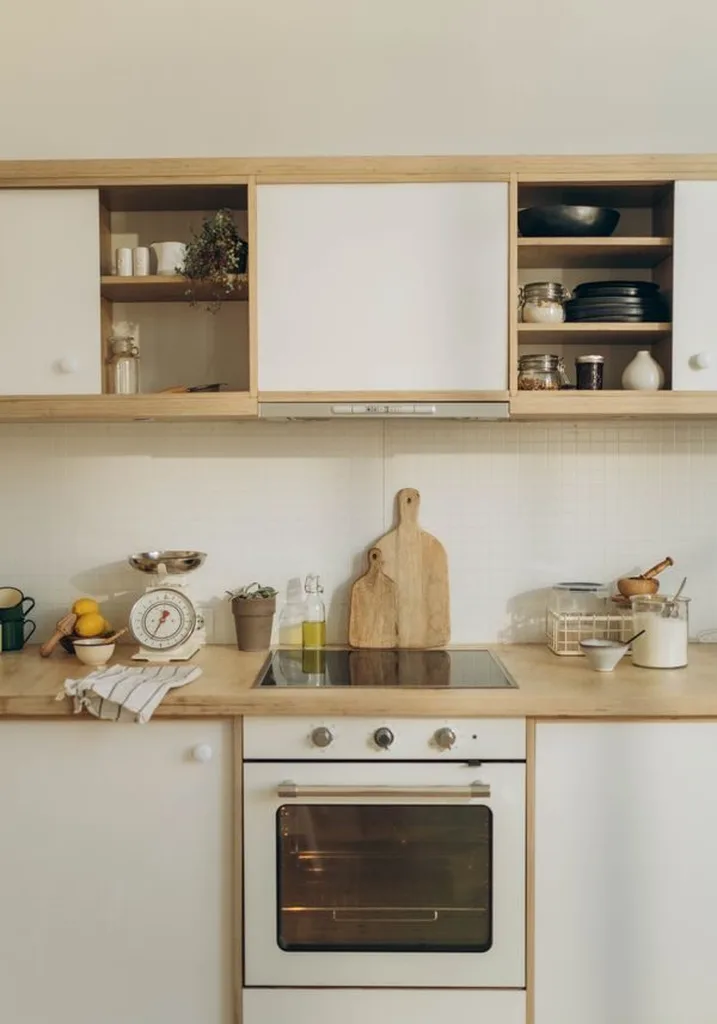
A pink range is the boldest move in this entire guide, and for the right kitchen it is pure magic. Full retro ranges in blush and pastel pink — in the style of Big Chill’s retro stove line, Smeg’s Portofino-style ranges, and Hallman’s vintage-look models — typically run $2,500–$6,000 depending on size and fuel type. The rounded corners, chrome trim, and analog-style knobs make the cooking wall feel like a 1950s diner in the best possible way.
Styling around a pink range is about restraint. Keep the backsplash quiet — white subway tile, soft marble, or a simple beadboard — and let cookware in chrome, black, or cream hang or stack nearby rather than competing colors. If a pink range is beyond the budget, a standard range plus a pink kettle, pink enamel cookware, and pink textiles clustered around the stove zone achieves much of the effect.
6. A Coordinated Small-Appliance Row
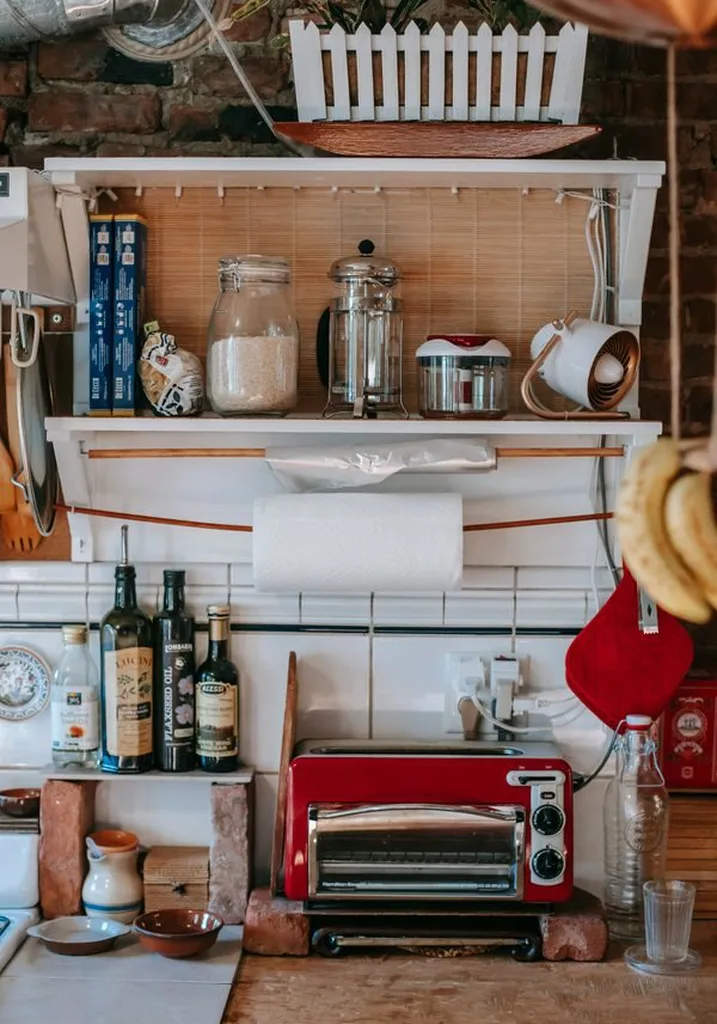
There is a special satisfaction in a countertop row where every piece shares one shade of pink and one design language. Buy pieces from a single brand’s retro line — Smeg-style, Swan-style, and Haden-style collections are built for this — so shades and chrome details match perfectly. Budget $60–$200 per piece and build the row over months or a year; each addition makes the kitchen look more finished, and no single purchase hurts.
To style the row like a designer, respect spacing and sight lines. Line pieces along one counter run with even gaps, cords clipped behind, and the tallest piece — usually the mixer — at one end as the anchor. Resist filling every inch: one empty stretch of counter in the middle keeps the row looking curated instead of like a shop display. Store less-used pieces in a cabinet so the daily row stays clean and calm.
7. Retro Pink Blender and Juicer
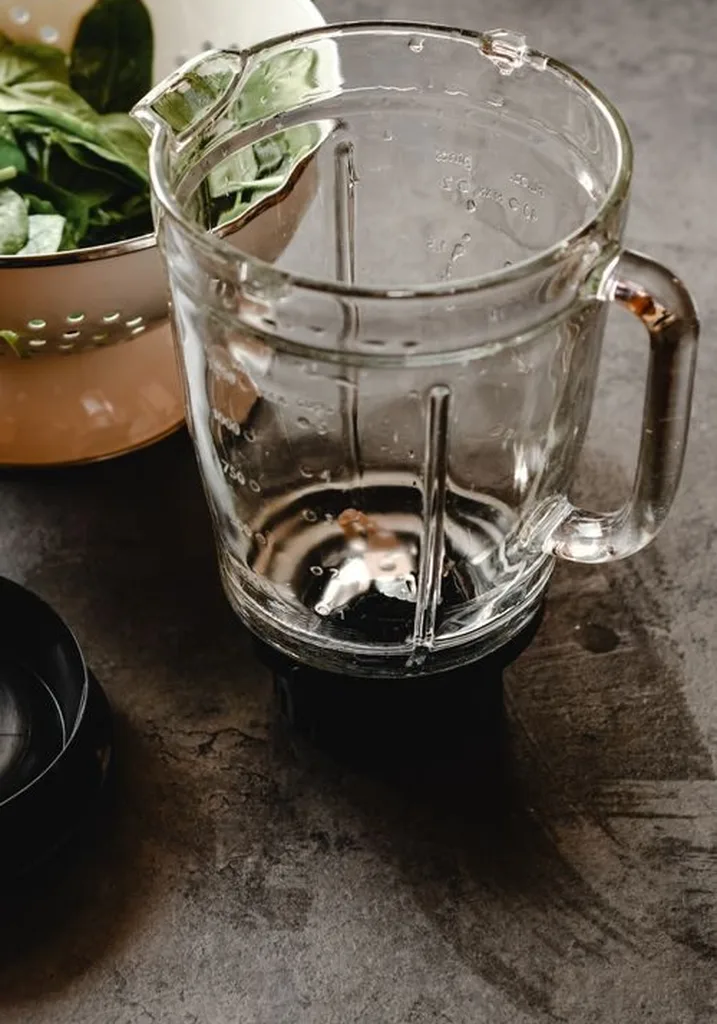
A retro pink blender earns its counter space twice — as a smoothie and soup workhorse, and as a sculptural pop of color. Retro-styled blenders in the Smeg and Galanz style run about $80–$220, while a matching slow juicer or citrus juicer in pink adds $50–$150. Its height suits the end of a counter run, and the glass jar catches light beautifully beside a window.
Buy for the motor, not just the color: 600 watts or more handles frozen fruit and ice, and a glass jar will not hold odors like plastic. If counter space is tight, choose the blender over the juicer, and style it with a small bowl of lemons or limes in front. The citrus against the pink is one of those tiny, cheerful combinations that makes a kitchen feel styled by someone with a very good eye.
8. Balance Pink with Crisp White Cabinets
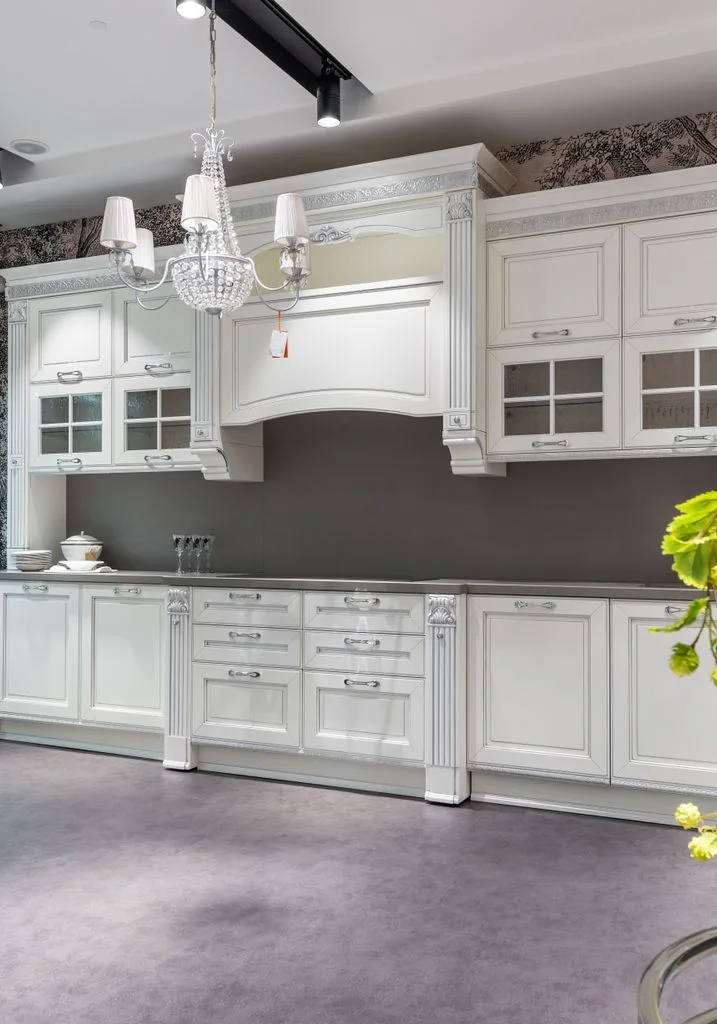
White cabinets are the classic partner for pink appliances, and the pairing has worked since the 1950s for a reason: white gives pink room to breathe, reflects light onto those glossy finishes, and keeps the overall feeling fresh instead of saccharine. Shaker or flat white cabinets, light counters, and chrome hardware create the clean backdrop that lets a full pink set look elegant.
Pure stark white can make blush pink look washed out, so choose warm whites — creamy, slightly ivory paints and counters — and add wood through a cutting board stack, a butcher-block section, or open shelves. Keep walls in the same warm white family and let the appliances, textiles, and one or two art pieces supply all the color. That restraint is why white-and-pink kitchens feel expensive: the color is concentrated and surrounded by calm.
9. Pink Appliances with Marble and Brass
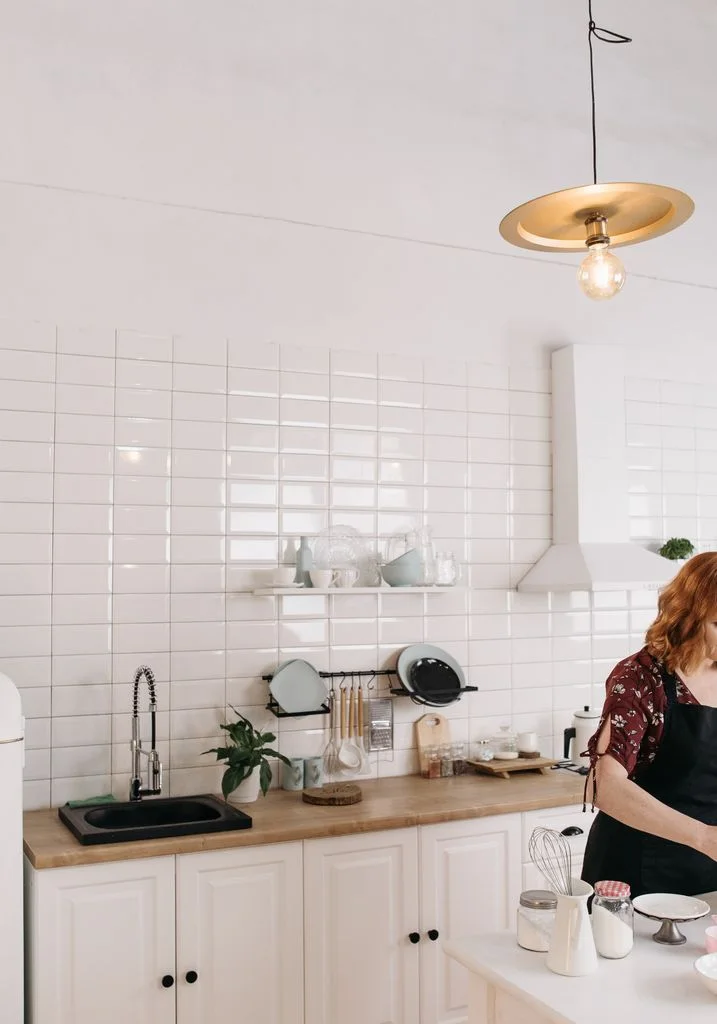
If you want retro pink to read luxurious rather than cute, marble and brass are your materials. A marble or marble-look countertop and backsplash — real Carrara, or a quartz lookalike at $40–$90 per square foot installed — gives pink a grown-up, European-cafe elegance. Brushed brass faucets, pulls, and rails add the warmth that keeps the palette sophisticated, and marble’s grey veining echoes the appliances’ chrome.
Brass should appear in at least three places — faucet, hardware, and a light fixture or rail — so it reads as a theme, and marble should stay on the main surfaces. Blush and dusty pinks suit this pairing better than bright bubblegum, which can fight the formality of stone. Add one black element, like a framed print or a stool, and the scheme sharpens instantly.
10. A Retro Diner-Style Breakfast Nook
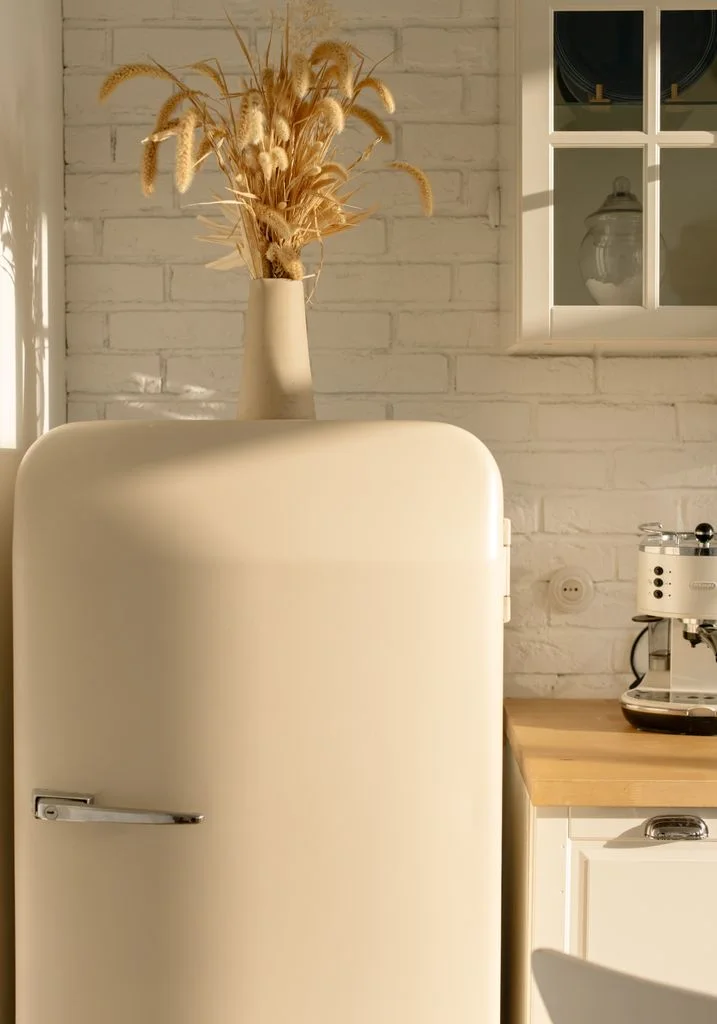
Lean into the era with a diner-style breakfast nook, and your pink appliances suddenly have a storyline. The ingredients are simple and mostly affordable: a round or rectangular table with a chrome edge band, vinyl or leatherette chairs or a small banquette in white, red, or mint, and a pendant light overhead. Nook sets in this style run about $250–$700 new, and vintage-style pieces are common secondhand finds. Position it near the coffee station and the pink toaster.
A pink or chrome napkin dispenser, checkered cushions, and one piece of retro wall art are plenty. Keep the nook’s palette to white plus one accent color so it connects to the kitchen. It is genuinely practical too: durable surfaces, easy-clean seating, and a spot that collects people while dinner cooks.
11. Pink and Mint Vintage Pairing
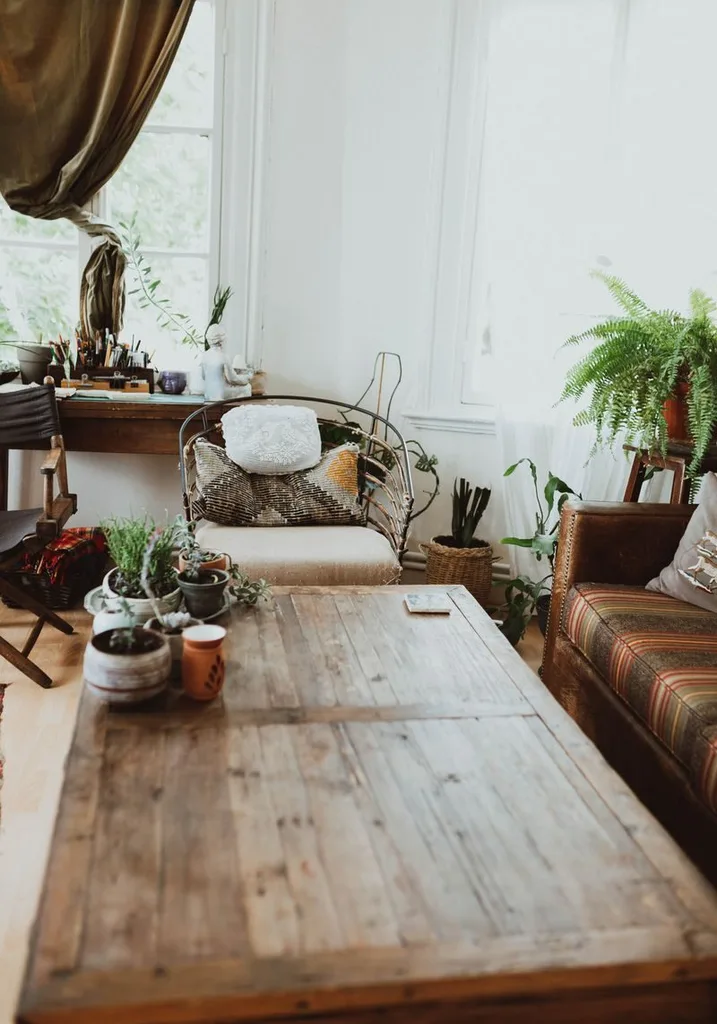
Pink and mint green is the definitive 1950s pairing, and the two pastels still make each other look better. The easiest version: pink appliances, with mint in the accents — canisters, an enamel bread box, painted stools. A fuller version splits the appliances themselves — a mint refrigerator with pink countertop pieces — as long as both shades sit at the same softness level.
Keep a third neutral in charge so the pairing stays fresh rather than ice-cream-parlor sweet. White or cream covers the largest surfaces, with wood or chrome grounding the scheme. Aim for roughly 60% neutral, 25% of your lead color, and 15% of the second pastel. If you are nervous, start with mint only in things that are free to change — dish towels, a rug, plant pots, a hand mixer ($40–$90) — and live with it a month before committing to a big piece.
12. Pink and Black Retro Contrast
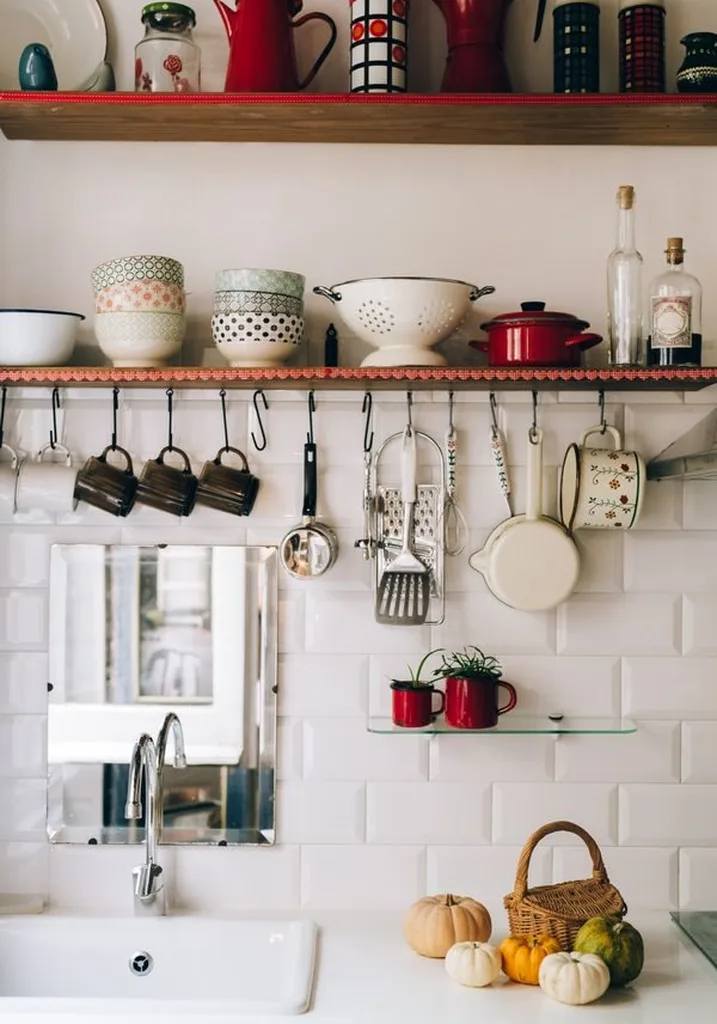
For a moodier, more fashion-forward take on retro, pair pink with black. Black-framed windows or cabinet hardware, a black faucet, black bar stools, or a black-and-white floor gives blush and bubblegum pinks a sharp edge that reads more rock-and-roll diner than sweet tea party. Black also hides wear around cooking zones, and a few black elements make a small pink collection look bold rather than tentative.
Black should be the accent, not the atmosphere — think 15–20% of the visual weight, in lines and frames rather than big blocks. A black range hood outline, black pendant lights, and black chair legs are perfect; black cabinets plus pink appliances usually overwhelms. Glossy pink holds up best against black, and chrome bridges the two colors wherever they meet.
13. Open Shelving with Pink Accents
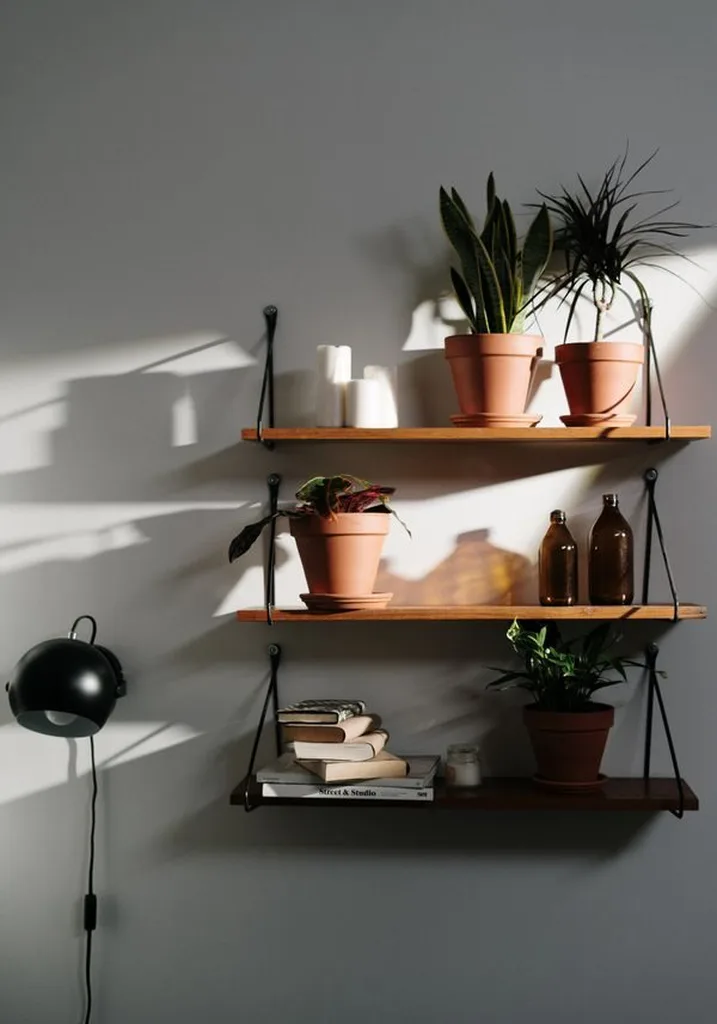
Open shelves are where a pink appliance kitchen gets its layered, collected feeling. Style shelves with a rhythm: white everyday dishes as the base, pink glassware as the color beat, and wood or woven texture for warmth. Floating wood shelves run about $25–$80 each, and most of the styling pieces — pink mugs, bowls, and canisters — cost $8–$30 apiece new or a few dollars thrifted.
Follow the stylist’s rules: group in odd numbers, vary heights with a small stack of cookbooks or a cake stand, and leave a third of each shelf empty so it breathes. Keep daily items low and pretty pieces up high. Dust is the trade-off, so choose pieces that rinse quickly and rotate them seasonally to keep the kitchen feeling fresh.
14. Retro Pink Wall Clock and Details
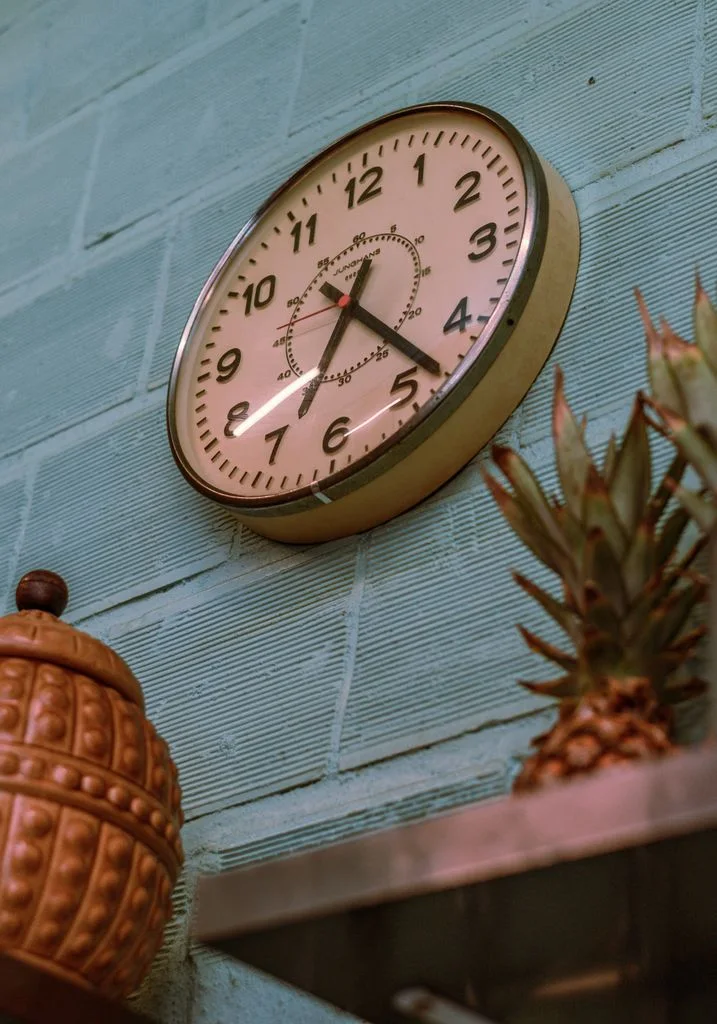
The details are what separate a kitchen with pink appliances from a pink retro kitchen. A starburst or rounded retro wall clock in pink — widely available in the $25–$70 range in the style of classic 1950s diner clocks — fills the awkward wall space above a doorway or beside cabinets and reinforces the era at a glance. Then work through the small echoes: pink switch plates, a pink enamel utensil crock, and a retro-style radio or Bluetooth speaker on the counter ($40–$120).
Choose three to five detail pieces, not fifteen — the eye should discover pink as it moves around the room. Match details to your appliance shade family, and prefer pieces with chrome or black to tie back to the appliances’ trim. This is also the most thrift-friendly layer — vintage shops are full of pink enamelware and clocks at a fraction of new prices.
15. Pink Textiles That Tie It Together
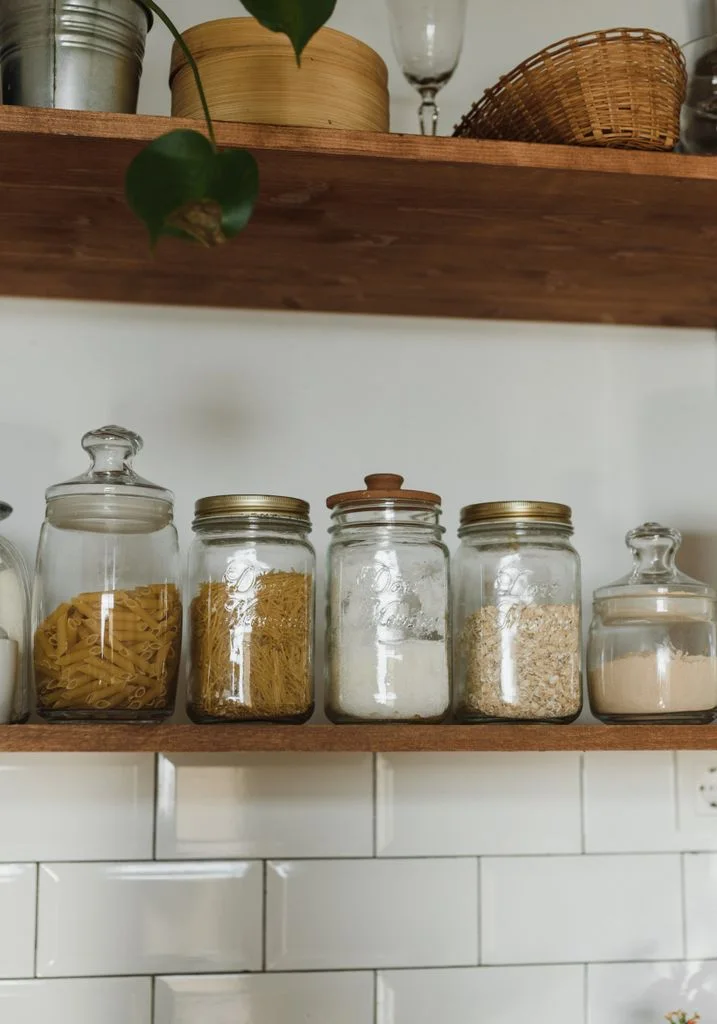
Textiles are the cheapest, fastest, most reversible way to strengthen a pink scheme — the layer renters should start with. A set of pink and white striped or checkered dish towels ($12–$25), a pink-trimmed apron on a hook, cushions for the nook chairs, and a washable runner in a faded pink pattern ($30–$90) repeat the appliance color at floor, counter, and seat height.
Mix your pink textiles instead of matching them exactly. Combine a solid blush towel, a pink-and-white check, and one small floral with pink in it, all grounded by cream or natural linen pieces so the set feels collected. Choose fabrics that can be hot-washed, and buy duplicates of favorite towels — they will be in the laundry half the time.
16. Checkerboard Floors for the Retro Finish
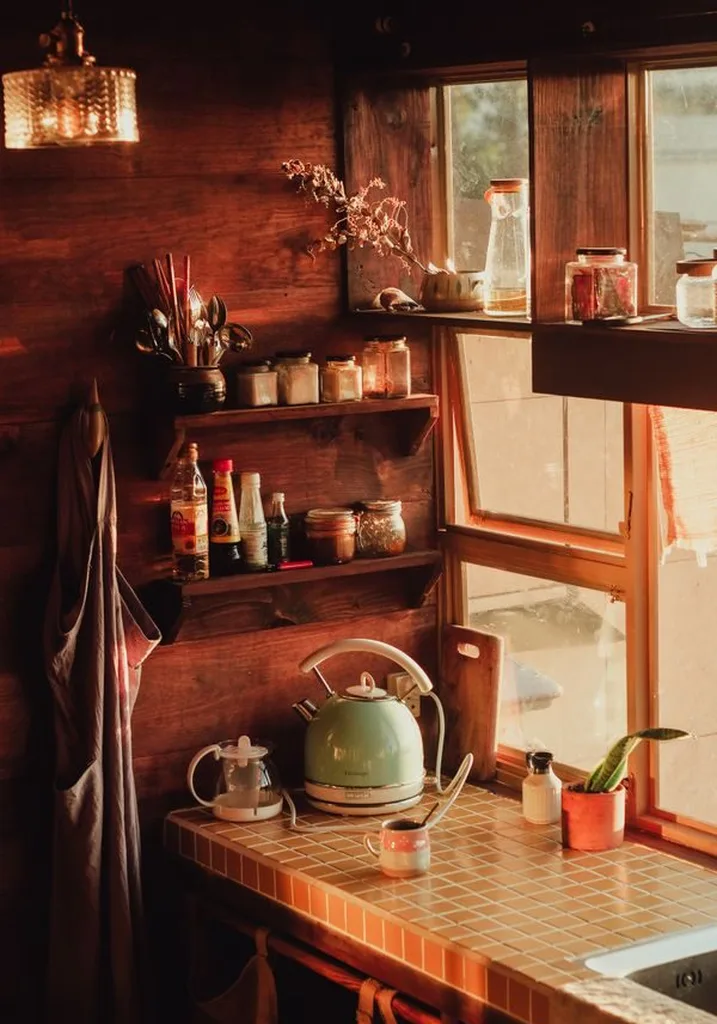
Nothing finishes a retro pink kitchen like a checkerboard floor. The black-and-white (or cream-and-charcoal) grid is the era’s signature surface, and it grounds the sweetness of pink while hiding everyday crumbs between cleans. Real marble checkerboard is a splurge, but porcelain tile versions run about $3–$8 per square foot, luxury vinyl tile $2–$5, and peel-and-stick vinyl squares — the renter and budget favorite — about $1–$3 per square foot.
Scale the checks to your kitchen: 12-inch squares suit most rooms, small kitchens can go to 9 or 10 inches, and large ones can stretch to 18. Run the pattern on the diagonal if your room is narrow — it visually widens the floor. With pink appliances, keep the checkerboard to just black and white or black and cream; adding a third color to the floor is where retro kitchens start to feel busy.
17. Pink Appliances in a Small Kitchen
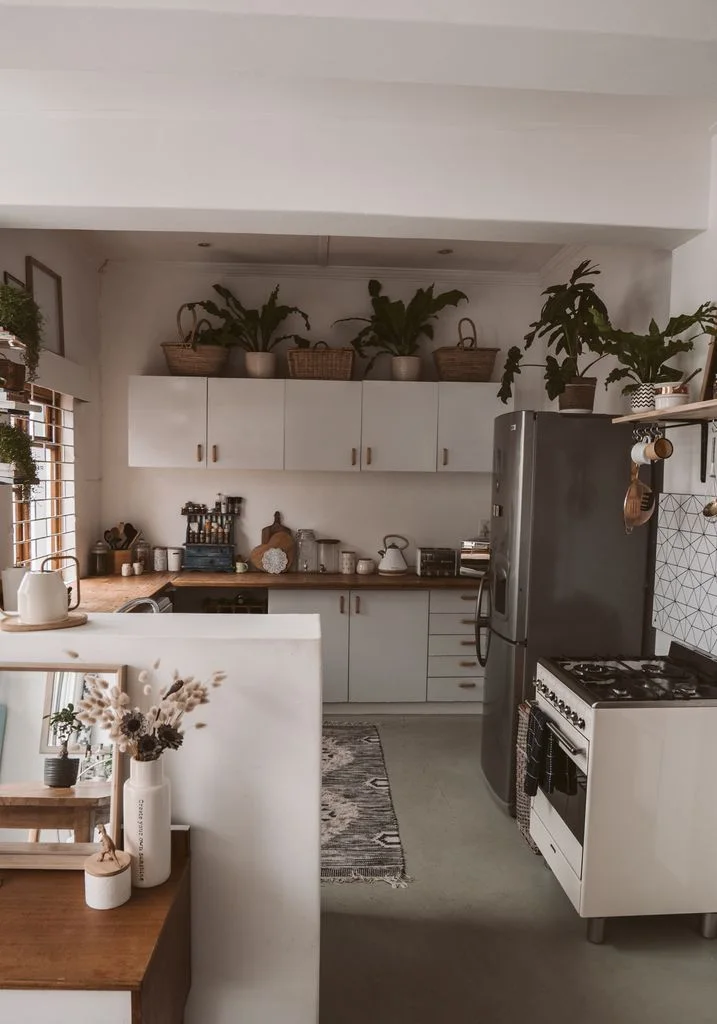
Small kitchens are where retro pink appliances shine brightest, because a compact room needs exactly what pink delivers: one clear personality, expressed in a few pieces. Choose the compact retro lines — apartment-size fridges around 7–11 cubic feet ($700–$1,200), 24-inch ranges, and two-slice toasters — and limit yourself to three or four pink pieces total. A pink fridge, kettle, and toaster already read as a full scheme; more pieces crowd the counters and the eye.
Keep the pink pieces along one wall or in one L-shaped run so the color forms a single composition instead of scattered spots, and choose the lightest blush shade you love, since pale pink reflects light almost like white. A pink clock high on the wall draws the eye up and makes the ceiling feel taller.
18. Mix Retro Pink with Modern Lines
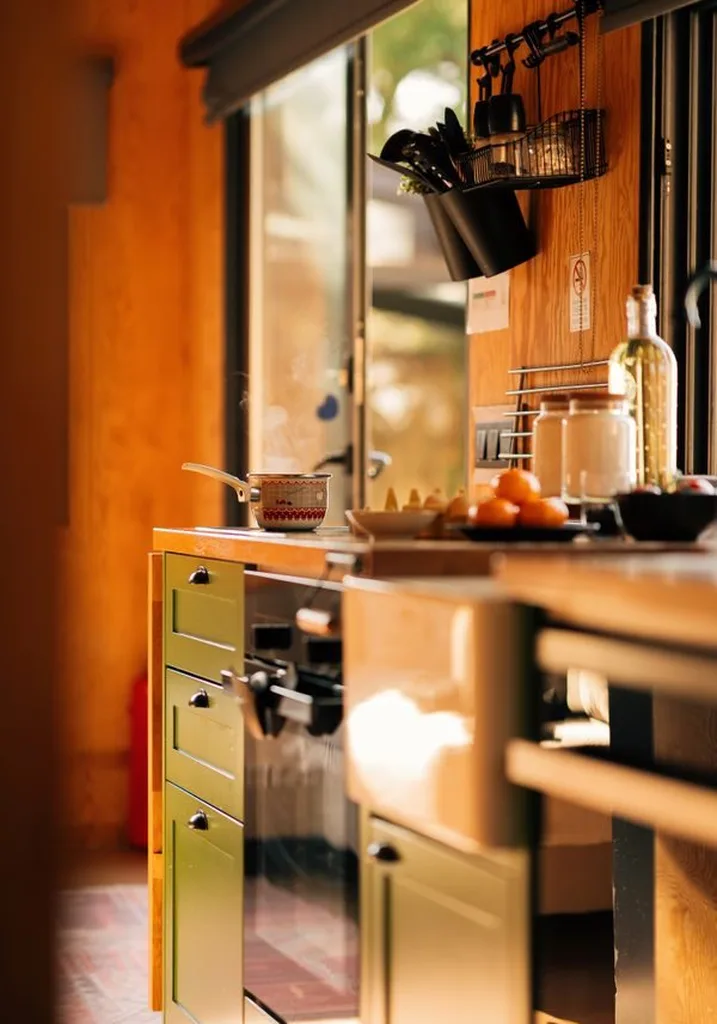
You do not have to choose between retro and modern — some of the most saved kitchens on Pinterest mix the two deliberately. The formula is contrast with discipline: keep the architecture modern (flat-front cabinets, simple counters, clean hardware) and let the retro pink appliances be the only vintage note, or keep one retro hero like the fridge and choose modern versions of everything else. The pink pieces become sculpture against the calm modern background, and the room feels current rather than themed.
Avoid the halfway mix — a little retro in the tile, lighting, and appliances adds up to a room that cannot decide what it is. Make the appliances the vintage layer and commit to modern for the rest. Stainless and matte black sit comfortably beside glossy pink, and that tension between eras is what makes the room memorable.
19. Pink Glassware and Canister Displays
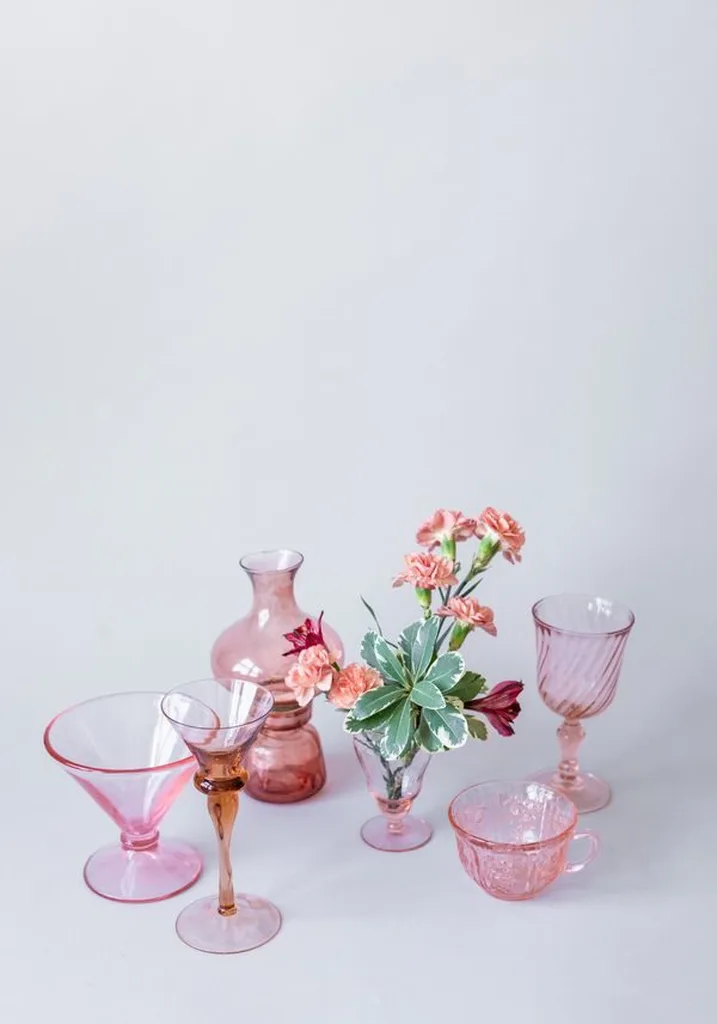
Pink glassware is the vintage collector’s secret weapon. Depression-era style pink glass, modern blush goblets, and pink-tinted tumblers catch light on open shelves and in glass-front cabinets in a way no solid object can, and they are useful every day. Build a set gradually: glasses and goblets run $5–$15 each new, vintage pieces vary at thrift stores, and a trio of pink glass canisters ($25–$60 the set) gives your counter a styled moment that earns its space.
Pink glass belongs where sun or under-cabinet light passes through it — the top shelf near a window, a glass cabinet with a small interior light, or a tray beside the coffee station. Mix clear glass and white ceramics around it so the pink can glow. If vintage glassware worries you for daily use, display the old pieces and buy modern pink glass for the table.
20. Lighting for a Warm Retro Glow
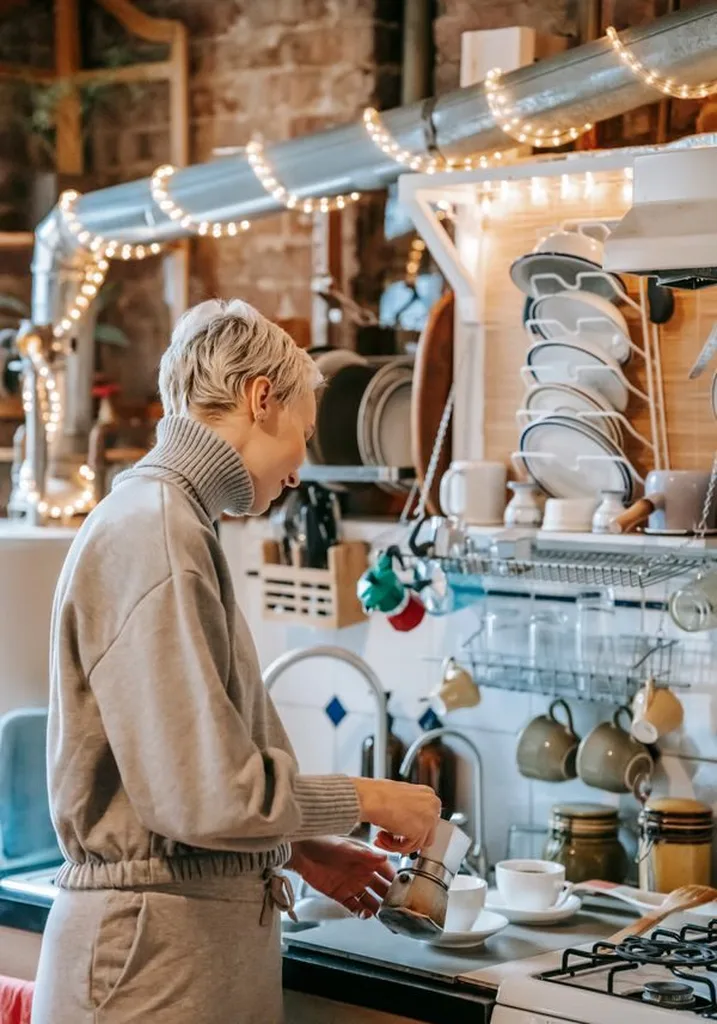
Lighting decides whether pink appliances look soft and expensive or flat and sugary. Retro kitchens want warm light — 2700K bulbs — layered from three sources: pendants over the main zone, under-cabinet strips, and one accent lamp. Chrome, opal-glass, and brass fixtures suit the era; globe pendants and schoolhouse lights in the $60–$250 range are the classic choices and flatter every shade of pink.
Test your exact pink under your actual bulbs before committing to big pieces — warm light deepens blush toward peach, cool light pushes it grey. Live with a kettle in the shade for a week first. Dimmers ($20–$40 for the switch) pay off nightly, shifting the kitchen from bright prep light to a soft diner glow.
21. Keep It Timeless: Care and Classic Choices
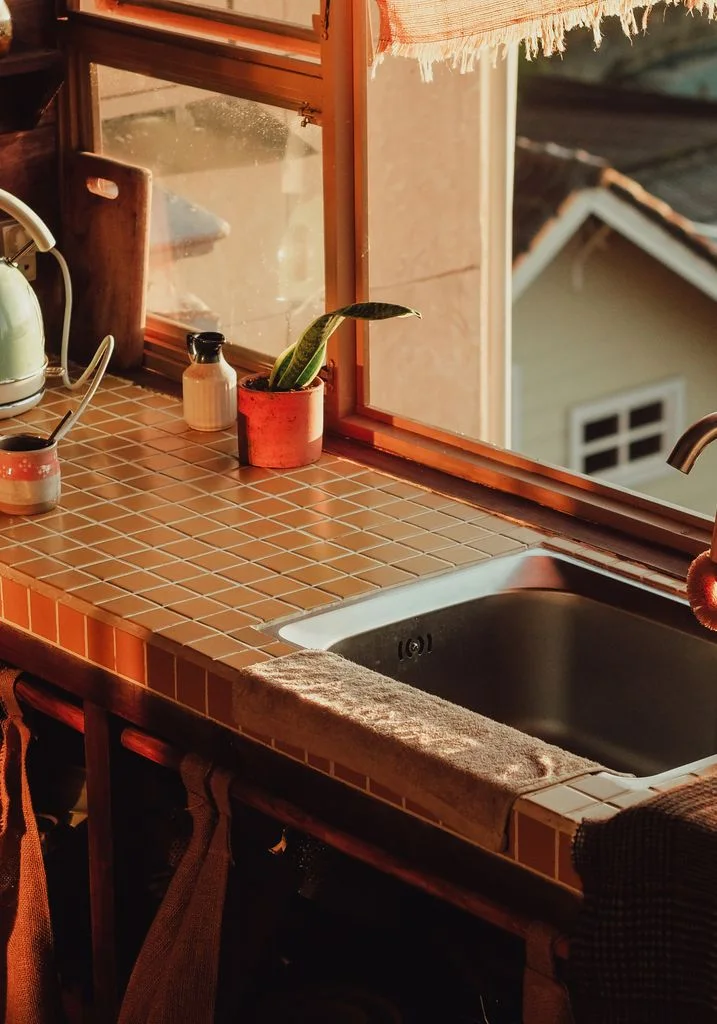
A retro pink kitchen stays timeless when you treat the color as a classic and care for the pieces properly. Glossy enamel and powder-coated finishes are durable but dislike abrasives: clean with soft cloths and mild soap, skip scouring powders on colored finishes, and wipe chrome trim dry to prevent water spots. Descale kettles regularly in hard-water areas and wipe fridge door seals occasionally to keep them supple — small habits that keep pink showroom-bright for a decade.
Favor the shapes that have already survived seventy years: rounded corners, chrome bands, analog-style dials, and blush-to-bubblegum shades rather than neon or novelty finishes. Buy the best quality you can for daily-touch appliances, keep color names in one folder so future pieces match, and your pink kitchen will age gracefully.
How to Choose Retro Pink Appliances That Suit Your Kitchen
Match the shade before anything else. Order color swatches or buy the smallest piece in the line first — a kettle or toaster — and check it in your kitchen’s daylight and evening light. Retro pinks split into blush (grey-softened), pastel (milky), and bubblegum (brighter); pieces from one family coordinate, pieces across families clash in a way you will notice every day. Brands keep shades consistent within a line, so staying in one retro collection is the safest matching strategy.
Measure like a professional. For fridges and ranges, measure width, depth, and height, then measure your doorways and hall turns — retro pieces have rounded bodies that can be deeper than they look. Leave the manufacturer’s ventilation gap, especially beside ranges. For small appliances, measure under-cabinet clearance with the lid or basket open, not closed. Check energy and practicality too: modern retro-styled fridges carry the same energy ratings as standard models, so compare the yellow energy label, not the styling; a pretty fridge that costs a fortune to run is a bad buy.
Buy in the right order. If you are building over time, start with daily-touch smalls (kettle, toaster, mixer), then the refrigerator when the old one is due, then the range last, since it is the biggest installation job. Decide your metal at the same time — chrome is era-authentic, brass is luxe — and repeat it in hardware and lighting.
Retro Pink Kitchen Style on a Budget
Under $150 — the taster tier. One pink kettle or toaster, a set of pink dish towels, and a thrifted pink enamel piece for the counter. This is enough to test your shade and your feelings about living with pink, and every piece stays useful even if you stop here. $150–$600 — the countertop tier. Add the stand mixer or espresso maker and complete the small-appliance row in one brand’s shade; at this level the kitchen reads unmistakably retro pink from the doorway, and most readers find this tier delivers the best happiness per dollar.
$600–$2,000 — the statement tier. A compact retro fridge or a mid-size model on sale, plus open shelving styling and a checkerboard peel-and-stick floor. Watch holiday sales and outlet sections of the retro brands, and read the small-kitchen makeovers on Apartment Therapy for realistic budget versions. $2,000 and up — the full vintage tier. Full-size fridge and the pink range, installed once and enjoyed for a decade or more. At every tier: spend on daily-touch pieces, save on textiles, glassware, and details.
Common Mistakes to Avoid
Mixing pink shade families. A blush fridge, a bubblegum toaster, and a dusty-rose mixer do not average out — they argue. Buy within one shade family or brand line.
Going pink on every surface. Pink appliances plus pink cabinets plus pink walls is a theme park. The appliances are the color; everything else stays neutral.
Choosing color over function. A gorgeous kettle that takes six minutes to boil or a cute fridge that fails your family’s storage needs will be resented daily. Read capacity, energy, and warranty specs with the same care you give the shade chart.
Forgetting the metal story. Chrome trim, a brass faucet, black hardware, and a nickel fixture in one kitchen reads as chaos. Pick one main metal and one supporting metal.
Skipping the light test. Pink shifts dramatically between daylight, warm evening bulbs, and cool LEDs. Live with a small piece for a week before ordering the refrigerator in the same shade.
Buying the whole set at once, on credit, for the photo. The collected-over-time row looks better and costs less in mistakes. The style is seventy years old — it is in no hurry.
📌 Also Read:
Frequently Asked Questions
Will I get tired of pink appliances?
Most owners do not, because pink in the blush-to-pastel family behaves like a warm neutral once you live with it — it is the novelty finishes and neon shades that wear thin. Choosing classic rounded shapes, keeping the rest of the kitchen neutral, and starting with small appliances before big ones means the look grows on you gradually.
Do retro pink appliances cost more than regular ones?
Small appliances carry a modest premium — often 10–30% — because retro lines use metal bodies and special finishes. Large retro fridges and ranges cost more than basic white appliances but sit in line with mid-range stainless models of similar capacity. Compact retro lines in the Galanz style are the exception, priced close to ordinary small fridges.
What colors go best with pink kitchen appliances?
The proven partners are warm white and cream for a fresh classic look, mint green for the authentic 1950s pairing, black for sharp retro contrast, and marble with brass for a luxe version. Wood — especially light oak and walnut — warms every version. The safest formula is one neutral covering most surfaces, pink as the star, and one accent color or metal repeated in at least three places.
Can I create this look in a rental kitchen?
Yes — the countertop tier of this guide was practically designed for renters. Small appliances, textiles, a pink kettle-and-toaster pairing, peel-and-stick checkerboard flooring, and open-shelf styling with removable brackets all leave with you when you move. Most renters get the full effect from smalls alone, with zero permission needed.
Where is the best place to buy retro pink appliances?
Buy from the brand’s own retro line, and compare the shade in person when you can — screens lie about pink. Holiday weekends bring the deepest discounts. For glassware, canisters, clocks, and enamel details, thrift stores, estate sales, and vintage marketplaces beat new prices easily and add the authentic patina a retro kitchen loves.
Conclusion
A retro pink kitchen is not about recreating 1955 — it is about building a room that makes you smile at 7 a.m. while the kettle heats. Start with the piece your heart keeps returning to, whether that is the big pink refrigerator or a $60 toaster, match your shade family, surround it with calm neutrals and one confident metal, and let the collection grow at the pace your budget enjoys. Do that, and you will end up with a kitchen that is practical every day, timeless for years, and completely, unmistakably yours.
If this guide helped you plan your pink kitchen, save it to your kitchen board for your next shopping trip — and start with idea one or idea three this weekend. Your future self, making coffee in a kitchen that glows blush in the morning light, will be very glad you did.