Top 21 Compact Furniture for Apartments Ideas for Small Space Living
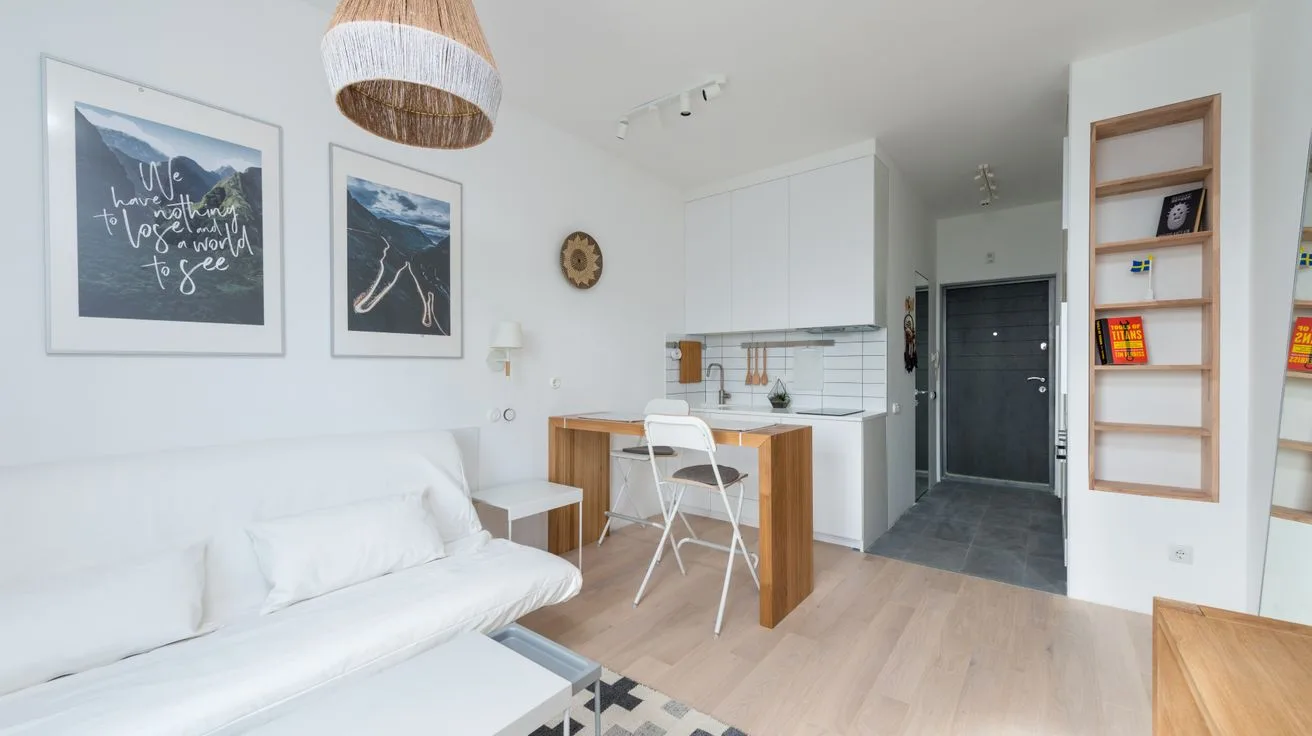
A small apartment does not have to feel small. The right furniture can give you a place to sleep, a place to eat, a place to work, and a place to store everything you own, all inside one compact home. Compact furniture for apartments is built for exactly this kind of living. Every piece earns its floor space by doing two jobs at once, folding away when you do not need it, or hiding storage inside a shape that looks like ordinary furniture.
In this guide you will find 21 compact furniture for apartments ideas, from sleeper sofas and murphy beds to nesting tables, storage benches, and rolling kitchen islands. Every idea includes what to buy, what it costs, and how to style it so your apartment looks pulled together rather than crowded. Most of these pieces cost less than a full size furniture set, and many of them arrive ready to use with no tools and no assembly stress.
Save this list before your next furniture shop. Whether you live in a studio, a one bedroom flat, or a small rental with a strict landlord, there is an idea here that will make your home feel bigger, calmer, and easier to live in.
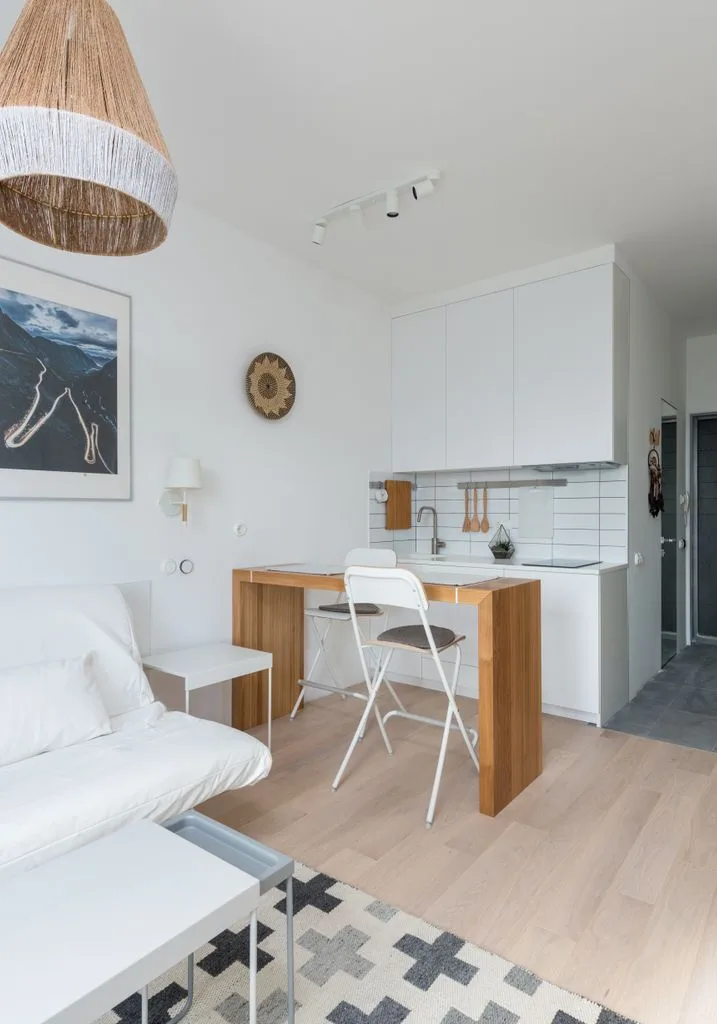
Overview
Compact furniture works because it follows one simple rule: every piece must do more than one job. A sofa that turns into a bed gives you a guest room without a spare room. A dining table with leaves that fold down seats two people on a normal day and four people on a Friday night. A bench by the door holds shoes, bags, and blankets inside, and gives you a seat while you tie your shoes. When each piece carries two jobs, a small apartment starts to feel like a much larger home.
Start by measuring every wall and doorway before you buy anything. Write down the width, the depth, and the height you can spare, and carry those numbers with you when you shop. A sofa that is two inches too wide can block a door, and a table that is four inches too deep can steal the walkway to your kitchen. Browse real small homes for ideas first, like the small apartment makeovers on Houzz, and notice how the best rooms use light colors, low furniture, and clear floor space to feel open.
The ideas below move through your home in the order you live in it: seating and sleeping first, then eating and working, then storage. Pick five or six that fit your rooms and your budget, and your apartment will feel bigger within a single weekend.
Key Takeaways
- Choose furniture that does two jobs, like a sleeper sofa, a storage ottoman, or a lift top coffee table.
- Measure every wall, doorway, and walkway before you buy, and keep at least 30 inches clear for walking.
- Use the walls and the vertical space with floating shelves, ladder shelves, and tall cube storage.
- Pick pieces that fold, stack, or roll away so the room can change shape during the day.
- Keep the palette light and the legs visible so the floor shows through and the room feels open.
- Most ideas cost under 300 dollars, and many of the best pieces cost under 150 dollars.
1. Sleeper Sofa That Works Day and Night
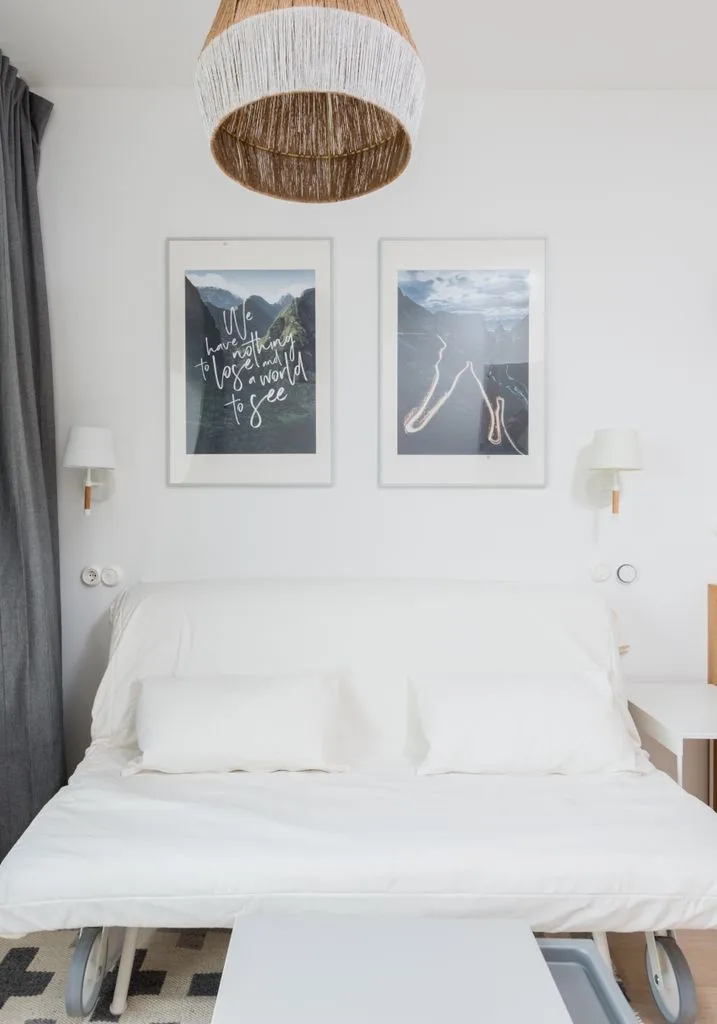
A sleeper sofa is the single most useful piece of compact furniture for apartments, because it turns your living room into a guest room in under a minute. Look for a model with a pull out bed frame and a mattress at least four inches thick, so guests sleep on a real bed rather than a thin folded pad. A loveseat size sleeper fits rooms where a full sofa would block the walkway, and it still sleeps one adult in comfort.
Style it like a normal sofa during the day with two cushions and a soft throw folded over one arm. Keep the bedding in the storage ottoman or in a basket beside the sofa, so the change from sofa to bed takes one minute and no trip to the closet. Good sleeper sofas run 400 to 900 dollars, and a washable slipcover keeps the fabric fresh when the bed gets used often.
2. Storage Ottoman That Hides the Clutter
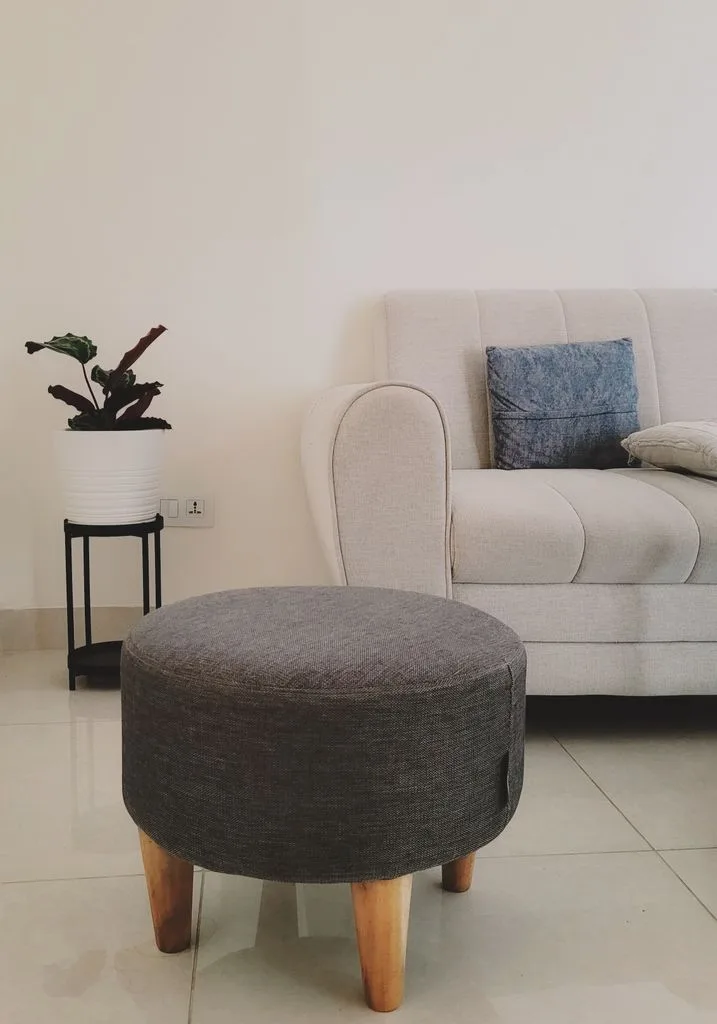
A storage ottoman is a seat, a footrest, a coffee table, and a closet in one small cube. The lid lifts to reveal space for blankets, board games, chargers, and the remote controls that always go missing. Choose one with a flat firm top so it can hold a tray with coffee cups, and pick a size that fits under your coffee table or beside the sofa without blocking the walkway.
Place it in the center of your seating area and dress it with a tray, a candle, and one small plant. When guests arrive, move the tray aside and the ottoman becomes an extra seat. Round ottomans work best in tight rooms because they have no sharp corners to bump into, and a fabric in a mid tone hides dust and pet hair. Most storage ottomans cost 60 to 180 dollars.
3. Drop Leaf Dining Table for Two or Four
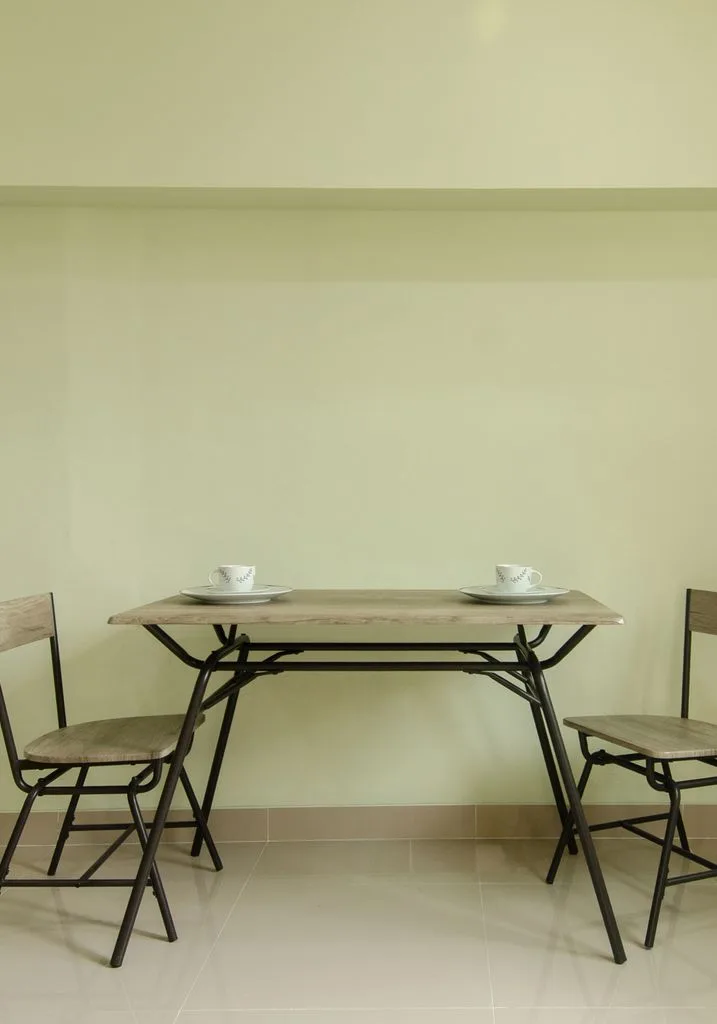
A drop leaf dining table is the classic answer to eating in a small apartment. With both leaves down it is a slim console against the wall. With one leaf up it seats two people for breakfast. With both leaves up it seats four people for dinner. Look for a table with a solid wood top and a simple hinge that one person can lift with one hand.
Pair it with two folding chairs that hang on wall hooks when they are not in use, so the dining corner stays clear on normal days. Add a small vase and a folded linen napkin to the tabletop so the corner looks styled even when the leaves are down. A good drop leaf table costs 150 to 400 dollars, and a round top suits small rooms best because it has no corners to walk around.
📌 Related Articles:
4. Compact Writing Desk That Fits Any Wall
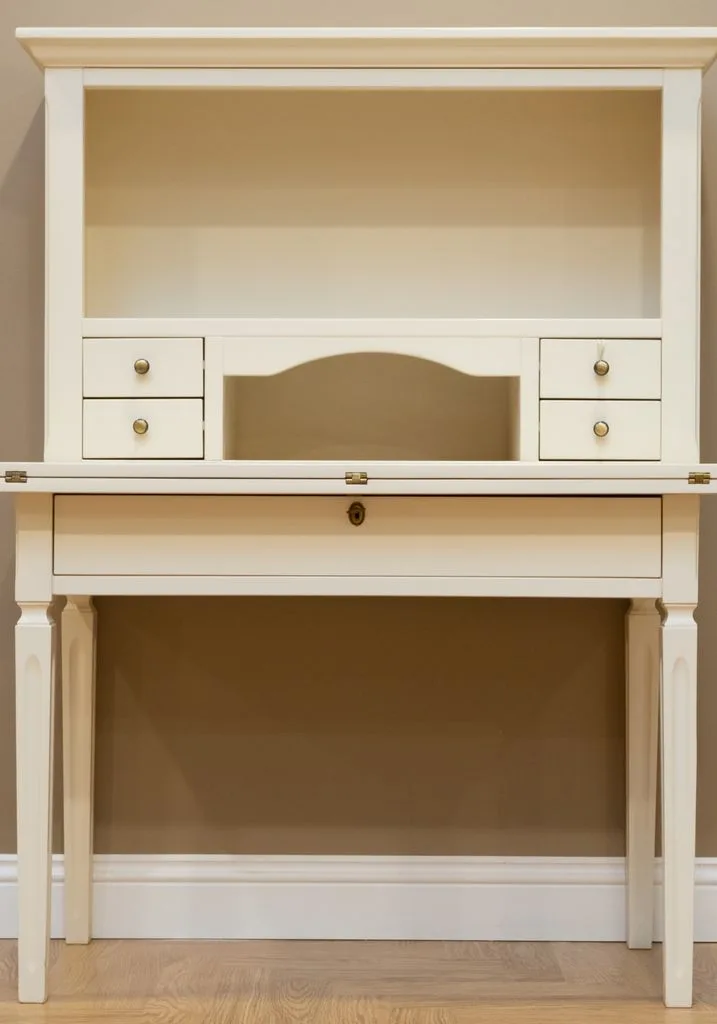
A compact writing desk gives you a real place to work without giving up a whole room to an office. A slim secretary desk with drawers and a small hutch holds a laptop, notebooks, and pens in less than three feet of wall space. Look for a desk with a drawer for chargers and cables, and a top shelf for a small lamp and a plant.
Place the desk near a window so you get daylight while you work, and add a chair that slides fully under the desk when the workday ends. Keep only the laptop, one notebook, and one pen on the surface, and store the rest in the drawers so the desk never looks like a storage pile. A good compact desk costs 120 to 350 dollars, and a light wood finish keeps a small room feeling bright.
5. Nesting Tables That Stack Away
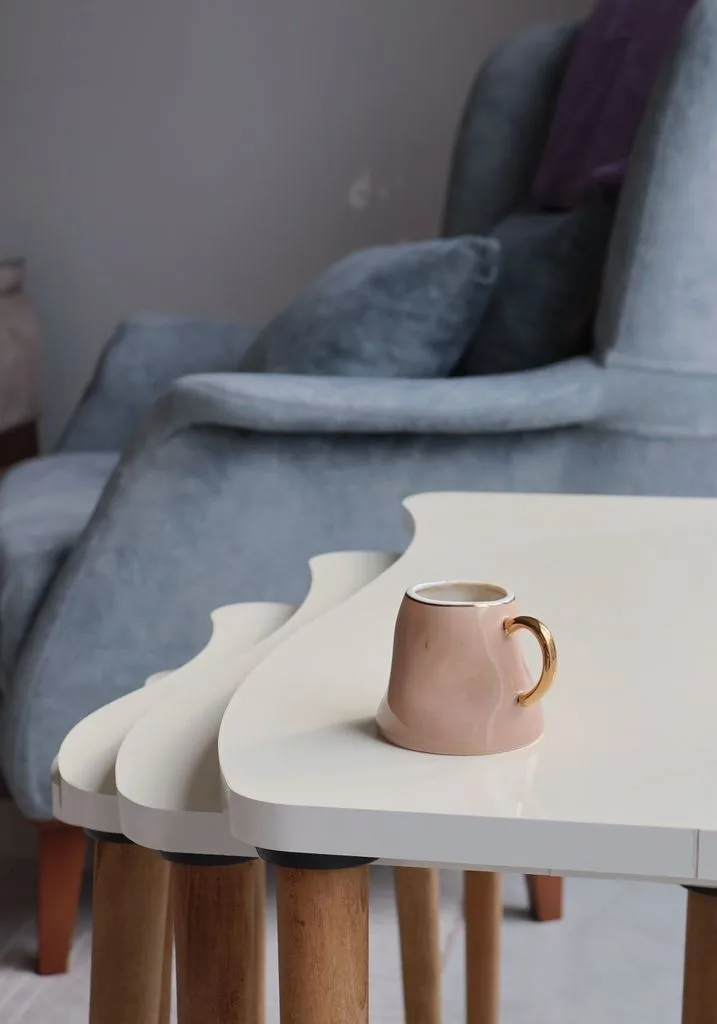
Nesting tables are two or three small tables that slide under each other when you do not need them. Pull one out beside the sofa for a coffee cup, pull two out when friends visit, and slide them all back together when the evening ends. Look for a set with a sturdy metal frame and wood or stone tops that wipe clean in seconds.
Style the largest table with a small vase and a book, and leave the smaller tables empty so they stay useful. A set with different heights looks better than a set with identical tops, and round tops suit small rooms because they soften the corners of the seating area. Most nesting table sets cost 70 to 200 dollars, and they weigh little enough to carry from room to room.
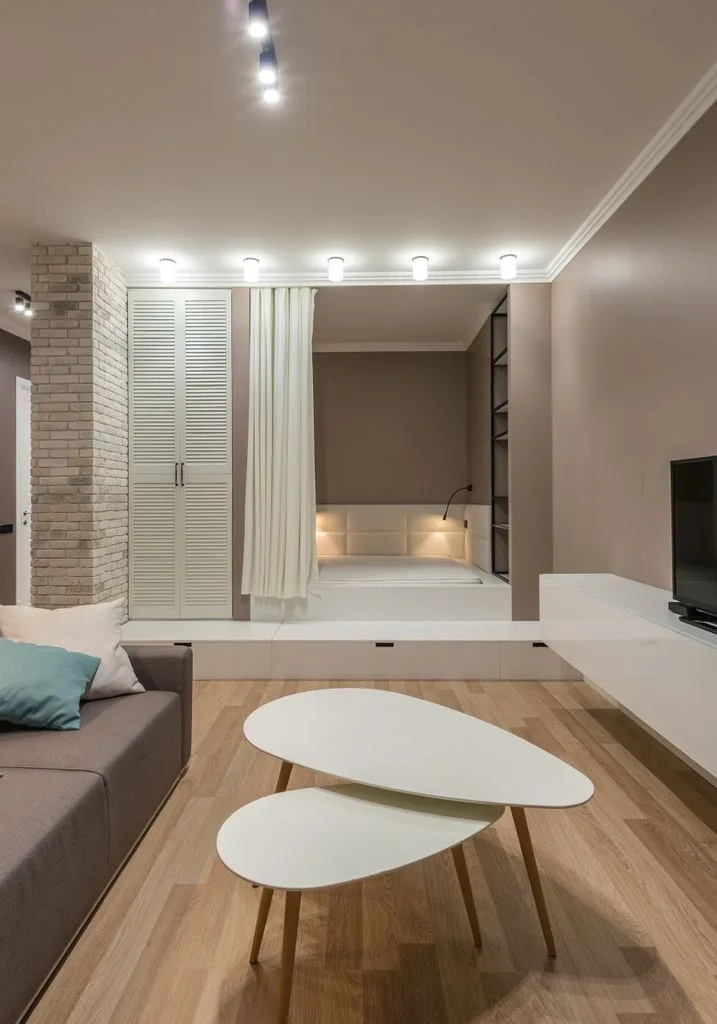
6. Murphy Bed That Folds Into the Wall
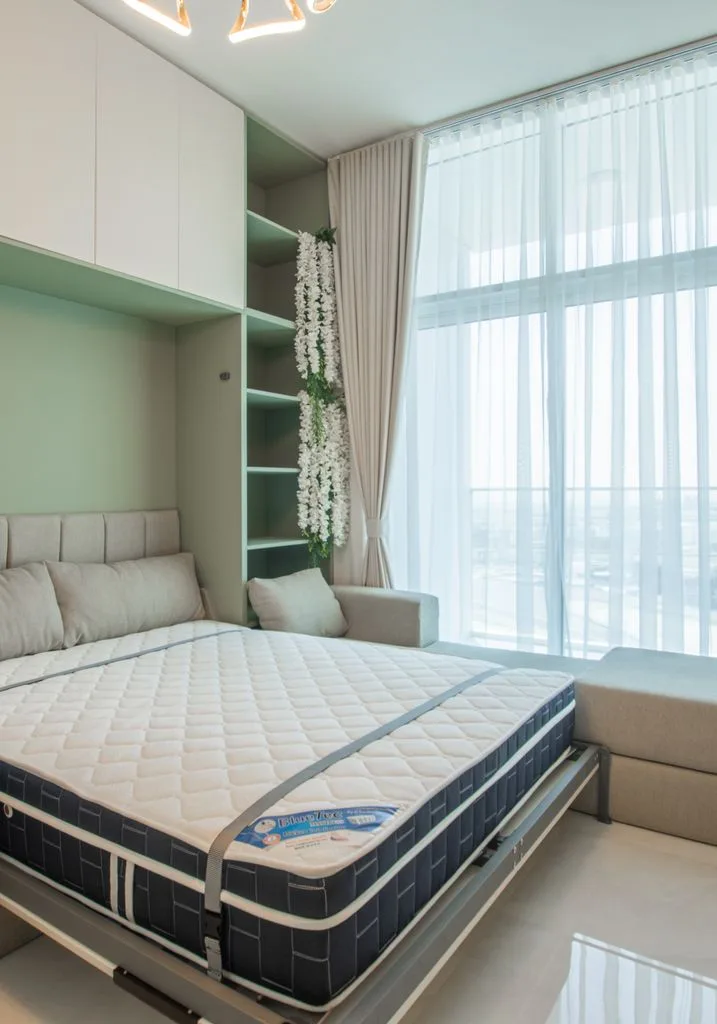
A murphy bed is the boldest space saving move you can make in a studio apartment. The bed folds up into a cabinet during the day and pulls down at night, which gives you a full living room for sixteen hours and a full bedroom for eight. Modern murphy beds come with a real mattress, a locking mechanism that one person can operate, and shelves or a sofa built into the front of the cabinet.
Measure your ceiling height before you order, since the cabinet needs about seven feet of clear wall. Keep the bedding on the bed when you fold it up. A good murphy bed costs 1,000 to 2,500 dollars, and it is worth hiring a professional to install it safely on the wall.
7. Storage Bed With Drawers Underneath
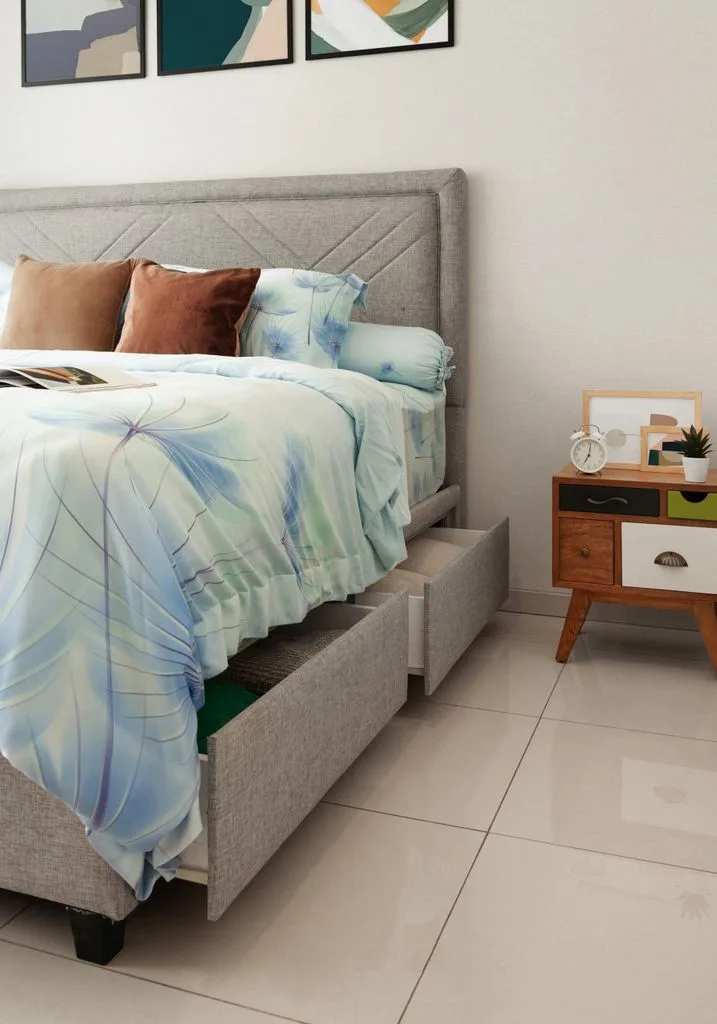
A storage bed turns the empty space under your mattress into the largest closet in your apartment. Drawers built into the base hold out of season clothes, spare bedding, and shoes, and a lift up frame gives you one big space for suitcases and bulky items. Look for drawers that roll on smooth glides and close softly, so you can open them at night without waking anyone.
Keep the drawers organized with one category per drawer: bedding in one, winter clothes in another, and shoes in the third. Add a simple headboard with a small shelf for a phone and a book, and the bed becomes the storage hub of the whole bedroom. Storage beds cost 500 to 1,200 dollars, which is less than a bed plus a separate dresser in most cases.
8. Armless Loveseat for Tight Corners
An armless loveseat seats two people in the space where a normal sofa would seat one and a half. Without arms, the seat feels wider than it is, and the clean lines make a small room look calm rather than crowded. Look for a loveseat no wider than 60 inches, with a seat depth of about 22 inches so it stays comfortable without pushing into the walkway.
Place it against the longest wall in the room and add two cushions in different textures for comfort and color. A low back keeps the sightline open to the window, which makes the whole room feel larger. Armless loveseats cost 250 to 700 dollars, and a removable washable cover is worth the extra money if you have pets or small children.
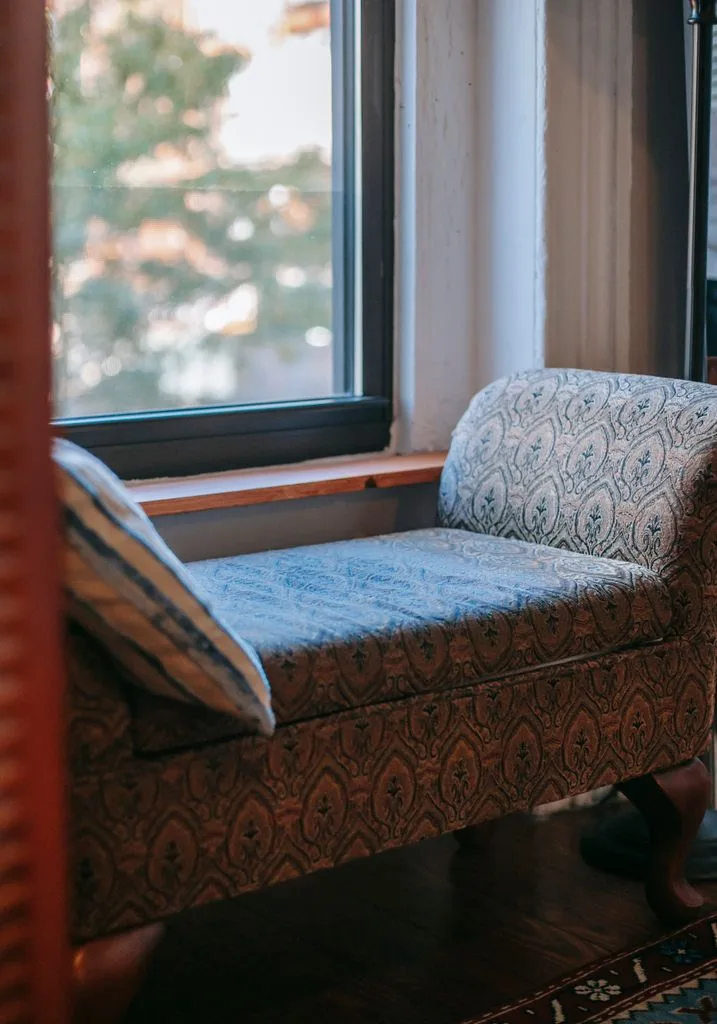
9. Bar Cart That Doubles as a Side Table
A bar cart is a rolling side table with style. Use it for drinks when friends visit, and roll it beside the sofa as a side table on normal days. Look for a cart with two shelves, a rail around the top so glasses do not slide off, and wheels that lock so it stays put when you want it to. A round cart fits small rooms best, since it turns easily in tight corners.
Style the top shelf with two bottles, a small plant, and a stack of cocktail napkins, and keep the lower shelf for glasses and a shaker. When the cart is not serving drinks, use it as a plant stand or a tea station. Good bar carts cost 80 to 250 dollars, and a brass or black metal frame suits almost every apartment style.
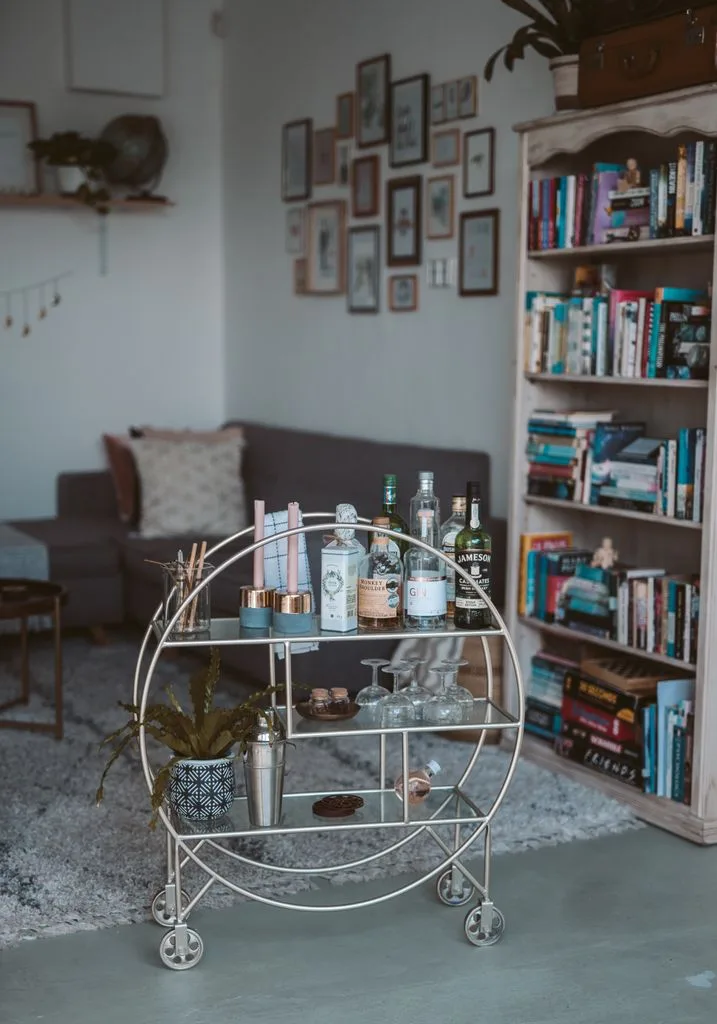
10. Folding Chairs That Stack Away
Folding chairs are the simplest way to seat extra people without owning extra furniture. Four wooden folding chairs hang on wall hooks or slide into a narrow gap beside the wardrobe, and they come out in seconds when dinner guests arrive. Look for chairs with a padded seat and a weight rating above 250 pounds, so every guest sits in comfort.
Choose chairs that match your dining table in wood tone and style, so they look like part of the set rather than spare chairs from a garage. A slim cushion in a wipe clean fabric makes them comfortable for a long meal, and a small stack of folded throws on one chair adds color to the corner where they hang. A set of four good folding chairs costs 100 to 300 dollars.
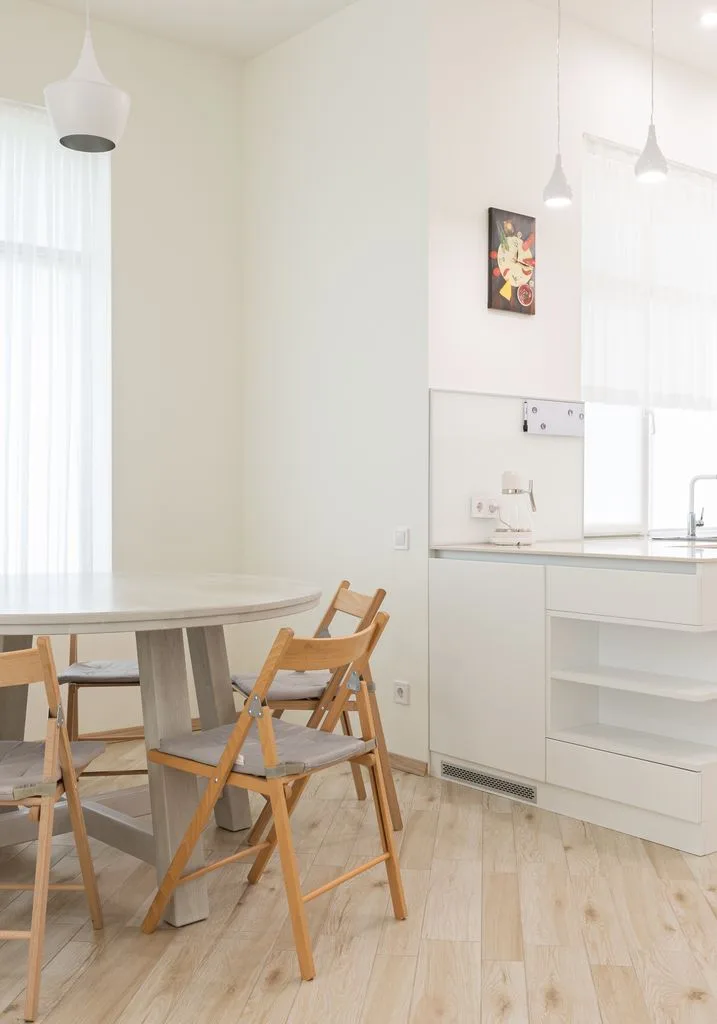
11. Slim Console Table for Narrow Walls
A slim console table turns a bare wall into useful space without blocking the room. At only ten to twelve inches deep, it fits behind a sofa, in an entryway, or along a hallway wall. Use it for keys and mail by the door, as a display shelf for a vase and a framed photo, or as a narrow desk for a laptop when you need a quick work spot.
Choose a table with one or two shallow drawers for the small items that always pile up: keys, sunglasses, chargers, and letters. Keep the top styled with only three objects, a lamp, a plant, and one book, so the narrow surface never looks crowded. Slim console tables cost 90 to 300 dollars, and a light wood or white finish keeps a narrow hallway feeling open.
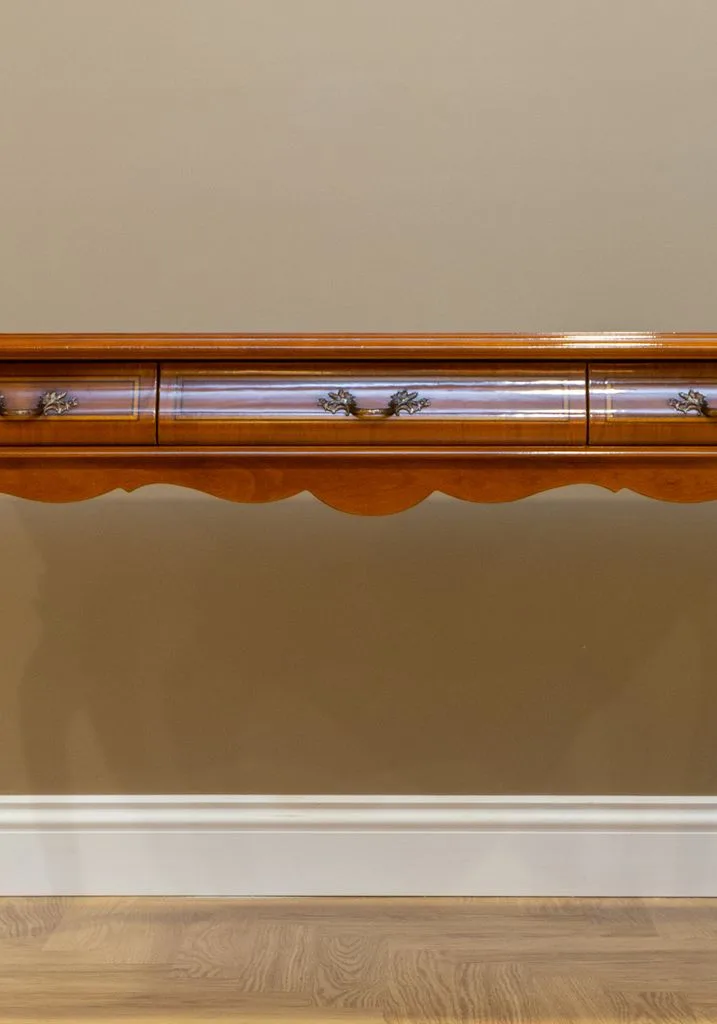
12. Lift Top Coffee Table With Hidden Storage
A lift top coffee table is a coffee table, a dining table, and a desk in one piece. The top lifts up and toward you on a hinge, so you can eat dinner or work on a laptop from the sofa without bending over a low table. Under the top there is a deep storage space for blankets, magazines, and the remote controls that always disappear between the cushions.
Look for a table with a smooth lift mechanism that holds the top steady at table height, and a top large enough for two plates and two cups. Style it with a tray and a small plant on one side, and leave the other side clear so the top can lift without moving anything. Lift top coffee tables cost 150 to 450 dollars, and a wood top with a metal frame suits most small living rooms.
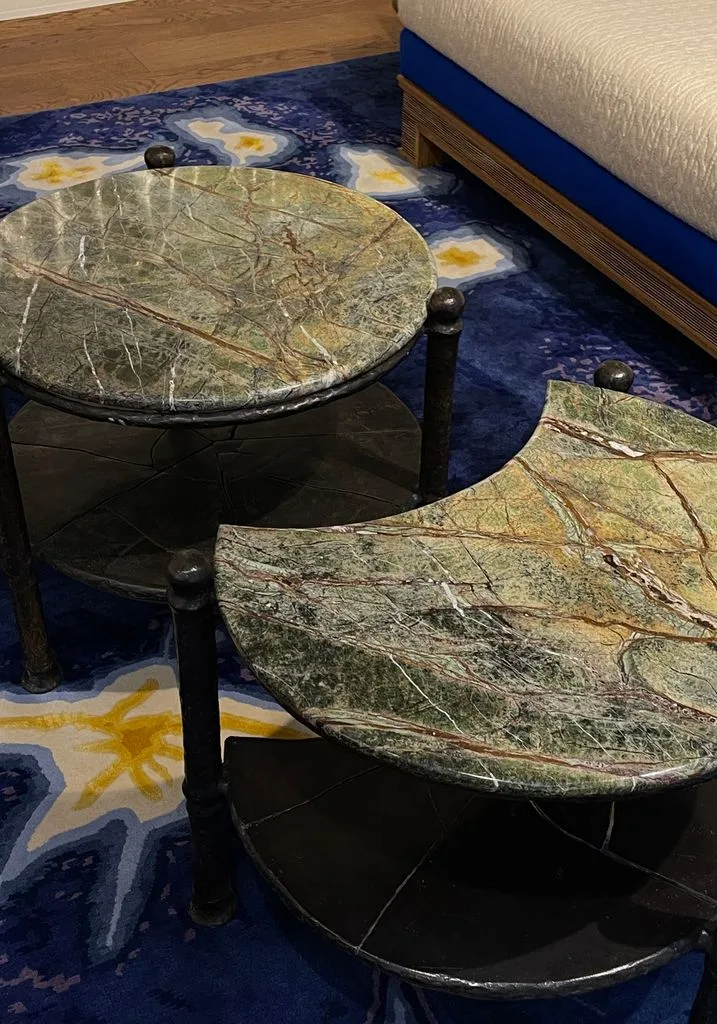
13. Cube Storage Shelving That Grows With You
Cube storage shelving is the most flexible storage you can buy for a small apartment. Start with four cubes beside the sofa, add four more when you move to a bigger place, and stack them into a room divider when you need one. Fabric boxes slide into the cubes to hide clutter, and open cubes display books, plants, and the objects you love most.
Mix open cubes and closed boxes in a simple pattern, with books and plants on the open shelves and everyday clutter inside the boxes. Label the boxes if you share the apartment, so everyone knows where things belong. A four cube unit costs 60 to 150 dollars, and matching fabric boxes cost about ten dollars each.
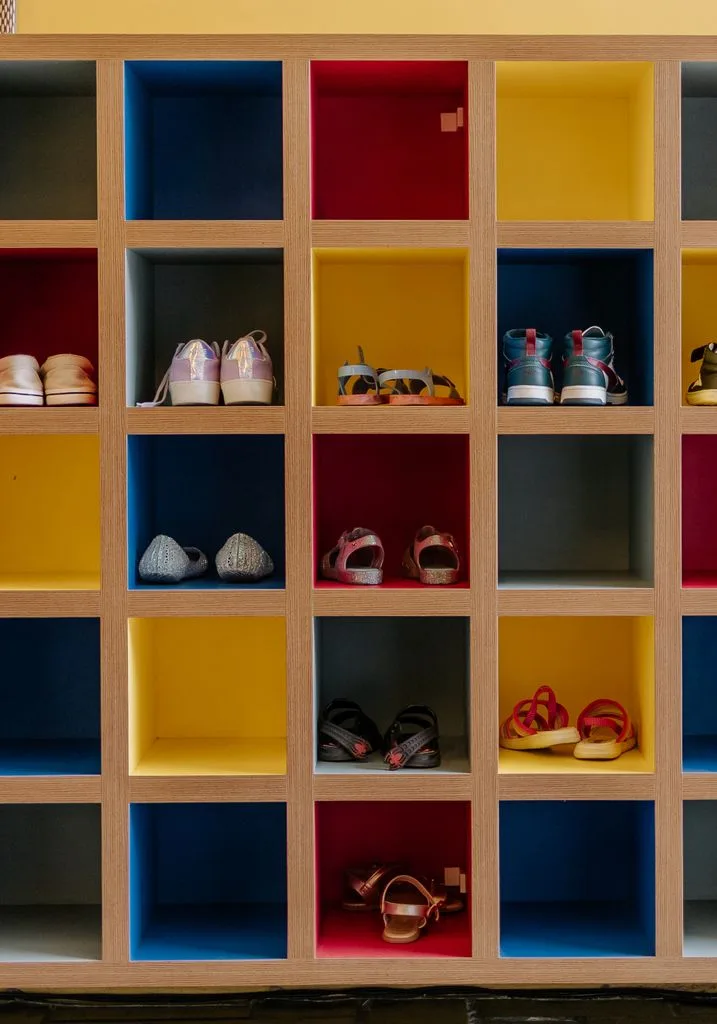
14. Floating Shelves That Free the Floor
Floating shelves give you storage and display space without using a single inch of floor. A pair of shelves above the sofa holds books and plants, a shelf above the desk holds office supplies, and a shelf in the kitchen holds spices and mugs. Look for shelves with hidden brackets that hold at least 20 pounds each, so they stay safe and level on the wall.
Keep the styling simple: three to five objects per shelf, with different heights and one plant to soften the line. Leave some empty space on every shelf, since a crowded shelf makes a small room feel smaller. A pair of good floating shelves costs 30 to 90 dollars, and a stud finder and a level are the only tools you need to install them.
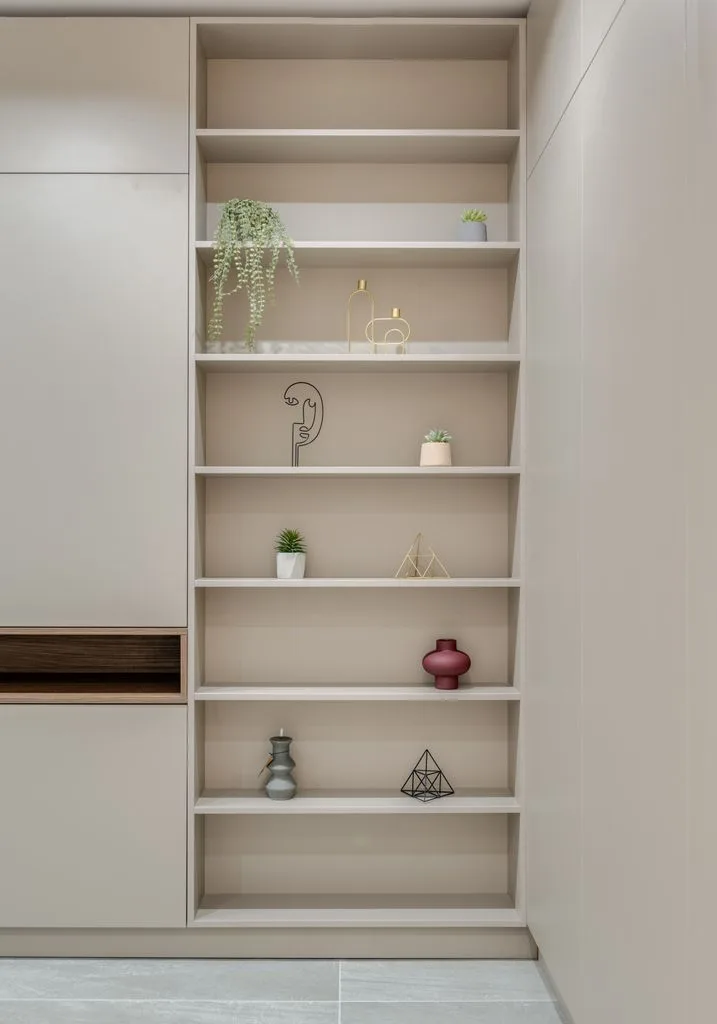
15. Corner Sectional That Uses Dead Space
A corner sectional turns the most wasted space in a living room into the most comfortable seat in the house. The L shape fits neatly into a corner and seats four people. Look for a sectional with a reversible chaise, so you can flip the long side to fit a new apartment when you move.
Choose a low back and slim arms so the sectional does not block light or sightlines, and pick a fabric in a light neutral tone to keep the large piece feeling airy. Add one throw and two cushions in a soft accent color, and keep the coffee table small so the seating area stays easy to walk around. Compact corner sectionals cost 600 to 1,400 dollars.
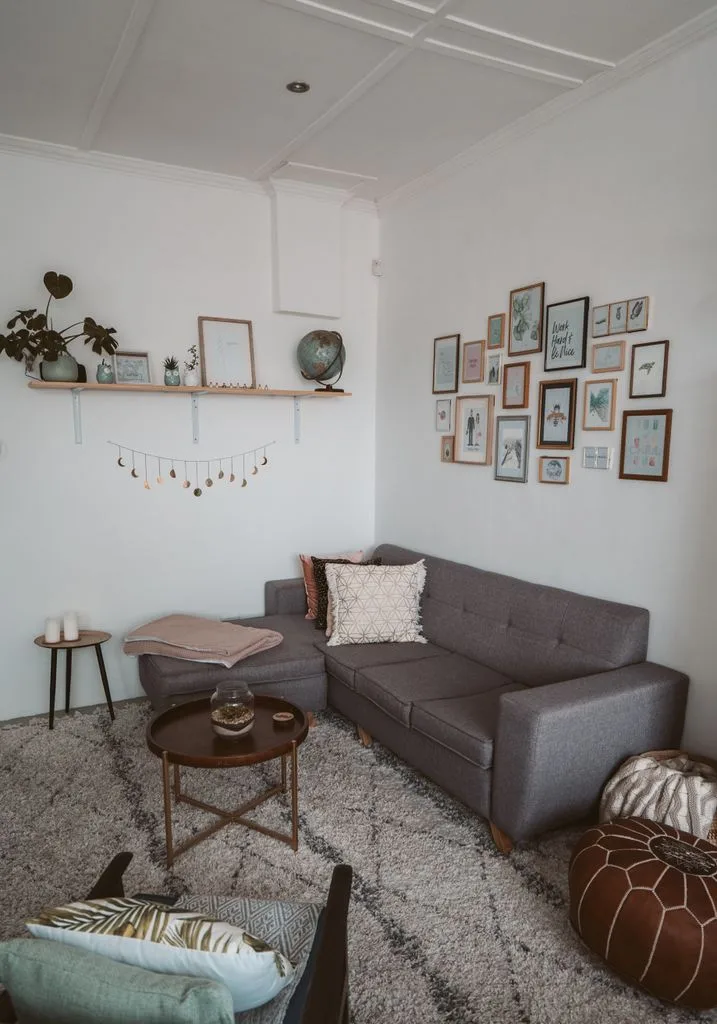
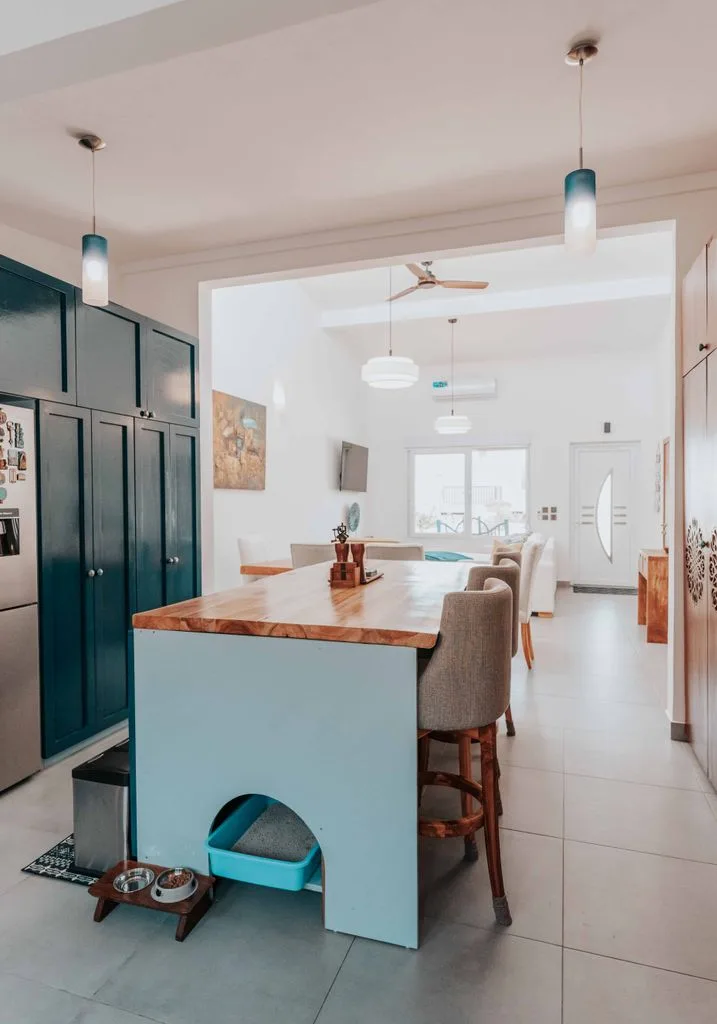
16. Rolling Kitchen Island on Wheels
A rolling kitchen island adds counter space, storage, and a breakfast spot to a kitchen that has none of the three. Roll it against the wall when you cook, pull it into the center when you need a work surface, and roll it aside when you mop the floor. Look for an island with a butcher block top, two shelves or drawers below, and wheels that lock firmly.
Use the top for food prep and the shelves for pots, pans, and the appliances you use every day. Add two backless stools that slide fully under the island, so the whole setup disappears against the wall when dinner is over. A good rolling kitchen island costs 150 to 500 dollars, and a stainless steel top wipes clean in seconds after cooking.
17. Storage Bench for the Entryway
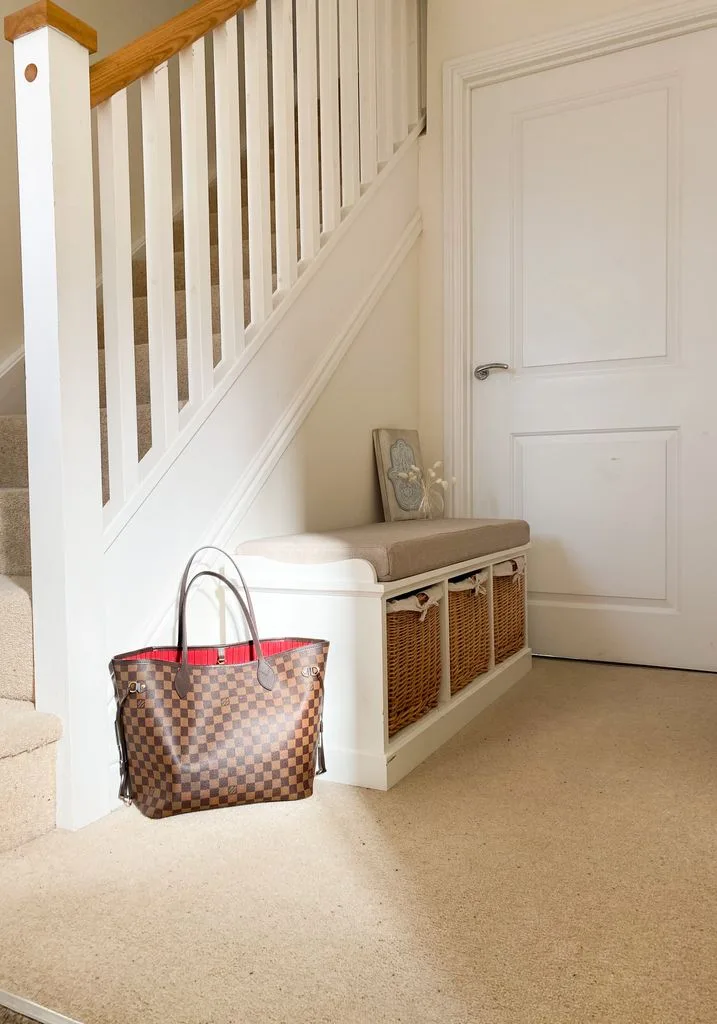
A storage bench is the first thing you see when you walk in and the last thing you use when you walk out. Sit on it to put on shoes, lift the seat to store shoes and bags inside, and hang coats on hooks above it. Look for a bench with a hinged lid that stays open on its own, and baskets inside that keep small items sorted.
Place a small rug under the bench to catch dirt from shoes, and add two hooks above it for coats and a tote bag. Keep only the shoes you wear this week inside the bench, and store the rest in the closet so the entryway never overflows. Storage benches cost 100 to 300 dollars, and a wood bench with woven baskets suits almost every entryway style.
18. Ladder Shelf for Vertical Storage
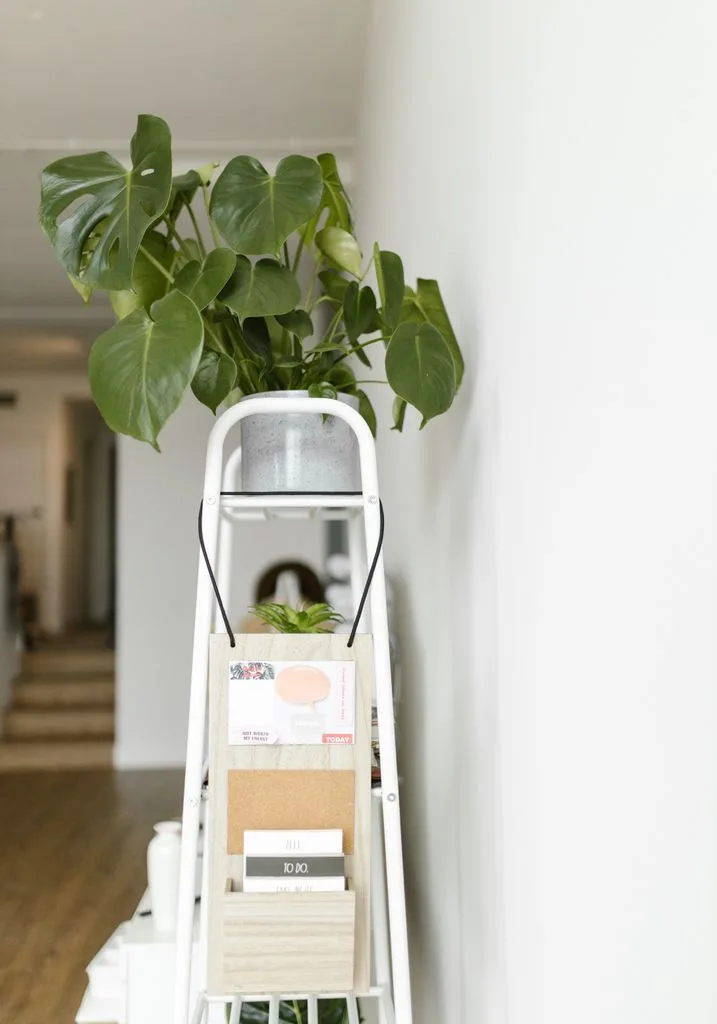
A ladder shelf leans against the wall and gives you four or five shelves in a footprint smaller than a chair. The shelves get deeper toward the bottom, so books and baskets sit safely on the lower levels while plants and photos decorate the top. Look for a shelf with a solid wood frame and a wall strap for safety, especially if you have children or pets.
Place it in a corner that would otherwise stay empty, and style it from the bottom up: heavy baskets low, books in the middle, and light decor up top. A ladder shelf suits a living room, a bedroom, or a bathroom, and it moves easily when you rearrange the room. Ladder shelves cost 70 to 220 dollars, and a light wood finish keeps the tall shape feeling airy.
19. Swivel TV Stand That Turns With You
A swivel TV stand lets one television serve two rooms at once. Turn the screen toward the sofa for movie night, then turn it toward the dining table or the kitchen while you cook. Look for a low stand with a swivel mount that turns at least 60 degrees in each direction, and shelves below for a streaming box, game console, and a few books.
Choose a stand no wider than the television itself, so the setup stays neat and the stand never dominates the room. Hide the cables with a simple cable cover that runs down the back of the stand, and keep the shelves styled with only a few objects so the television stays the focus. Swivel TV stands cost 120 to 400 dollars, and a mount rated above the weight of your television is essential.
20. Poufs That Tuck Under Tables
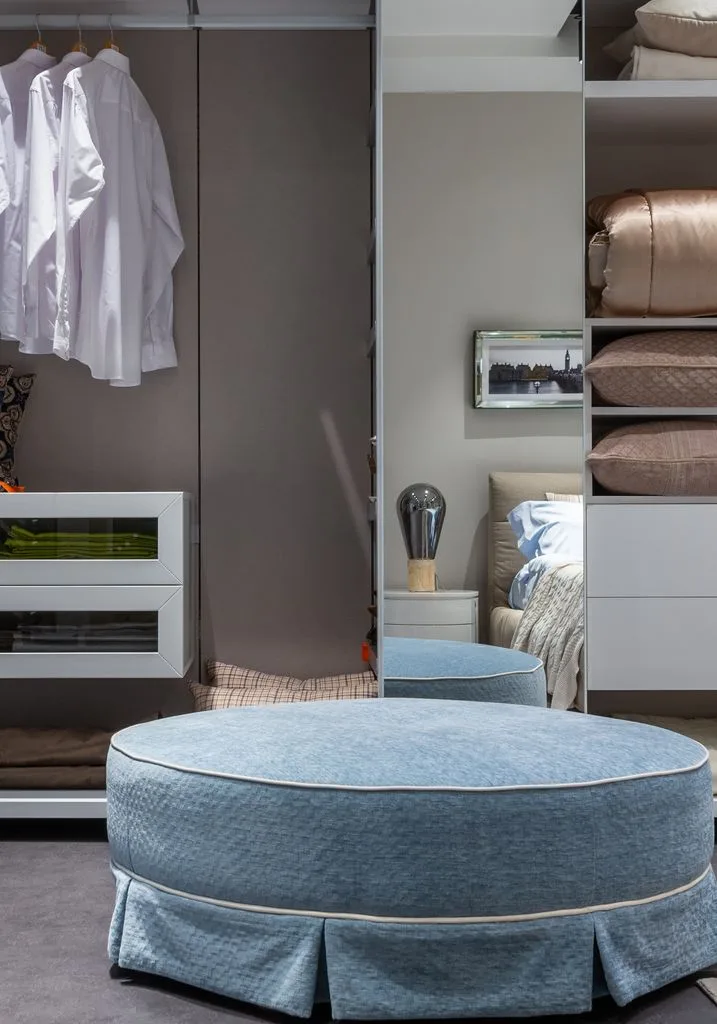
Poufs are the easiest extra seats you can own in a small apartment. They tuck under a console table, slide under a coffee table, or sit beside the sofa as a footrest. Pull one out when a friend visits, and tuck it away again when the evening ends. Look for poufs with a firm fill that holds its shape when you sit, and a removable cover you can wash.
Choose two poufs in the same fabric and color so they look like a set, and use them as footrests, side tables with a tray on top, or extra seats at the dining table. A round pouf suits small rooms best because it has no corners and moves easily between rooms. Good poufs cost 40 to 120 dollars each, and a pair covers most seating emergencies.
21. Daybed With Trundle for Guests
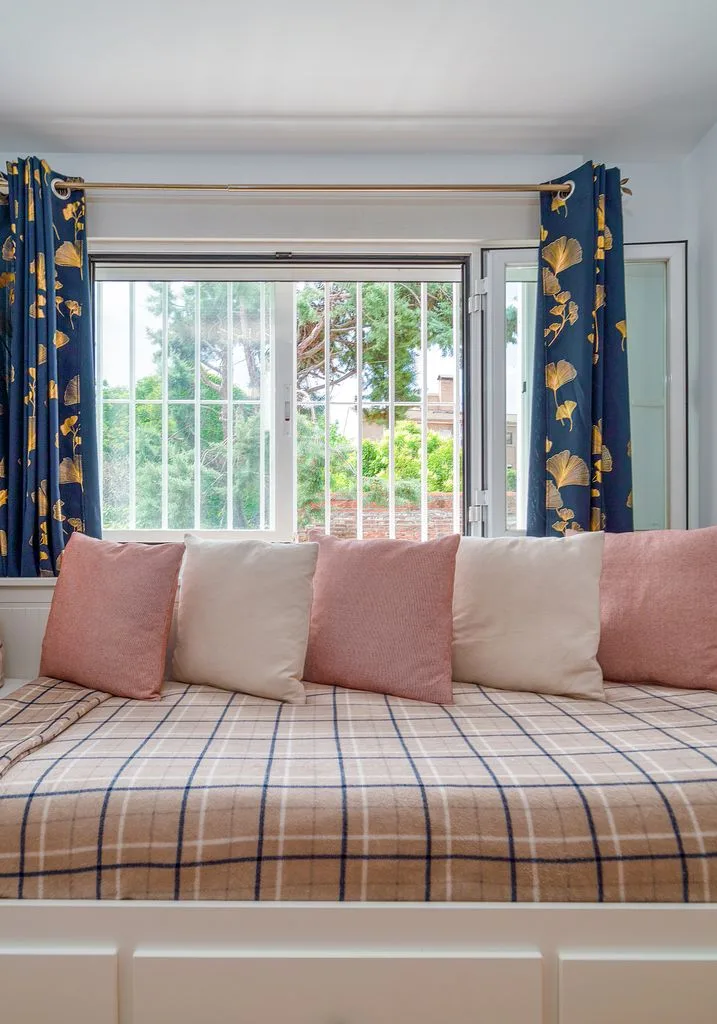
A daybed with a trundle is a sofa by day, a single bed by night, and a double bed when the trundle pulls out. It fits against a wall in a living room, a home office, or a guest corner, and it looks like a normal daybed until you need the second bed. Look for a trundle that rolls out smoothly on casters and a mattress that is at least six inches thick for real comfort.
Dress the daybed with a fitted cover, three large cushions along the back, and a throw folded over one arm so it reads as a sofa during the day. Keep the trundle bedding in a vacuum bag under the daybed, so the second bed is ready in two minutes. Daybeds with trundles cost 300 to 800 dollars, and a wood frame in a light finish suits most apartment styles.
How to Choose
Start with your floor plan, not with a shopping list. Measure the length and width of each room, mark the doors and windows, and note where the light falls during the day. Then list the jobs each room must do: sleep, eat, work, relax, and store. Every piece you buy should cover at least two of those jobs, or it does not earn its floor space in a small apartment.
Test the scale before you buy by marking the footprint of each piece on the floor with painter tape. Walk around the taped shape for a day and notice where you bump into it and where the walkway feels tight. If you want more layout ideas before you commit, the small living room layout ideas from Apartment Therapy show how designers fit sectionals, loveseats, and coffee tables into rooms of every shape. Buy the largest piece first, usually the sofa or the bed, and choose the smaller pieces to fit around it.
Check the build before you pay. Sit on the sofa, open every drawer, lift the table top, and fold the bed down. A piece that wobbles in the shop will wobble more at home. Choose solid wood or metal frames over particle board for the pieces you use every day, and save the lighter materials for shelves and decor. Finally, check the delivery size: measure your doorway, your hallway, and your elevator before you order, so a beautiful sofa does not get stuck on the stairs.
Budget
You can furnish a small apartment well for 1,500 to 3,000 dollars if you buy in the right order. Start with the pieces you use every day: a sleeper sofa or a storage bed, a dining table with chairs, and a desk if you work from home. Those three pieces usually cost 900 to 1,800 dollars together. Add storage next: cube shelving, floating shelves, and a storage ottoman for 200 to 400 dollars. Finish with the small pieces, poufs, nesting tables, and a bar cart, for 200 to 400 dollars more.
Save money by buying the big pieces second hand and the small pieces new. A solid wood table or a good sofa frame lasts for years, and a washable cover makes a used sofa look new. Check local buy and sell groups in your city before you visit a furniture shop, and measure the piece before you pay for it. Spend more on the pieces you touch every day, like the sofa and the bed, and spend less on shelves and side tables.
Spread the spending over two or three months if the full list feels too big at once. Buy the bed and the sofa first, live with them for a month, and then buy the storage that fits the way you actually live.
Common Mistakes to Avoid
The most common mistake is buying furniture that is too big for the room. A full size sectional in a small living room blocks the walkway, covers the window, and makes the whole apartment feel crowded. Measure twice, tape the footprint on the floor, and choose the smaller size when you are unsure. A loveseat and an accent chair often seat more people in comfort than one oversized sofa.
The second mistake is buying single purpose furniture. A coffee table with no storage, a bed with no drawers, and a bench with no space inside all waste the chance to hide clutter. Every piece in a small apartment should store something, fold away, or change shape. The third mistake is pushing every piece against the wall. Pull the sofa a few inches away from the wall, let the curtains hang freely, and leave a gap behind the bed so air can move and the room feels deeper.
Finally, do not fill every shelf and surface. A small apartment needs empty space to feel calm. A room with breathing space always looks bigger than a room packed with decor.
📌 Also Read:
Frequently Asked Questions
What is the best compact furniture for a studio apartment?
A sleeper sofa, a murphy bed, or a daybed with a trundle covers sleeping, and a drop leaf dining table plus nesting tables cover eating and working. Add cube storage and floating shelves for everything else. These five pieces give a studio a bedroom, a living room, a dining room, and an office without building a single wall.
How do I furnish a small apartment on a budget?
Start with the bed and the sofa, then add storage, then add the small pieces. Buy big pieces second hand, choose multi purpose furniture so one piece replaces two, and spread the spending over two or three months. A full small apartment setup costs 1,500 to 3,000 dollars when you buy in this order.
Can a murphy bed work in a rental apartment?
Yes, if your landlord agrees to the wall fixings. Many murphy beds need only four to six bolts into a solid wall, and some freestanding models need no wall fixing at all. Ask your landlord in writing before you install, and choose a freestanding model if you want to take the bed with you when you move.
What size sofa fits a small apartment living room?
A loveseat of 52 to 60 inches wide or a compact sofa of 72 to 78 inches wide fits most small living rooms. Leave at least 30 inches of walkway in front of the sofa and 18 inches between the sofa and the coffee table. Measure the doorway too, since a sofa that cannot fit through the door cannot live in your apartment.
How can I add storage without making my apartment feel crowded?
Use furniture that hides storage inside: a storage bed, a storage ottoman, a lift top coffee table, and a storage bench. Add floating shelves and ladder shelves on the walls so the floor stays clear. Keep the colors light, close the storage lids, and leave some shelves empty so the room keeps its breathing space.
Conclusion
Compact furniture for apartments is not about owning less. It is about owning furniture that works harder. A sleeper sofa gives you a guest room, a murphy bed gives you a living room back, a storage bed gives you a closet, and a rolling island gives you a kitchen that fits in a corner. Pick five or six ideas from this list, measure twice, and buy the pieces that match the way you actually live.
Pin this guide to your small space board before you start shopping, so you can find the ideas again when you are ready for the next piece. Save the sleeper sofa, the murphy bed, and the storage bench first, since those are the pieces that change a small apartment the most.