
Top 19 Removable Wallpaper Accent Wall Ideas for Instant Style
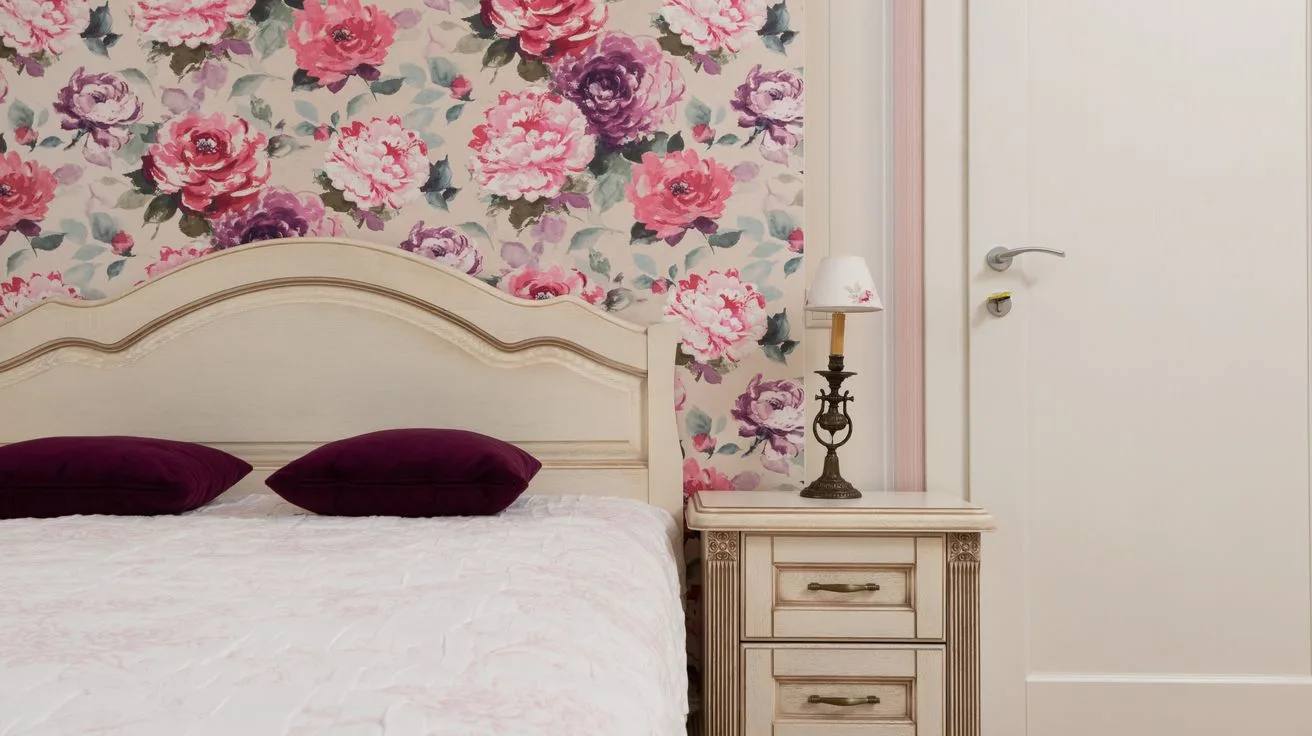
One wall can change everything. A removable wallpaper accent wall is the fastest way to give a plain room personality, color, and depth — no paint, no paste, no landlord battles, and no permanent commitment. Peel-and-stick wallpaper goes up in an afternoon, peels off cleanly when you move or change your mind, and costs a fraction of traditional wallpaper or a full-room makeover. It is no surprise that it has become one of the most saved ideas on Pinterest, especially among renters and first-time decorators.
In this guide you will find 19 removable wallpaper accent wall ideas for every room in the home, from moody florals in the powder room to bold geometrics in the living room. Every idea includes the pattern to look for, the room it suits best, realistic costs, and styling moves that keep the wall looking intentional. You will finish knowing exactly which wall to paper, how much to buy, and how to hang it so it looks like a professional did it.
Save this list before your next weekend project. Most of these accent walls take two to four hours from first panel to final trim, and every single one can be removed without damage when it is time for a change.
Overview
A removable wallpaper accent wall works because it concentrates all the pattern in one place. Instead of papering four walls — which can overwhelm a room and drain a budget — you choose the wall that naturally draws the eye: the wall behind the bed, behind the sofa, or the wall you see first when you walk in. The other three walls stay calm and neutral, which makes the pattern feel deliberate and lets your furniture and art breathe. That single-wall approach is also what makes the project renter-friendly and affordable, since most accent walls need only two to four rolls.
Modern peel-and-stick wallpaper is nothing like the flimsy contact paper of years past. Today’s removable papers are thick, repositionable, and printed in designer-quality patterns, from hand-painted florals to woven grasscloth looks and convincing faux brick. They stick to smooth painted drywall, glass, and primed surfaces, and they peel away without taking paint with them, as long as the wall underneath is clean and fully cured. The key is choosing the right pattern scale for your room, buying enough panels to match the repeat, and hanging the first panel perfectly level — everything else is forgiving.
Key Takeaways
- Pick the focal wall: paper the wall your eye lands on first — behind the bed, sofa, or dining table — and leave the other walls neutral.
- Match pattern scale to room size: large-scale prints suit big rooms and tall walls; small, busy prints work best in powder rooms, nooks, and hallways.
- Order 10–15% extra: pattern matching and trimming waste paper, so buy one more roll than the calculator suggests.
- Test before you commit: stick a sample on your wall for a week and check it in morning and evening light.
- Renters, check the fine print: most peel-and-stick papers are deposit-safe on smooth painted walls, but always test a hidden corner first.
- Level first panel, always: a crooked first panel makes every panel after it crooked — use a level, not the ceiling line.
- Style around the paper: pull one color from the pattern into bedding, cushions, or art so the wall feels connected to the room.
1. Botanical Floral Behind the Bed
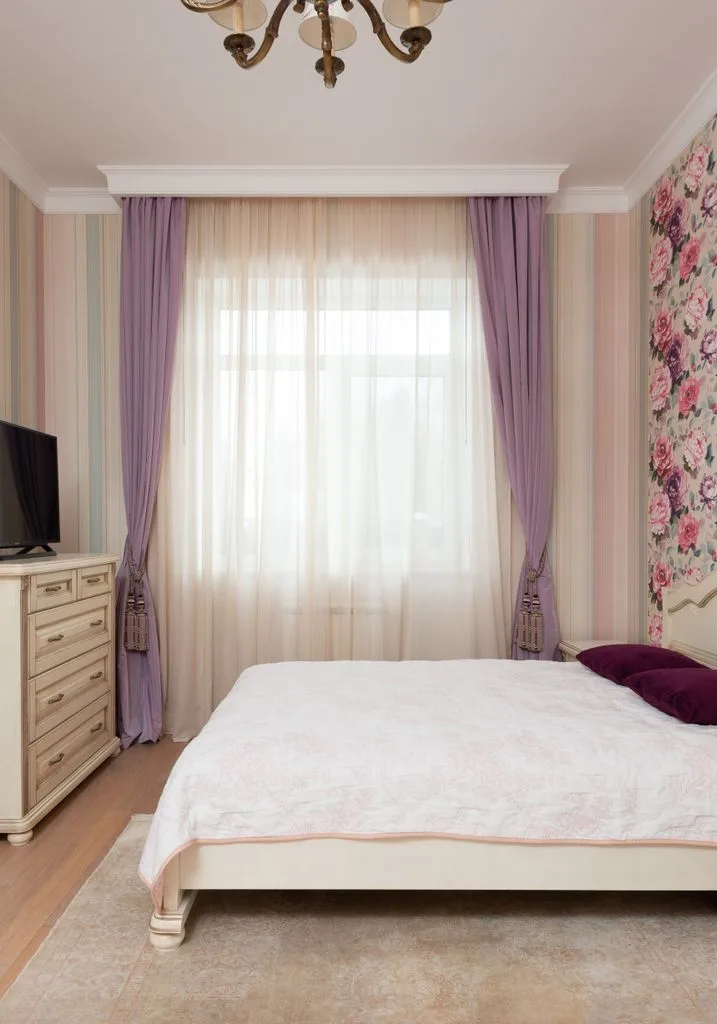
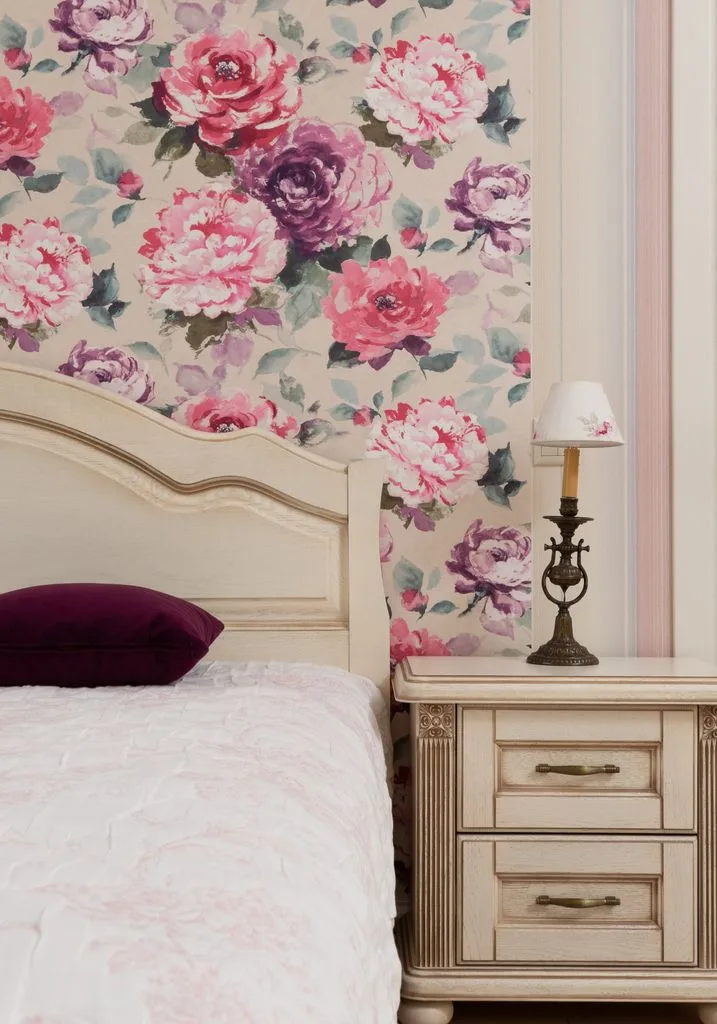
A large-scale botanical floral behind the bed is the classic removable wallpaper accent wall, and it earns its popularity. Oversized blooms and trailing leaves turn a plain bedroom wall into a headboard-height garden, and the pattern does the decorating work that a dozen accessories would normally do. Choose a paper with a cream, sage, or soft blush background so the wall reads calm at night, and let the flowers carry the color. Pair it with plain linen bedding in one of the pattern’s quieter tones and the room instantly feels layered and intentional.
Scale matters more than color here. In a bedroom with standard eight-foot ceilings, look for a repeat of 24 inches or more so the flowers read as statement blooms rather than busy confetti. Hang the paper centered on the bed, not the wall, so the pattern frames your pillows symmetrically. Expect to spend $90 to $180 for two to three rolls, and keep the other walls a warm white pulled from the paper’s background.
2. Bold Geometric in the Living Room

If your living room feels flat despite good furniture, a bold geometric accent wall is the fix. Diamonds, arches, hexagons, and oversized checkerboard prints add structure and rhythm that plain paint simply cannot, and a geometric pattern is far more forgiving to hang than a floral because the shapes disguise small seams. Pick a two-tone design — terracotta and cream, navy and white, or sage and sand — so the wall reads graphic without shouting, and let it anchor the seating area behind the sofa.
The trick is keeping everything else in the room quiet. Solid-color sofas, a plain rug, and one or two cushions in the wallpaper’s accent color are all the support the wall needs. Avoid competing patterns on curtains or throws, or the room will feel noisy. Measure the wall and center the pattern’s most dramatic motif behind the middle of the sofa, trimming the edges symmetrically. Two to four rolls cover most living-room walls, at roughly $120 to $240, and the result photographs beautifully — which is exactly why geometric accent walls are among the most pinned living-room ideas right now.
3. Moody Dark Floral in the Powder Room
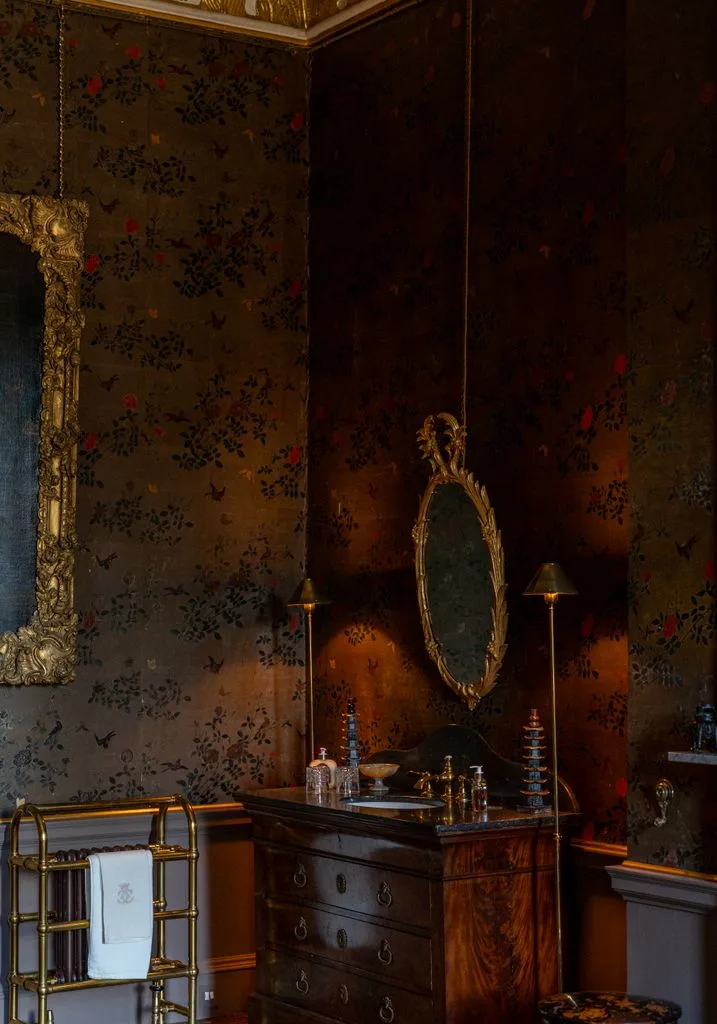
Small rooms are where removable wallpaper earns its keep, and no room rewards boldness like a powder room. A moody dark floral — deep green, charcoal, or navy with oversized blooms — turns a tiny, forgettable space into the most talked-about room in the house. Because powder rooms are used briefly and lit warmly, a dark dramatic paper feels cozy rather than gloomy, and the small square footage means you can afford the expensive designer roll you would never buy for a whole bedroom.
Choose a vinyl-coated peel-and-stick paper for this room, since it handles humidity and the occasional splash far better than uncoated paper. A large-scale floral works best because you see the whole repeat at once in a small space; tiny prints disappear at arm’s length. Pair it with a round mirror and brass fixtures — the wall is the art. One to two rolls, roughly $60 to $120, covers most powder rooms, making this the highest-impact, lowest-cost idea on this list.
📌 Related Articles:
4. Grasscloth-Look Texture in the Dining Room
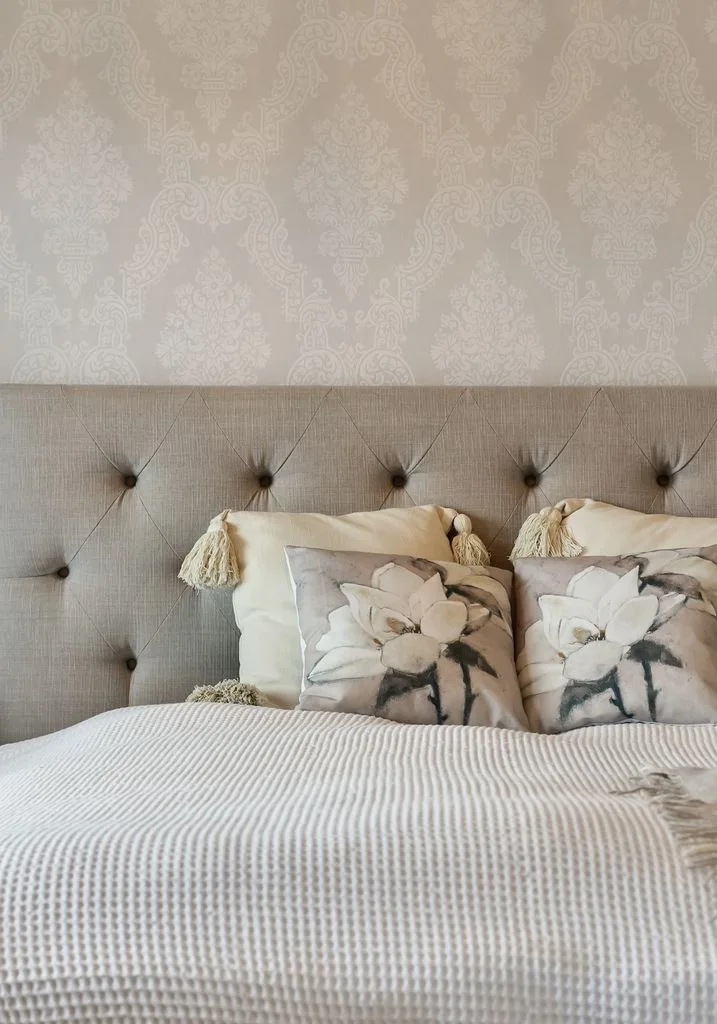
Not every accent wall needs a loud pattern. A grasscloth-look removable wallpaper adds woven texture and quiet warmth to a dining room, and it is the safest choice if you love wallpaper but fear pattern fatigue. The subtle horizontal fibers catch the light differently through the day, giving the wall a handcrafted feel that flat paint cannot match. It works beautifully behind a dining table, where it softens the hard lines of chairs and a sideboard without competing with a centerpiece or pendant light.
Choose a natural tone — warm sand, pale sage, or soft greige — and keep the rest of the room equally calm: linen napkins, wood tones, and one simple vase of greenery. Grasscloth-look papers are also the most forgiving to install, since the texture hides seams and small bubbles better than any printed pattern. Budget $100 to $200 for two to three rolls, and choose a washable finish so dinner-party splashes wipe off easily.
5. Tropical Palm in a Small Bathroom
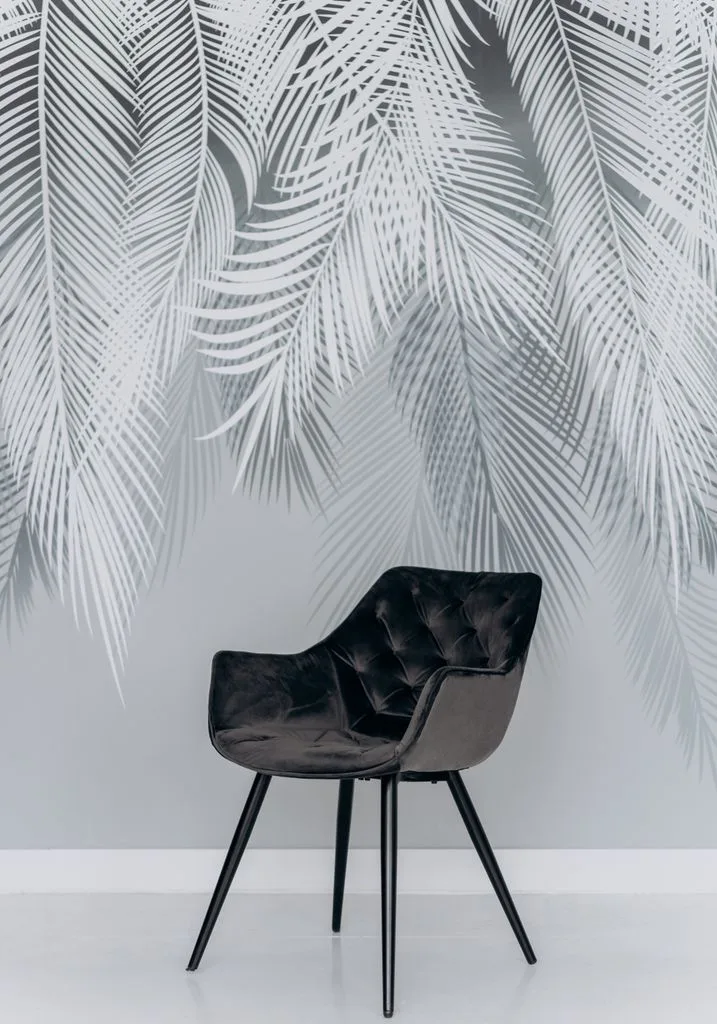
A tropical palm print turns a small, windowless bathroom into a boutique-hotel escape, and it is one of the most saved bathroom ideas on Pinterest for good reason. Big banana leaves or palm fronds on a white or deep-green background make the room feel lush and alive, and the oversized scale distracts from the room’s actual size. Hang it on the wall opposite the mirror so you see the print every time you walk in, and keep the vanity and fixtures simple — white, wood, or matte black — so the leaves stay the star.
Humidity is the only real concern here, so pick a vinyl peel-and-stick paper rated for bathrooms and avoid papering the wall directly inside a shower. Ventilation matters too: run the fan during showers and the paper will last for years. Pair the print with woven baskets, a wooden bath mat, and a small plant for a layered tropical feel, and pull one green from the leaves into your towels. One to two rolls, about $60 to $130, is all it takes, and the transformation is so dramatic that guests will assume you renovated.
6. Classic Stripes in a Narrow Hallway
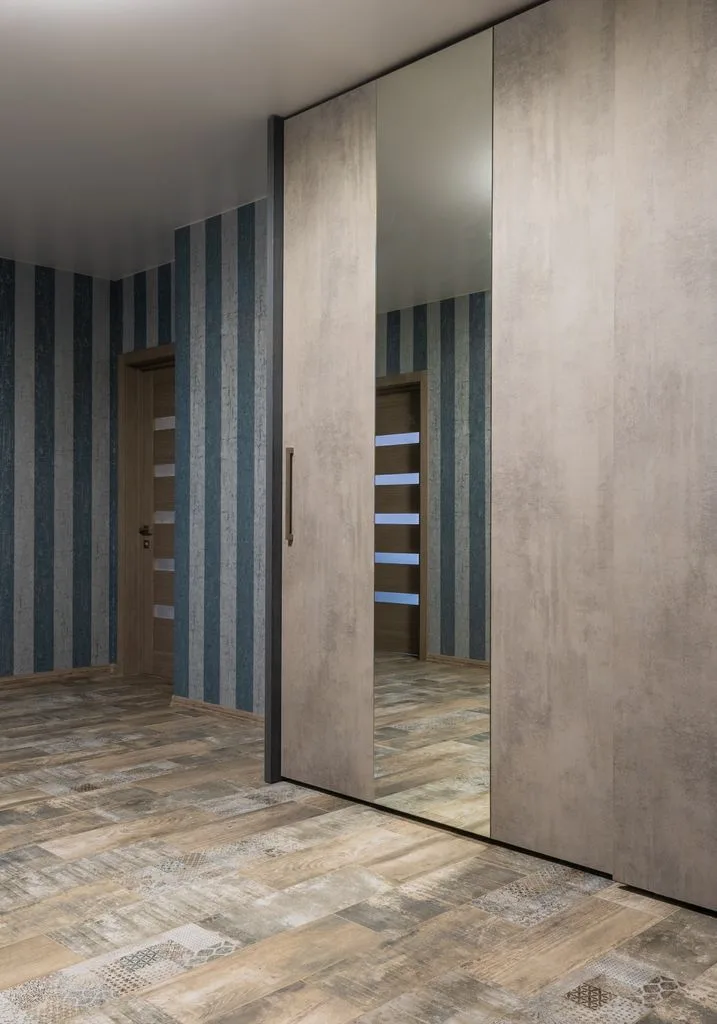
Hallways are the most ignored walls in the home, and classic stripes are the perfect way to wake them up. Vertical stripes make a low hallway feel taller, while horizontal stripes make a narrow one feel wider — pick the direction that fixes your hallway’s actual problem. A soft two-tone stripe in cream and sage, navy and white, or blush and sand adds just enough pattern to make the corridor feel designed, without overwhelming a space you mostly walk through.
Because hallways get scuffed by bags, shoes, and pets, choose a scrubbable vinyl peel-and-stick paper and hang it on one long wall only, leaving the opposite wall plain. A slim console table and a runner rug in a stripe color are all the styling this wall needs. Stripes are also the easiest pattern to hang perfectly, since the lines themselves show you when a panel drifts. One to two rolls, roughly $50 to $110, covers most hallways, and the result makes the journey between rooms feel intentional.
7. Playful Pattern in a Kids’ Bedroom
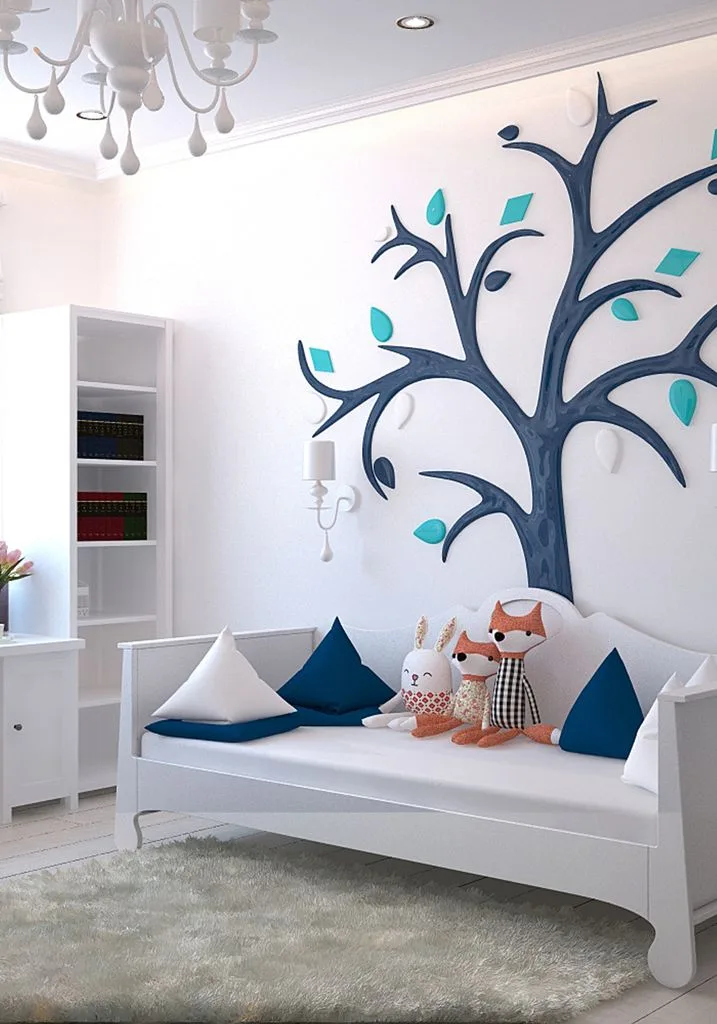
Kids grow out of themes fast, which is exactly why removable wallpaper is the smartest way to decorate their rooms. A playful accent wall — rainbows, stars, dinosaurs, or a cheerful botanical — gives a child’s bedroom instant personality, and when they outgrow it in two years, you peel it off and start again with no repainting and no tears. Choose the wall behind the bed or the reading corner, and let the rest of the room stay neutral so the theme can change with bedding and toys.
Let your child pick between two or three parent-approved patterns. Look for papers with a matte finish and a scrubbable surface, since small hands touch walls constantly. Keep the scale medium — not so large the motif gets lost, not so small it buzzes — and pull one color from the paper into the bedding or a rug. Two rolls, about $70 to $140, covers a standard kids’ accent wall, and the peel-off moment when they are ready for a “grown-up” room is genuinely satisfying.
8. Faux Brick in a Home Office
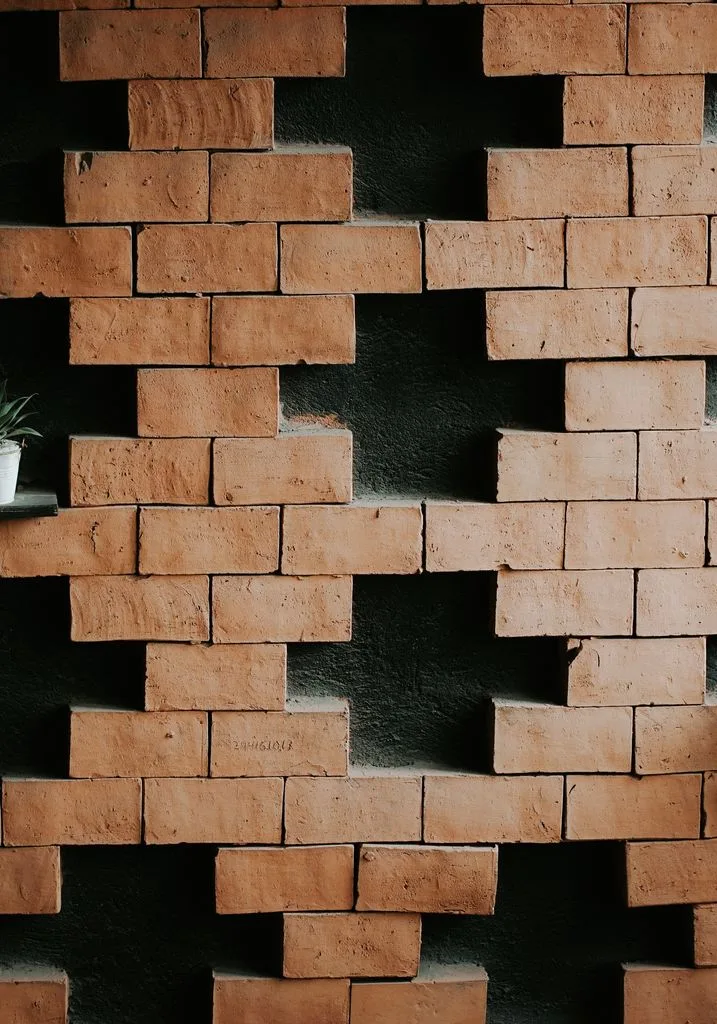
A faux-brick removable wallpaper gives a home office the character of a converted loft without the cost, dust, or landlord drama. The brick texture adds warmth and visual weight behind a desk, which makes video calls look instantly more polished, and the neutral tones — whitewashed, warm red, or soft gray — pair with almost any desk and shelving. It is one of the few patterns that looks better slightly imperfect, since real brick is never perfectly uniform.
Hang it on the wall behind your desk, centered on your chair, so the camera sees the full effect. Keep the desk area tidy and add one warm element, like a wooden shelf or a brass lamp, to echo the brick’s earthy tones. Because brick prints hide seams exceptionally well, this is a great first project for a nervous first-time hanger. Two to three rolls, roughly $80 to $160, covers a standard office wall, and the paper peels off cleanly if you ever move your workspace to another room.
9. Marble-Look in the Kitchen Nook
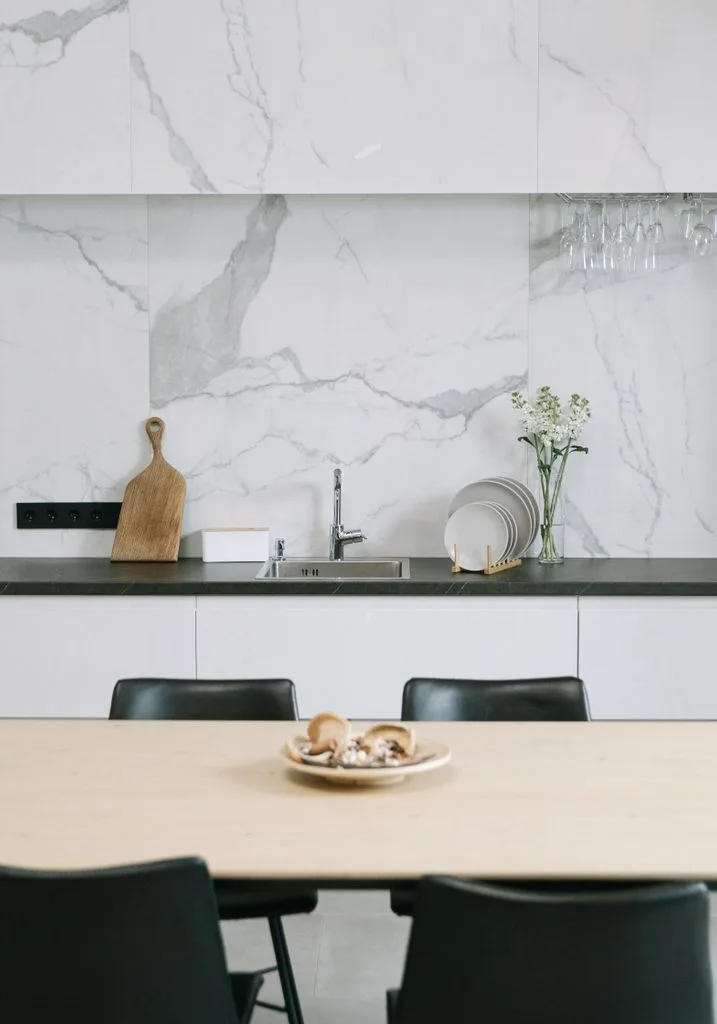
A marble-look removable wallpaper brings instant luxury to a kitchen nook or breakfast corner for the price of a takeout dinner. Soft gray veining on a white background reads as calm and expensive, and it pairs beautifully with the wood, black, and brass already in most kitchens. Hang it on the wall behind a small bistro table or banquette, where it turns an overlooked corner into the prettiest seat in the house — the one everyone photographs.
Choose a vinyl-coated paper with a wipeable surface, since kitchen walls meet splashes and steam. Keep the veining subtle rather than dramatic; heavy black veining can look harsh in a small nook, while soft gray veining feels like real stone. Style it with a small vase of eucalyptus, linen placemats, and a pendant light. One to two rolls, about $60 to $130, is usually enough, and the paper is a far cheaper experiment than replacing a backsplash.
10. Terracotta Warmth in the Entryway
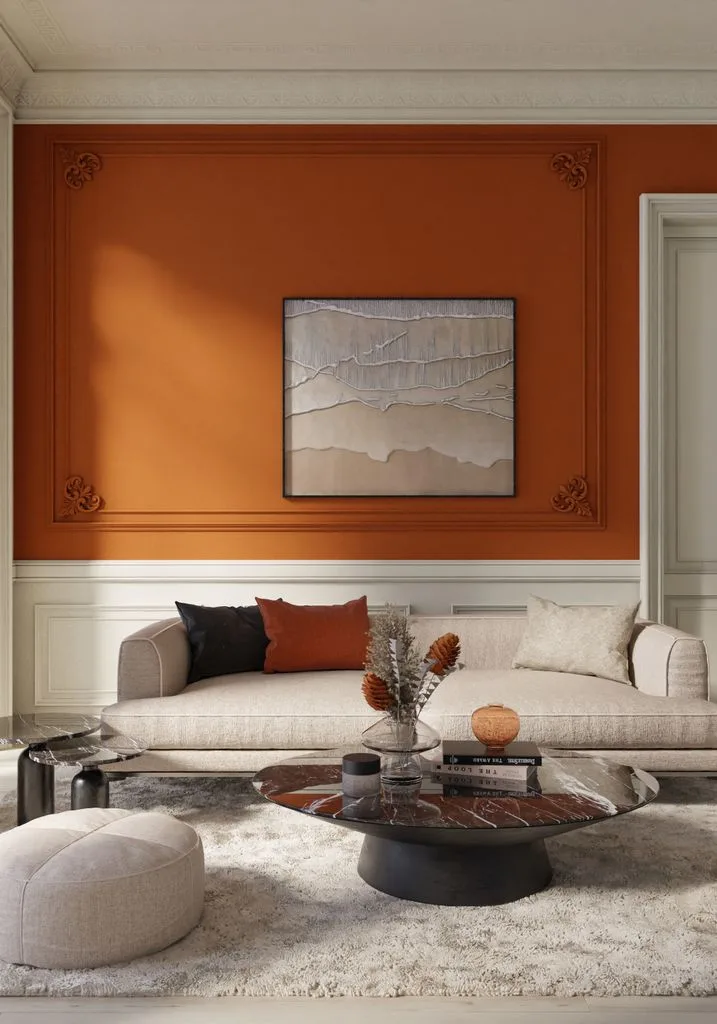
The entryway sets the tone for the whole home, and a terracotta-toned accent wall makes that first impression warm, earthy, and welcoming. Whether you choose a solid terracotta-look paper, a subtle terracotta pattern, or a warm clay-toned botanical, the color instantly makes a plain foyer feel intentional. It pairs beautifully with natural wood, woven baskets, and black metal hooks, and it hides scuffs from shoes and bags far better than white paint ever will.
Paper the wall you face when you walk through the door, and keep the styling simple: a slim bench or console, a round mirror, and one basket for shoes. If your entryway is dark, choose a lighter terracotta or a pattern with a cream background so the space still feels bright. One to two rolls, roughly $50 to $120, covers most entryways,
11. Chinoiserie Mural in the Dining Room

A chinoiserie mural is the most elegant idea on this list, and removable versions have made it accessible to everyone. Delicate branches, birds, and blossoms on a soft background turn a dining room wall into a hand-painted artwork, and the style has been trending hard on Pinterest as homeowners look for dining rooms that feel special rather than purely functional. It is the pattern to choose when you want dinner guests to notice the wall before they notice the table.
Chinoiserie works best as a full mural panel set rather than a repeating roll, so measure carefully and order the exact panel width for your wall. Keep the furniture simple and classic — a wooden table, upholstered chairs, and a single chandelier or pendant — and avoid competing patterns elsewhere in the room. Soft blues, greens, and blushes are the most versatile colorways, and they pair with both traditional and modern dining furniture. Budget $150 to $300 for a mural set, which is still a fraction of a hand-painted wall.
12. Black-and-White Graphic in a Guest Bedroom
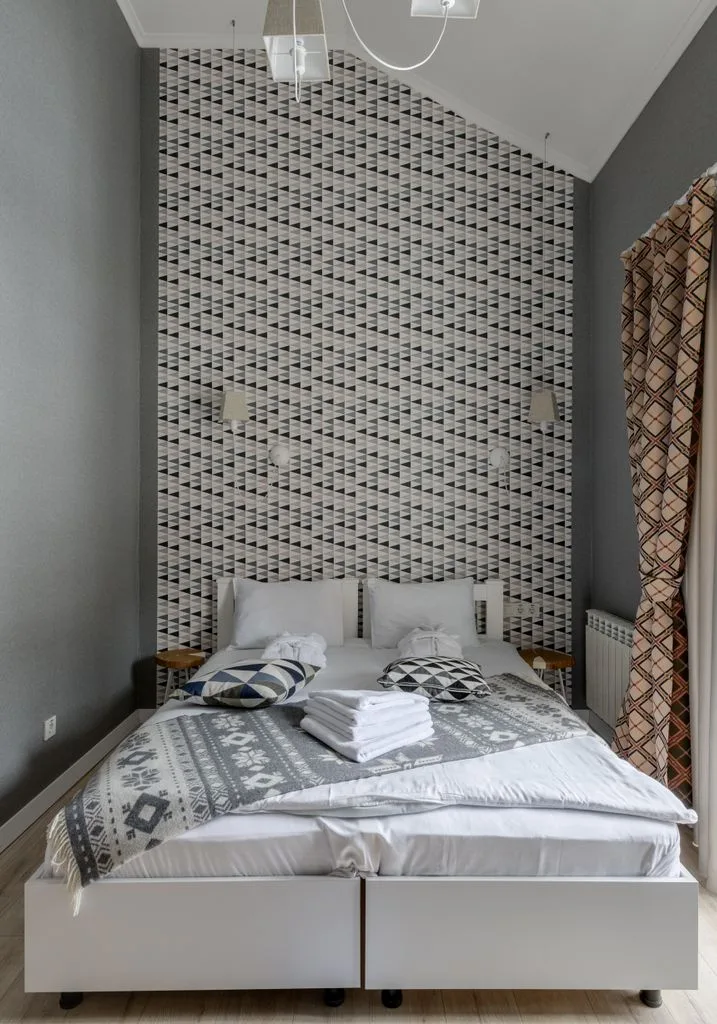
A black-and-white graphic accent wall makes a guest bedroom feel like a boutique hotel, and it is the easiest pattern to style because it matches everything. Bold geometrics, oversized florals, or abstract brushstrokes in monochrome add drama without locking you into a color scheme, so you can change the bedding seasonally — sage in spring, rust in autumn — without ever touching the wall. Hang it behind the bed, where it frames the pillows like a piece of art.
The key is committing to the contrast. Pair the wall with crisp white bedding, black or brass bedside lamps, and one textured throw, and let the pattern do all the talking. Avoid mid-tone grays on the other walls; a clean warm white keeps the black-and-white wall crisp instead of muddy. Two to three rolls, about $90 to $180, covers most guest-room walls,
13. Soft Sage Botanical in the Nursery
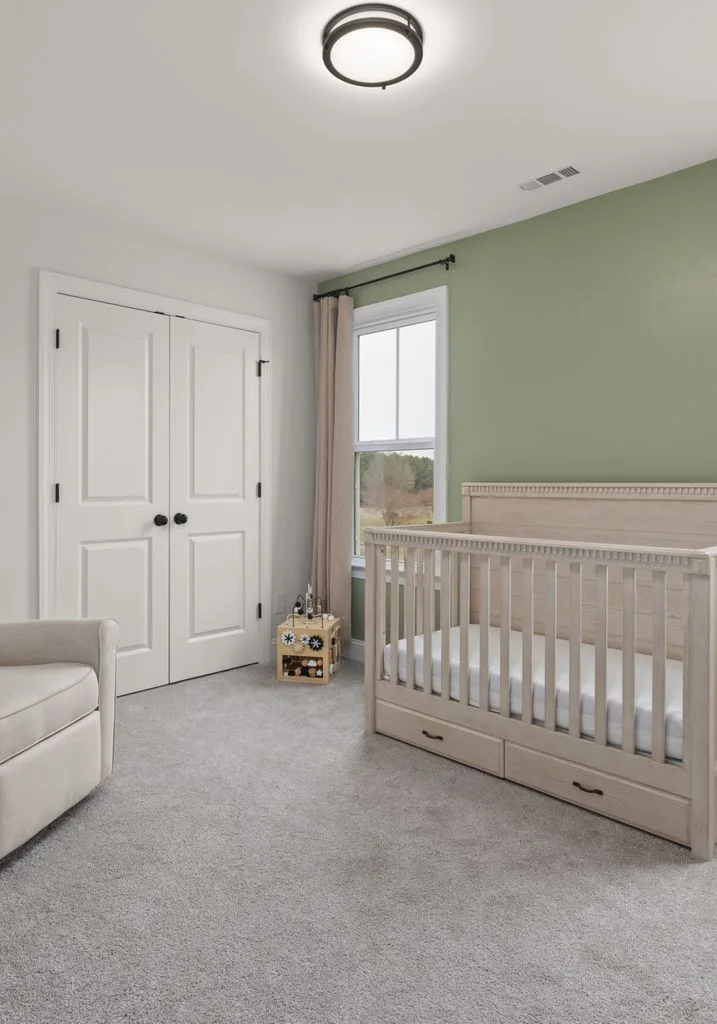
A soft sage botanical accent wall is the nursery idea that grows with your baby. Gentle leaves and delicate stems on a cream or pale-sage background feel calm and dreamy without shouting “baby,” which means the room still works when the crib becomes a toddler bed. Hang it behind the crib or the nursing chair, and keep the rest of the room in warm whites, natural wood, and soft textiles so the wall feels like a garden rather than a theme.
Safety comes first in a nursery, so choose a paper labeled low-VOC or Greenguard certified, and let the room air out for a day after hanging. A small-scale print suits a nursery better than a large one, since the room is small and the furniture is low — the pattern should read as a gentle texture, not a bold statement. Pull the sage into a rug or curtains, add a wooden mobile, and the room will feel serene. Two rolls, roughly $70 to $140, covers a standard nursery wall.
14. Art Deco Fans in a Glam Bedroom
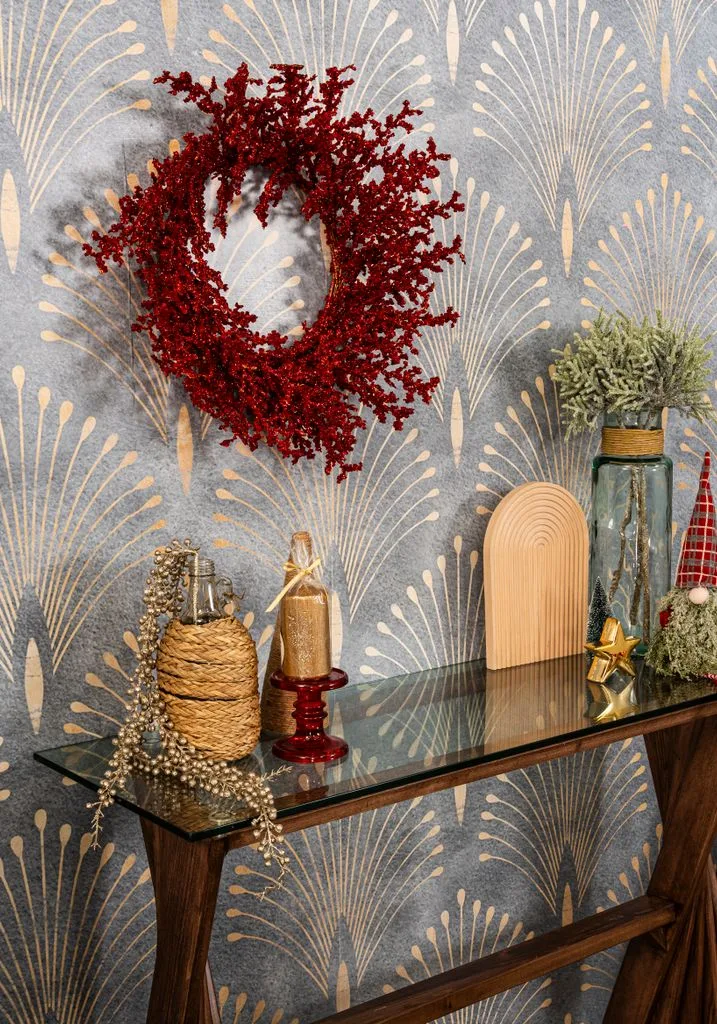
Art deco fan and scallop patterns bring instant glamour to a bedroom, and they are trending again as homeowners embrace bold, vintage-inspired design. Gold or brass fans on a deep teal, emerald, or blush background turn a plain wall into a 1920s jewel box, and the repeating scallops create a rhythm that feels both luxurious and orderly. Hang it behind the bed and pair it with velvet bedding, brass lamps, and a mirrored tray for the full effect.
Metallic inks are what make this pattern sing, so look for a paper with a subtle sheen rather than a flat print — the shimmer catches lamplight beautifully in the evening. Keep the other walls a deep, quiet tone pulled from the paper, or a warm white if you prefer contrast, and avoid competing metallics elsewhere in the room. Two to three rolls, about $100 to $200, covers a bedroom wall,
15. Shiplap-Look in a Farmhouse Living Room
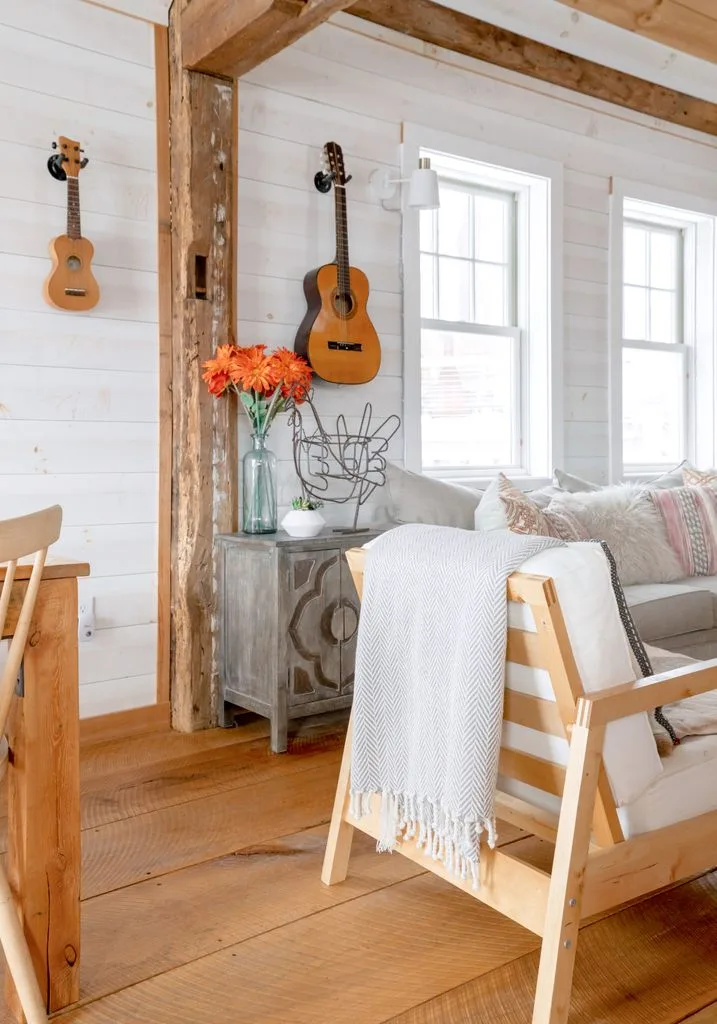
Real shiplap is expensive, heavy, and permanent — a shiplap-look removable wallpaper gives you the same cozy farmhouse texture for a fraction of the cost and none of the commitment. White or weathered-wood planks printed on peel-and-stick paper add instant warmth behind a sofa or fireplace, and the horizontal lines make a room feel wider and more relaxed. It is the safest accent wall on this list, because it reads as architecture rather than decoration.
Pair it with linen sofas, woven baskets, and warm wood tones, and keep the styling simple — the wall is meant to feel like part of the house, not a feature. Shiplap-look papers are also among the easiest to hang, since the plank lines guide your alignment and hide small mistakes. Two to four rolls, roughly $90 to $200, covers most living-room walls
16. Library Bookshelf Print in a Reading Nook

A library bookshelf print turns a forgotten corner into a reading nook with instant character, and it is one of the cleverest uses of removable wallpaper. The trompe-l’oeil shelves and spines create depth on a flat wall, making a small nook feel like a tiny library. Place it behind a comfortable chair and a small side table, add a floor lamp and a soft throw, and you have a reading spot that feels curated rather than improvised.
Choose a print with warm, muted book spines rather than bright primary colors, so the wall reads cozy instead of cartoonish. A darker background — deep green, navy, or warm brown — makes the nook feel even more cocoon-like, especially in the evening. One to two rolls, about $60 to $130, covers a nook wall
17. Metallic Gold in a Small Apartment
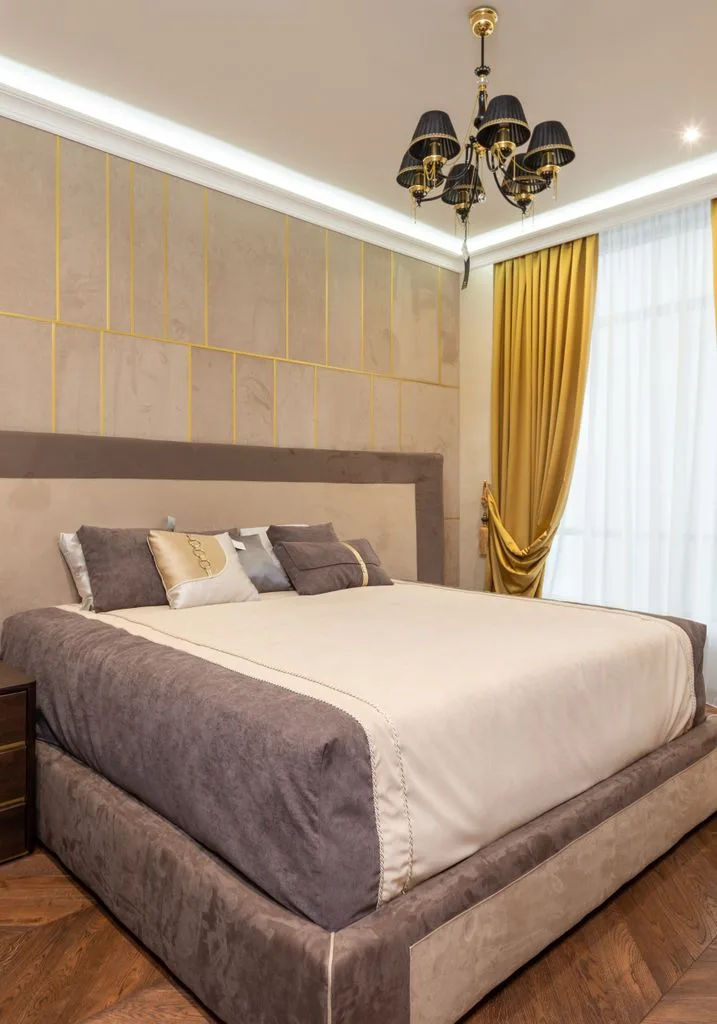
Small apartments need light, and a metallic gold accent wall reflects it beautifully. A gold geometric, art deco, or abstract print on a cream or blush background catches daylight and lamplight, making a studio or small living room feel brighter and more expensive than it is. Hang it on the wall opposite your main window to bounce the light around the room, and keep the furniture light and low so the wall stays visible.
The secret is restraint everywhere else. White or cream furniture, one black accent, and a single green plant are all the support a metallic wall needs — too many competing finishes will make the room feel busy. Look for a paper with a soft, brushed-metal effect rather than a mirror shine, which can glare. Two rolls, roughly $80 to $160, covers a small-apartment accent wall
18. Scandi Line Art in a Minimal Bedroom
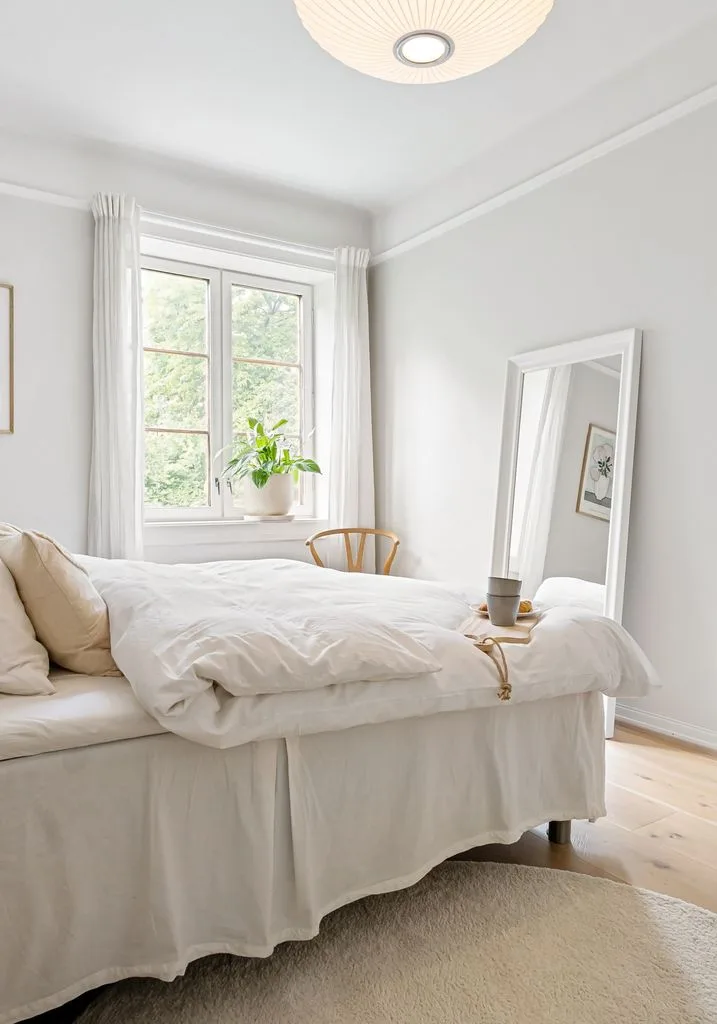
If you love minimal design but your bedroom feels a little too empty, a Scandi line-art accent wall is the gentlest fix. Simple black or terracotta line drawings — arches, faces, botanical stems — on a warm white background add just enough interest to make the room feel finished, without breaking the calm you chose minimalism for. Hang it behind the bed, where it frames the pillows like a quiet piece of art.
Keep the palette tight: white bedding, light wood, one black accent, and a single plant. The line art should be the only pattern in the room, so avoid patterned cushions or curtains. This is also one of the most affordable ideas on the list, since the simple prints are widely available and easy to hang. Two rolls, about $70 to $140, covers a bedroom wall
19. Oversized Mural Behind the Sofa
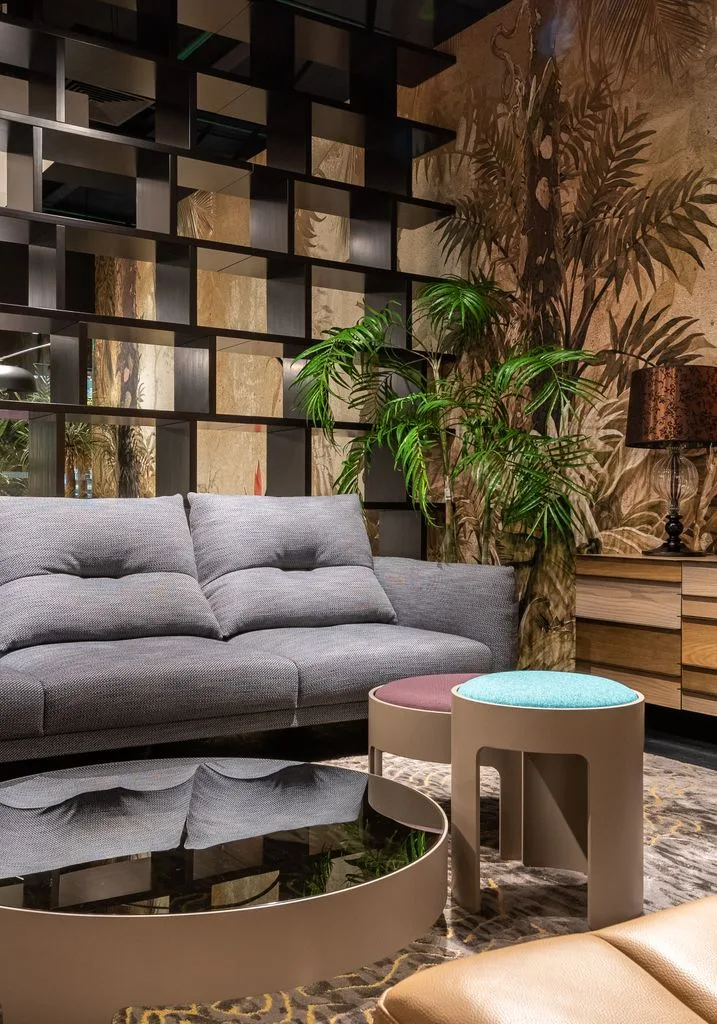
An oversized mural is the boldest removable wallpaper accent wall you can make, and it is the one most likely to be saved on Pinterest. Instead of a repeating pattern, a mural is a single large scene — a mountain landscape, a misty forest, a painted garden — printed across panels to fit your exact wall. Hung behind the sofa, it turns the living room into a view, and the scale makes even a modest room feel expansive and intentional.
Murals need careful measuring, so order the exact width of your wall and hang the panels in sequence, checking the scene aligns at every seam. Keep the sofa low and solid-colored so it frames the mural rather than hiding it, and pull one color from the scene into cushions or a rug. Apartment Therapy’s peel-and-stick project guide shows how designers use removable papers in unexpected spots for maximum impact, and a mural behind the sofa is the best example of that thinking — one wall, one scene, and a room that feels completely transformed. Budget $180 to $350 for a custom mural, which is still far less than a painted mural or a renovation.
How to Choose
Start with the room, not the pattern. A powder room can handle the boldest print in the catalog, while a living room needs a pattern you can live with every day. Measure your wall first — width and height — and use the manufacturer’s roll calculator, then add one extra roll for pattern matching and mistakes. Check the pattern repeat size too: a large repeat looks luxurious in a big room but gets chopped awkwardly on a narrow wall, while a small repeat can feel busy on a huge one.
Next, order samples. Every reputable peel-and-stick brand sells affordable samples, and a sample stuck on your wall for a week tells you more than a hundred photos. Check it in morning light, evening light, and lamplight, and watch how it looks next to your furniture. Houzz’s guide to decorating with real-world wallpaper shows how different papers behave in actual homes, which is a useful reality check before you order. Finally, consider the surface: peel-and-stick paper needs smooth, clean, fully cured paint. Textured walls, fresh paint less than four weeks old, and glossy finishes are the three most common reasons a paper fails, so test a sample in a hidden corner first.
Budget
A single removable wallpaper accent wall is one of the cheapest room transformations you can buy. Budget $50 to $150 for a small wall like a powder room or entryway, $90 to $240 for a standard bedroom or living-room wall, and $150 to $350 for a custom mural. The paper itself is the main cost, since most people install it themselves. Add $20 to $40 for tools if you do not own them — a smoothing tool, a sharp craft knife, a level, and a tape measure — and $15 to $30 for samples.
Compared with the alternatives, the value is hard to beat. A professional paint job on one wall runs $200 to $500, traditional pasted wallpaper costs $300 to $800 installed and cannot be removed without damage, and a full-room makeover starts in the thousands. Removable paper sits in the sweet spot: designer impact, DIY price, and zero risk to your deposit.
Common Mistakes to Avoid
The most common mistake is skipping the prep. Dust, grease, and texture are the enemies of peel-and-stick adhesive, so wipe the wall with a damp cloth, let it dry completely, and fill any holes or bumps before you start. The second mistake is hanging the first panel by eye instead of with a level — if the first panel is off by even a degree, the error compounds across the wall and the pattern will never line up.
Other mistakes are easy to avoid once you know them. Do not stretch the paper while hanging it, or it will shrink back and leave gaps at the seams. Do not order the exact calculated amount — pattern matching wastes 10 to 15 percent, and running out mid-wall means a visible dye-lot difference when the replacement roll arrives. Do not paper over fresh paint, and do not hang paper in a steamy bathroom without ventilation. Finally, do not choose a pattern from a phone screen alone; order the sample, live with it for a week, and trust your eyes in your own light.
📌 Also Read:
FAQ
Will removable wallpaper damage my walls?
On smooth, fully cured painted drywall, quality peel-and-stick wallpaper peels off cleanly without damage. The risk rises on fresh paint less than four weeks old, textured walls, or walls with peeling paint underneath. Always test a small piece in a hidden corner first, and remove the paper slowly at a low angle when the time comes.
How long does removable wallpaper last?
Most peel-and-stick papers last three to five years indoors, and longer in low-humidity rooms. Bathroom papers last less if the room is poorly ventilated, while bedroom and living-room papers can last well beyond five years. The adhesive is designed to stay put for years and still release cleanly when you are ready for a change.
Can I reuse removable wallpaper after taking it down?
Usually not. Once removed, the adhesive loses strength and the paper can stretch or crease, so rehanging the same panels rarely looks good. Some brands sell repositionable papers that survive one careful removal, but plan on buying fresh paper for your next wall and treat the old panels as a one-time project.
Does removable wallpaper work on textured walls?
Light orange-peel texture can work with thicker, high-tack papers, but heavy knockdown or popcorn texture will not hold peel-and-stick paper reliably. If your walls are heavily textured, skim-coat the accent wall smooth first, or choose a smooth surface like a primed panel or a flat door instead.
How much removable wallpaper do I need for one accent wall?
Measure the wall’s width and height, divide by the roll’s coverage, and add 10 to 15 percent for pattern matching and trimming. A standard 10-by-8-foot wall usually needs two to four rolls depending on the pattern repeat. Always round up — an extra roll is far cheaper than a second order with a different dye lot.
Conclusion
A removable wallpaper accent wall is the rare home project that is cheap, fast, reversible, and genuinely transformative. Whether you choose a moody floral in the powder room, a bold geometric in the living room, or a soft botanical in the nursery, one papered wall gives your room the personality it was missing. Measure carefully, order a sample, hang the first panel level, and enjoy the room you have been picturing.
Found an idea you love? Save this guide to your Pinterest board before you start shopping, so your pattern, budget, and measurements are all in one place when you are ready. Your next favorite wall is one afternoon away.


