Top 21 Checkered Black White Bathroom Tile Ideas for a Bold, Classic Bath
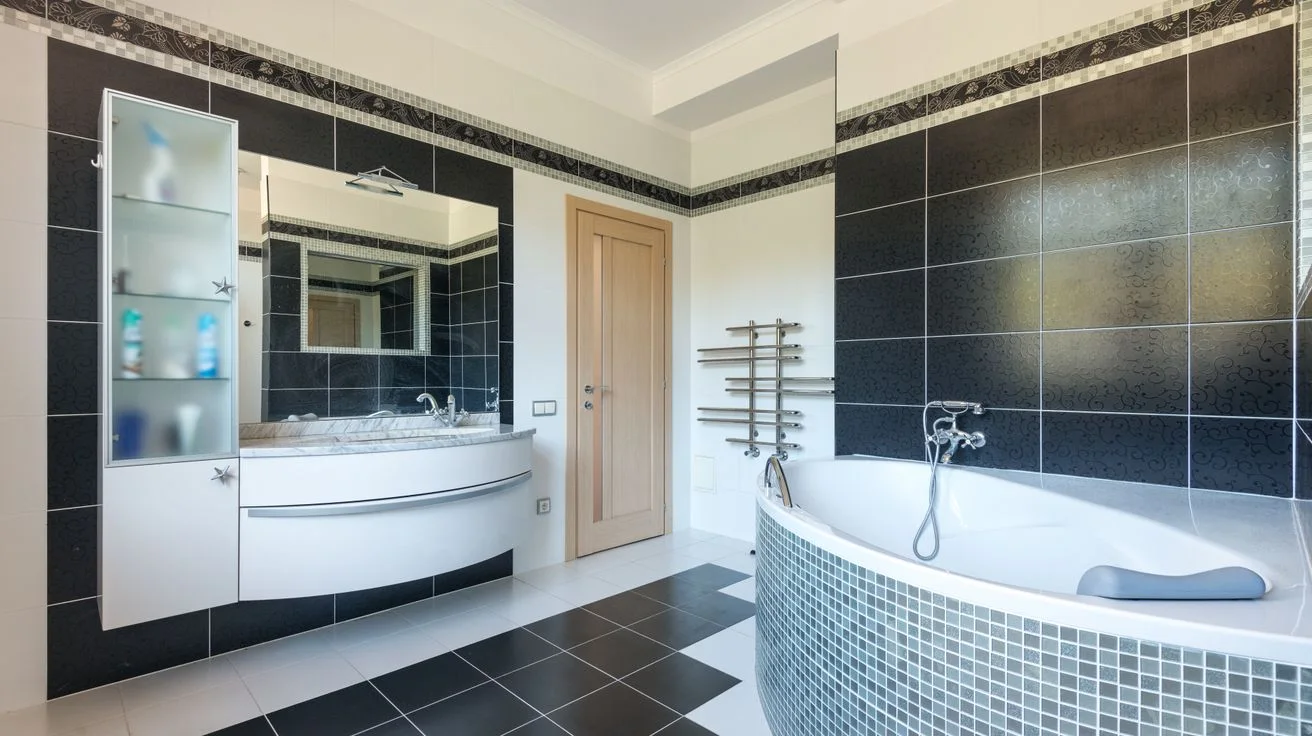
Checkered black white bathroom tile is having a serious moment — and honestly, it never really left. From Parisian apartments to vintage American farmhouses, the black-and-white checkerboard has been the go-to bathroom floor for over a century, and Pinterest is full of proof that it works in every style from classic to modern. It is bold without being loud, timeless without feeling dated, and it photographs beautifully — exactly why it saves so well.
In this guide you will find 21 checkered black white bathroom tile ideas, from the classic floor to shower walls, vanity backsplashes, and powder-room statements. Every idea includes tile sizes, realistic costs, and the styling moves that keep black and white feeling fresh instead of harsh.
Save this list before your next tile-shop visit. Most of these ideas work in bathrooms of any size, and several — a bordered floor, a checkerboard niche, a bold backsplash — can be done in a single weekend without a full remodel.
Overview
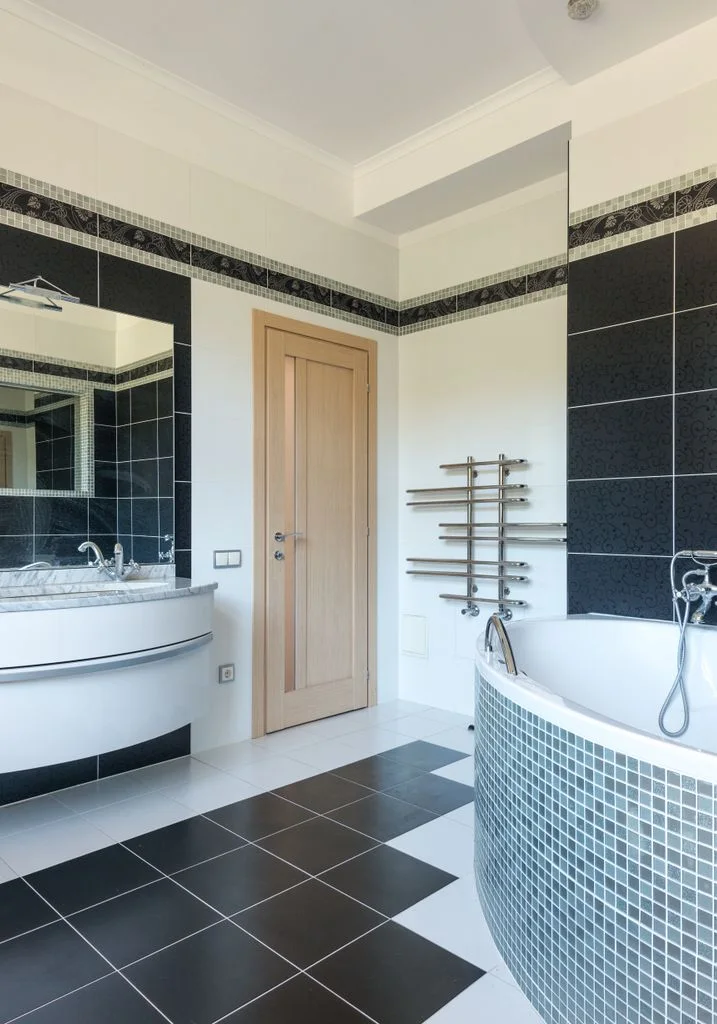
Checkered black white bathroom tile is built on one of the oldest patterns in design: alternating squares of black and white, laid in a grid or on the diagonal. The classic version uses 12-inch marble or ceramic squares, but the pattern adapts to porcelain, natural stone, encaustic cement, even peel-and-stick vinyl for renters. The contrast is what makes it work: white tiles open up a small room and bounce light around, while black tiles ground the space and hide the dirt that white floors show.
The checkerboard revival on Pinterest leans vintage-modern — the pattern stays classic, but the styling around it is softer and more current. Think warm wood vanities, unlacquered brass fixtures, matte black hardware, and creamy off-white walls instead of stark white. The tile does the talking, and everything else stays calm — that balance is the whole secret.
Key Takeaways
- Start with the floor: a checkerboard floor is the highest-impact, lowest-risk place to use the pattern — it anchors the whole bathroom.
- Size changes the mood: large squares feel modern and calm, small squares feel vintage and busy, diagonal layouts make small rooms feel bigger.
- Soften the contrast: warm wood, brass, and creamy whites keep black and white from feeling cold or stark.
- Grout matters: white grout brightens the pattern, black grout deepens it, and gray grout is the forgiving middle ground that hides stains.
- One checkerboard is enough: use the pattern in one zone — floor, wall, or niche — and keep the other surfaces quiet.
- Budget-friendly options exist: porcelain and peel-and-stick versions deliver the look for a fraction of real marble’s price.
1. Classic Checkerboard Floor
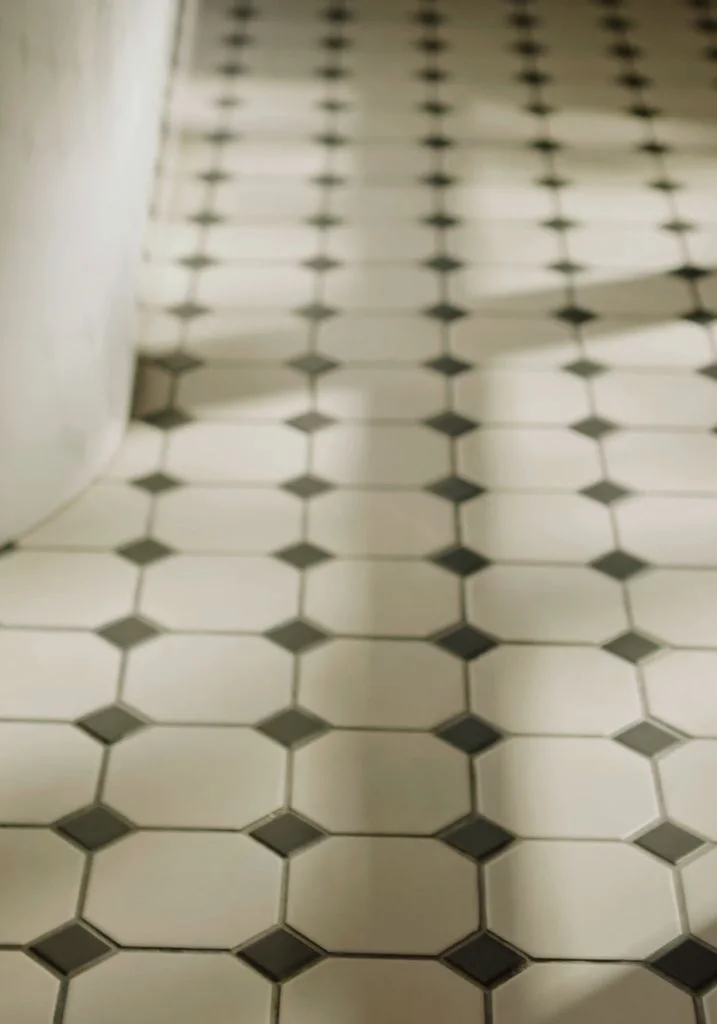
The classic checkerboard floor is where every checkered black white bathroom tile story begins: alternating 12-inch black and white squares, laid straight, with white grout. It is the floor of Parisian bistros, grand hotel lobbies, and a thousand vintage bathrooms — and it still looks right today because the pattern is perfectly balanced. Porcelain starts around $4–$8 per square foot, real marble runs $12–$20, so the look scales to almost any budget.
Keep the rest of the room simple and let the floor be the star: a white pedestal sink or a light wood vanity, a round mirror, and matte black or brass fixtures are all it needs. Avoid busy wall tile or patterned wallpaper competing with the grid — a plain wall in warm white or soft sage lets the checkerboard breathe. Seal natural stone after installation, and mop with a pH-neutral cleaner so the black squares stay rich.
2. Large-Format Checkerboard Tiles
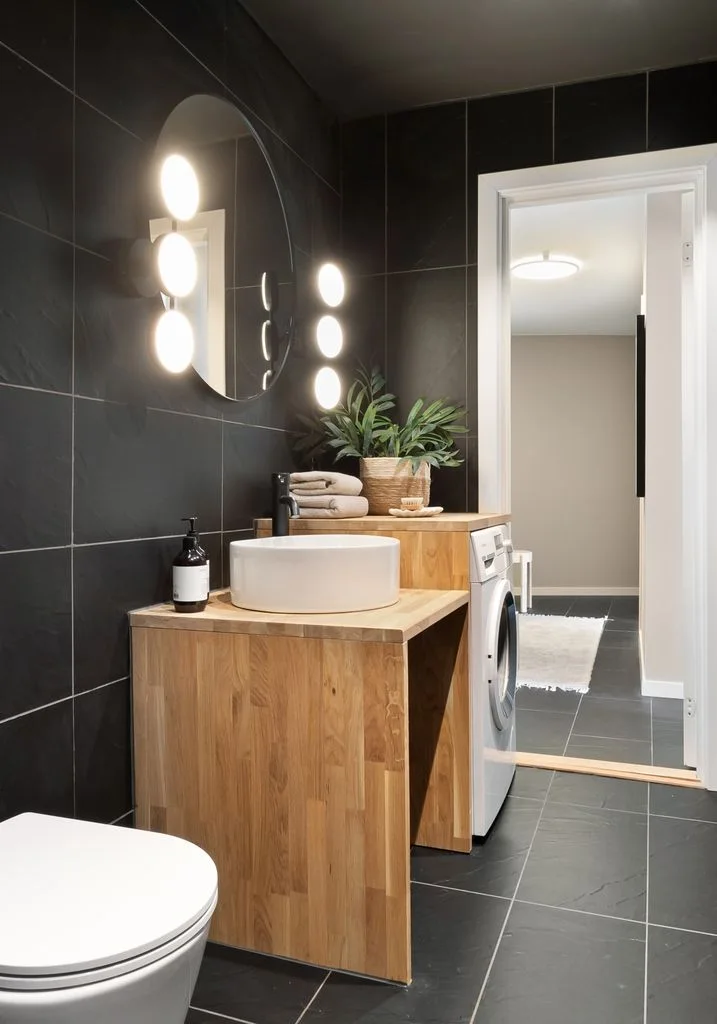
Large-format checkerboard tiles — 18-inch or 24-inch squares — give the classic pattern a calm, modern feel. Fewer grout lines mean the floor reads as big graphic blocks of color rather than a busy grid, which makes a small bathroom feel larger and a large bathroom feel serene. Large porcelain tiles cost roughly $5–$10 per square foot and are easier to keep clean than small mosaics, with simply less grout to scrub.
This scale works best in bathrooms with clean, simple fixtures: a floating vanity, a frameless glass shower, and one statement light. Because the squares are so big, buy all your tile from the same dye lot and dry-lay a few rows before the thinset goes down. In a small bathroom, run the grid straight from the door so the eye travels the full length of the room, and choose grout close to white so the pattern stays crisp.
3. Diagonal Checkerboard Layout
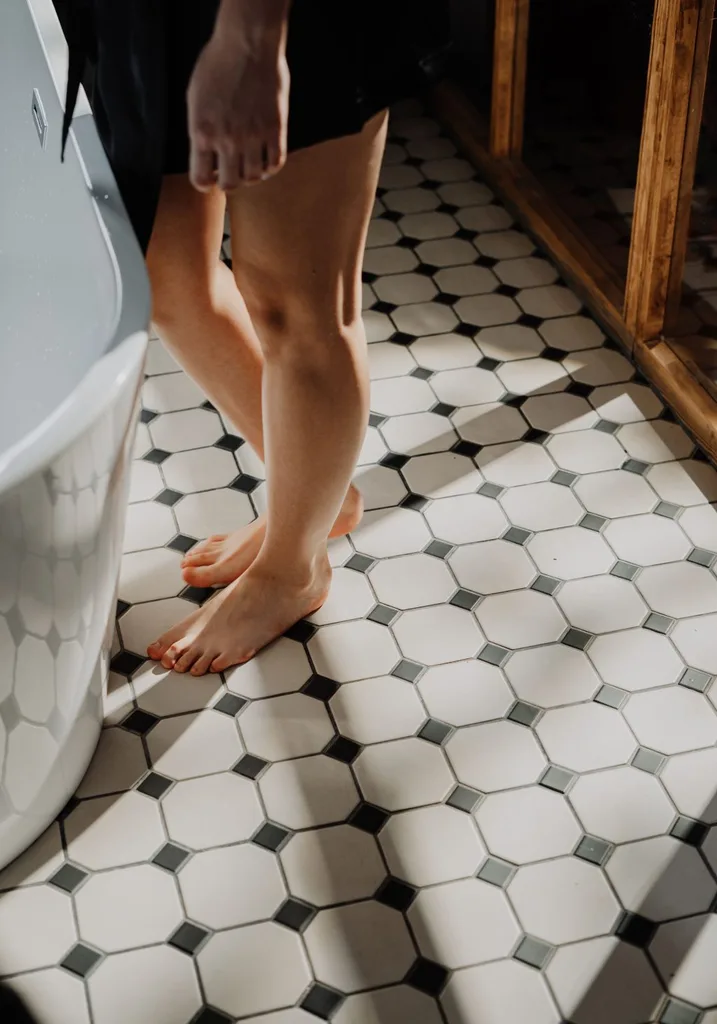
Laying the same black and white squares on the diagonal — turned 45 degrees so the squares read as diamonds — is the oldest trick for making a small bathroom feel bigger. The diagonal lines pull the eye toward the corners and blur the room’s true dimensions, which is why designers reach for it in narrow powder rooms and galley baths. The tile costs the same; you will need about 10–15 percent extra for the angled cuts at the edges.
A diagonal checkerboard pairs beautifully with a round or oval mirror, since the curves soften all those sharp angles. Keep the vanity simple and wall-hung if you can, so more of the diamond pattern stays visible. For the full effect, carry the diagonal layout into the shower threshold or the entry, so the floor reads as one continuous diamond field instead of stopping at a doorway.
📌 Related Articles:
4. Small-Format Mosaic Checkerboard
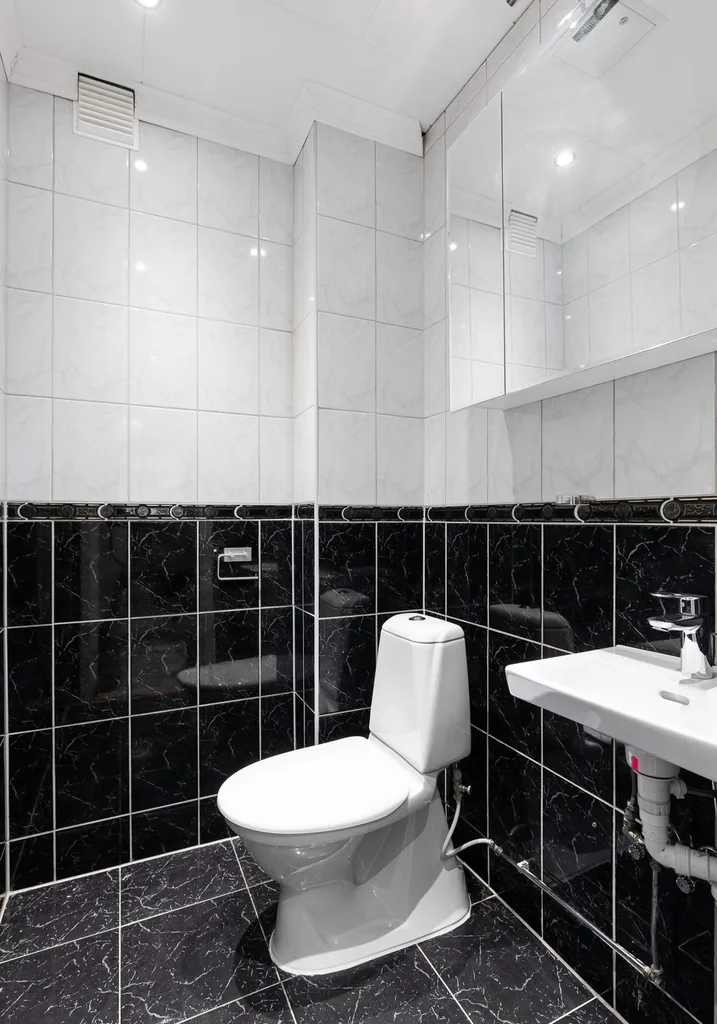
Small-format mosaic checkerboard — 2-inch or 4-inch squares, often sold on mesh sheets — brings a vintage, almost handmade energy to the bathroom. The dense grid feels like something from a 1920s hotel bath, and the extra grout lines give wet floors real grip, a smart choice for shower floors and around the tub. Mesh-mounted mosaic sheets run about $8–$15 per square foot and install faster than loose tiles.
Because small squares are busy by nature, give them a quiet frame: plain white wall tile, a simple vanity, and one metal finish repeated throughout. They are also the best checkerboard for curved or awkward spaces, following gentle curves and fitting around pipes and niches without awkward cuts. Choose epoxy grout and seal it well; small tiles mean many grout joints, and in a shower that grout works hard every day.
5. Checkerboard Shower Walls
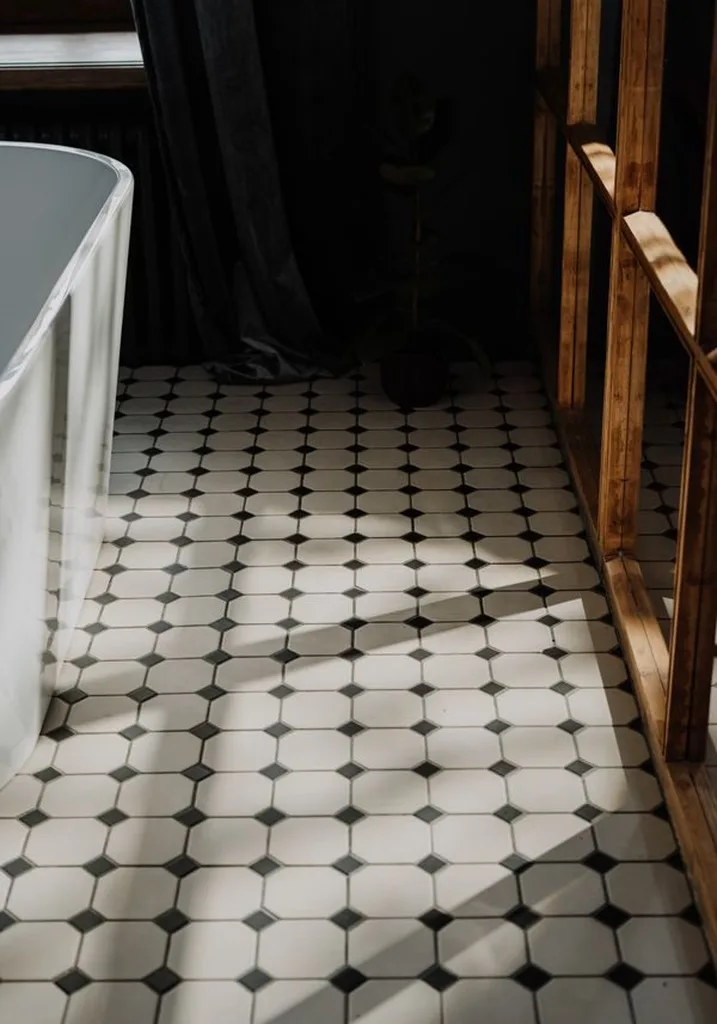
Moving the checkerboard off the floor and onto the shower walls turns an ordinary shower into the bathroom’s centerpiece. Full-height black and white squares behind the glass make the shower feel like a destination, and the pattern looks incredible with a rainfall showerhead and matte black fixtures. Wall tile in 6-inch or 8-inch squares hits the sweet spot — big enough to read clearly through glass, small enough to feel intentional.
Keep the rest of the shower calm so the pattern can shine: a single solid-color floor tile, one niche shelf, and clear glass rather than frosted. If a full checkerboard wall feels like too much, try it on one wall only — usually the back wall — and run plain white subway tile on the sides. Use a waterproofing membrane behind the tile and a grout sealer on top; shower walls see daily water, and black grout shows soap residue faster than white.
6. Black and White Subway Tile Combo
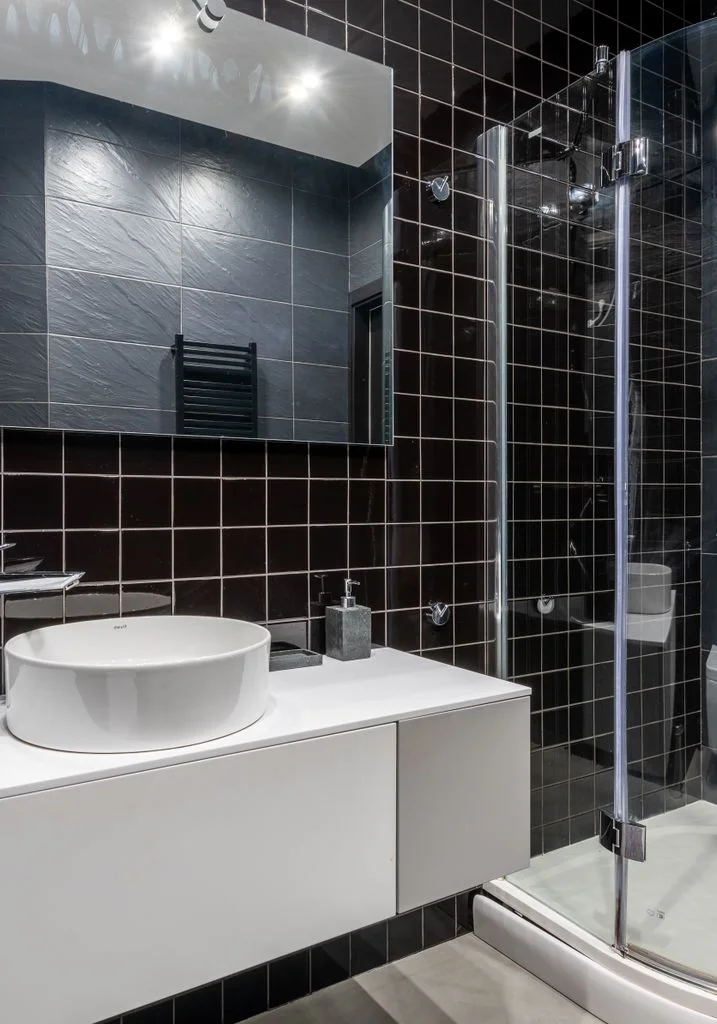
Pairing a checkerboard floor with classic white subway tile walls is the combination that launched a thousand Pinterest saves, because the two patterns balance each other perfectly. The checkerboard brings the drama down low, while the subway tile keeps the walls bright, clean, and calm. A white subway wall with dark grout echoes the floor’s contrast without competing with it — a small detail that ties the whole room together.
This is one of the most budget-friendly ways into the checkered look, since subway tile costs as little as $2–$5 per square foot. Run it in a straight stack or brick pattern to the ceiling in the shower, and halfway up the walls elsewhere, finished with a simple bullnose edge or a black pencil trim. For more personality, swap the white subway for a handmade-look zellige tile — the uneven glaze adds warmth flat ceramic cannot.
7. Checkerboard Accent Wall
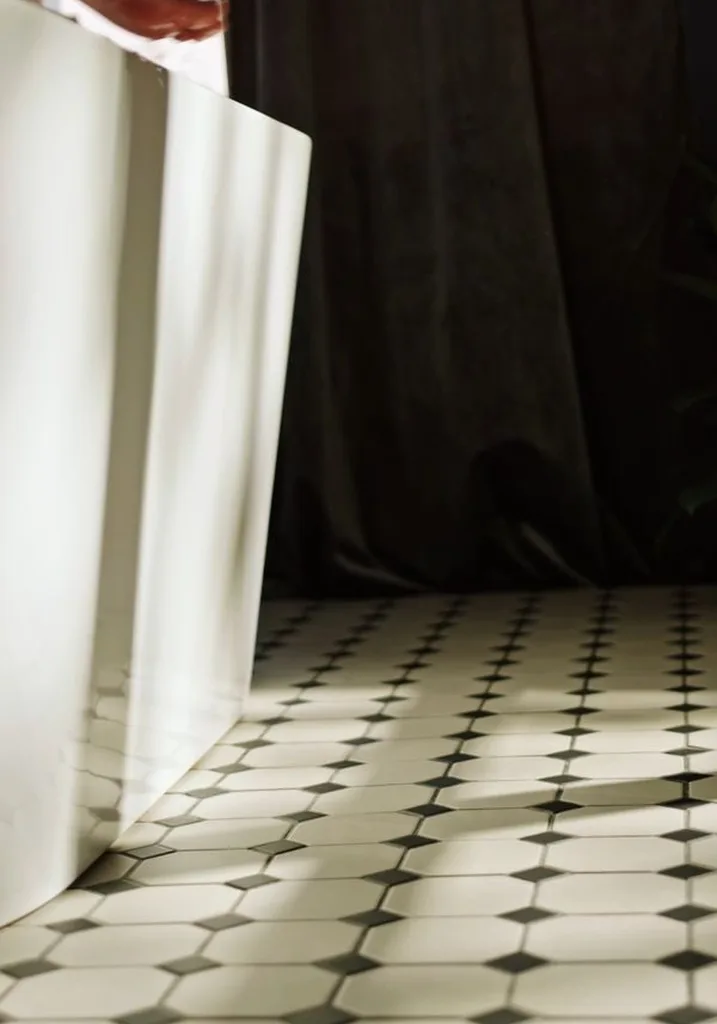
A checkerboard accent wall — one bold wall behind the vanity or the tub — delivers the pattern’s punch without committing the whole bathroom to black and white. It is the ideal move when you love the look but live with a small bathroom or a tight budget, because one wall of 6-inch squares costs far less than a full floor. It also photographs like a dream, which is why it dominates the black-and-white bathroom photos in Houzz’s black and white bathroom ideas gallery.
Choose the wall you face when you walk in — usually the vanity wall — and keep the other three walls soft warm white. A wood-framed mirror or a brass sconce mounted on the checkerboard breaks up the grid just enough to feel styled. Dark squares make a wall feel closer, so this suits bathrooms with decent ceiling height or a large mirror to bounce light back.
8. Bordered Checkerboard Floor
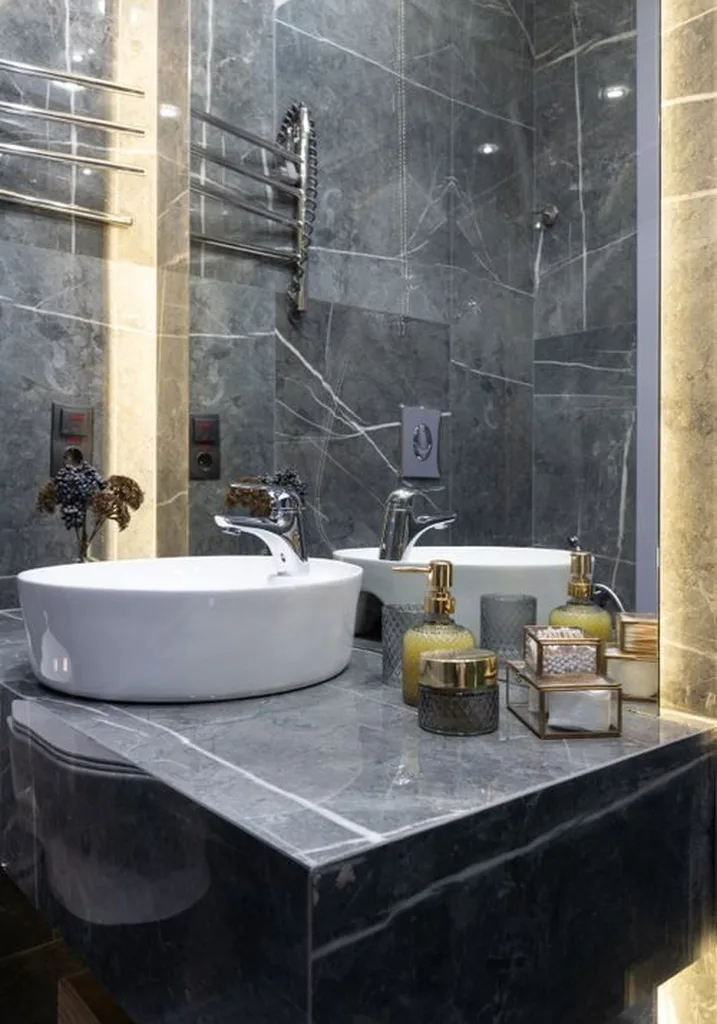
A bordered checkerboard floor adds a frame of solid black tile around the edge of the pattern, like a rug woven into the floor itself. The border gives the checkerboard a finished, tailored look — the difference between a tile floor and a designed floor — and it neatly hides the cut tiles at the walls. You only need one or two rows of solid black 12-inch tiles to create the effect.
This detail works in every bathroom size, but it shines in rooms with a freestanding tub or a pedestal sink, where the border reads like a frame around the room’s centerpiece. Plan the border before you order tile: measure the room, center the checkerboard field, and let the border absorb the uneven edges. A black border also forgives slightly uneven walls, since the eye reads the border’s straight inner edge rather than the wall line.
9. Checkerboard Vanity Backsplash
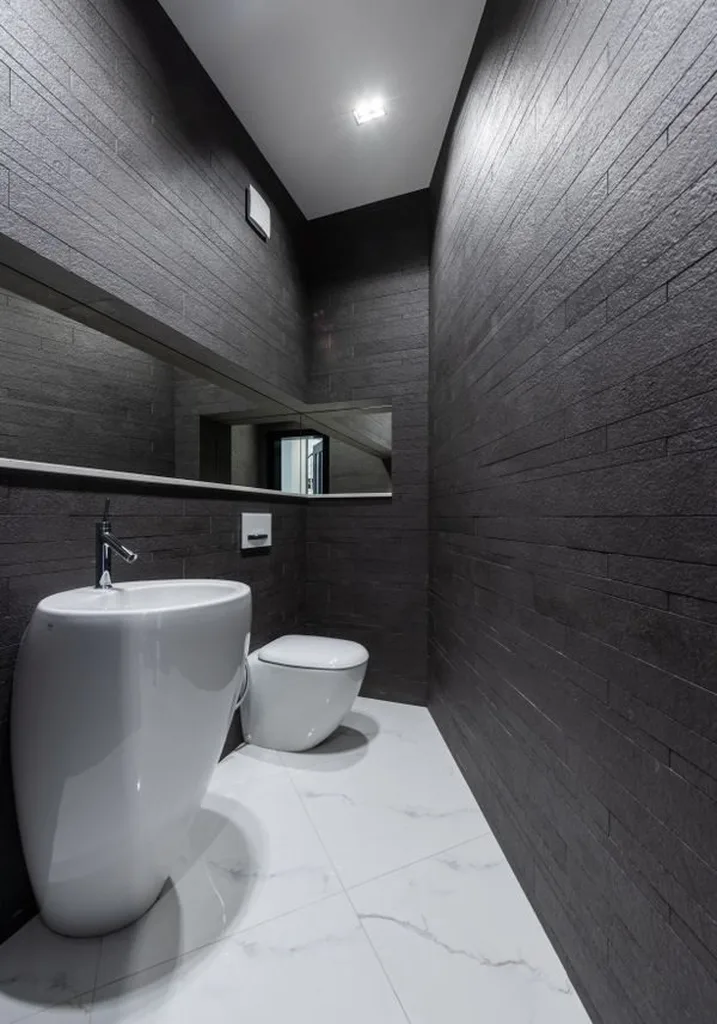
A checkerboard vanity backsplash is the smallest commitment with the biggest payoff in this whole list. A strip of 4-inch black and white squares behind the sink — just 18 inches high, from counter to mirror — gives you the pattern right where your eyes land every morning, for the cost of a few square feet of tile. It is also the most renter-friendly version if your landlord allows a small tile job.
Keep the vanity top solid — white quartz, butcher block, or marble — so the backsplash stays the star, and match your faucet finish to the room’s other metals. A small checkerboard reads best with a simple mirror, not an ornate one; a plain round or arched mirror lets the grid do the decorating. Use grout that matches the white tiles so the small squares stay crisp and bright at arm’s length.
10. Marble-Look Checkerboard Tiles
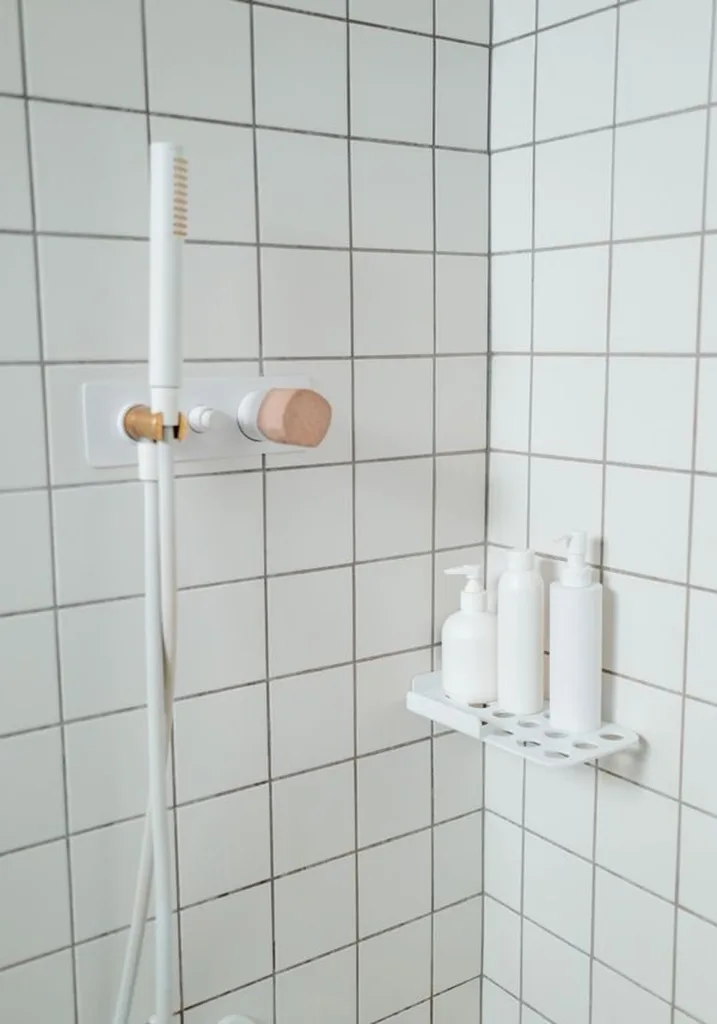
Marble-look checkerboard tiles give you the veined, luxurious feel of real Carrara and Nero Marquina marble at porcelain prices — and without marble’s staining and sealing worries. Modern digital printing is so good that even designers struggle to tell porcelain marble-look from the real thing at a glance, and the tiles cost roughly $5–$9 per square foot versus $12–$20 for natural stone. The soft gray veining in the white squares also warms up the stark black-and-white contrast.
Pair marble-look checkerboard with stone-look touches elsewhere — a marble vanity top, a stone soap dish — and the whole room feels quietly expensive. Keep wall colors warm: creamy white, pale greige, or soft taupe flatter marble’s gray veins better than cold blue-white. If you choose real marble, seal it before grouting and again after, and skip acidic cleaners, since even lemon-scented sprays can etch the surface.
11. Matte Black and White Checkerboard
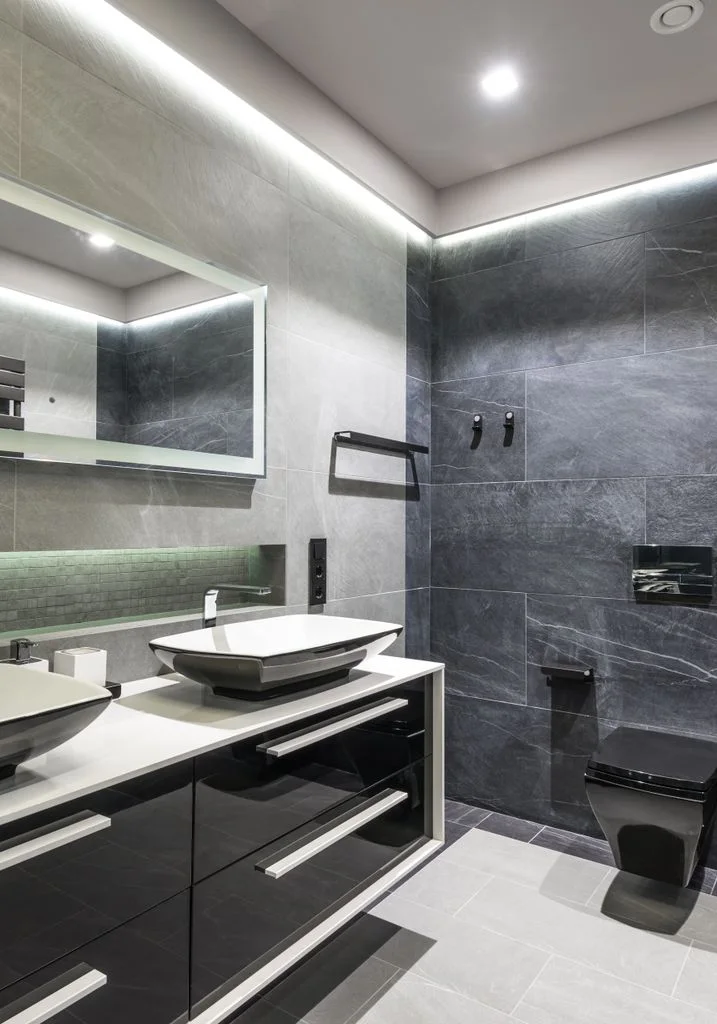
Matte black and white checkerboard tiles trade the classic glossy shine for a soft, velvety finish that feels modern and calm. Matte tiles hide water spots, fingerprints, and dust far better than polished ones, which makes them the practical choice for a busy family bathroom — and the low sheen keeps the bold pattern from feeling loud. Matte porcelain in 12-inch squares runs about $4–$8 per square foot.
The matte finish asks for texture elsewhere to keep the room from feeling flat: a woven basket, a linen shower curtain, a wood stool, or a nubby bath mat all add the warmth matte tile lacks. Pair it with matte black fixtures for a seamless, tonal look, or add one warm metal — brass or brushed gold — to break up the monochrome. Avoid high-gloss accessories here; the whole point of matte tile is its quiet confidence.
12. Checkerboard in a Small Bathroom
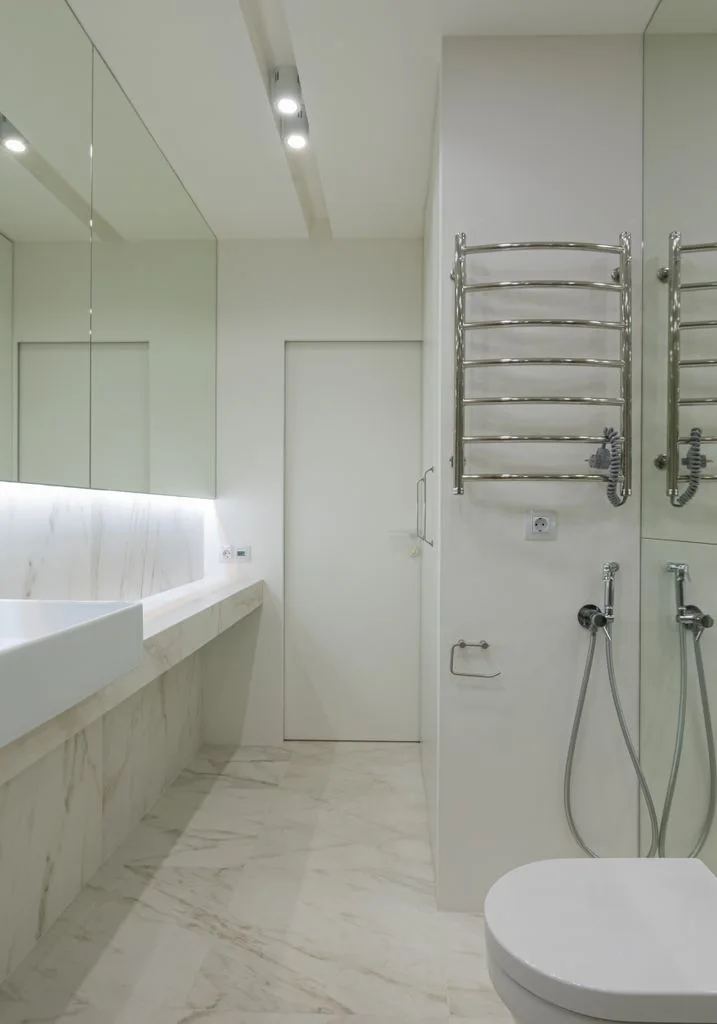
Small bathrooms are where checkered black white bathroom tile earns its keep, because the high-contrast pattern distracts from the room’s size and makes it feel designed rather than cramped. Choose 8-inch or 12-inch squares laid on the diagonal, keep the grout light, and let the pattern run wall to wall. A wall-hung vanity and a pedestal or corner sink leave more of the floor visible, which is the whole point.
Balance the bold floor with the lightest possible everything else — white walls, a large mirror, clear glass, and open shelving instead of closed cabinets. Skip the bath mat or choose a small white one, since a dark mat chops the pattern in half. If the room has no window, add warm lighting at 2700K and a mirror opposite the light source; good lighting keeps a small checkerboard bathroom feeling bright instead of boxed in.
13. Checkerboard with Warm Wood Accents
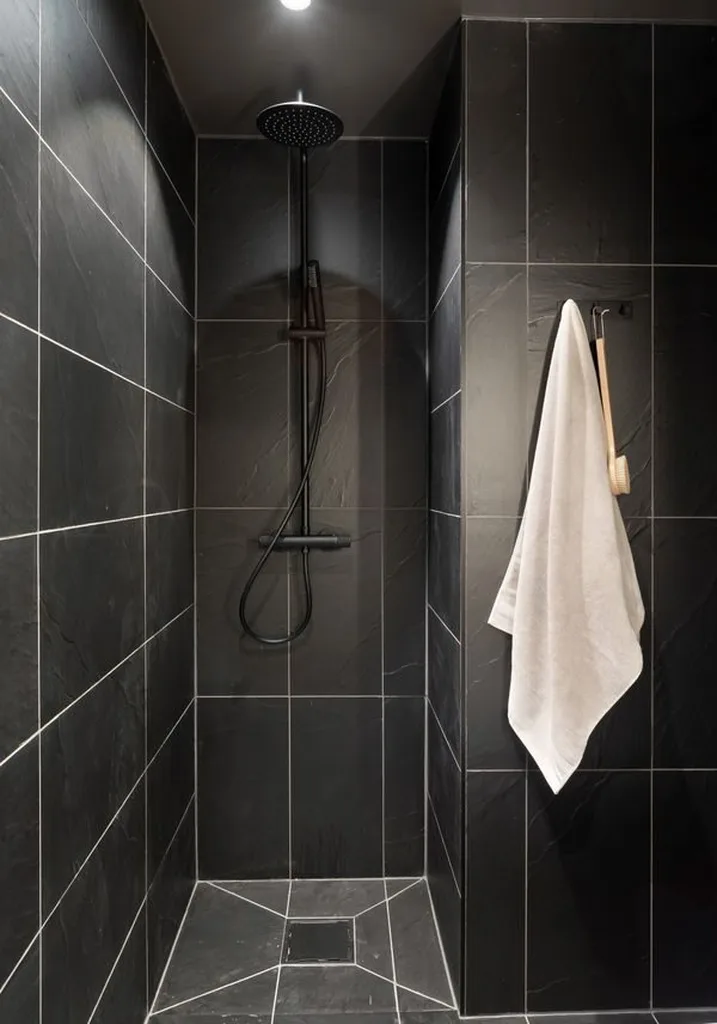
Warm wood is the single best partner for checkered black white bathroom tile, because it does what nothing else can: it takes a cold, graphic pattern and makes it feel like a home. A walnut or white-oak vanity, a teak bath stool, or a wood-framed mirror introduces honey tones that soften the black squares and warm the white ones. Even one wood element changes the room entirely.
Choose wood with a visible grain and a matte or oiled finish rather than high gloss, which can fight the tile’s graphic quality. A floating oak vanity with black hardware is the classic move, but smaller touches count too: a wooden tray on the counter, a bamboo ladder for towels, or a teak shower bench. Keep the wood tone consistent — one warm wood, repeated two or three times — so it reads as a deliberate layer.
14. Vintage Parisian Checkerboard Style
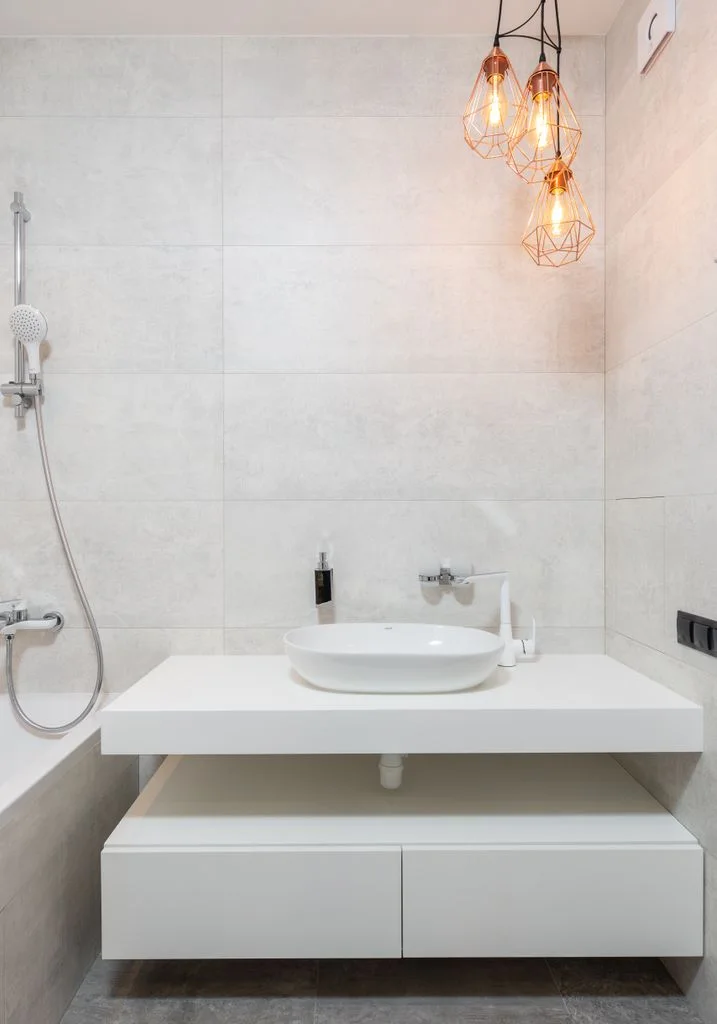
Vintage Parisian style is the checkerboard’s natural home: black and white marble squares, a clawfoot or pedestal tub, ornate gold-framed mirrors, and plaster details that make the whole room feel like a Haussmann apartment. The key is mixing the graphic floor with soft, romantic elements — a crystal sconce, a linen curtain, a gilded mirror — so the bathroom feels old-world elegant rather than simply tiled. Real marble squares, at $12–$20 per square foot, are the authentic choice here.
Details sell the Parisian look: a black-and-gold faucet, a marble-topped vanity, a small stool with a velvet cushion, and fresh flowers in a glass vase. Keep wall colors pale — warm white or the palest blush — and let the floor carry all the contrast. If a full Parisian remodel is beyond reach, the floor plus one gold mirror and one vintage-style light get you most of the feeling for a fraction of the cost.
15. Checkerboard with Brass Fixtures
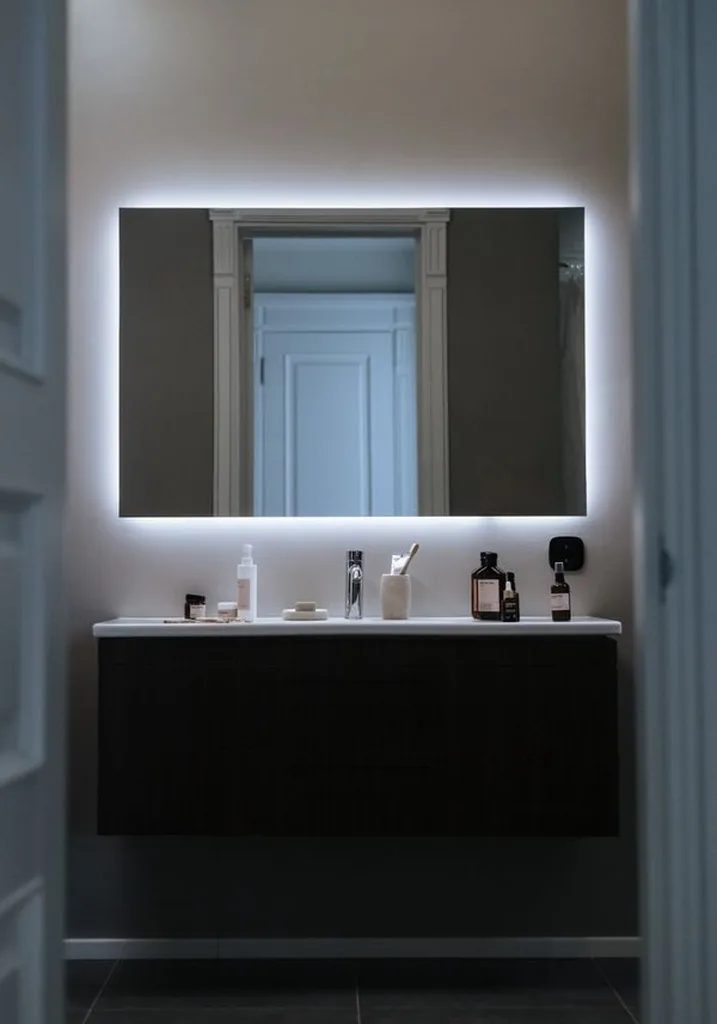
Brass fixtures are the jewelry that makes a black-and-white checkerboard bathroom feel finished. Unlacquered brass faucets, shower fittings, and sconces warm up the monochrome palette with a soft golden glow, and the metal ages beautifully, developing a patina that suits the pattern’s vintage roots. Brass fixtures cost more than chrome — often 30–50 percent more — but they are the detail guests notice first.
Commit to one brass finish throughout the room: faucet, showerhead, towel rings, mirror frame, and cabinet pulls, all in the same unlacquered or aged brass. Mixing brass with chrome or nickel dilutes the effect and makes the room look undecided. Brass also pairs beautifully with warm wood and creamy whites, so a brass-and-checkerboard bathroom rarely needs any other accent color.
16. Black Grout with White Tile Checkerboard
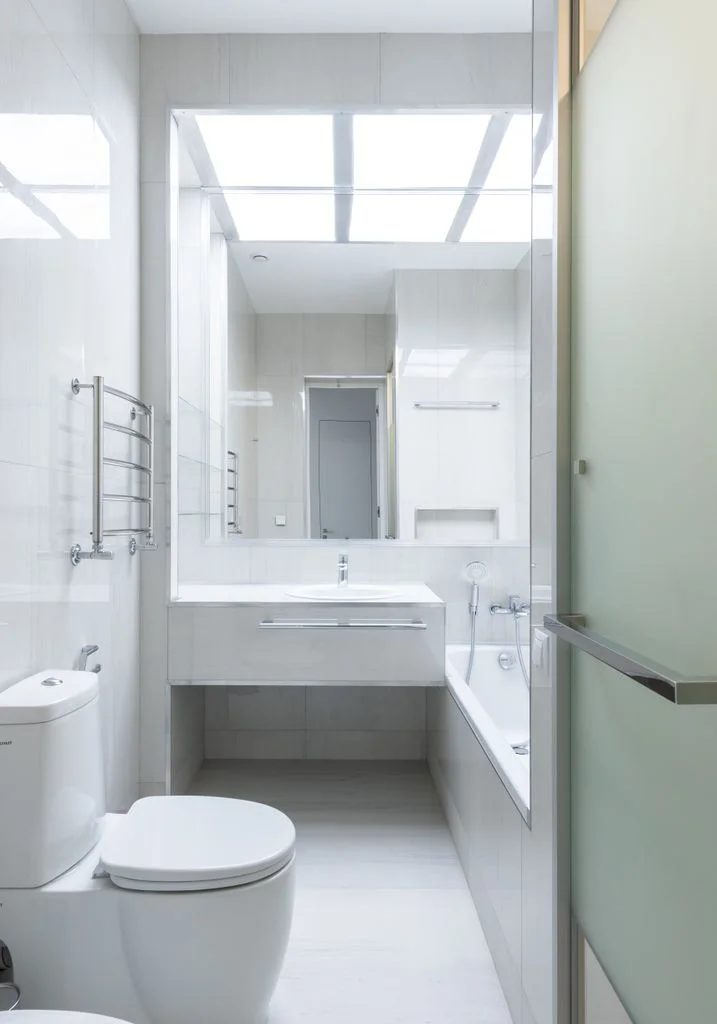
Using black grout with white tiles — and white grout with black tiles — flips the classic checkerboard into a bolder, more graphic version where every square is outlined in the opposite color. The effect is sharper and more modern than the standard look, almost like a hand-drawn grid, and it makes each tile pop individually. Dark grout also hides the staining white grout shows in a wet bathroom, a practical win on top of the style.
This version demands precise installation, because every grout line is on display — hire a tiler with strong references if you are not confident in your own lines. Pair the high-contrast grid with the simplest fixtures and a solid-color wall, since the floor is already doing a lot of visual work. It also looks striking in a powder room, where guests see it up close and the small space makes the graphic detail feel intentional.
17. Checkerboard Half-Wall Wainscot
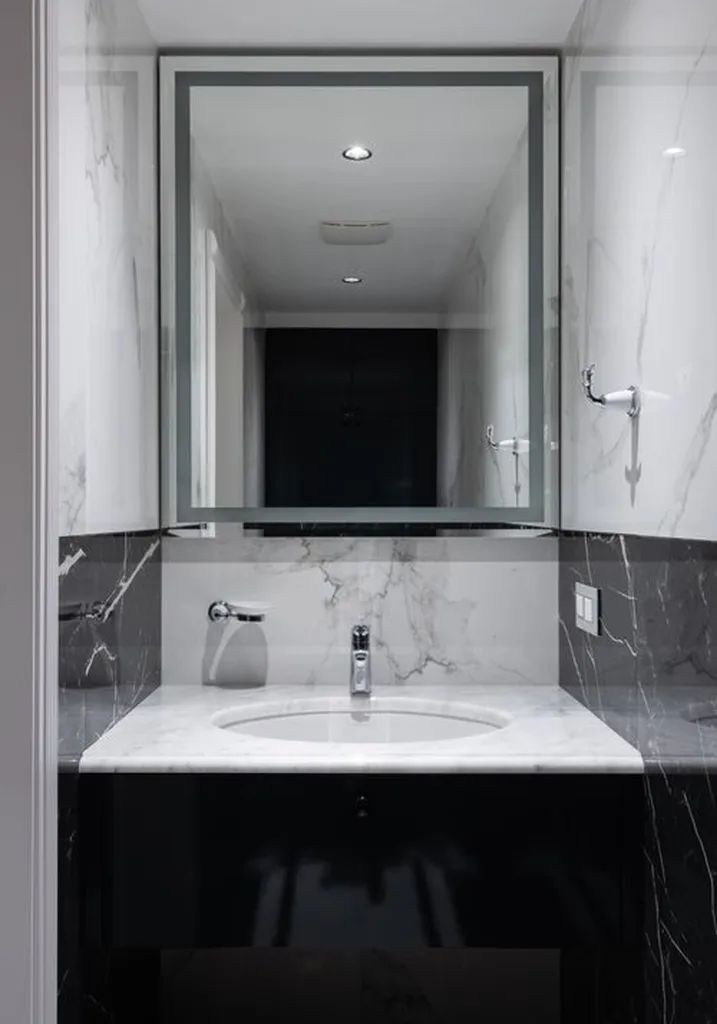
A checkerboard half-wall — tile wainscoting that runs waist-high around the room, topped with a simple chair rail — gives you the pattern at eye level without overwhelming the space. It is a classic look in older homes, where tiled wainscot protected plaster walls from splashes, and it reads as both practical and decorative today. Four-inch squares in a straight grid work best here, with a black pencil trim or a marble cap finishing the top edge.
Paint the wall above the wainscot a warm white or a soft color pulled from the room — pale sage, dusty blue, or warm greige all flatter the black and white below. This idea suits bathrooms with a pedestal sink especially well, since the tile protects the wall behind the basin. Seal the grout well, because a half-wall in a bathroom takes daily splashes.
18. Checkerboard Shower Niche
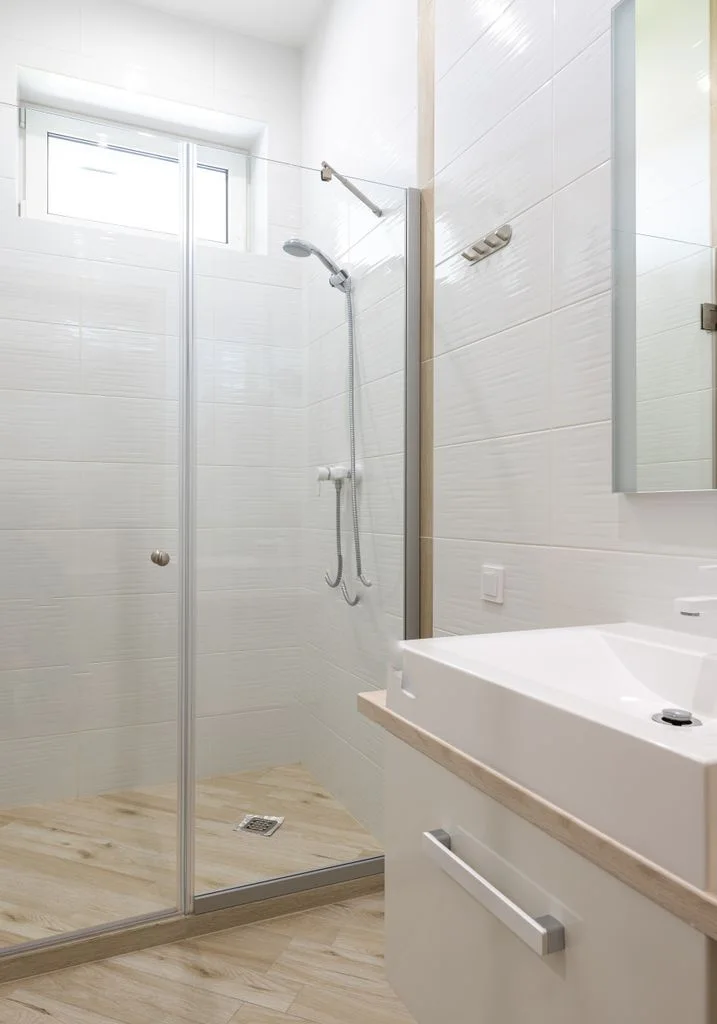
A checkerboard shower niche is the tiniest checkerboard in this guide — a single recessed shelf lined with 2-inch black and white squares — and it might be the most charming. It turns a purely functional shelf into a little framed picture inside the shower, and it costs almost nothing: one mesh sheet of mosaic tile and a few minutes of extra tiling. Guests notice it every time, which is a lot of impact for very little tile.
Keep the rest of the shower walls plain white so the niche reads as a deliberate jewel box rather than part of a busy wall. Line the niche’s back wall with the checkerboard and use solid white tile on its sides and shelf, or run the pattern on all five surfaces for a bolder look. Use epoxy grout in the niche — it resists soap and shampoo residue — and slope the shelf slightly forward so water drains instead of pooling.
19. Checkerboard with a Freestanding Tub
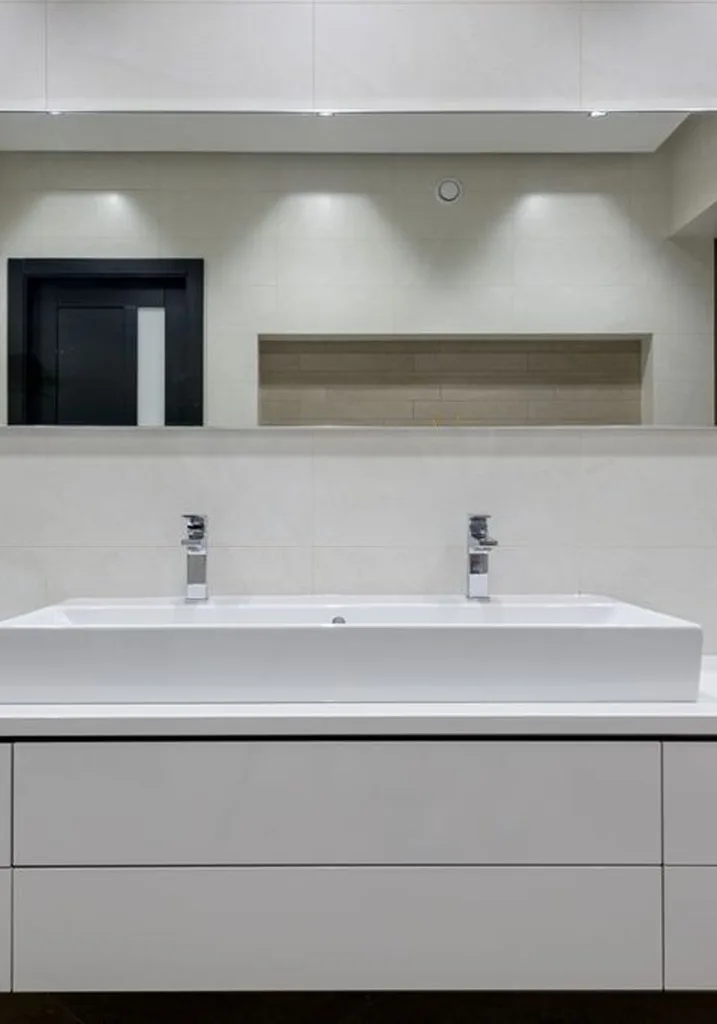
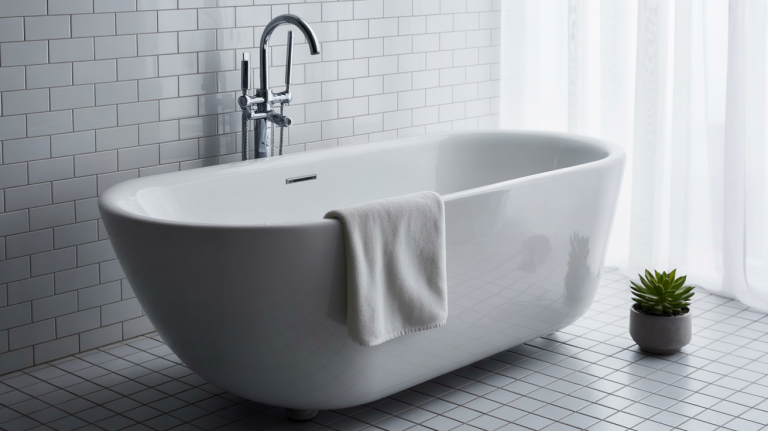
A freestanding tub on a checkerboard floor is one of the most pinned bathroom images on the internet, and it is easy to see why: the tub’s soft curves against the floor’s hard geometry is a perfect contrast. Whether the tub is a classic clawfoot or a modern oval soaker, the checkerboard underneath acts like a stage, framing the tub as the room’s centerpiece. Plan the layout so a full black or white square sits centered under the tub’s drain, not a cut tile.
Give the tub breathing room — a few inches of visible checkerboard on every side — and keep the floor clear of bath mats that would hide the pattern. A small stool, a folded towel ladder, or a single plant beside the tub is all the styling this scene needs. If the tub is white, matte black fixtures tie it to the black squares; if it is black, white fixtures and a light wood stool keep the room balanced.
20. Checkerboard Tile Rug Effect
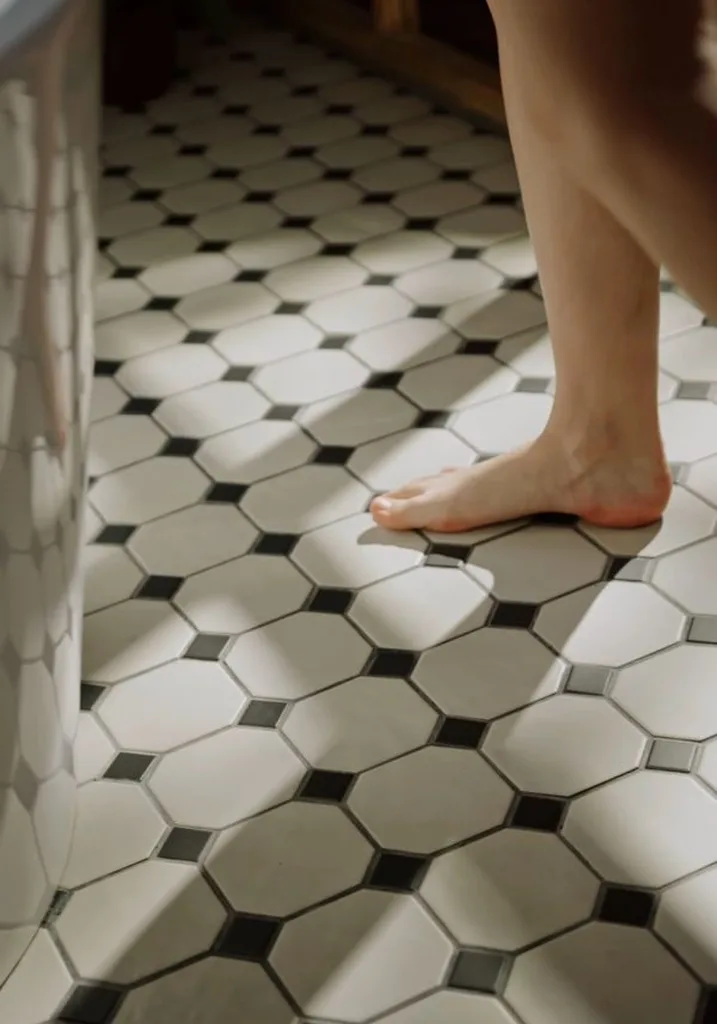
The checkerboard tile rug is a clever inlay: a rectangle of checkerboard tiles set into a field of solid tile, like a rug that will never need washing. It defines a zone — in front of the vanity, under the tub, or at the room’s center — while the surrounding solid floor keeps the room calm. You get the pattern’s personality without committing the whole floor to it, and the solid border makes it feel like a designed feature rather than a leftover.
Plan the rug’s size around the room: roughly two-thirds of the floor’s width, centered on the vanity or the tub, with at least a foot of solid tile on every side. Use the same tile family inside and outside the rug so the colors match, and keep the grout consistent across both zones. It works beautifully with large-format solid tiles outside the rug, since the contrast between the quiet field and the busy inlay is what makes the rug read.
21. Checkerboard Powder Room Statement
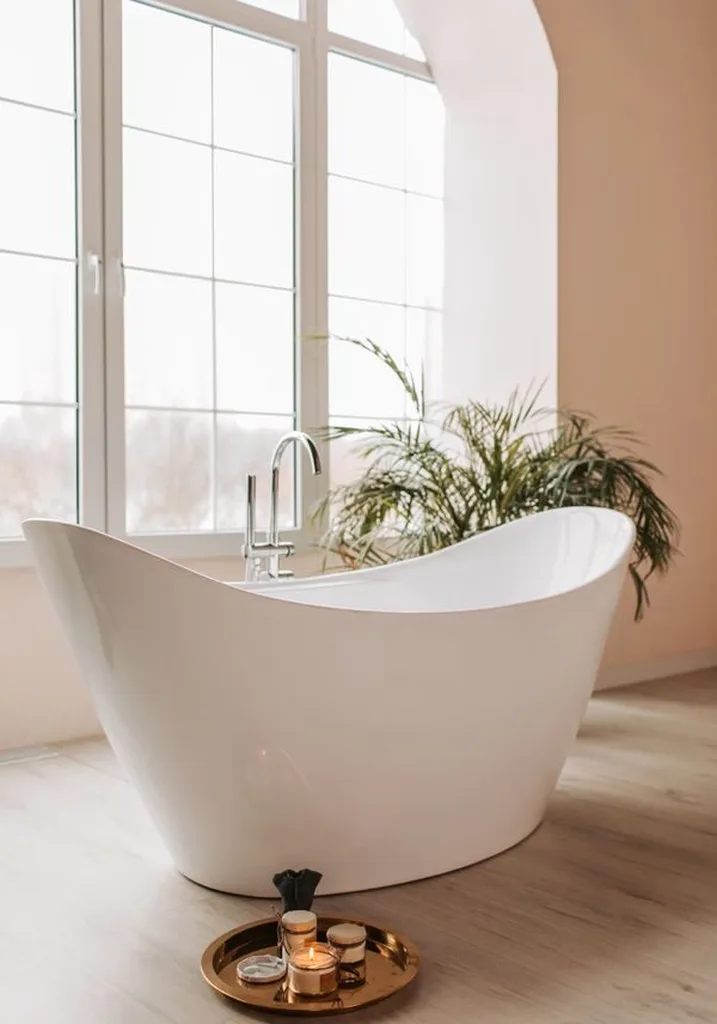
The powder room is the best place in the house to go all-in on checkered black white bathroom tile, because it is small, guests see it, and you do not have to live in it every day. A full checkerboard floor, an accent wall, or even checkerboard on every surface turns a tiny guest bath into a jewel box that people photograph and remember. Small rooms forgive bold choices that would overwhelm a large primary bath.
Go big on the details in a powder room: a dramatic mirror, one oversized sconce, a small vase of fresh flowers, and a scented candle on the vanity. Because the room is small, you can afford the best materials — real marble squares or handmade-look tile — without the budget exploding. Keep the door open when guests visit; a powder room this good deserves to be seen.
📌 Also Read:
How to Choose the Right Checkered Black White Bathroom Tile for Your Home
Start with the room itself. Measure the floor and note the light: a windowless bathroom needs larger squares and lighter grout so the pattern stays bright, while a big, sunny bathroom can handle small mosaics and dark grout. Check the subfloor too — large-format tiles need a perfectly flat surface, and older homes may need leveling compound first. For more real-room examples, browse the photo galleries on Houzz’s bathroom ideas and save the rooms that match your bathroom’s size and shape.
Then choose your material by lifestyle, not just looks. Porcelain is the workhorse — cheap, waterproof, nearly stain-proof, and available in every size — which makes it right for family bathrooms and rentals. Natural marble is the luxury choice, but it stains, etches, and needs sealing twice a year. Cement encaustic tiles are gorgeous and handmade-feeling, yet porous and best kept to low-traffic powder rooms. Peel-and-stick vinyl is the renter’s shortcut: it delivers the look for a weekend and a few dollars per square foot, and comes off when the lease ends.
Finally, order samples before you commit. Black tiles vary wildly — some are true jet black, others read charcoal or navy in your light — and white tiles range from cold blue-white to warm cream. Lay the samples on your actual bathroom floor, live with them for a few days, and check them in morning, evening, and artificial light. Order 10 percent extra tile for straight layouts and 15 percent for diagonal ones, and buy it all from one batch so the colors match.
Checkered Black White Bathroom Tile on a Budget
The under-$150 refresh. Peel-and-stick checkerboard vinyl tiles over your existing floor, a black-and-white shower curtain, and a small checkerboard tray on the vanity. This tier buys the whole look for a weekend and the price of a dinner out — and it is fully reversible, the smartest test drive before a real tile job. Measure twice, clean the old floor thoroughly, and the vinyl will stay put for years.
The $150–$600 room lift. Porcelain checkerboard on the floor of a small bathroom or powder room, plus a checkerboard vanity backsplash in 4-inch squares. At this level the pattern becomes permanent and the room genuinely changes character. Do the demolition and prep yourself, hire a tiler for the setting, and spend the savings on better grout and sealer — the materials that decide whether the floor still looks good in five years.
The $600+ full statement. Real marble checkerboard, a bordered floor, or checkerboard carried up the shower walls, professionally installed with leveling, waterproofing, and epoxy grout. This is the investment tier, and it pays off in resale: a well-done checkerboard bathroom looks as good in a listing photo as it does in person. Get three quotes, check references, and ask every tiler how they handle lippage on large squares before you sign.
Common Mistakes to Avoid
- Using the pattern everywhere at once. A checkerboard floor, checkerboard walls, and a checkerboard backsplash in one room cancel each other out. Pick one zone and let the rest of the room stay quiet.
- Choosing the wrong tile size. Tiny mosaics in a big room look busy and fussy; giant squares in a tiny powder room leave you with nothing but cut tiles at the edges. Match the scale to the room.
- Skipping the dry lay. Checkerboard patterns must be centered, or the room ends with slivers of tile at the walls. Dry-lay the whole floor before any thinset goes down.
- Forgetting the grout color. Grout is half the look of a checkerboard. White grout brightens, black grout deepens, and unsealed grout stains — choose deliberately and seal it.
- Mixing too many metals. Chrome faucets, brass sconces, and black hardware in one small room look accidental. Pick one metal finish and repeat it.
- Ignoring slip resistance. Polished marble and glossy porcelain are slippery when wet. Choose a matte or textured finish for floors, especially in showers and around tubs.
Frequently Asked Questions
Is checkered black white bathroom tile still in style?
Yes — the checkerboard is one of the few bathroom patterns that never truly goes out of style, and it is surging again on Pinterest in vintage-modern bathrooms. Because it is a classic rather than a trend, a well-installed checkerboard floor looks current for decades, which is why designers keep specifying it for period homes and new builds alike.
What size tile is best for a checkerboard bathroom floor?
Twelve-inch squares are the classic choice and suit most bathrooms, while 18-inch or 24-inch squares feel more modern and make small rooms look larger. In a powder room or shower floor, 4-inch or 2-inch mosaic squares work best, since they fit tight spaces and give wet feet better grip. Lay the pattern on the diagonal to make a small room feel bigger.
Does black tile show dirt and water spots?
Black tile shows dust, water spots, and soap residue more than white tile does, especially in glossy finishes. Matte black tiles hide spots far better, and a quick daily squeegee or wipe keeps any black tile looking clean. Sealing natural stone and using a pH-neutral cleaner also prevents the cloudy film that makes black tile look tired.
Can I use checkered tile in a small bathroom?
Absolutely — small bathrooms are one of the best places for a checkerboard, because the bold pattern distracts from the room’s size and makes it feel designed rather than cramped. Use 8-inch or 12-inch squares on the diagonal, keep the grout light, and pair the floor with white walls, a large mirror, and a wall-hung vanity so as much of the pattern stays visible.
Is checkerboard tile expensive?
It depends on the material. Porcelain checkerboard costs about $4–$8 per square foot and is the budget-friendly workhorse, while real marble runs $12–$20 per square foot plus sealing and professional installation. Peel-and-stick vinyl costs a few dollars per square foot and is the cheapest way to test the look, especially in a rental or a powder room.
Conclusion
Checkered black white bathroom tile is the rare design choice that is bold, classic, and practical all at once. It works in a powder room and a primary bath, in marble and in vinyl, in a Parisian apartment and a modern farmhouse — and it has survived a century of trends because the pattern itself is simply good. Start with the floor, soften it with wood and brass, and keep the rest of the room calm.
If one of these 21 ideas caught your eye, save this post to your bathroom decor board on Pinterest so it is waiting for you at the tile shop — and pin your favorite checkerboard to share the look.