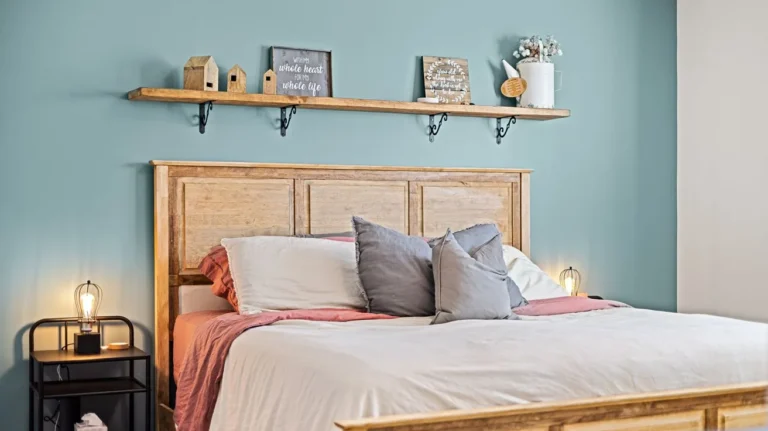
Top 21 Farmhouse Bedroom Ladder Decor Ideas for a Cozy, Rustic Retreat
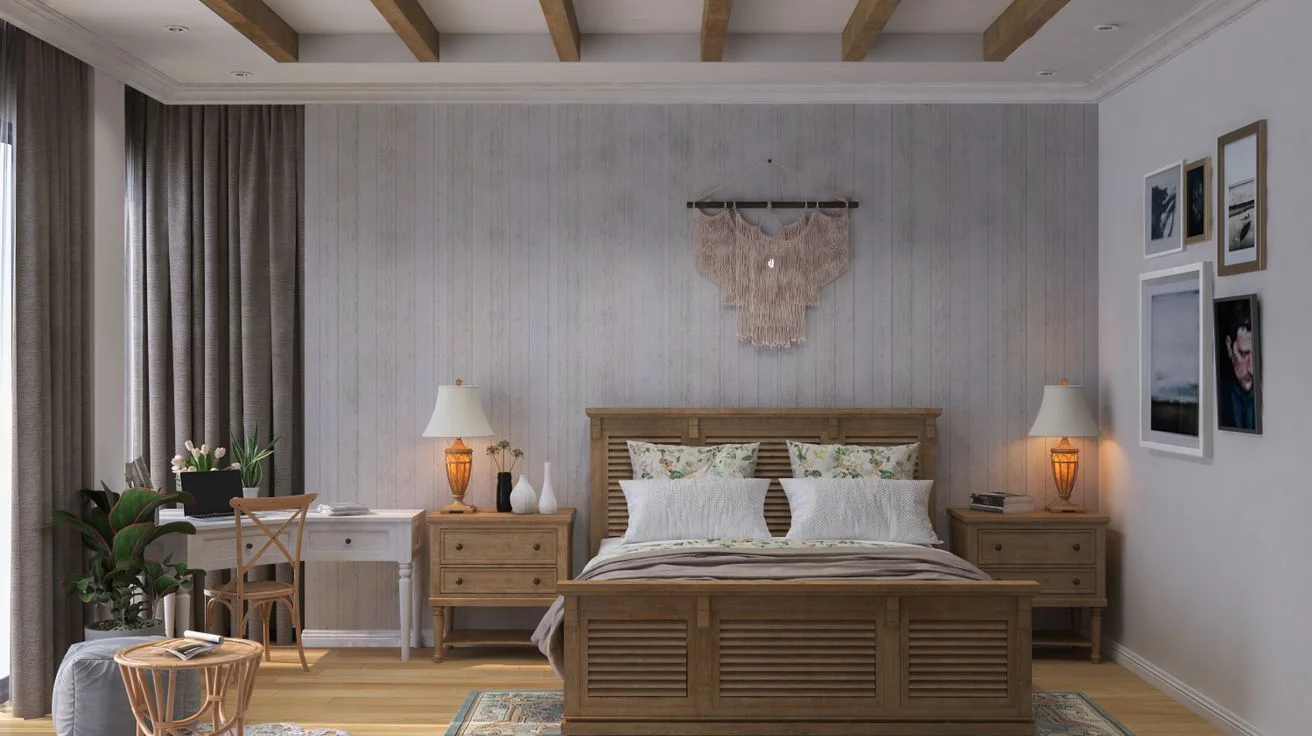
A wooden ladder leaning against a bedroom wall is one of the simplest farmhouse tricks there is. It costs almost nothing, takes up barely any floor space, and instantly adds the layered, collected feeling that makes farmhouse bedrooms so inviting. Whether it holds quilts, blankets, scarves, or nothing but fairy lights, a ladder turns an empty corner into a styled moment.
In this guide you will find 21 farmhouse bedroom ladder decor ideas, from the classic blanket ladder beside the bed to DIY builds, seasonal styling, and clever small-space uses. Every idea includes realistic prices, where to find or how to make the ladder, and the small styling moves that keep it looking intentional.
Save this list to your farmhouse bedroom board on Pinterest before you start. Most of these ideas take under an hour and build on pieces you may already own — a thrifted ladder, a stack of quilts, a few hooks.
Overview
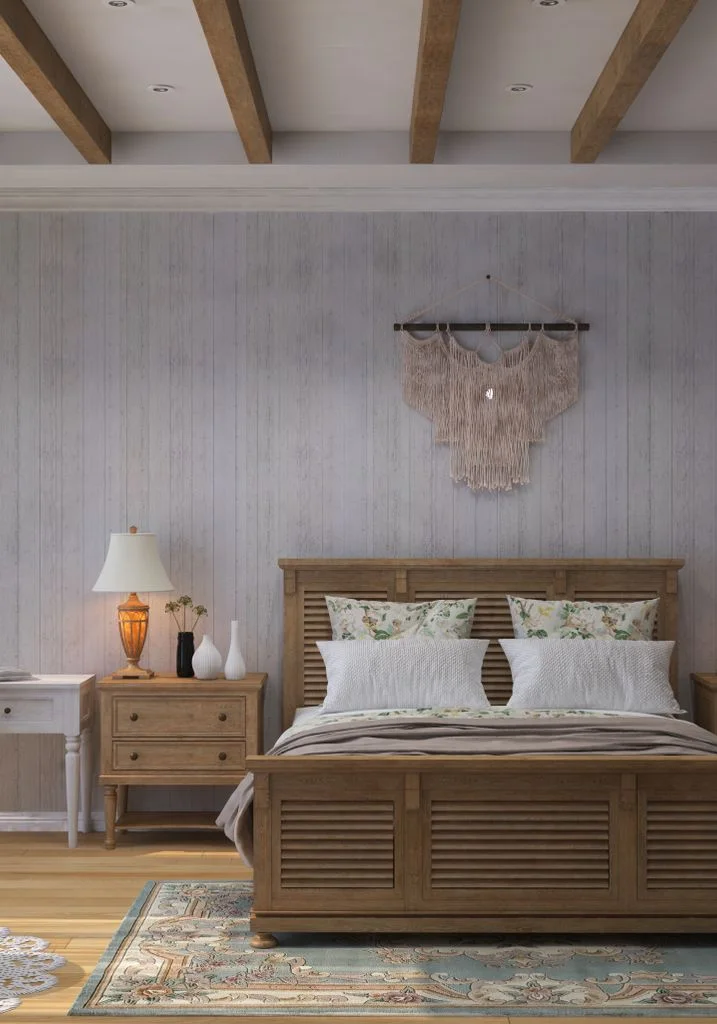
Farmhouse bedroom ladder decor works because it sits at the intersection of storage and styling. A ladder is vertical, so it uses wall space instead of floor space; it is open, so it displays textiles instead of hiding them; and it is made of wood, which brings the warm, natural texture farmhouse style is built on.
The key is choosing a ladder that fits your room and your purpose. A tall, narrow ladder suits a small bedroom corner, while a wide, chunky ladder anchors a wall beside a king bed. Reclaimed barn wood reads rustic and collected; whitewash reads bright and modern farmhouse; dark walnut reads moody and traditional. Before you buy or build, measure the wall, decide what the ladder will hold, and pick a finish already present in the room — a nightstand, a frame, a beam — so it feels like it belongs.
Key Takeaways
- Start with the job: blanket storage, quilt display, towels, or pure decoration — the job decides the ladder’s size, rung spacing, and placement.
- Match the wood to the room: echo a finish already in the bedroom — weathered pine, whitewash, walnut, or painted cream — so the ladder looks collected, not random.
- Lean, don’t hang, in most cases: a ladder leaned at a slight angle is stable, renter-friendly, and easy to move.
- Layer textiles with intention: fold throws in thirds, mix one pattern with solids, and keep colors inside your palette of cream, sage, rust, and plaid.
- Keep it safe: anchor tall ladders in homes with kids or pets, keep rungs clear of tripping hazards, and never overload a decorative ladder.
- Style seasonally: swap throws, garlands, and greenery with the seasons and the same ladder feels brand new four times a year.
1. The Classic Blanket Ladder by the Bed
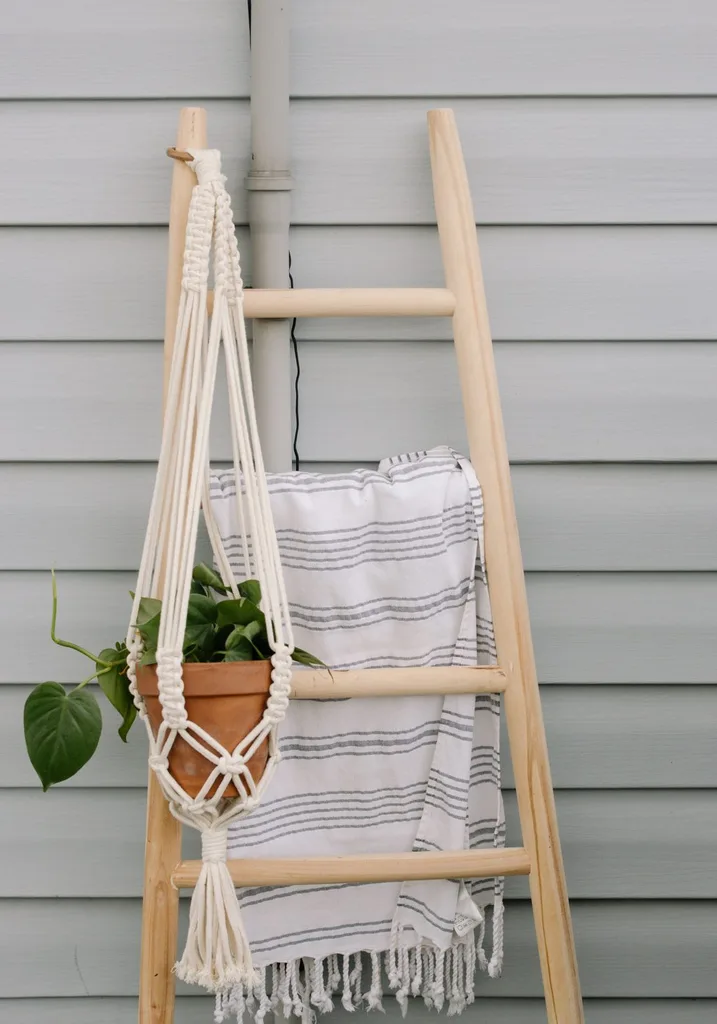
The blanket ladder beside the bed is the idea that started the whole trend, and it is still the best place to begin. A five- or six-rung ladder leaned against the wall within arm’s reach of the bed keeps two or three throws ready for cold nights, and it looks styled even when the blankets are in use. Apartment Therapy’s rustic bedroom roundup even features a sweet blanket ladder in a plaid-styled room — see their 23 rustic bedroom ideas for more inspiration in the same spirit.
Choose a ladder between five and six feet tall so it clears the bed frame without towering over it, and leave at least six inches between the ladder and the bed so blankets drape freely. Fold each throw in thirds lengthwise, drape it over a rung with the fold facing out, and stagger the lengths so the hems fall at different heights. A ready-made pine blanket ladder costs $40–$90; thrifted wooden ladders often sell for $10–$25 and need only a scrub and a coat of wax.
2. A Quilt Display Ladder at the Foot of the Bed
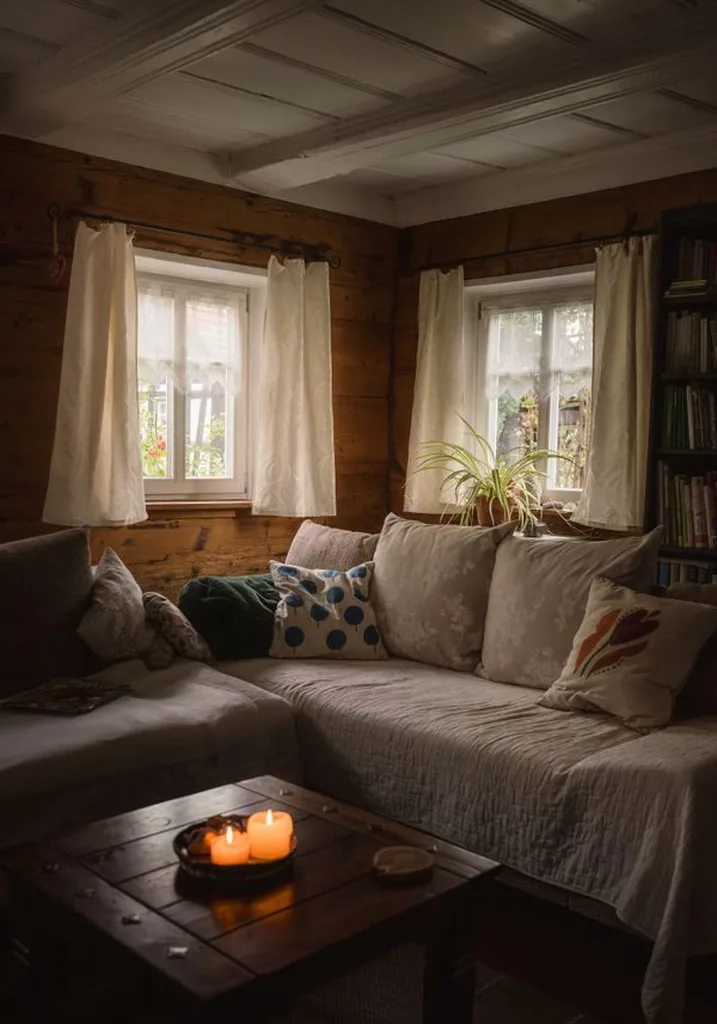
A quilt deserves to be seen, and a ladder at the foot of the bed turns your prettiest quilt into wall art you can also use. This works especially well with handmade, vintage, or patchwork quilts, whose patterns and colors do the decorating for you. Place the ladder on the wall facing the door, so the quilt is the first thing you see when you walk in.
Use a wider ladder for quilts, at least 18 inches across, so the fabric hangs without bunching, and hang only one quilt per rung so the pattern stays visible. Rotate quilts with the seasons: heavy wool or flannel in winter, light cotton or linen in summer. If the quilt is a family heirloom, drape it loosely and keep it out of direct sunlight so the colors stay true.
3. Rustic Reclaimed Barn Wood Ladder
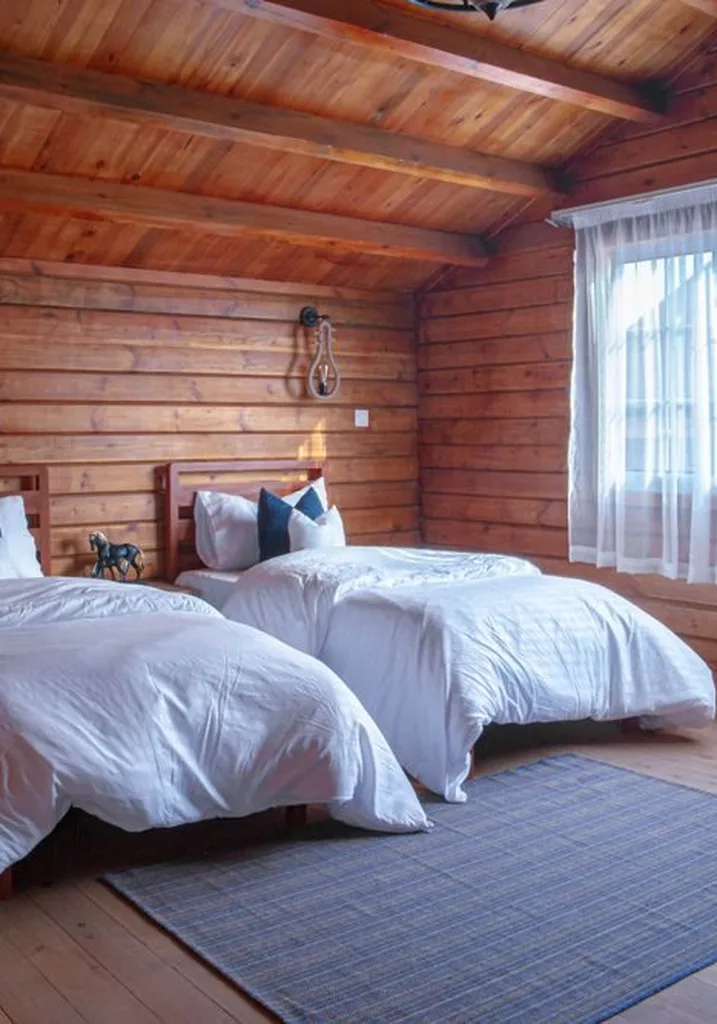
Nothing says farmhouse like a ladder made from genuine reclaimed barn wood, with its nail holes, saw marks, and silvered gray-brown patina intact. These ladders look collected rather than bought, which is the whole point of farmhouse style — the room should feel like it grew over time. Salvage yards, barn demolitions, and farm auctions are the best sources, and a real reclaimed ladder usually costs $50–$150 depending on size and condition.
Before bringing a barn ladder inside, scrub it with a stiff brush and mild soap, let it dry fully in the sun, and seal it with clear matte wax or polyurethane so it sheds no dust or splinters onto bedding. Check every rung — decades of weather can loosen joints, so tighten or re-glue anything that wobbles. Pair it with undyed linen throws and a jute rug, and the room instantly feels like a countryside farmhouse.
📌 Related Articles:
4. Whitewashed Ladder for a Bright Farmhouse Feel
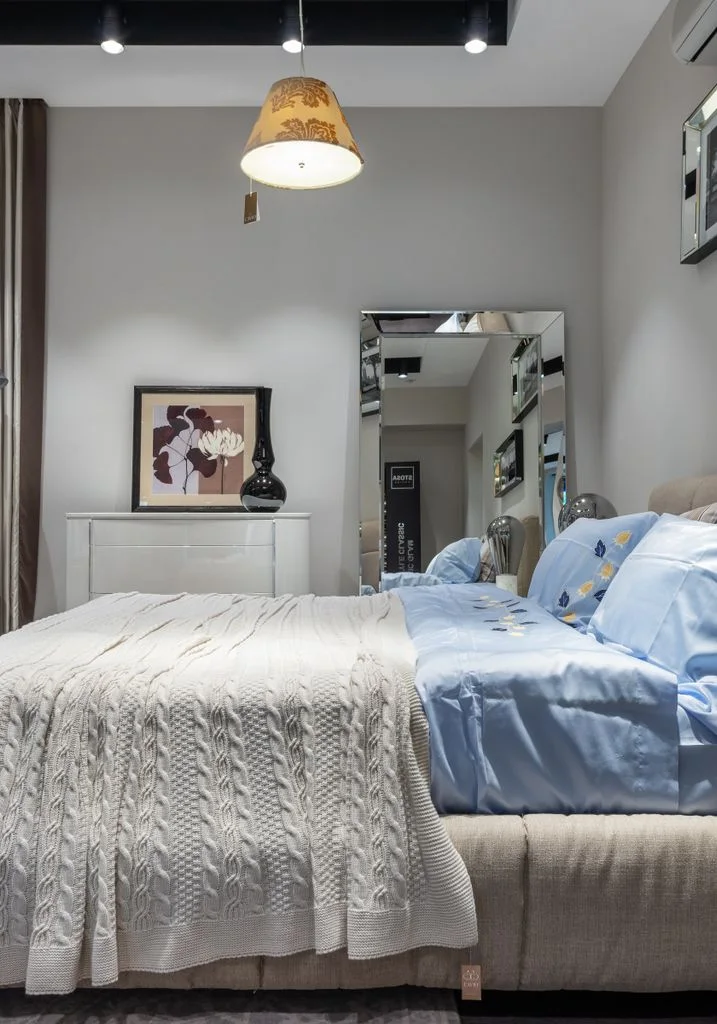
If your bedroom is small or dark, a whitewashed ladder is the answer. The pale, chalky finish reflects light instead of absorbing it, so the ladder reads as an airy accent rather than a heavy wooden object, and it pairs beautifully with white bedding and pale wood floors. Whitewash is also the most forgiving finish for a beginner DIY — uneven brush strokes only add to the effect.
To whitewash a ladder yourself, mix white latex paint with water in a one-to-one ratio, brush it on with the grain, and wipe off the excess with a rag before it dries. One coat gives a sheer, wood-grain-showing finish; two coats go nearly opaque. A can of paint and a brush cost under $15, and the whole job takes an afternoon. Style it with cream, sage, and dusty-blue throws for a fresh modern farmhouse palette.
5. Ladder as a Throw Pillow Rack

Extra throw pillows have nowhere to live in most bedrooms — they end up on the floor every night and back on the bed every morning. A ladder solves the problem elegantly: drape pillow shams over the rungs or hang pillows by their corners from small S-hooks, and the nightly pillow shuffle becomes a two-second task. This works best with a ladder that has wide, flat rungs or a slightly deeper lean angle so pillows stay put.
Keep two or three decorative pillows on the ladder and store the rest in a basket or closet, so the display stays tidy rather than crowded. Match the pillow covers to your bedding palette — a linen sham, a plaid lumbar, a knit cushion — and the ladder becomes part of the bed’s styling. In a guest room, a pillow ladder tells visitors their extras are welcome and easy to find.
6. Ladder Nightstand Alternative
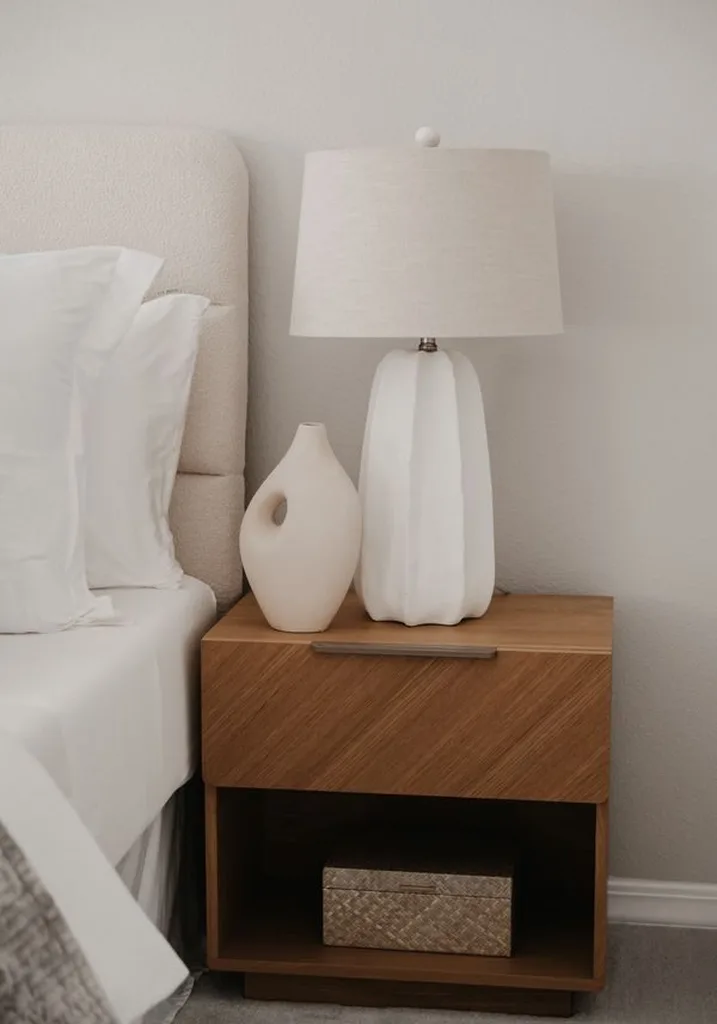
In a tiny bedroom, a traditional nightstand can eat the last precious inches beside the bed. A narrow leaning ladder takes up almost no floor space and still holds the essentials: drape a small basket from a rung for your book and glasses, hang a tiny lantern from a hook, and clip a phone charger to the side rail. It is the farmhouse answer to the floating shelf, with more charm and zero holes in the wall.
Choose a ladder no wider than 14 inches for this job, and anchor the top to the wall with a small bracket or picture-hanging hook so it cannot slip when you reach for something in the dark. A small woven basket ($8–$15) hung from the second rung holds a paperback, lip balm, and charging cable. This setup suits a guest room or a child’s room best, where the nightstand only needs to hold a few small things.
7. Ladder Shelf for Books and Plants
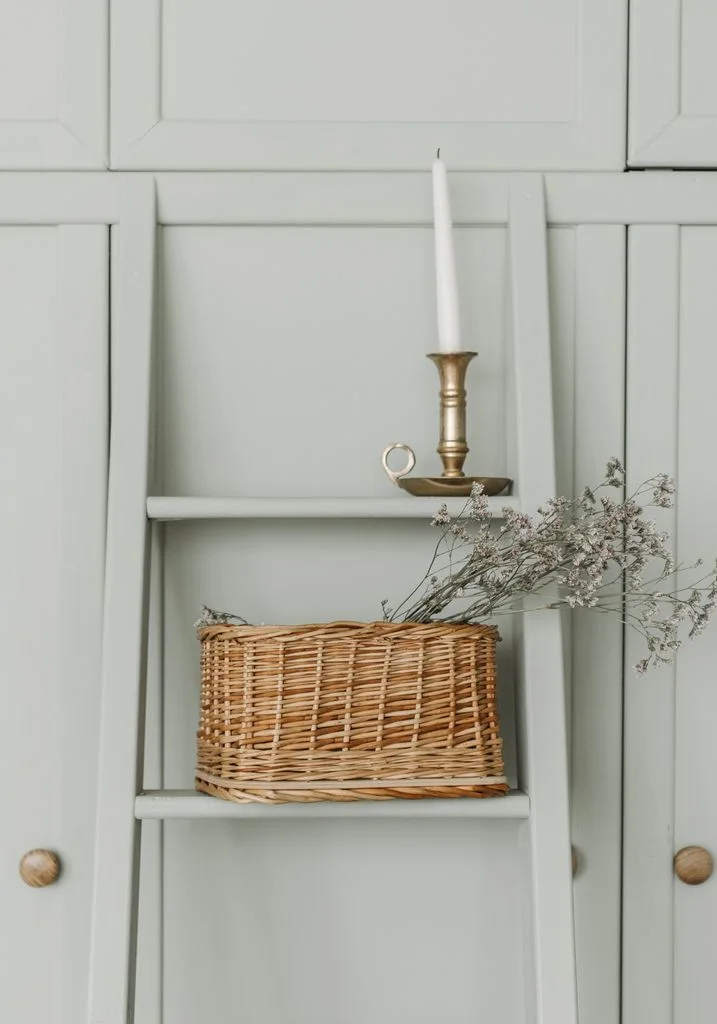
Add a few small wooden boards across the rungs and your blanket ladder becomes a ladder shelf — a farmhouse display case for books, plants, candles, and keepsakes. The boards rest on the rungs, so nothing is permanent and you can rearrange the whole display in minutes. For more bedroom styling inspiration, browse Houzz’s bedroom ideas and notice how often one well-styled vertical display anchors an otherwise plain wall.
Use boards 8 to 10 inches deep, cut to the ladder’s width, sanded smooth and stained or painted to match. Keep the heaviest items — books, a ceramic pot — on the lowest board, and the lightest — a small framed print, a trailing pothos — up high. Leave at least one rung empty so the ladder still reads as a ladder, not a bookcase.
8. Ladder Towel Rack in the Bedroom
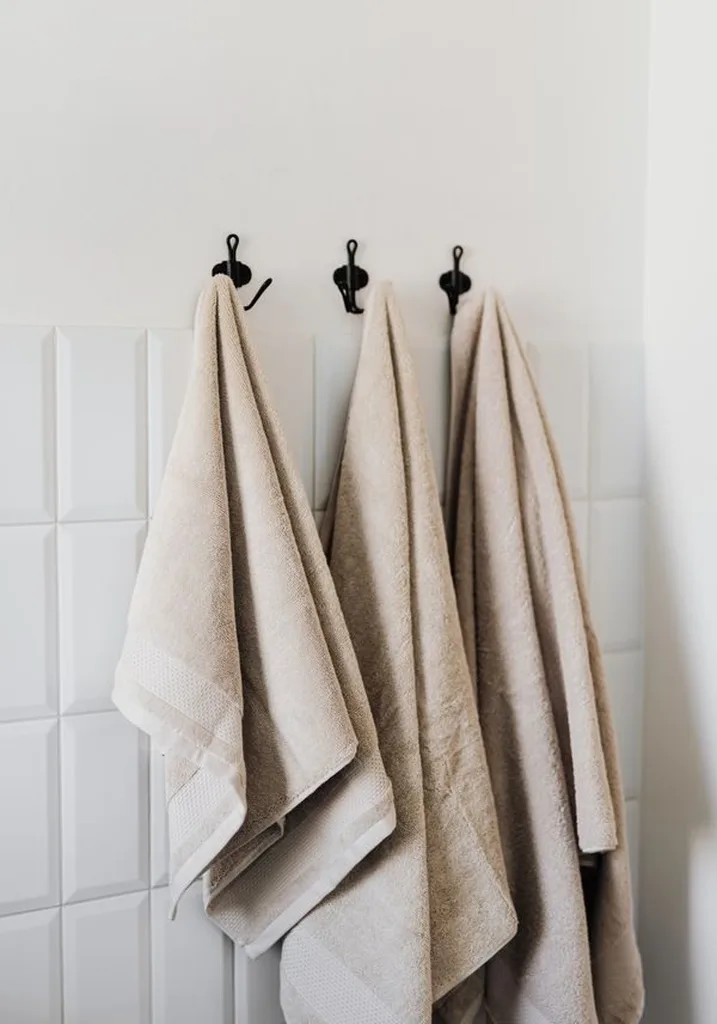
If your bedroom has an ensuite bathroom or a vanity corner, a ladder doubles as a towel rack with far more charm than a chrome bar. Hang hand towels, a bathrobe, and a spare washcloth on the rungs, and the ladder keeps everything within reach while adding warmth to a space that is usually all tile and porcelain. Choose smooth, sealed wood for this job, since bathroom humidity is hard on raw timber.
Place the ladder where it gets airflow — near a window or a vent, not pressed into a damp corner — and wash the towels often so they stay fresh. A whitewashed or painted ladder resists moisture better than raw wood, and a quick coat of clear polyurethane on the rungs adds protection. Roll towels instead of folding them for a spa-like look, and add a small eucalyptus sprig tied with twine for a scented touch.
9. Ladder Headboard Statement
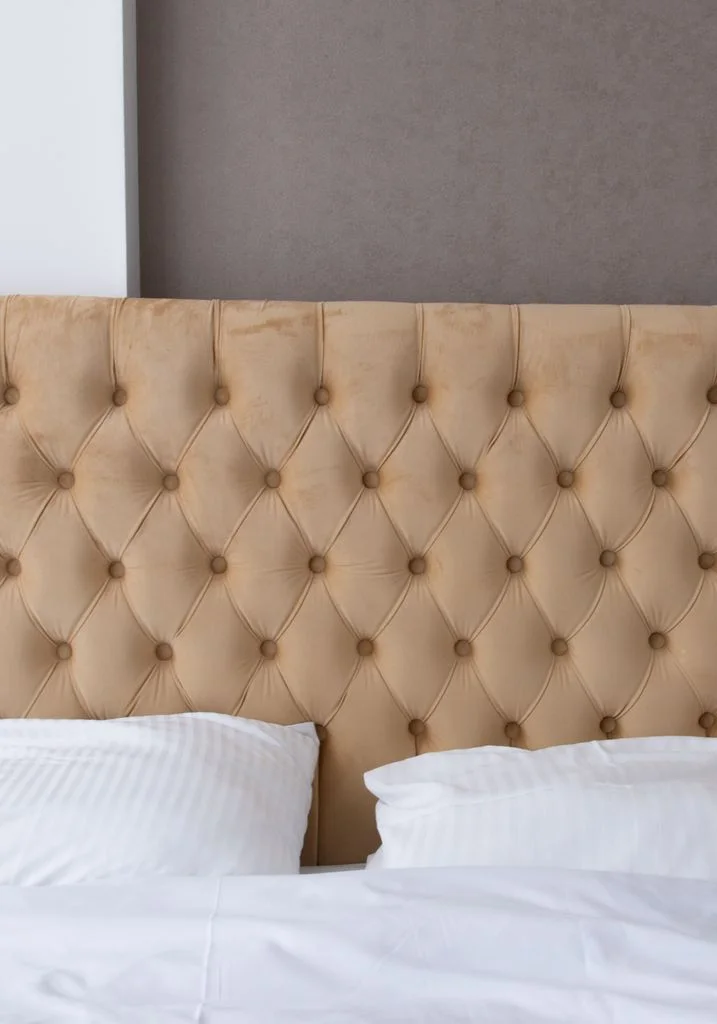
Mount a wide ladder horizontally behind the bed and you have a headboard with instant farmhouse character. The rungs hold a small wreath, a string of wooden beads, or a dried flower bundle, and the open slats keep the wall from feeling heavy the way a solid headboard can. This works best with a plain wall behind the bed and solid-color bedding, so the ladder is the star.
Use a ladder at least as wide as the bed — a twin needs about 40 inches, a queen about 60 — and mount it with sturdy wall brackets rated for at least 30 pounds, since it will be leaned on and bumped. Sand the rungs smooth so no one catches a splinter while sleeping, and keep the ladder’s top rail about 36 to 42 inches above the mattress. Drape a single lightweight throw across one side for softness, and let the rest of the ladder speak for itself.
10. Ladder with String Lights for Cozy Glow
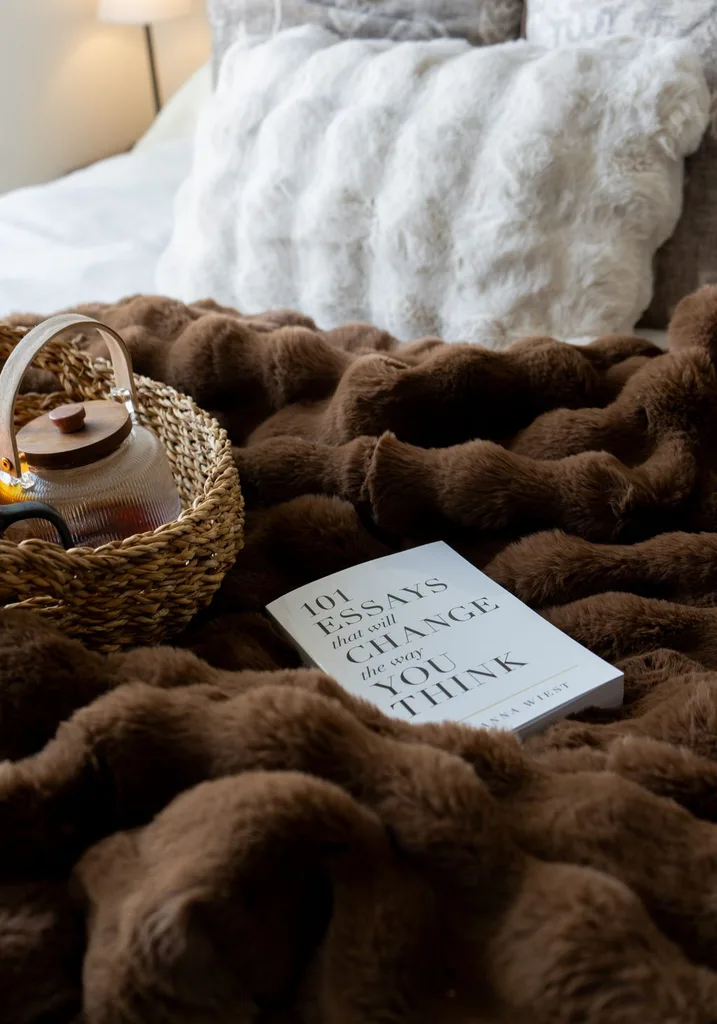
Fairy lights turn a plain ladder into the coziest corner of the bedroom, especially in fall and winter when the evenings come early. Weave a warm-white string of battery-operated lights ($8–$15) through the rungs, letting it drape loosely, and the ladder glows softly without any wiring or wall damage. It is the easiest way to add evening ambience to a farmhouse bedroom.
Choose warm white (2700K) lights rather than cool white, which can look clinical against wood, and hide the battery pack behind a folded throw or inside a small basket on the lowest rung. Use lights with a built-in timer so they switch off by themselves. Pair the lit ladder with a chunky knit throw and a candle on the nightstand, and the corner becomes a reading nook that invites you to sit down with a book.
11. Ladder Photo Display and Memory Wall
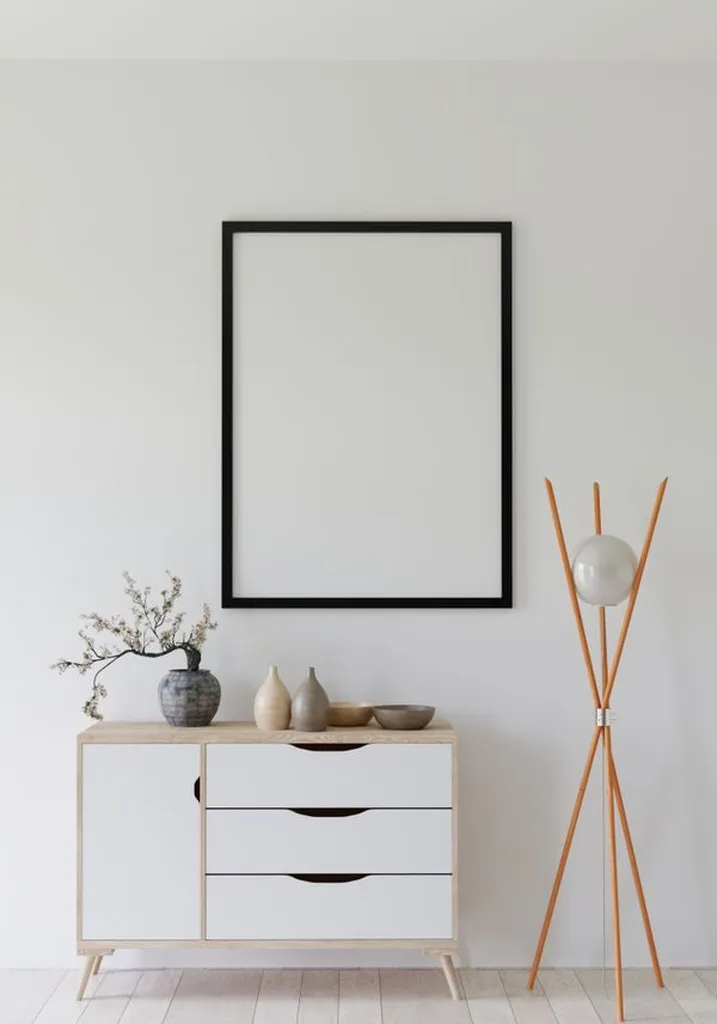
A ladder makes a wonderful photo display because it holds pictures at different heights without a single nail in the wall. Clip favorite photos, postcards, and small prints to the rungs with wooden clothespins ($3–$5 for a bag), and you have a memory wall that is easy to update — swap a photo in seconds when a new memory deserves the spot. This is especially lovely in a couple’s bedroom or a child’s room, where the photos tell the family’s story.
Print photos in a mix of sizes but keep the paper tones consistent — all black-and-white, or all warm sepia — so the display feels curated rather than cluttered. Leave breathing room between clusters instead of filling every rung, and anchor the bottom with a small plant or a stack of books. In a rental, this is one of the few gallery walls you can build with zero holes to patch later.
12. Ladder Jewelry and Accessory Organizer
A small ladder beside the dresser or vanity becomes a jewelry organizer with farmhouse charm. Hang necklaces from small cup hooks screwed into the side rails, drape scarves over the rungs, and clip earrings to a strip of ribbon tied between two rungs. Everything stays visible, untangled, and easy to grab on a busy morning.
Choose a short ladder for this job, three to four feet tall, so it sits at eye level on a dresser top or leans neatly beside it. Add tiny S-hooks ($2–$4 a pack) for bracelets and watches, and a small ceramic dish on the dresser below catches rings. Keep the display to your everyday pieces; a ladder holding ten favorite necklaces looks intentional, while one holding fifty looks like a shop rack.
13. Ladder Scarf and Hat Storage
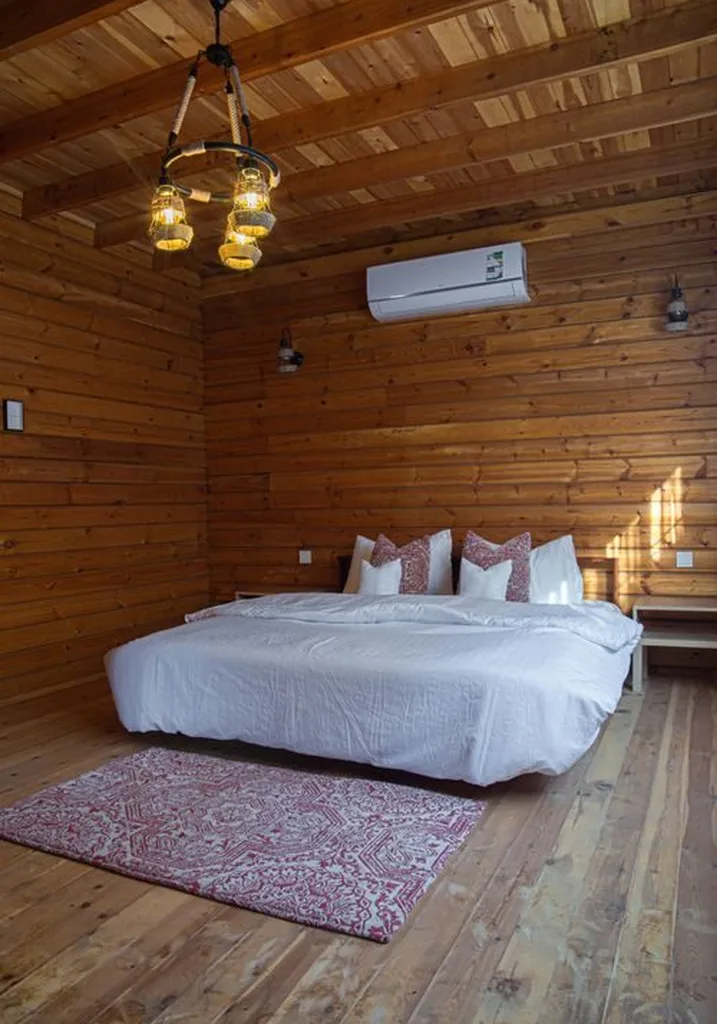
Scarves, hats, and shawls are the hardest accessories to store — they slide off hooks and vanish into drawers. A ladder in the bedroom corner solves it: drape scarves over the rungs in a color gradient, hang hats from hooks on the side rails, and everything is visible at a glance. This is a lifesaver in fall and winter, when the scarf collection triples overnight.
Sort scarves by color or weight, lightest on top and heaviest at the bottom, and limit the ladder to eight or ten pieces so it stays tidy. A small basket on the floor beside the ladder holds gloves and beanies, keeping the whole cold-weather kit in one spot. In a small bedroom, this ladder doubles as the entryway organizer for the room — coat, scarf, hat, all in one vertical footprint.
14. Small-Space Ladder in a Corner Nook
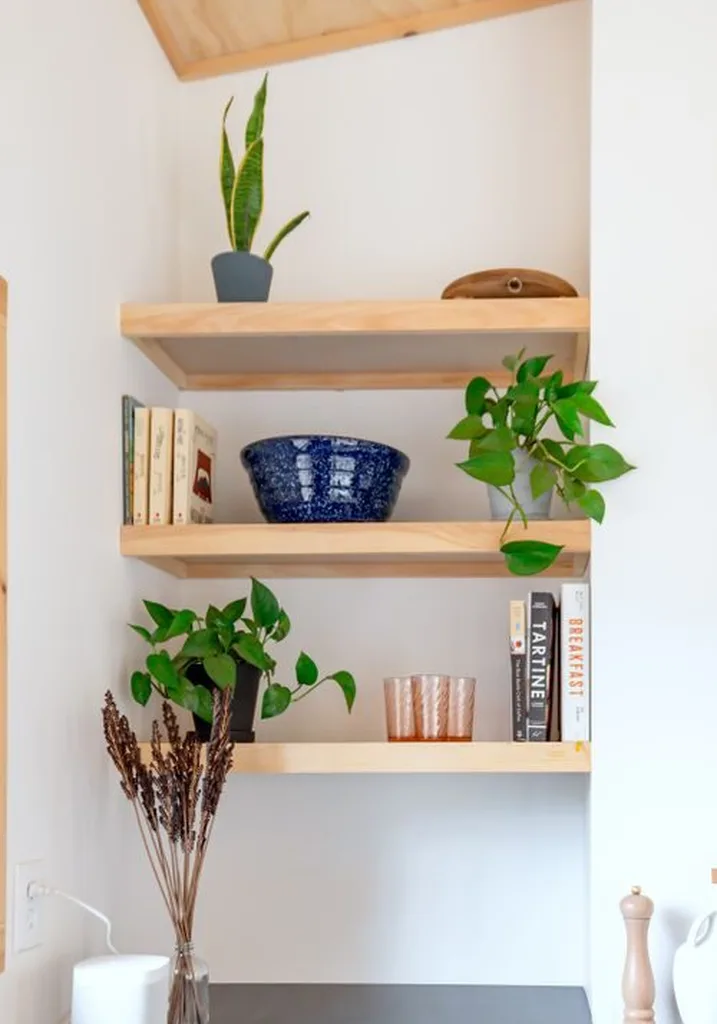
Small bedrooms are where ladders shine brightest, because they use vertical wall space that would otherwise go to waste. A narrow ladder — 12 to 14 inches wide — tucked into an awkward corner between the wardrobe and the wall turns dead space into storage for throws, a book, and a small plant. It draws the eye upward, which makes a low-ceilinged room feel taller.
Measure the corner before you shop: the ladder should lean at roughly 75 degrees, with its feet about 12 inches from the wall for every four feet of height. Keep the color light — whitewash, pale pine, or cream paint — so the ladder does not crowd the corner, and style only the top two rungs so the bottom stays clear for a basket or slippers. One ladder, one basket, one plant: in a small room, restraint is the whole trick.
15. Ladder with Woven Baskets
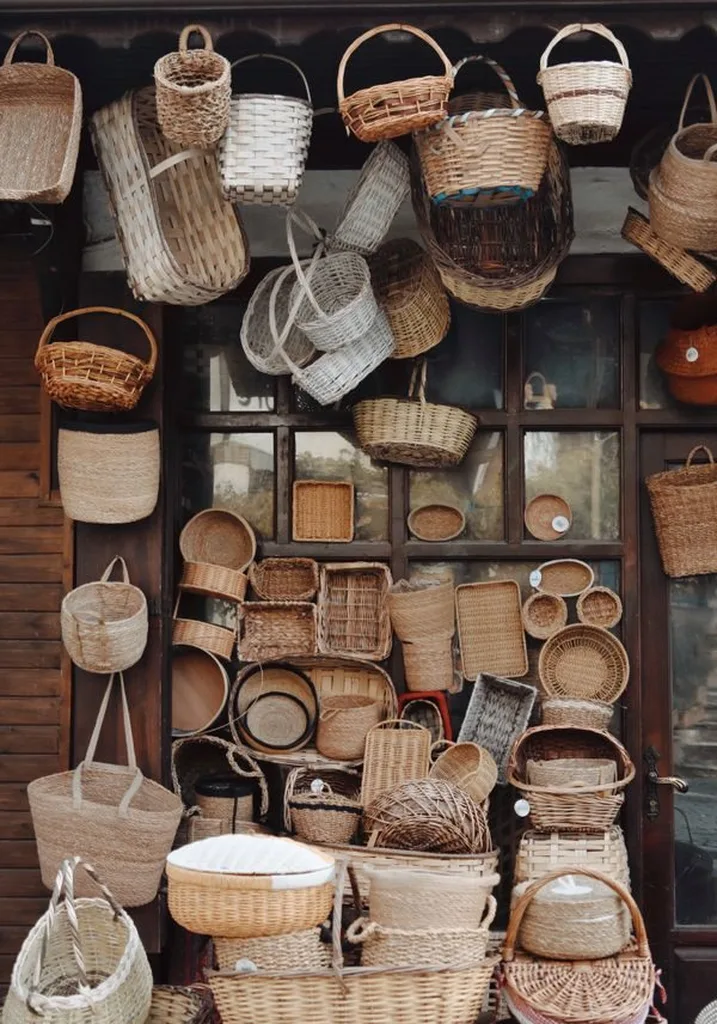
Hang two or three small woven baskets from the rungs of a ladder and you have a farmhouse storage system that hides clutter beautifully. The baskets hold socks, chargers, hair accessories, or bedtime reading, while their natural seagrass or willow texture doubles the room’s rustic warmth. Choose baskets with handles that hook over the rungs, or hang them from twine and S-hooks for a softer look.
Keep the baskets small — six to eight inches across — so they do not overwhelm the ladder or block the rungs you want for throws. Label the bottom basket if it holds shared items, and keep one basket empty on purpose; an empty basket reads as breathing room, not missing storage. Small seagrass baskets cost $6–$12 each, and the whole project comes together in an afternoon.
16. Ladder Plant Stand for Greenery
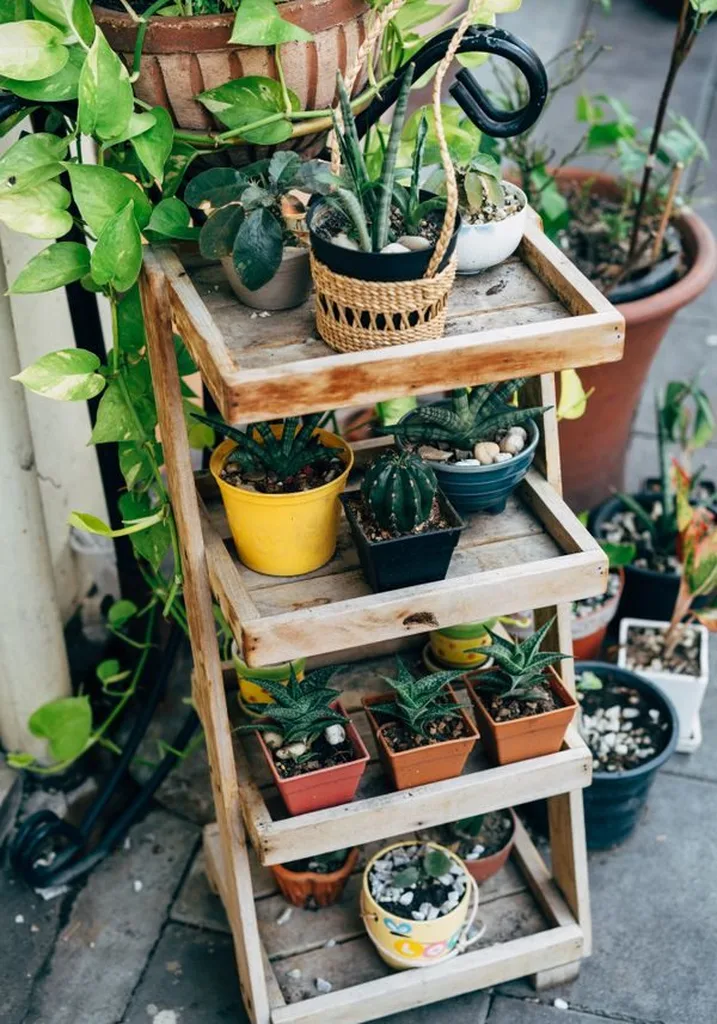
Plants soften a farmhouse bedroom, and a ladder is a ready-made plant stand with built-in height variation. Set small potted plants on boards laid across the rungs, hang a trailing pothos from the top rail so its vines cascade down the side, and the ladder becomes a living green accent that freshens the whole room. Real plants in the $10–$25 range beat faux at this scale.
Choose plants that tolerate bedroom light — pothos, snake plants, and ZZ plants forgive low light and forgetful watering — and use lightweight pots so the ladder never carries more weight than it should. Put a small saucer under each pot to protect the wood, and rotate the plants weekly toward the window. If your thumb is not green, one real plant and one high-quality faux stem is a perfectly honest compromise.
17. Seasonal Ladder Styling for Fall and Winter
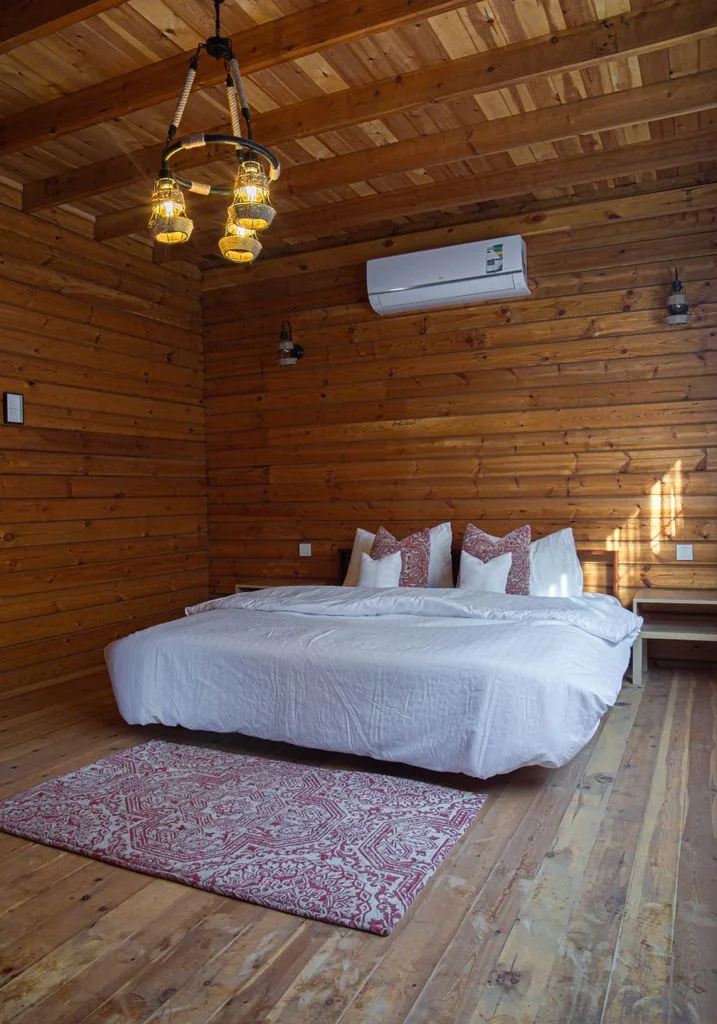
A ladder is the easiest piece in the bedroom to style seasonally, because changing it takes five minutes and costs almost nothing. In fall, drape a rust-and-cream plaid throw over the top rung, add a small pumpkin or a bundle of dried wheat to the bottom, and the room feels like autumn. In winter, swap in a chunky cream knit, a sprig of evergreen, and warm lights, and the same ladder feels like Christmas morning.
Keep a small storage bin for the ladder’s seasonal rotation — one plaid throw, one garland, one set of lights, a few dried stems — and shop your own house first before buying anything new. A scarf becomes a ladder drape, a wreath moves from the door to the top rung, a basket of pinecones sits at the base. Change only the top two rungs each season; a ladder restyled head to toe four times a year starts to feel like a chore.
18. Ladder as a Room Divider Accent
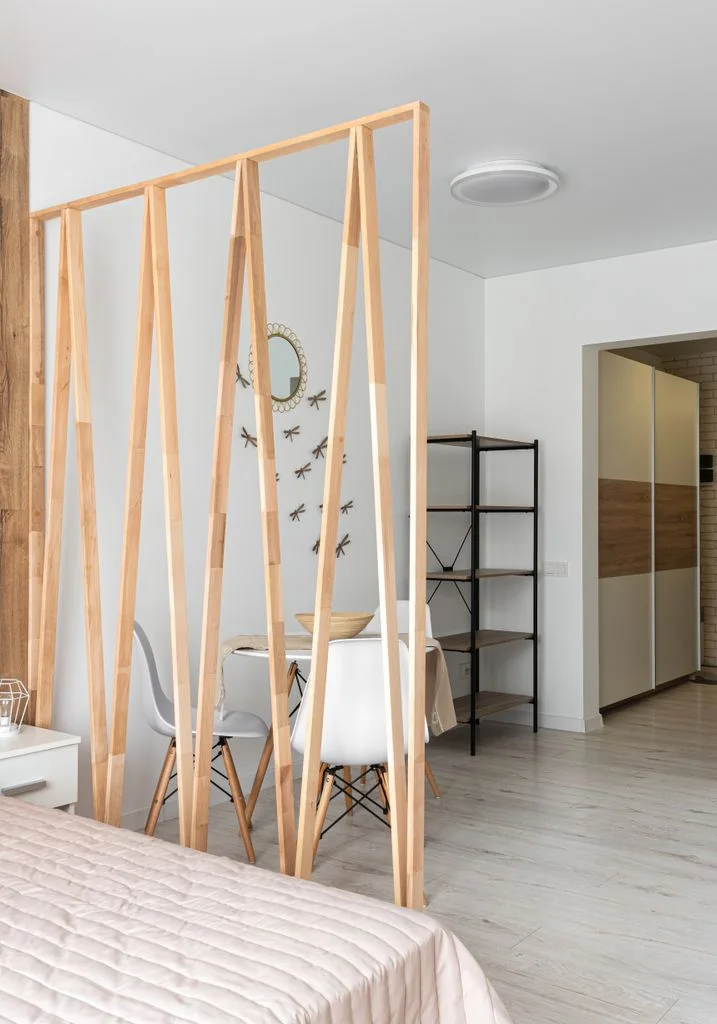
In a studio apartment or a large shared bedroom, a wide ladder can act as a gentle room divider — not a wall, just a suggestion of one. Place it perpendicular to the wall between the sleeping area and a dressing or reading zone, style both sides, and the room gains structure without losing light or air. A ladder divider works because it is open: you can see through it and move it in a minute.
Use a freestanding ladder for this job — one with flat feet that stands on its own, or a sturdy A-frame style — since a leaning ladder needs a wall behind it. Style the rungs with throws on the bedroom side and books or a plant on the other, so each zone gets its own face. Keep the ladder under six feet tall so it divides the space without blocking light, and leave a clear walking path of at least 24 inches on one side.
19. Vintage Ladder with Chippy Paint
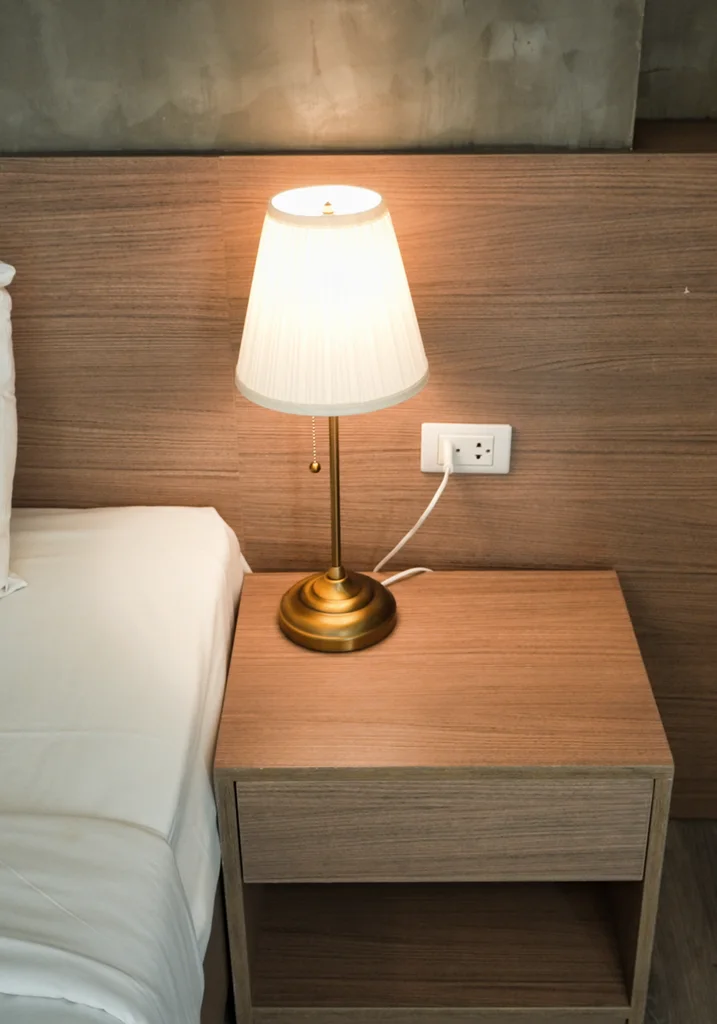
A ladder with genuinely chippy, peeling paint is farmhouse gold — it carries the history of the house it came from in every flake. Look for old wooden ladders at estate sales, barn sales, and flea markets, usually $15–$40, and resist the urge to repaint them. The chips, the faded color underneath, and the worn rungs are the entire point; a freshly painted ladder looks like any new one, but a chippy one cannot be faked.
Seal the ladder with a clear matte sealer so paint flakes do not keep falling onto your floor or bedding, and sand any rough splinters smooth while leaving the chipped paint alone. Style it simply — one cream throw, one small wreath — because a busy ladder fights with the paint’s own character. If the paint might be pre-1978 lead paint, test it with a $10 lead test kit before bringing it into a bedroom.
20. Ladder Over the Dresser as Wall Art

Hang a short ladder horizontally above the dresser and it becomes a piece of wall art with a job to do. The rungs hold a small wreath, a string of wooden beads, or a dried flower bundle, while the space beneath stays free for a mirror, a lamp, and the everyday clutter of a dresser top. It fills the blank wall better than a single picture, because it has depth and shadow.
Mount the ladder with two sturdy brackets or French cleats rated for at least 20 pounds, and keep the bottom rail about 12 inches above the dresser surface so lamps and tall bottles fit underneath. A three- or four-foot ladder suits most dressers; wider looks top-heavy, narrower looks lost. Drape one lightweight scarf or a strand of beads across a single rung and leave the rest bare — negative space is what makes this idea look designed rather than crowded.
21. DIY Farmhouse Ladder You Build in a Weekend
Building your own farmhouse ladder is one of the easiest woodworking projects there is, and it costs a fraction of a store-bought one. You need two side rails (1×3 pine boards, six feet long), four or five rungs (one-inch dowels or 1×2 boards), wood glue, and screws — about $25–$40 from any hardware store. Cut the rails, drill angled holes for the dowels or screw the rungs in place, sand everything smooth, and finish with stain, whitewash, or chalk paint.
The trick is the angle: cut the bottom of each side rail at about 10 degrees so the ladder leans flat against the wall, and space the rungs 12 to 14 inches apart so throws drape without bunching. Test the ladder with your heaviest quilt before you style it, and add felt pads to the feet so it does not scratch wood floors. A handmade ladder carries a story no store-bought piece can match, and it is the perfect first project if you are new to DIY.
📌 Also Read:
How to Choose the Right Ladder for Your Farmhouse Bedroom
Start with the job and the wall. Measure the wall where the ladder will live — height, width, and distance to the nearest furniture — and write the numbers down before you shop. Then decide the ladder’s main job: blanket storage wants five or six rungs and a 16- to 20-inch width; display wants fewer rungs and a finish worth looking at; a nightstand substitute wants a narrow 12- to 14-inch width and a wall anchor.
Next, match the wood to the room. If your furniture is warm pine, a honey-stained ladder blends in; if your room is white and bright, a whitewashed or painted ladder disappears into the palette; if you love contrast, a dark walnut ladder against a pale wall becomes a feature. Run three checks on any candidate: is it sturdy enough for what it will hold, is the finish echoed somewhere in the room, and can you move it alone? If it fails two checks, keep looking.
Finally, respect the realities of your home. Renters should favor leaning ladders over wall-mounted ones, and light ladders over heavy ones, since everything must move at the end of the lease. Homes with small children or pets need a ladder anchored at the top — a curious toddler can pull a leaning ladder down in seconds. In a small room, one ladder styled well beats two competing for attention; finish one corner completely, then decide whether the room needs more.
Farmhouse Bedroom Ladder Decor on a Budget
The under-$50 refresh. A thrifted ladder ($10–$25), two throws from a discount home store, and a bag of wooden clothespins for a photo display. This tier changes one corner completely for less than a single new cushion, and it is the best place to start if you are not sure the ladder look is for you. Thrift stores on weekday mornings and estate sales on Saturdays stretch this budget furthest.
The $50–$150 room lift. Add a ready-made pine or reclaimed ladder ($40–$90), a quality quilt or a chunky knit throw, a string of warm fairy lights, and two or three small baskets for the rungs. At this level the ladder becomes a real feature of the room, not just a leaning object, and the whole corner feels finished.
The $150+ anchor investment. Spend on the pieces with the longest lives: a genuine reclaimed barn wood ladder, a handmade heirloom quilt, or a custom-built ladder made to your wall’s exact measurements. Buy these slowly and buy them once. Everything else in farmhouse ladder decor is deliberately inexpensive — that contrast between one real, storied piece and many humble finds is what makes the style feel rich rather than decorated.
Common Mistakes to Avoid
- Overloading the ladder. A decorative ladder is not a closet. Six throws, four scarves, and three baskets on one ladder looks like clutter, not styling.
- Choosing the wrong size. A ladder that is too short looks like it fell over; one that is too tall dominates the wall. Aim for five to six feet in most bedrooms, and never wider than the furniture it stands beside.
- Ignoring safety. A leaning ladder in a home with kids or pets must be anchored at the top. It takes one small bracket and two minutes, and it prevents a heavy wooden object from falling on someone.
- Forgetting the lean angle. A ladder stood too upright slides and falls; one leaned too far eats floor space and looks sloppy. About 75 degrees — feet roughly a foot out for every four feet of height — is the sweet spot.
- Mixing too many wood finishes. A walnut ladder, a pine dresser, and a white bed frame in one room fight each other. Keep the ladder’s finish inside the room’s existing wood family.
- Styling every rung. Empty rungs are breathing room. Leave at least one rung bare so the ladder keeps its silhouette and the eye has somewhere to rest.
Frequently Asked Questions
What size ladder is best for a farmhouse bedroom?
Five to six feet tall and 16 to 20 inches wide suits most bedrooms — tall enough to clear the bed frame, narrow enough to fit beside it. Small rooms do better with a 12- to 14-inch narrow ladder, while a 24-inch or wider ladder works best as a quilt display or a headboard.
How do you keep a leaning ladder from falling over?
Lean it at about 75 degrees, with the feet roughly 12 inches from the wall for every four feet of height, and put felt pads under the feet so it grips the floor. In homes with children or pets, anchor the top rail to the wall with a small bracket or picture-hanging hook — it takes two minutes and makes the ladder completely secure.
Can I use a real old ladder as bedroom decor?
Yes, and old ladders are often the prettiest choice. Scrub it thoroughly, let it dry in the sun, seal it with clear matte wax or polyurethane, and tighten any loose rungs. Test old paint for lead with a $10 kit if the ladder might date from before 1978, and seal it well before bringing it inside.
What should I hang on a farmhouse bedroom ladder?
Throws and quilts are the classic choice, followed by scarves, towels, and photos clipped with wooden clothespins. In fall and winter, add a plaid throw and warm lights; in spring and summer, switch to light linen and a trailing plant. Keep it to two or three textiles and one or two accessories so the ladder stays styled, not crowded.
Is a ladder in the bedroom safe for kids and pets?
It is safe when it is anchored and not overloaded. Mount the top rail to the wall, keep heavy items on the lowest rungs, and never let children climb a decorative ladder — the rungs are not built for climbing weight. An anchored ladder is as safe as any shelf once it is secured.
Conclusion
A farmhouse bedroom ladder is proof that the best decor ideas are often the simplest ones. One piece of wood, leaned against a wall, holds your quilts, displays your memories, lights up a dark corner, and makes the whole room feel collected and calm. Start with the classic blanket ladder beside the bed and style it with throws you already own.
If these ideas sparked a plan, save this post to your farmhouse bedroom board on Pinterest so it is waiting for your next thrift-store run — and pin your favorite ladder idea to share the cozy, rustic inspiration.