Top 21 Dining Table Fall Home Centerpiece Ideas for a Warm Autumn Table
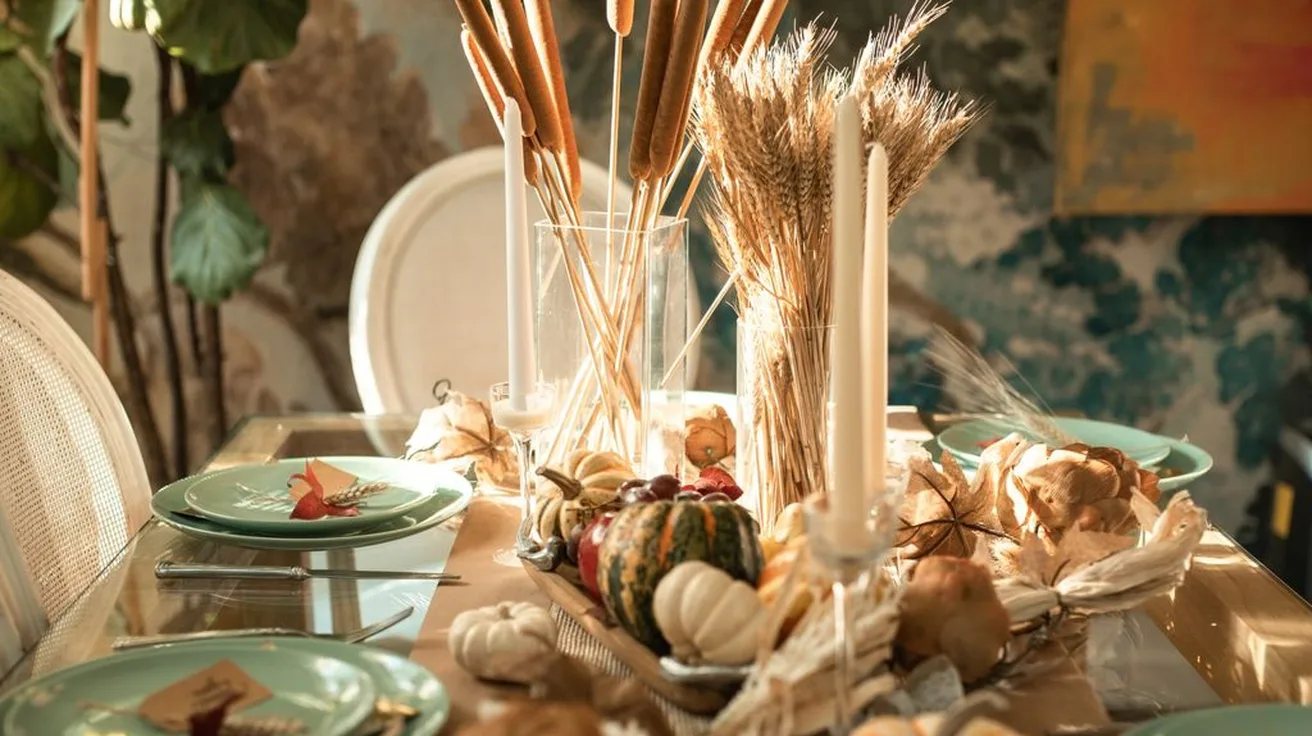
Nothing says autumn quite like a dining table dressed for the season. A thoughtful fall centerpiece turns an ordinary weeknight dinner into a small celebration and makes every gathering — from a quiet family supper to a full Thanksgiving table — feel intentional and warm. The best part is that you do not need a designer budget or a florist on speed dial: pumpkins, candles, dried stems, and a few things already in your kitchen can build a centerpiece that looks straight out of a magazine.
In this guide you will find 21 dining table fall home centerpiece ideas that work for real tables and real lives, from grand harvest displays to simple five-minute arrangements for small spaces. Every idea includes the materials to gather, realistic price ranges, and the styling moves that keep a centerpiece looking collected rather than cluttered. You will finish knowing exactly what to build, what to buy, and what to skip.
Save this list before your next trip to the pumpkin patch or the craft store.
Overview
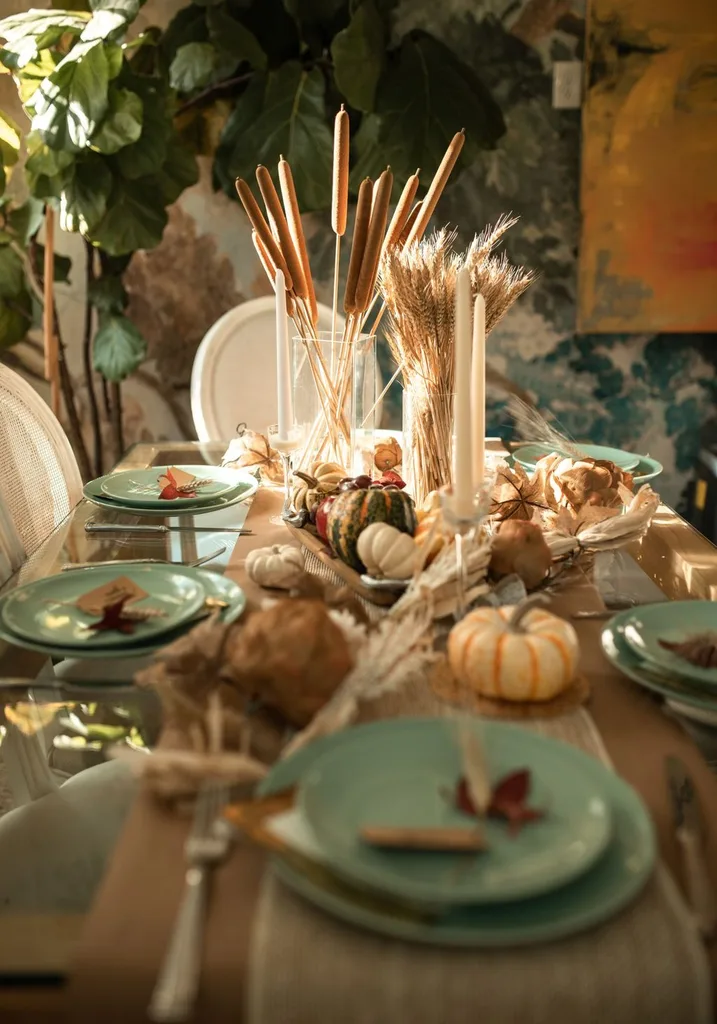
A fall centerpiece is really a small landscape built in the middle of your table, and it follows the same rules as any good tablescape: a base layer, a focal point, height variation, and breathing room. The base is usually a runner, a tablecloth, or a wooden board that defines where the display lives. The focal point is the one thing your eye lands on first — a cluster of pumpkins, a lantern, a dough bowl of gourds. Height comes from candlesticks, tall stems, or a raised tray, and breathing room is what keeps the whole thing from looking like a pile of autumn exploded on your table.
Fall gives you the most forgiving palette of any season. Warm oranges, deep reds, creamy whites, golden wheat, and sage green all play well together, and natural textures — wood, linen, dried grasses, brass — do most of the decorating for you. The season’s own produce is the cheapest decor there is: a bowl of apples, a row of mini pumpkins, a few sprigs of eucalyptus from the grocery store. Start with the colors and textures you love, keep the centerpiece low enough to see across, and build in layers rather than buying one big thing.
Key Takeaways
- Keep it low and lean: the centerpiece should sit below eye level so guests can see each other across the table — about 12 inches tall at most in the middle.
- Start with a base: a runner, board, or tray anchors the display and makes it easy to lift off the table when dinner is served.
- Odd numbers read best: group pumpkins, candles, and vases in threes and fives for a natural, collected look.
- Mix textures, not just colors: wood, linen, brass, glass, and dried stems together make a centerpiece feel rich without spending more.
- Use the season’s produce: pumpkins, gourds, apples, and pears are beautiful, cheap, and easy to replace when they tire.
- Plan for real life: flameless candles near foliage, washable linens under food, and arrangements that move in one trip are what make a centerpiece livable.
1. The Classic Pumpkin Runner
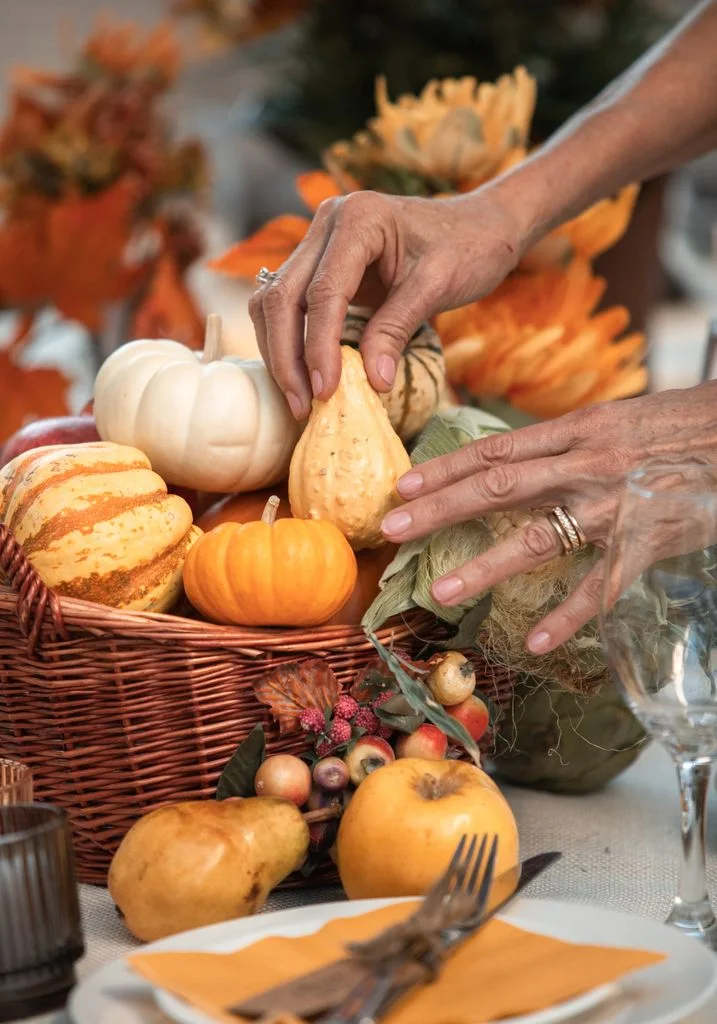
The pumpkin runner is the fall centerpiece everyone pictures first, and it earns its popularity: a row of pumpkins of different sizes and colors running down the middle of the table, tucked into greenery and lit by candles. Choose five to seven pumpkins in a mix of orange, white, and green — heirloom varieties like Cinderella and Fairytale add wonderful ribbed shapes — and set the largest in the center with smaller ones stepping down toward each end. Fill the gaps with eucalyptus sprigs, dried leaves, or small pinecones so no bare table shows through.
Build it on a linen or burlap runner in a warm neutral so the pumpkins have a soft base and the table is protected. Add three to five taper candles in brass holders at varied heights between the pumpkins, and scatter a few mini gourds and acorns along the runner’s edges. A full runner for a six-foot table costs about $25–$45 if you buy pumpkins at a farm stand and use grocery-store greenery.
2. White Pumpkins and Eucalyptus
If orange pumpkins feel too loud for your dining room, white pumpkins and eucalyptus are the elegant answer. The look is calm, modern, and unmistakably autumn: creamy white gourds, silvery-green eucalyptus, and a little brass or glass for sparkle. Use three white pumpkins — one large, two small — grouped off-center on a light wood board or a whitewashed tray, then weave eucalyptus sprigs around their bases so the stems spill softly over the board’s edges.
Add two or three slim taper candles in clear glass holders and a small vase of dried bunny tails or wheat for height. The whole arrangement costs about $20–$35 and suits homes that lean Scandinavian, modern farmhouse, or coastal. White pumpkins last for weeks indoors, and eucalyptus dries beautifully, so this centerpiece often survives from early October straight through Thanksgiving with only a candle swap.
3. Candlelit Harvest Garland
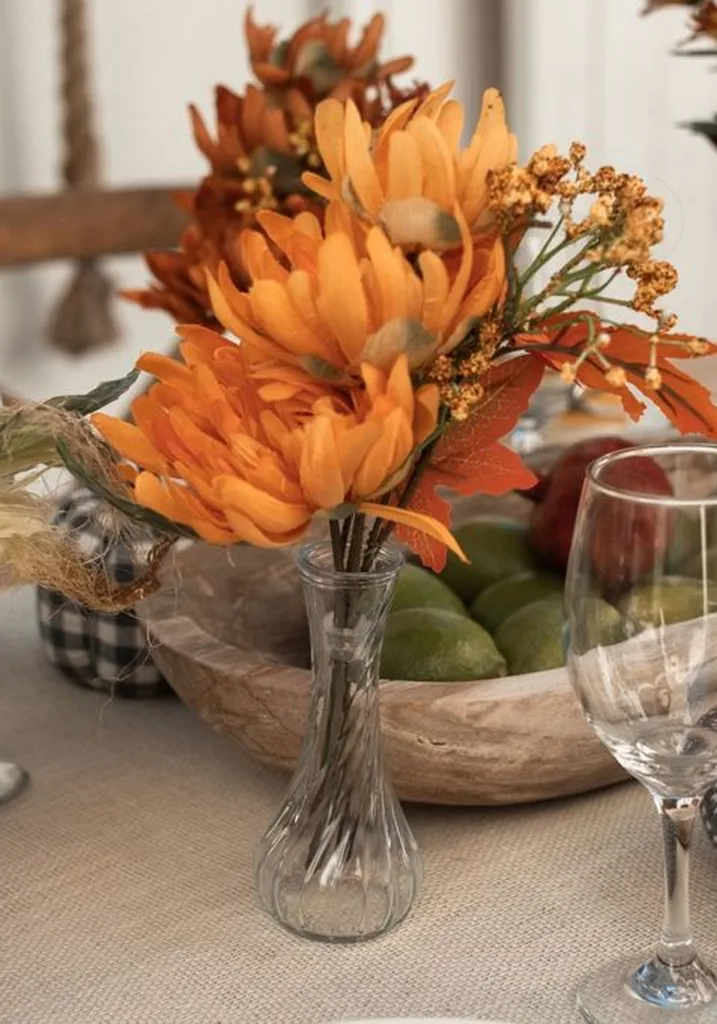
A harvest garland down the center of the table is the fastest way to make an ordinary dinner feel like an occasion. Start with a faux fall leaf garland — maple, oak, or mixed foliage in rust, gold, and burgundy — and lay it in a loose S-curve so it feels organic rather than rigid. Tuck in real or faux mini pumpkins, pinecones, and dried orange slices at intervals, then nestle pillar candles in glass hurricanes along its length so the flames sit safely above the leaves.
The garland approach is wonderfully flexible: pull it tighter for a small table, stretch it out for a long one, and add a second garland in the opposite direction for a fuller look. A good faux garland costs $15–$30 and stores flat for next year, while the candles and pumpkins run another $15–$25. Keep flames at least a few inches from any foliage and use battery-operated candles if the garland is dense.
📌 Related Articles:
4. Rustic Wood Slice Base
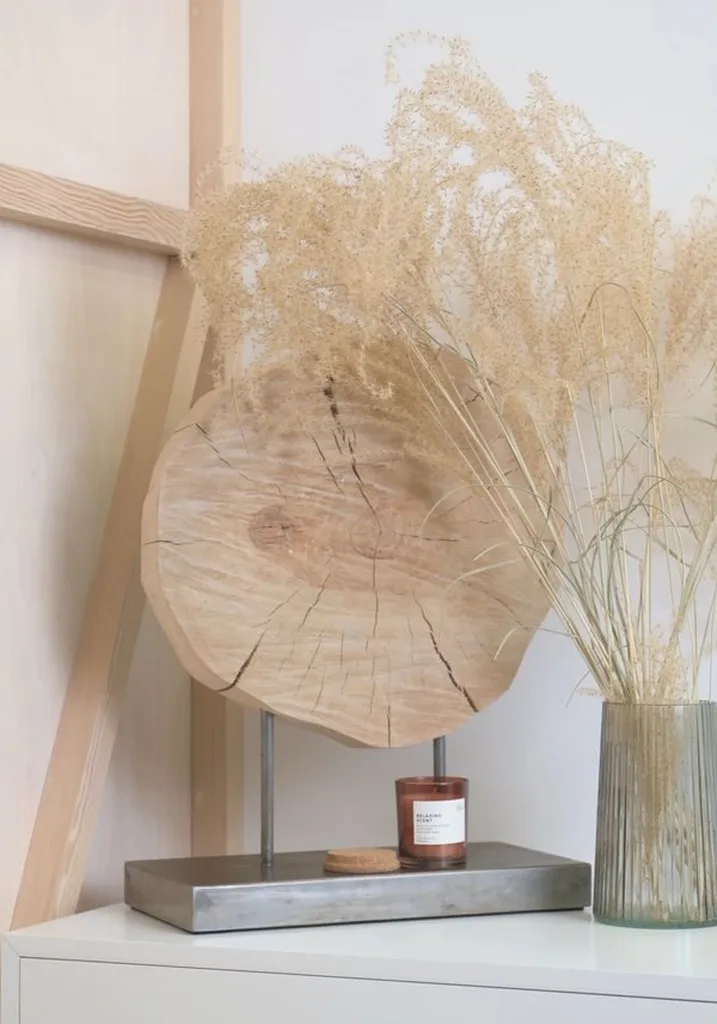
A thick wood slice or a live-edge board gives your centerpiece an instant rustic foundation and costs almost nothing if you cut it yourself. Look for a slab about 24–36 inches long and 10–14 inches wide — a tree-service offcut, a reclaimed barn board, or a store-bought live-edge piece for $20–$40. Sand the top smooth, rub in a little food-safe mineral oil, and you have a base that grounds everything you set on it, from pumpkins to candles to a vase of dried stems.
Style the board with a low cluster at its center: a small stack of mini pumpkins, a jar candle, and a bundle of cinnamon sticks tied with twine. Leave the ends of the board partly bare so the wood itself shows — that negative space is what makes the arrangement feel deliberate rather than crowded.
5. Copper and Brass Accents
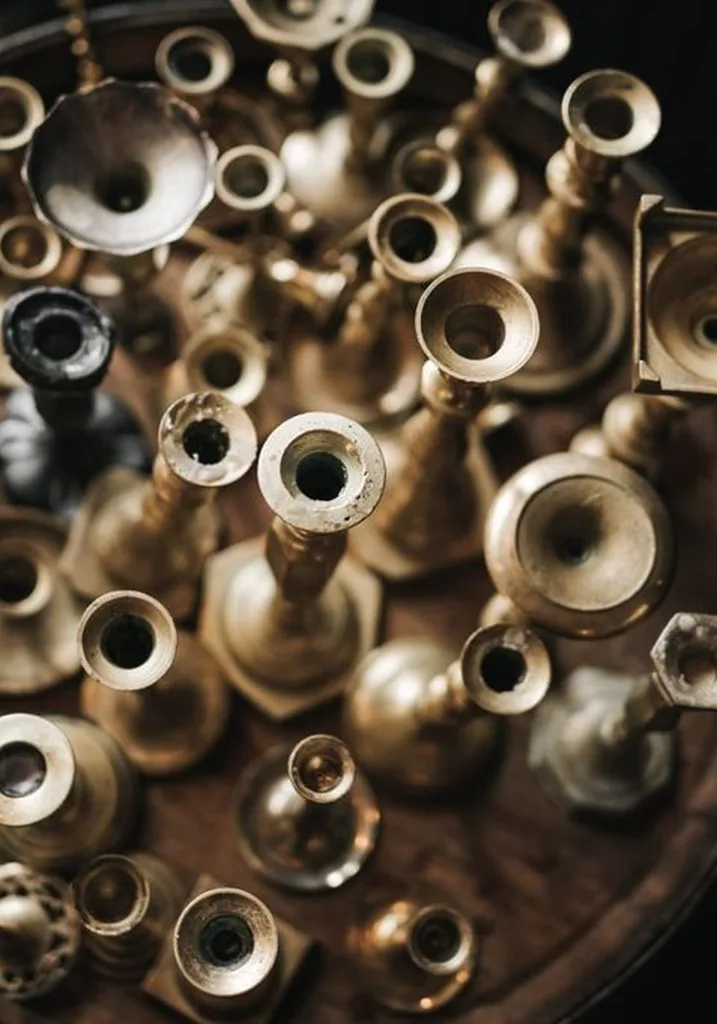
Metallic warmth is fall’s secret weapon, and copper and brass bring a glow that photographs beautifully in low autumn light. Build this centerpiece around three metal pieces at different heights: a copper pitcher holding dried wheat, a pair of brass candlesticks, and a small brass tray or bowl of acorns. Set them on a dark linen runner so the metals pop, and add a few amber glass votives to double the candlelight.
Thrift stores are the best source for these pieces — copper mugs, brass candlesticks, and small trays usually run $3–$12 each, and a quick polish with lemon and salt brings dull finds back to life. Keep the rest of the table simple: cream plates, wooden chargers, and plain linen napkins, so the metals are the stars.
6. Dried Wheat and Pampas Grass
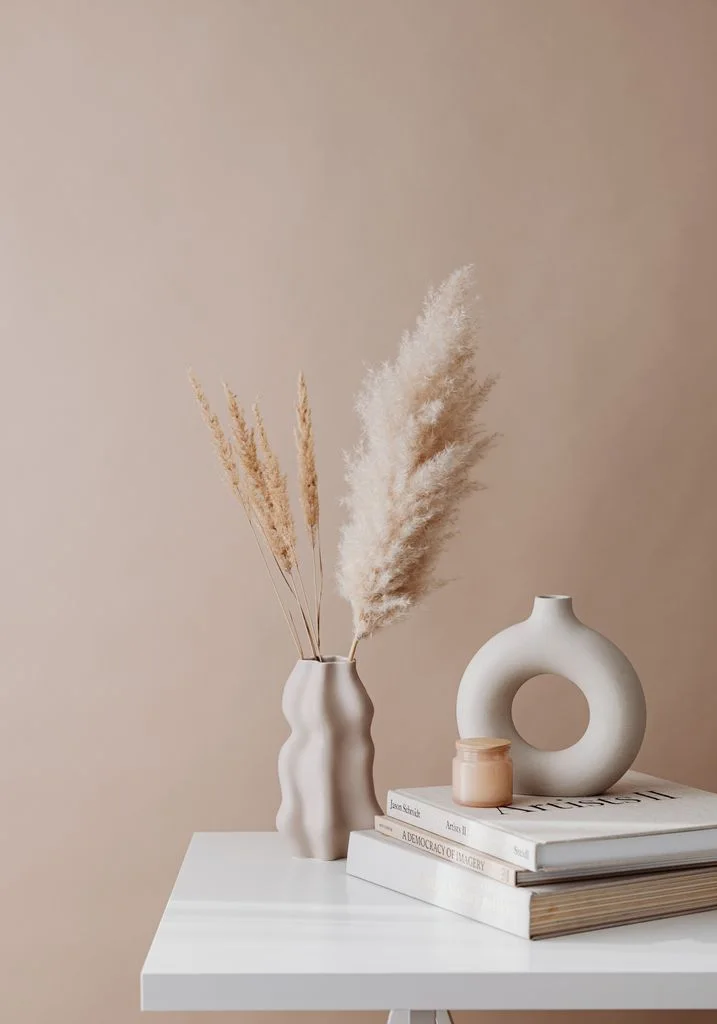
Dried wheat and pampas grass give you tall, airy height without blocking anyone’s view, and they last the entire season without a drop of water. Gather three to five wheat bundles ($8–$15 each) and stand them in a tall ceramic vase, a stoneware pitcher, or a galvanized bucket at the center of the table. Add a couple of pampas plumes for softness, then lay a low row of mini pumpkins and pinecones around the base so the arrangement feels anchored rather than top-heavy.
If you want more inspiration for styling tall, sculptural pieces without overwhelming a dining room, browse the dining room galleries on Houzz’s dining room ideas and notice how often one tall arrangement anchors the table better than a dozen small objects. A light mist of hairspray helps fragile wheat heads hold their shape all season.
7. Apples and Orchard Harvest
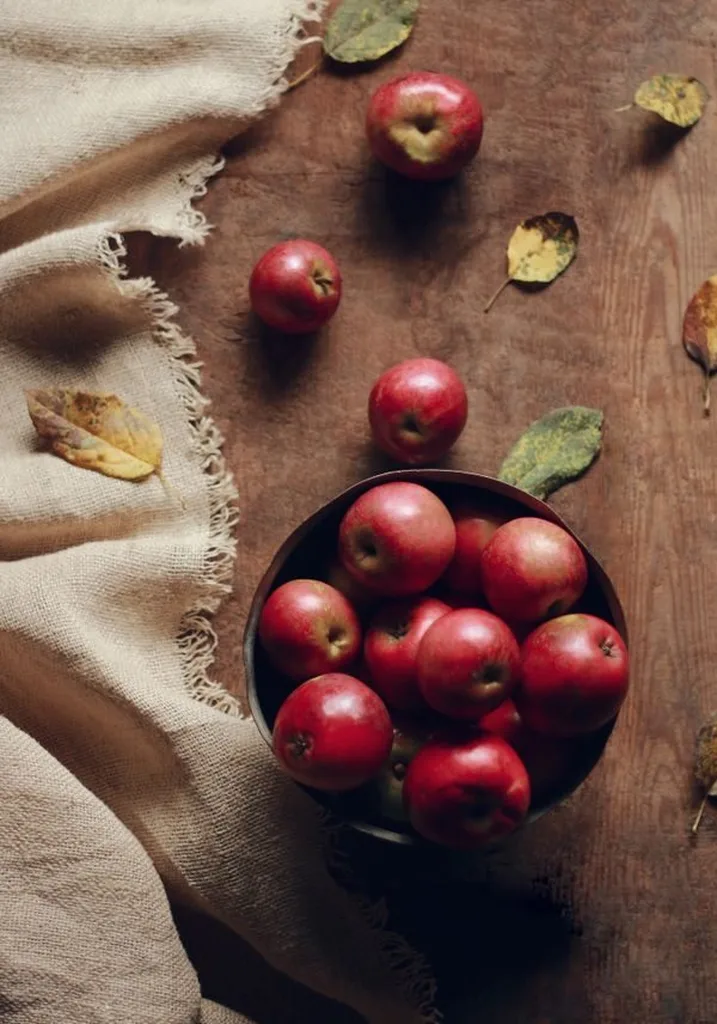
Apples are the most underused fall centerpiece material, and they are already sitting in your kitchen. Fill a wide, shallow bowl or a wooden dough bowl with a mix of red, green, and yellow apples, then tuck in a few sprigs of rosemary or sage, some walnuts in their shells, and two or three taper candles in short holders. The fruit adds color, scent, and a harvest feeling that pumpkins alone cannot match, and the whole thing takes about five minutes to assemble.
This is the cheapest idea on the list — a bag of apples, a bowl you own, and greenery from the yard or grocery store, often under $15 total. Rotate the apples weekly and eat the ones that soften, replacing them from the fruit bowl, so the centerpiece is genuinely zero-waste. Guests will reach for the apples before dessert, which is exactly the point.
8. Plaid and Flannel Layers
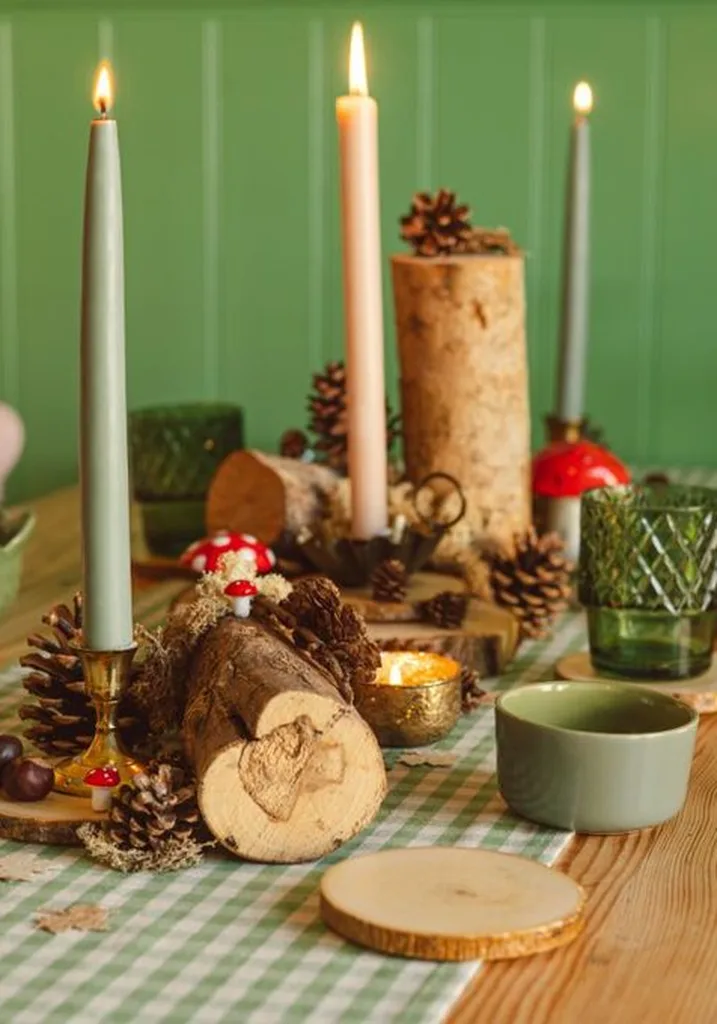
Plaid is fall’s signature pattern, and layering it into your centerpiece gives the table a cozy, cabin feeling in minutes. Start with a plaid table runner or a folded flannel throw as the base — classic red and black buffalo check, or a softer rust and cream plaid for a calmer look. On top, set a wooden tray holding a cluster of mini pumpkins, a chunky candle in a mason jar, and a small stack of linen napkins tied with twine.
The trick is to let the plaid be the only strong pattern on the table. Keep plates solid, glasses clear, and the centerpiece pieces simple so the check does not compete with anything. A plaid runner costs $12–$25, and a thrifted flannel shirt cut into a runner works just as well for nearly nothing.
9. Lantern Centerpiece
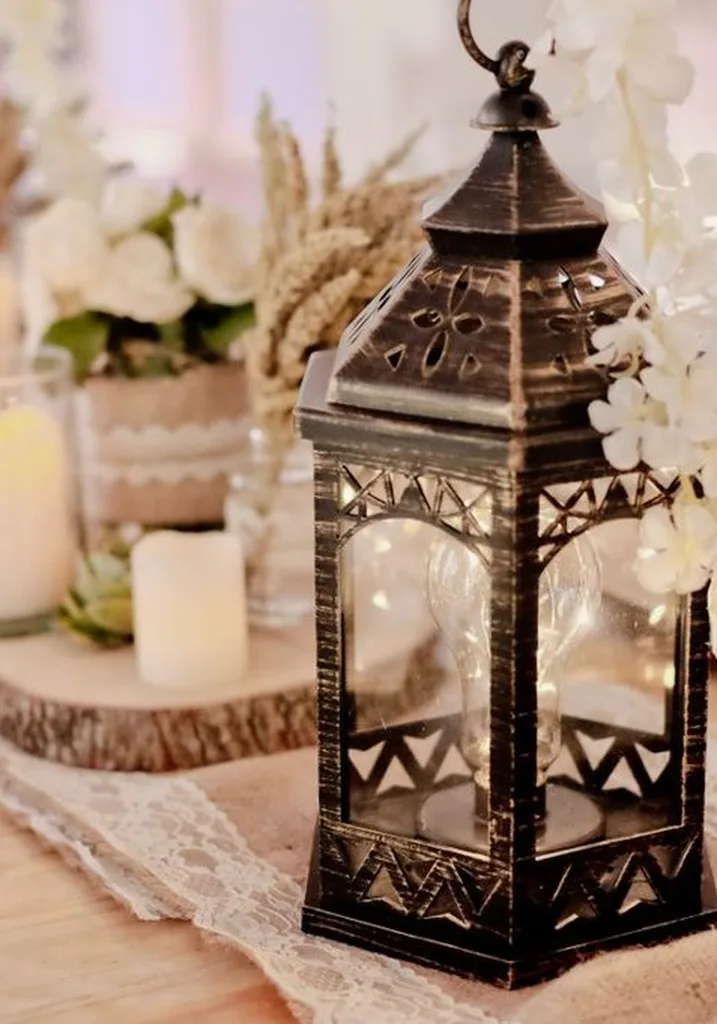
A lantern at the center of the table is part centerpiece, part mood lighting, and it works from the first cool evening of September through Thanksgiving. Choose a lantern tall enough to make a statement but open enough to see through — black metal, aged brass, or weathered wood, about 12–16 inches high. Fill the base with a pillar candle, a few mini pumpkins, and a handful of dried leaves, then set it on a round wood slice or a woven placemat.
Flank the lantern with two smaller matching lanterns or a row of votives so the light spreads down the table instead of pooling in one spot. Battery-operated candles with a timer are ideal here: they switch on at dusk by themselves and there is no open flame near the foliage. A good lantern costs $15–$35 and becomes a year-round piece — swap the pumpkins for pinecones in winter and fresh flowers in spring.
10. Tiered Tray Display
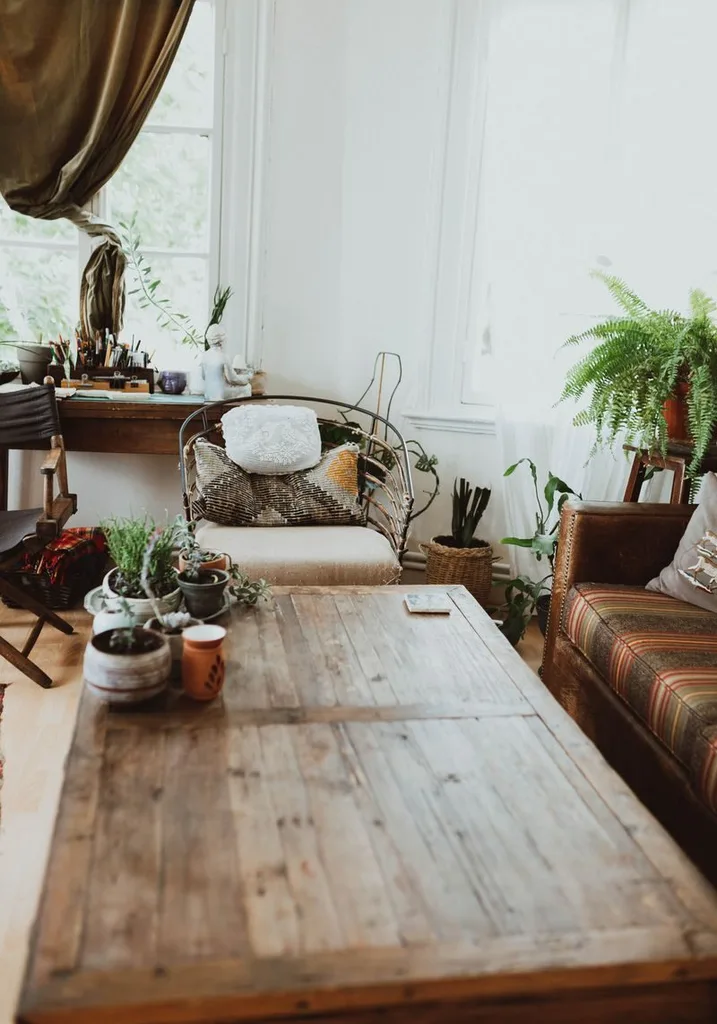
A tiered tray packs a whole fall scene into a tiny footprint, which makes it the best centerpiece for small tables and apartment dining. Use a two- or three-tier stand — wood, metal, or ceramic — and fill each level with a different miniature scene: tiny pumpkins and a candle on top, pinecones and acorns in the middle, a small sign and dried leaves on the bottom. The vertical stacking means you get three layers of interest without taking up more than a foot of table.
Tiered trays cost $20–$40 and are endlessly reusable, so treat this as a one-time buy. Style each tier with odd numbers and leave a little empty space on every level so the eye can rest. Because everything sits on one stand, the whole centerpiece lifts off the table in a single move when it is time to eat — a feature small-space hosts will appreciate every single night.
11. Moody Jewel-Tone Table
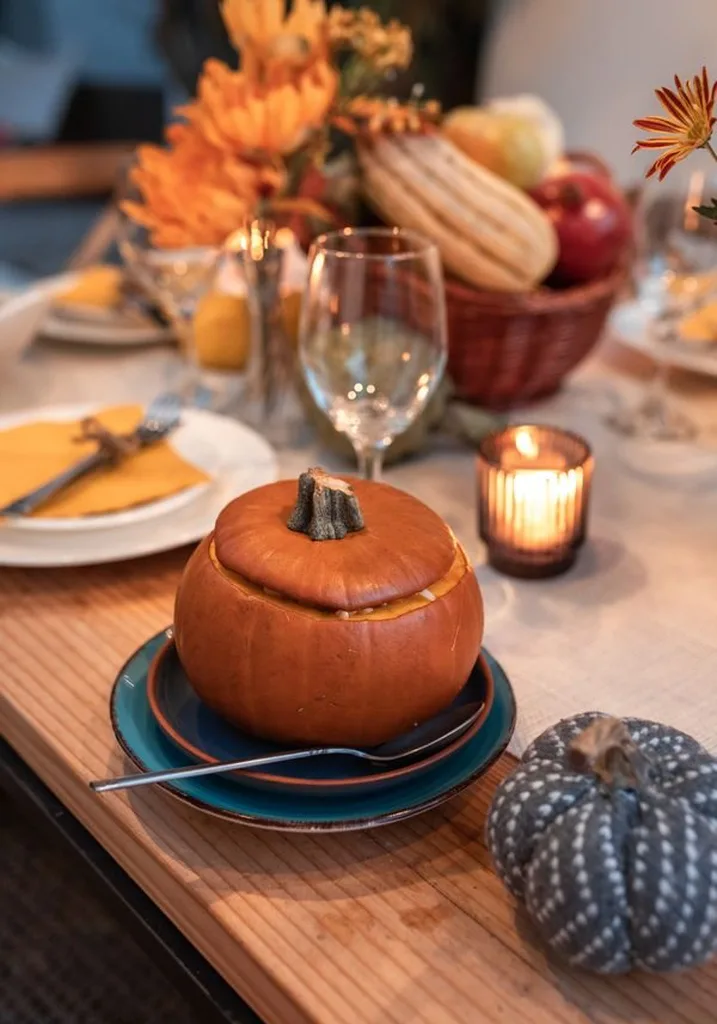
Fall does not have to mean orange. A moody jewel-tone centerpiece — deep burgundy, plum, forest green, and midnight blue — feels grown-up, dramatic, and perfect for evening dinners. Build it on a dark runner in charcoal or deep green, then layer in burgundy dahlias or faux amaranthus, dark grapes, black taper candles in brass holders, and a few copper-toned leaves. A dark ceramic vase or a smoked-glass hurricanes keeps the palette rich and shadowy.
The key to moody styling is contrast: one or two pale elements — cream pumpkins, white taper candles, a light wood board — stop the table from disappearing into the dark. This look costs about $30–$50 using faux florals and grocery-store produce, and it photographs beautifully in candlelight, which is why it is a Pinterest favorite for autumn dinner parties.
12. Farmhouse Dough Bowl
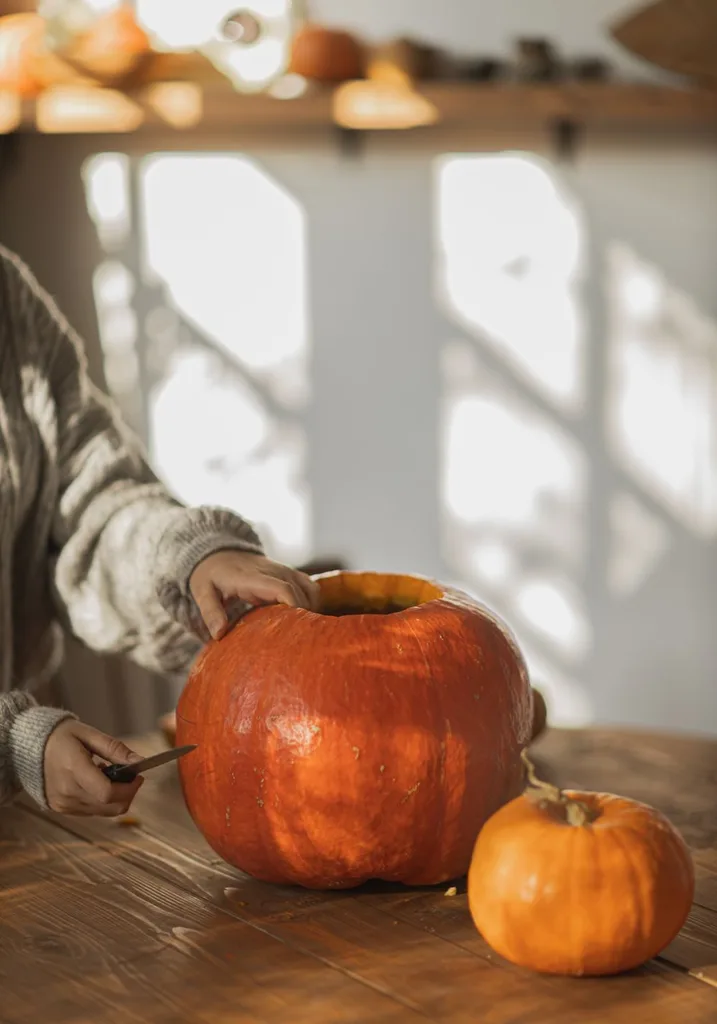
The dough bowl is the farmhouse centerpiece that never goes out of style: a long, low wooden bowl filled with seasonal layers. Fill yours with a bed of Spanish moss or dried leaves, then arrange mini pumpkins, pinecones, acorns, and a few cinnamon sticks along its length. Add three small pillar candles or a row of votives nestled among the fill, and set the bowl on a linen runner with a sprig of eucalyptus draped over each end.
Real vintage dough bowls run $25–$60 at antique shops, while new reproductions cost $20–$40 and look nearly identical once filled. The bowl’s low profile is its superpower — guests can see straight across it, and it holds everything together so nothing rolls off the table. Choose a bowl with a hand-carved, uneven edge; the imperfections are what make it feel collected rather than store-bought.
13. Mini Pumpkin Place Settings
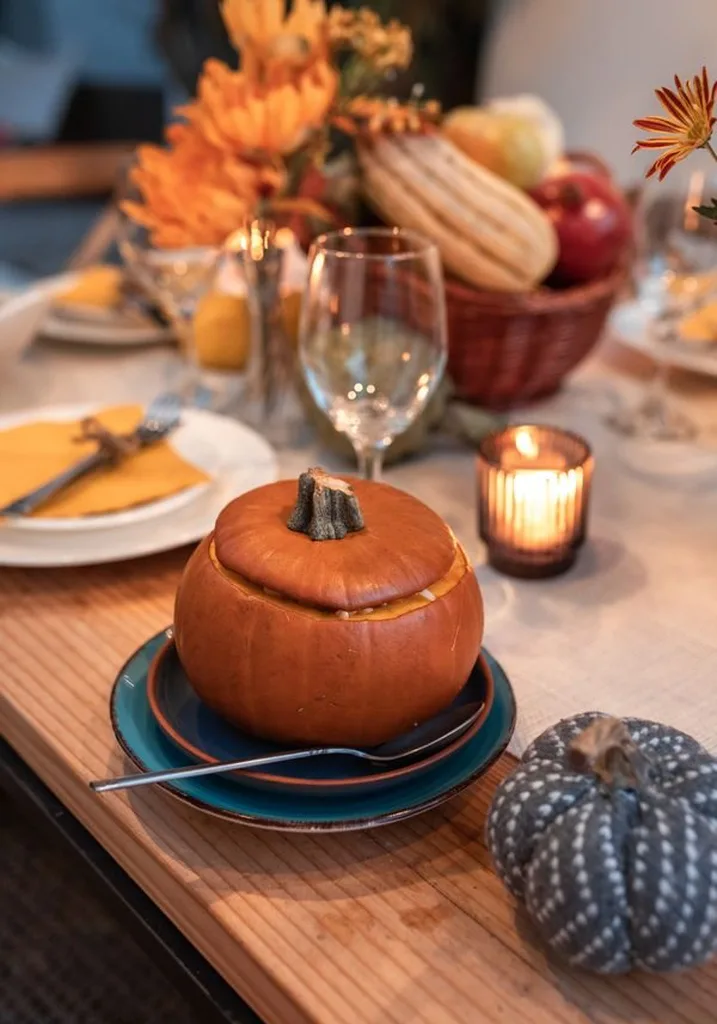
Sometimes the centerpiece is not one big thing but a dozen small ones: a mini pumpkin at every place setting, tied together by a simple runner down the middle. Set one mini pumpkin — white, orange, or striped — on each plate or beside each glass, with a sprig of rosemary and a handwritten name tag tucked under it. Down the center, run a low garland of eucalyptus and a few votives so the table still has a spine.
This idea doubles as a party favor: guests take their pumpkin home, which means the centerpiece disappears gracefully at the end of the night. Mini pumpkins cost $1–$3 each at farm stands, and a pack of kraft name tags is a few dollars. The per-place pumpkin also solves the small-table problem — there is no big arrangement hogging the middle when space is tight.
14. Cornucopia Revival
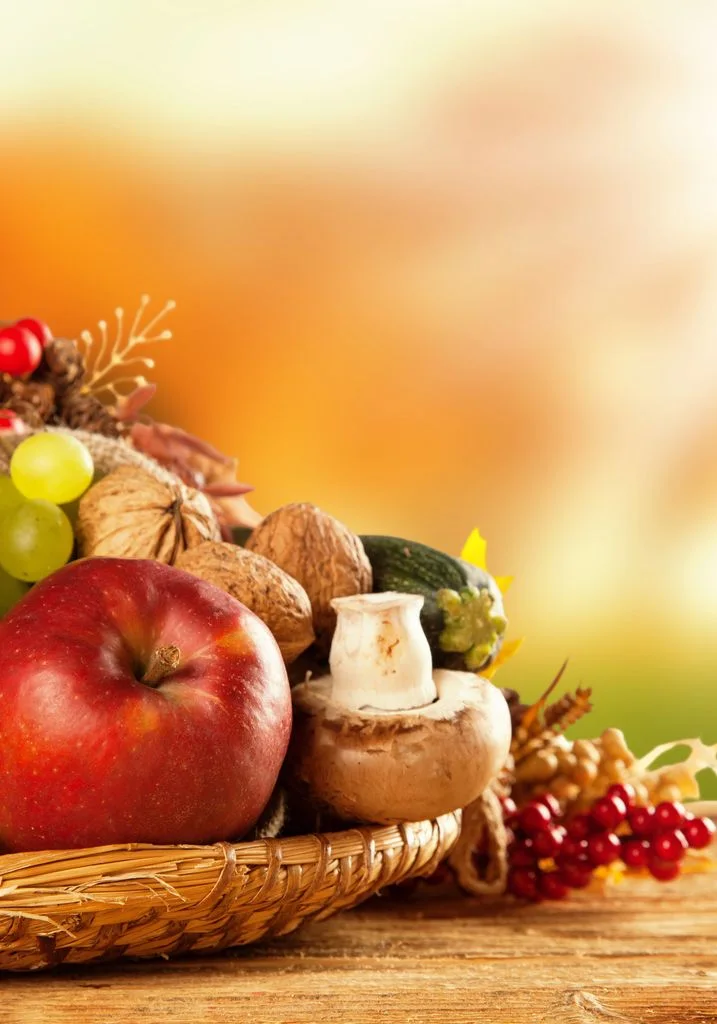
The cornucopia — the horn of plenty — deserves a comeback, and the modern version is far chicer than the ones from school plays. Buy a woven or rattan cornucopia ($10–$20) or shape one from grapevine, then fill it with a generous spill of mini pumpkins, gourds, apples, grapes, dried corn, and autumn leaves, letting the contents tumble out onto the runner as if the horn just overflowed. Anchor the wide end with a tall candle or a vase of dried wheat so the composition has height.
Place the cornucopia slightly off-center rather than dead middle — the asymmetry makes it feel natural, like a harvest that just happened. This is the centerpiece to choose when you want one unmistakable, traditional fall statement that photographs like a magazine cover.
15. Neutral Boho Fall Table
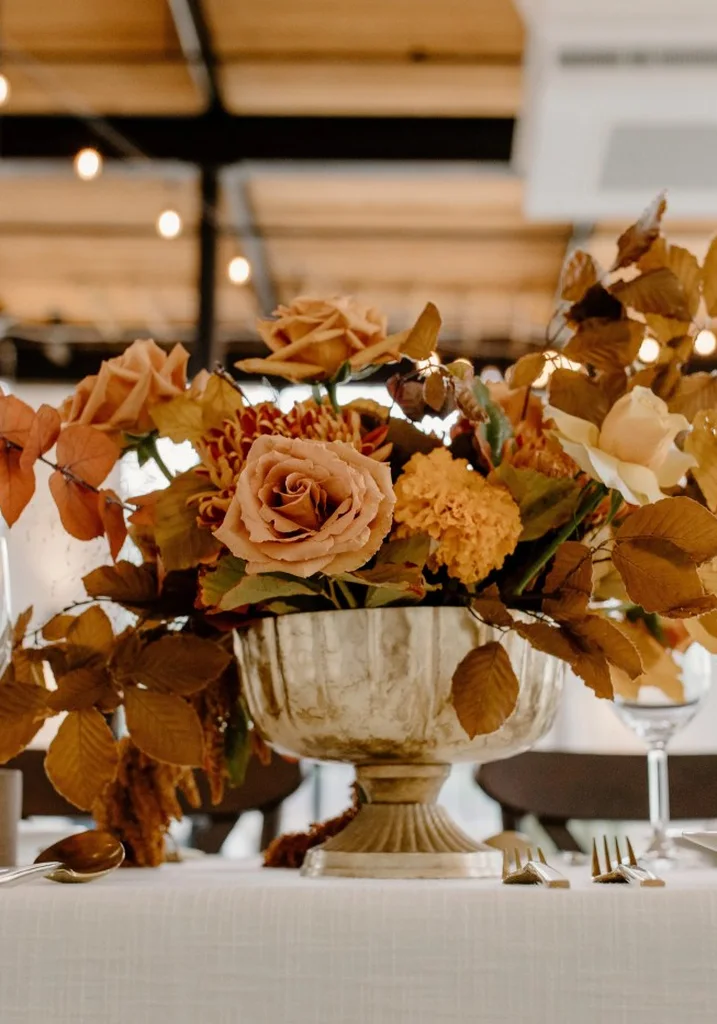
For homes that lean boho or modern, a neutral fall centerpiece proves autumn does not need orange at all. Work in cream, tan, sage, and warm wood: a macramé or woven runner, a cluster of cream and sage pumpkins, dried pampas grass in a ceramic vase, and wooden bead garland draped in loose loops down the table. Add a few terracotta-toned candles and a small bowl of walnuts for a whisper of traditional color.
Texture is everything here, so mix at least four materials — woven fiber, smooth ceramic, rough wood, soft dried grass — and keep the colors within two shades of each other. The whole look costs about $30–$50, and most pieces work year-round in a boho home.
16. Cranberries and Pinecones
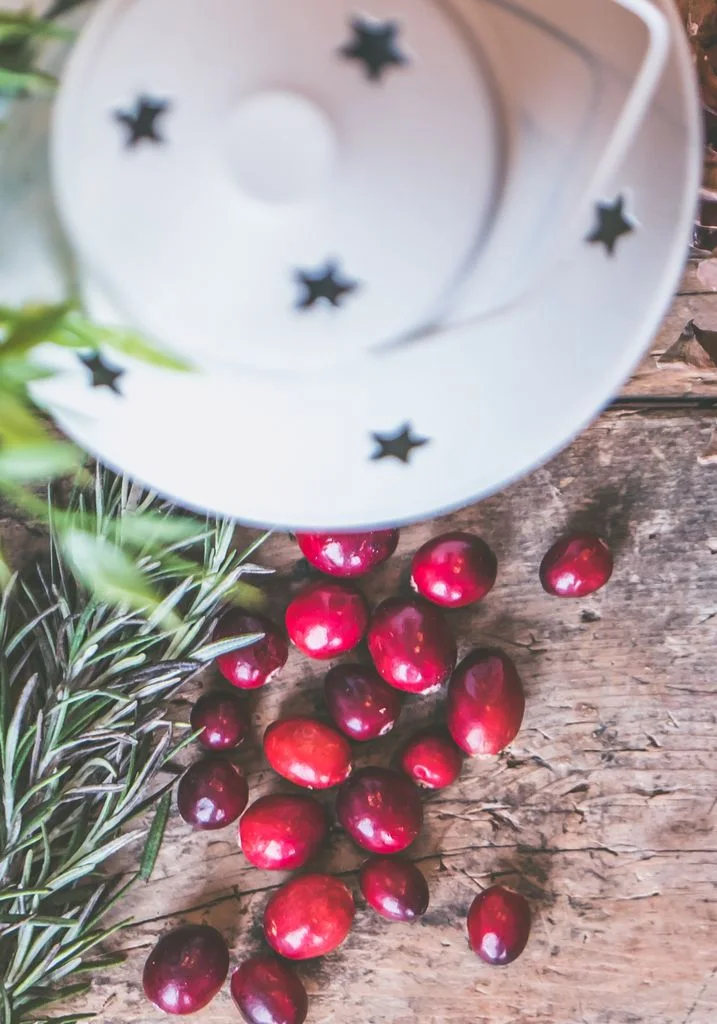
Cranberries bring a jewel-red pop to the table for almost nothing, and paired with pinecones they make a centerpiece that smells like the holidays. Fill two or three clear glass hurricanes or tall vases with layers of fresh cranberries and water, then float a small candle on top — the berries glow red through the glass when the candle is lit. Scatter pinecones, a few sprigs of cedar or fir, and a dusting of faux snow or coarse salt along the runner between the vases.
A bag of cranberries costs $2–$4 and fills two medium vases, and pinecones are free from the yard or a few dollars at a craft store. Change the water every three or four days and the berries stay bright for about two weeks. Keep the candles well above the water line and never leave them burning unattended.
17. Vintage Brass Candlesticks
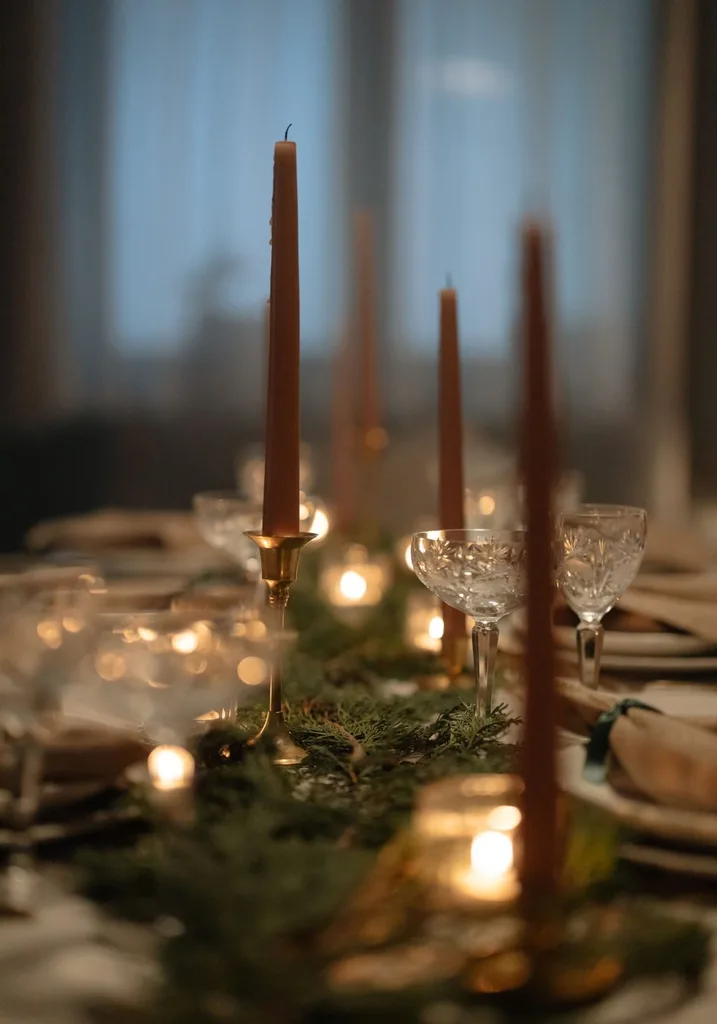
A row of mismatched vintage brass candlesticks is the simplest elegant centerpiece on this list — and the one that looks most expensive for the least money. Collect five to seven candlesticks in different heights and shapes from thrift stores and estate sales, usually $2–$8 each, and polish them just enough to shine while keeping their patina. Line them down the center of the table with ivory or deep burgundy tapers, then weave a low garland of eucalyptus or olive branches around their bases.
The varied heights create a skyline effect that draws the eye down the table, and the brass catches candlelight beautifully at dinner. Add three or four mini white pumpkins between the candlesticks for a seasonal touch, or keep it pure brass and greenery for a look that works all year.
18. Foraged Foliage Runner
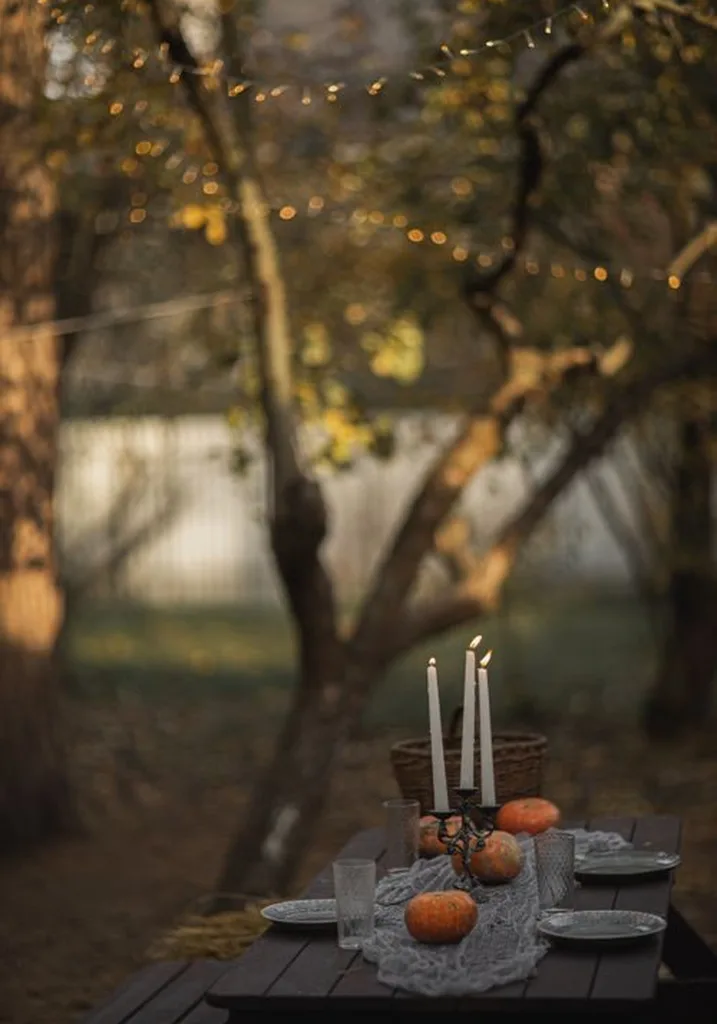
The most beautiful fall centerpiece might be the one you gather yourself. A foraged foliage runner — maple, oak, and birch branches, ferns, seed pods, and grasses collected on a walk — costs nothing and looks like a florist built it. Lay the longest branches down the center of the table in overlapping layers, then add shorter stems, a few pinecones, and three or four pillar candles in glass hurricanes so the flames are protected from the dry leaves.
Forage responsibly: take only what is plentiful, never from private land without permission, and shake branches outdoors to remove insects before bringing them in. Fresh-cut branches last about a week in a vase of water, or dry them flat for a longer-lasting display.
19. Cozy Candle Cluster
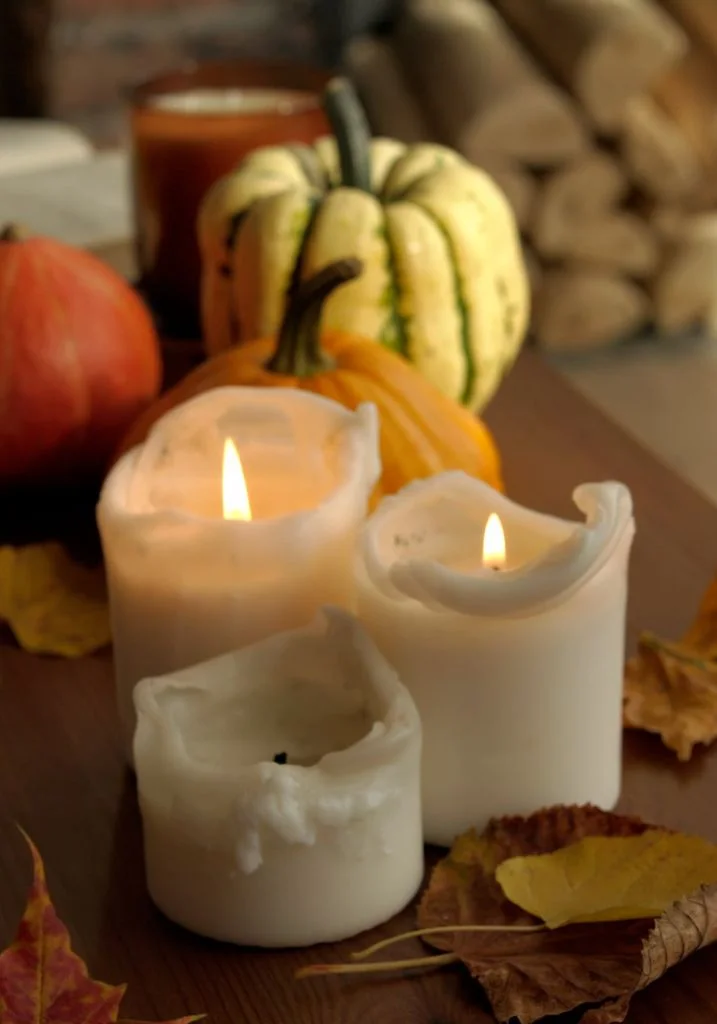
When in doubt, candles are the centerpiece. A cluster of candles in different heights, holders, and finishes creates instant warmth with almost no effort: pillar candles in glass hurricanes, votives in amber jars, tapers in brass holders, and a few tea lights scattered between them. Set the cluster on a round mirror or a metal tray so the light doubles, and tuck in a handful of dried leaves, cinnamon sticks, and mini pumpkins around the edges.
A mirror base is the trick that makes this look special — it reflects every flame and makes a modest candle collection look twice as generous. Round mirrors cost $8–$15 at thrift stores, and the candles themselves run $15–$30 for the whole cluster. Use flameless candles for the tallest pillars if children or pets are around, and always keep real flames clear of leaves and fabric.
20. Small-Space Fall Centerpiece
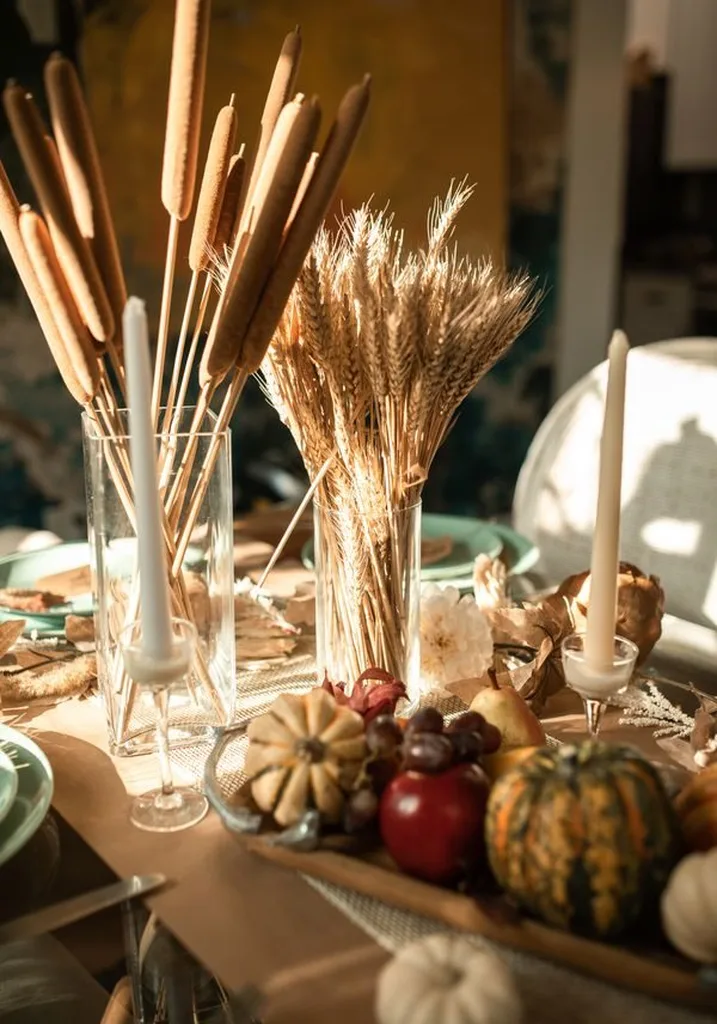
Small tables deserve fall centerpieces too, and the rule is simple: one vessel, one height, one focal point. Choose a single beautiful container — a wide ceramic bowl, a low wooden tray, a footed compote — and fill it with three mini pumpkins, a small bunch of dried stems, and one candle. Set it slightly off-center so there is still room for plates, and skip the runner in favor of a single woven placemat under the arrangement.
The whole display should fit inside a 12-inch circle and cost under $20, using pieces you probably already own. Because it is one object, it lifts off the table in a second when you need the space for serving, and it is easy to move to a sideboard or coffee table after dinner.
21. The Thanksgiving Showstopper
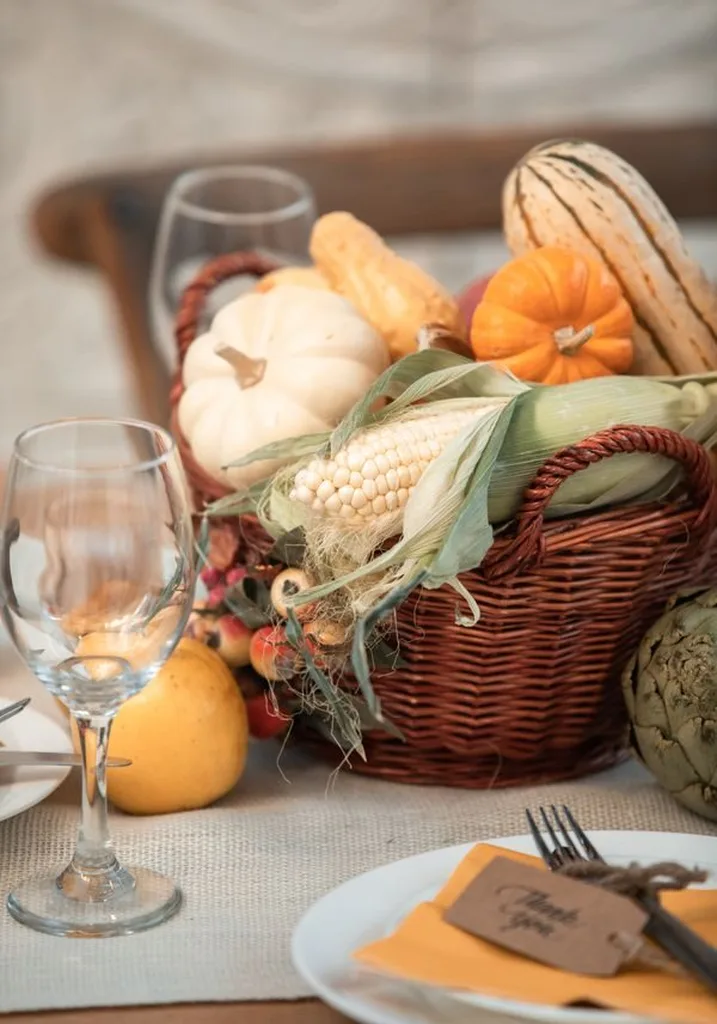
Thanksgiving is the one day of the year the centerpiece gets to be a showstopper, so build it in layers and let it be generous. Start with a full-length linen tablecloth in cream, then a runner in deep rust or burgundy down the center. Down the runner, place a long wooden board holding a row of pumpkins in three sizes, interspersed with taper candles, eucalyptus, and dried wheat. At each end, add a tall arrangement — a vase of fall branches or a lantern — so the table has bookends, and scatter pomegranates, pears, and walnuts along the edges for abundance.
Plan the showstopper a week ahead: buy pumpkins and branches early, test the arrangement on the table, and check sightlines from every seat before the day arrives. For professional layering ideas, the expert tips in Apartment Therapy’s Thanksgiving table guide show how to build height and texture without blocking conversation. The pumpkins and fruit are the only consumables, and the leftovers go straight into pie.
📌 Also Read:
How to Choose the Right Fall Centerpiece for Your Table
Start with the table itself. Measure the length and width, then remember the golden rule: the centerpiece should occupy no more than one-third of the table’s width, so plates and glasses still have room. A long rectangular table takes a runner-style arrangement, a round table wants a single central cluster, and a small square table needs one compact vessel. If your table seats eight or more, plan two or three smaller arrangements instead of one giant one — the repetition looks intentional and keeps sightlines open.
Next, match the centerpiece to how you actually use the table. If it is a working dining table that hosts homework and laptops, choose a tray-based arrangement that lifts off in one move. If the table is mostly for display and special dinners, a fuller garland or runner can live there all season. Consider your household too: flameless candles with kids and pets, no small loose items with toddlers, and nothing heavily scented near food. Finally, pick a palette that talks to your room — pull two colors from your curtains, rug, or wall art and let the centerpiece echo them, so the table feels like part of the house rather than a holiday pop-up.
Buy the reusable base first — a good tray, runner, or board — and let the seasonal fillers change around it. One quality base plus a rotating cast of pumpkins, stems, and candles will carry you through every autumn for years, and it costs less over time than buying a new themed centerpiece each October.
Dining Table Fall Centerpieces on a Budget
The under-$25 refresh. A bag of mini pumpkins from the farm stand, a bundle of eucalyptus from the grocery store, and three votives you already own, arranged on a linen napkin or a cutting board as a base. This tier proves the season itself is the decor — fresh produce and greenery do the work, and the whole display can be built in ten minutes the afternoon guests arrive.
The $25–$60 table lift. Add a proper runner or wooden board, a set of taper candles with holders, and a few faux stems or a garland that will store for next year. At this level the centerpiece looks styled rather than improvised, and the reusable pieces mean next year’s cost drops to just the pumpkins and greenery. Thrift stores are your best friend here: brass candlesticks, wooden bowls, and lanterns cost a fraction of retail.
The $60+ showstopper investment. Spend on the pieces with the longest lives: a live-edge board, a quality lantern, a set of brass candlesticks, or a beautiful ceramic vase. Buy these slowly and buy them once — a $40 board used every autumn for a decade costs $4 a year. Everything else in a fall centerpiece is deliberately cheap and seasonal, and that contrast between a few real anchors and many humble, found pieces is exactly what makes the table feel rich rather than decorated.
Common Mistakes to Avoid
- Building too tall. A centerpiece guests cannot see over kills conversation. Keep the middle of the table under 12 inches high, and save tall branches and candlesticks for the ends.
- Using scented candles near food. Strong fragrance competes with dinner. Use unscented candles on the table and save the pumpkin-spice scent for a candle across the room.
- Overcrowding the table. A centerpiece plus plates, glasses, and serving dishes needs room to breathe. If you cannot set a glass down without moving decor, remove something.
- Mixing too many colors. Fall’s palette is generous, but five competing colors look chaotic. Pick two main colors and one accent, and let texture do the rest.
- Forgetting the flame rules. Never place real candles against dried leaves, wheat, or fabric, and never leave them burning unattended. Flameless candles look nearly identical in photos and are the safe choice with kids and pets.
- Letting produce rot on the table. Real pumpkins and fruit tire after a week or two. Check them weekly, compost the soft ones, and replace them before they become a smell rather than a centerpiece.
Frequently Asked Questions
How long should a fall centerpiece be?
A good rule is about two-thirds of your table’s length, leaving place settings clear at both ends. For a six-foot table, that means a four-foot arrangement; for a small round table, one compact cluster about a foot across is plenty. The centerpiece should never touch the place settings — if it does, it is too big.
How tall can a dining table centerpiece be?
Keep the center of the arrangement under 12 inches tall so guests can see each other across the table. Taller elements like candlesticks, branches, or a lantern belong at the ends of the table or off to one side, where they frame the view instead of blocking it.
What is the cheapest fall centerpiece I can make?
A bowl of apples or mini pumpkins with a few sprigs of greenery, built from things you already own, costs under $15 and takes five minutes. Foraged branches, pinecones from the yard, and a candle you have on hand can bring the cost down to nearly zero — the season’s materials are the decor.
How do I keep a fall centerpiece from looking cluttered?
Start with a base — a runner, board, or tray — that defines the display’s footprint, then group items in odd numbers with space between the groups. Step back and check that you can see table surface between clusters; if you cannot, remove one item from each group until you can.
Can I leave a fall centerpiece up all season?
Yes, if you build it from durable materials. Faux pumpkins, dried stems, brass, and wood last from September through Thanksgiving with almost no maintenance. Real pumpkins and fresh greenery need weekly checks and replacement, so use them as the accents rather than the foundation if you want a set-it-and-forget-it display.
Conclusion
A dining table fall home centerpiece does not need to be complicated to be beautiful. Pick a base you love, add the season’s pumpkins and greenery, light a few candles, and leave room for the people and the food that actually make the meal. The best centerpieces are the ones that get used — moved aside for dinner, admired, photographed, and rebuilt next year with one new idea added.
If one of these 21 ideas caught your eye, save this post to your fall decor board on Pinterest so it is waiting when you set the table — and pin your favorite centerpiece to share the warmth with someone planning their own autumn table.