
Top 15 Beige Paint Colors: Your Ultimate Guide to Timeless Neutrals

Overview
This article explores the top 15 beige paint colors, covering their unique undertones and ideal applications. Perfect for homeowners, designers, and DIY enthusiasts, you will discover how to select the perfect neutral to create inviting and sophisticated interiors. Get expert insights to transform your space with confidence and achieve a balanced aesthetic that stands the test of time.
Key Takeaways
- Beige offers incredible versatility, ranging from warm golden tones to cool greige hues.
- Understanding undertones is crucial for selecting a beige that complements your home’s lighting and existing decor.
- Natural light significantly impacts how beige paint appears, making samples essential for accurate assessment.
- Beige provides a timeless appeal and a sophisticated backdrop for various design styles, from modern to traditional.
- Pairing beige with appropriate trim colors and accent shades enhances its warmth and creates a cohesive look.
Beige, a classic and enduring neutral, has made a powerful resurgence in interior design, offering unparalleled warmth and versatility. Moving beyond its dated reputation, today’s beige paint colors are nuanced and sophisticated, providing a harmonious foundation for any aesthetic. This timeless appeal makes beige a preferred choice for creating inviting atmosphere in countless homes.
In this comprehensive guide, you will discover 15 of the most popular and expertly vetted beige paint colors, complete with their unique characteristics and ideal applications. We will delve into the subtle nuances of each shade, offering professional tips and practical advice to help you select the perfect beige for your next project, ensuring a balanced aesthetic throughout your living spaces.
1. Sherwin-Williams Accessible Beige SW 7036

This inviting living room showcases walls painted in Accessible Beige, complemented by a soft linen sofa and natural wood furniture.
Accessible Beige is a truly balanced neutral, celebrated for its perfect blend of warmth without leaning too heavily into yellow or pink undertones. It features a touch of gray, giving it a sophisticated greige quality that adapts beautifully to various lighting conditions. This color provides a soft, inviting backdrop, making rooms feel both cozy and expansive.
From years of observing design trends, my experience shows this color works exceptionally well in open concept living areas and hallways, offering a cohesive look throughout your home. It pairs wonderfully with both warm woods and cool metals, creating a harmonious and versatile foundation for diverse decor styles.
2. Benjamin Moore Shaker Beige HC-45

A traditional dining room featuring the warm, inviting tones of Shaker Beige on the walls, paired with elegant dark wood furniture.
Shaker Beige is a classic, warm beige with a noticeable golden or orange undertone, evoking a sense of traditional comfort and rich heritage. This shade offers a deeper, more saturated warmth than lighter beiges, making it feel substantial and enveloping. It is particularly striking in spaces that receive ample natural light, where its golden hues can truly shine.
Design experts often advise that this color is best suited for creating an inviting atmosphere in traditional or rustic settings, such as dining rooms or studies. Its inherent warmth helps to ground a space, providing a sophisticated and timeless appeal that pairs beautifully with antique furnishings and rich textiles.
3. Sherwin-Williams Kilim Beige SW 6106

This cozy bedroom showcases Kilim Beige walls, creating a warm backdrop for plush bedding and a simple wooden nightstand.
Kilim Beige is a deeply comforting shade, characterized by its distinct yellow or golden undertones that create a truly warm and inviting atmosphere. This color has a rich, earthy quality that prevents it from appearing too bright or stark, settling instead into a soft, sun drenched glow. It is an excellent choice for north facing rooms that often feel cooler, as it introduces much needed warmth.
My experience shows that Kilim Beige works beautifully in bedrooms and family rooms, where its cozy feel contributes to a relaxed environment. To achieve a cohesive look, pair it with creamy whites for trim and accents, or incorporate natural textures like wicker and wood to enhance its organic appeal.
4. Benjamin Moore Pale Oak OC-20

A bright living room featuring Pale Oak walls, which beautifully complement a modern gray sofa and sleek glass coffee table.
Pale Oak is a highly sought after greige, a sophisticated blend of beige and gray, with a subtle hint of warmth that keeps it from feeling cold. It is a very light, almost off white, shade that shifts beautifully throughout the day, often appearing more beige in warmer light and slightly grayer in cooler conditions. This versatility makes it a favorite among design experts for its ability to adapt.
This color is ideal for creating a serene and sophisticated backdrop in living rooms, bedrooms, or even kitchens, offering a balanced aesthetic. According to Architectural Digest, Pale Oak is frequently chosen for its ability to brighten a space while still providing a soft, comforting presence. It pairs exceptionally well with white trim for a crisp, clean look.
5. Sherwin-Williams Worldly Gray SW 7043

An open concept living area featuring Worldly Gray walls, providing a sophisticated backdrop for a contemporary sectional sofa.
Worldly Gray is a popular greige that leans more toward gray, yet possesses enough warmth from its beige undertones to prevent it from feeling stark or cold. It offers a muted and sophisticated appearance, making it an excellent choice for those who want a neutral that is neither too beige nor too gray. This color is incredibly adaptable, working well in a variety of settings and styles.
This versatile shade is perfect for open concept homes, providing a cohesive look across different rooms without being overwhelming. From designing hundreds of spaces, my practical advice is to pair Worldly Gray with crisp white trim for a clean contrast, and introduce natural wood tones to enhance its inherent warmth and create an inviting atmosphere.
6. Benjamin Moore Manchester Tan HC-81

An elegant home office featuring Manchester Tan walls, providing a refined setting for a wooden desk and built in bookshelves.
Manchester Tan is a light, creamy beige with a subtle green undertone that gives it a sophisticated and almost muted quality. It is warmer than many greiges but maintains a refined elegance, avoiding any overly yellow or orange appearance. This shade creates a bright yet comforting atmosphere, making spaces feel spacious and serene.
This color is particularly effective in rooms with good natural light, where its subtle green notes can be appreciated without becoming dominant. It is an excellent choice for offices, living rooms, and bedrooms, offering a harmonious and inviting atmosphere. Professional tips suggest pairing it with off white trim to maintain its soft, elegant appeal.
7. Sherwin-Williams Natural Linen SW 9109
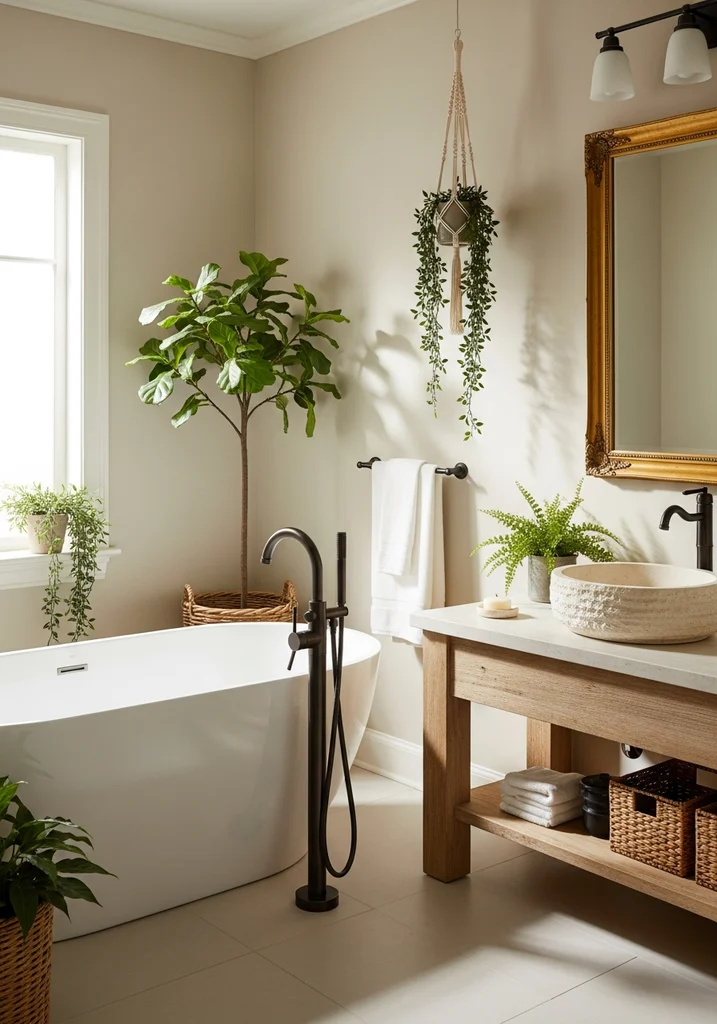
A serene bathroom featuring Natural Linen walls, complemented by a freestanding tub and a warm wooden vanity.
Natural Linen is an earthy and organic beige, distinguished by its subtle green and gray undertones that give it a very natural, almost raw linen appearance. This color offers a subdued warmth, making it feel calm and grounded without being dull. It is a fantastic choice for creating a tranquil and spa like environment in any room.
My practical advice for this shade is to use it in spaces where you want to evoke a sense of nature and tranquility, such as bathrooms, sunrooms, or meditation spaces. It harmonizes beautifully with natural materials like wood, stone, and woven textures, contributing to a truly inviting atmosphere and a balanced aesthetic.
8. Benjamin Moore Edgecomb Gray HC-173

A transitional living room showcasing Edgecomb Gray walls, which provide a soft backdrop for a comfortable sofa and an antique chest.
Edgecomb Gray is a beloved greige, renowned for its incredible softness and versatility, striking a perfect balance between warm beige and cool gray. It is a chameleon color that shifts beautifully depending on the light, often appearing more beige in warm, south facing rooms and leaning grayer in cooler, north facing ones. This makes it one of the most adaptable neutrals available.
From designing hundreds of spaces, I can confidently say this color is an excellent choice for almost any room, providing a sophisticated and inviting atmosphere. It offers a balanced aesthetic that supports both contemporary and traditional furnishings, making it an ideal base for a cohesive look throughout your entire home.
9. Farrow & Ball Skimming Stone No. 241

A minimalist bedroom featuring Skimming Stone walls, creating a serene and elegant backdrop for a low platform bed.
Skimming Stone is a delicate and sophisticated warm gray with a subtle hint of beige, giving it a soft, ethereal quality. It is lighter and more refined than many traditional beiges, offering a gentle warmth that is never overwhelming. This color creates a tranquil and understated elegant backdrop, perfect for modern minimalist or classic interiors.
Design experts at House Beautiful often highlight Farrow & Ball colors for their unique depth, and Skimming Stone is no exception, creating an inviting atmosphere. It works beautifully in bedrooms and living rooms where a calm and sophisticated feel is desired, pairing well with natural materials and muted accent colors for a harmonious interior.
10. Behr Gobi Desert N320-4

This cozy den features Gobi Desert walls, providing a warm and inviting backdrop for a leather armchair and a dark wood bookcase.
Gobi Desert is a richer, more saturated sandy beige with noticeable golden undertones, evoking the warmth of sun baked landscapes. This color offers a substantial and inviting presence, making a room feel exceptionally cozy and welcoming. It is a fantastic choice for those who desire a true, warm beige that leans into its golden side without being overtly yellow.
My practical advice is to use Gobi Desert in spaces that you want to feel especially warm and intimate, such as a den, media room, or a large living room. It pairs beautifully with dark wood furniture and natural textures, enhancing its earthy appeal and contributing to an inviting atmosphere.
11. Sherwin-Williams Ancient Marble SW 6162

A sophisticated dining room showcasing Ancient Marble walls, which provide a rich backdrop for an antique wooden buffet.
Ancient Marble is a deeper, more complex beige that carries a subtle green undertone, giving it an earthy and sophisticated character. This shade offers a muted, organic feel that is both grounding and serene, moving away from traditional yellow or pink based beiges. It provides a quiet richness that can elevate any space with its understated elegance.
This color is ideal for creating a sophisticated and inviting atmosphere in dining rooms, studies, or even accent walls, especially when paired with natural stone or dark wood elements. Its unique undertones allow it to harmonize with a wide range of decor, contributing to a balanced aesthetic that feels both classic and contemporary.
12. Benjamin Moore White Sand OC-10

A bright and airy bedroom featuring White Sand walls, complemented by crisp white bedding and a light wood dresser.
White Sand is an exceptionally light beige, almost an off white, with just enough warmth to keep it from feeling stark or cold. It features very subtle warm undertones, making it a perfect choice for those who desire a minimalist look with a touch of softness. This color brightens rooms beautifully while still providing a comforting, barely there hue.
My experience shows that White Sand is fantastic for creating an airy and expansive feel in smaller spaces or for achieving a serene, spa like ambiance in bathrooms and bedrooms. It pairs exquisitely with bright white trim and natural textures, ensuring a cohesive look and an inviting atmosphere that feels fresh and clean.
13. Valspar Oatlands Subtle Taupe 6005-1B

A chic living room showcasing Oatlands Subtle Taupe walls, providing a sophisticated backdrop for a velvet sofa and metallic accents.
Oatlands Subtle Taupe is a nuanced shade that beautifully blends beige with gray and a hint of purple, creating a complex and sophisticated taupe. It offers a cooler take on beige, providing depth and a contemporary feel without sacrificing warmth. This color is incredibly versatile and can adapt to various styles, from modern to transitional.
This color is particularly effective in spaces where you want a sophisticated and inviting atmosphere, such as a master bedroom or a chic living room. It pairs well with both warm and cool decor elements, allowing for a balanced aesthetic. Professional tips suggest testing this color carefully, as its undertones can shift significantly with different lighting conditions.
14. Sherwin-Williams Balanced Beige SW 7037

A neutral hallway featuring Balanced Beige walls, providing a calm and cohesive backdrop for a simple console table and mirror.
Balanced Beige lives up to its name, offering a perfect equilibrium between warm and cool tones, making it one of the most truly neutral beiges available. It has minimal strong undertones, allowing it to serve as an ideal canvas that will not clash with existing furnishings or art. This shade creates a calm and inviting atmosphere without dictating the room’s overall color scheme.
From years of observing design trends, my experience shows this color is a fantastic choice for entire homes, providing a cohesive look and seamless flow between rooms. It is especially suitable for those seeking a neutral backdrop that supports a wide array of accent colors and decor styles, ensuring timeless appeal and versatility.
15. Benjamin Moore Lenox Tan HC-44

A traditional study showcasing Lenox Tan walls, complemented by dark wood paneling and a comfortable leather armchair.
Lenox Tan is a rich, deeper beige with strong warm undertones, leaning slightly toward a golden or caramel hue. This color offers a substantial and traditional feel, creating a truly inviting atmosphere and a sense of enduring elegance. It is a fantastic choice for spaces that benefit from a more saturated and cozy color palette.
This shade is particularly effective in traditional homes, libraries, or studies, where its depth can enhance architectural details and create a luxurious feel. To achieve a cohesive look, pair it with creamy off whites for trim and incorporate rich wood tones and classic furnishings, contributing to a truly sophisticated and balanced aesthetic.
Design Comparison: What to Expect with Beige
| Style/Type | Key Features | Best For |
|---|---|---|
| Modern Minimalist | Light greige beiges, clean lines, subtle warmth, uncluttered spaces. | Contemporary homes, small apartments, serene bedrooms. |
| Bohemian & Organic | Earthy beiges, green or gray undertones, natural textures, layered textiles. | Relaxed living rooms, sunrooms, spaces with global influences. |
| Traditional & Classic | Rich, warm beiges, golden or orange undertones, elegant furnishings, architectural details. | Formal dining rooms, studies, master bedrooms, historic homes. |
| Coastal & Transitional | Sandy beiges, light and airy feel, hints of blue or green, natural light. | Beach houses, casual living spaces, rooms blending old and new. |
| Farmhouse & Rustic | Creamy beiges, warm yellow undertones, distressed wood, vintage accents. | Country style kitchens, cozy family rooms, spaces with a comfortable, lived in feel. |
How to Choose Your Perfect Beige Paint Color
Selecting the perfect beige paint color involves careful consideration of your room’s natural light and existing elements. Observe how sunlight changes throughout the day, as this significantly impacts how paint colors appear, making a beige with warm undertones look different in morning versus afternoon light. Always test samples on your walls before committing to a shade, painting large swatches to truly see its interaction with your environment.
Consider the fixed elements in your room, such as flooring, cabinetry, and upholstery, as these items have their own undertones that should harmonize with your chosen beige. A beige with green undertones might clash with pink toned tile, for example, creating an unbalanced aesthetic. Aim for a cohesive look where all elements complement each other seamlessly.
Think about the mood you wish to create in the space, as different beige undertones evoke distinct feelings. A beige with golden undertones creates an inviting atmosphere and a cozy feel, while a greige with more gray offers a sophisticated and calming presence. Your desired ambiance should guide your color selection, ensuring the paint contributes positively to the room’s overall character.
Finally, do not forget about your trim color, as it plays a crucial role in framing your walls and enhancing the beige. Crisp white trim provides a clean, modern contrast, while an off white or creamy trim can soften the look and create a more traditional feel. Experiment with different trim options to achieve the most balanced aesthetic for your space.
Common Mistakes to Avoid When Choosing Beige Paint
One common mistake is choosing beige solely based on a small paint chip, which rarely accurately represents how the color will look on an entire wall. Small samples do not show the full effect of a color’s undertones or how it reacts to changing natural light, leading to unexpected results. Always paint large swatches directly onto your walls and observe them at different times of day to avoid disappointment.
Another pitfall is ignoring the undertones of your existing furnishings and fixed elements, which can lead to clashing colors. A beige with strong yellow undertones might look jarring next to cool gray furniture, creating an unharmonious effect. Ensure your chosen beige complements the inherent color temperature of your flooring, upholstery, and artwork for a cohesive look.
Many people make the error of selecting a beige that is too dark for their space, especially in rooms with limited natural light. A darker beige can make a small room feel even smaller and less inviting, rather than creating the cozy atmosphere intended. Opt for lighter beiges or greiges in such areas to maintain an open and airy feel, ensuring a balanced aesthetic.
Lastly, failing to consider the impact of artificial lighting can significantly alter the appearance of beige paint. Different light bulbs emit various color temperatures, from warm yellow to cool blue, which can exaggerate or neutralize a beige’s undertones. Test your chosen beige under both natural and artificial light sources to ensure it looks appealing at all times.
Frequently Asked Questions
What are the different undertones found in beige paint colors?
Beige paint colors can have a variety of undertones, which significantly influence their appearance. Common undertones include yellow, orange, pink, green, and gray, with gray undertones often creating a popular ‘greige’ shade. Understanding these subtle nuances is crucial for selecting a beige that harmonizes with your room’s existing elements and lighting.
How does natural light affect the appearance of beige paint?
Natural light plays a critical role in how beige paint appears throughout the day, altering its color temperature and intensity. North facing rooms often make beiges appear cooler and sometimes flatter, while south facing rooms enhance their warmth and can bring out golden undertones. East and west facing rooms experience significant changes from morning to evening, making samples essential for accurate assessment.
Can beige paint be modern, or is it considered outdated?
Absolutely, beige paint can be incredibly modern and sophisticated when chosen carefully and styled correctly. Contemporary beiges often lean into greige tones or have subtle, complex undertones that provide a fresh, inviting atmosphere without feeling dated. Pairing them with clean lines, minimalist furniture, and modern art ensures a timeless appeal and a balanced aesthetic.
What trim color pairs best with beige walls?
The best trim color for beige walls typically depends on the specific beige shade and the desired aesthetic. Crisp, bright white trim provides a clean and modern contrast, making the beige walls pop. For a softer, more traditional look, an off white or creamy trim can create a harmonious and inviting atmosphere, blending seamlessly with the beige.
Is beige a good choice for small rooms?
Yes, beige can be an excellent choice for small rooms, especially lighter shades with subtle undertones that help to expand the space visually. A light, airy beige can make a small room feel larger and more open, while still providing a comforting warmth. Avoid overly dark or saturated beiges in small areas, as they can make the room feel enclosed.
Conclusion
Embracing beige paint colors offers an incredible opportunity to create spaces that are both inviting and endlessly stylish. With its remarkable versatility and timeless appeal, beige provides a sophisticated foundation for virtually any design aesthetic. By understanding the subtle nuances of undertones and considering your home’s unique lighting, you can confidently select a shade that truly transforms your environment. Choose your perfect beige to enjoy a harmonious and beautifully balanced aesthetic for years to come.


