21 Dated Bathroom Decor Ideas You Need to Ditch Now!

Stepping into your bathroom should feel like a refreshing escape, a sanctuary where you can unwind and rejuvenate. However, for many homeowners, a quick glance around reveals not a spa-like haven, but a collection of decor choices that firmly plant their feet in a bygone era. From discolored fixtures to questionable textures and patterns, these design relics are more than just a matter of personal taste; they’re actively diminishing your home’s appeal and making your otherwise chic space feel noticeably old-fashioned. Identifying these outdated elements is the crucial first step toward creating the contemporary, inviting bathroom you deserve.
This comprehensive guide is your essential toolkit for spotting the most common culprits of dated bathroom decor. We’ve compiled a list of 21 design choices that have long overstayed their welcome, offering clear descriptions and visual cues to help you recognize them in your own home. Get ready to embark on a journey of transformation, learning precisely what to bid farewell to and how to envision a brighter, more current future for your bathroom. It’s time to shed the old, embrace the new, and revitalize your space into a stylish, functional, and truly timeless retreat.
1. Popcorn Ceilings
Once lauded for their sound-dampening qualities and ability to hide imperfections, popcorn ceilings in bathrooms are now a universally recognized sign of an outdated space. Their bumpy texture not only collects dust and grime, making cleaning a nightmare, but also casts unflattering shadows that can make the room feel smaller and darker. This particular ceiling finish screams ‘decades past’ and instantly drags down the entire aesthetic of your otherwise potentially modern bathroom, creating a sense of staleness and neglect.
Removing a popcorn ceiling can be a dusty, labor-intensive task, but the immediate visual impact of a smooth, clean surface is unparalleled. Smooth ceilings offer a sleek, contemporary look that reflects light beautifully, instantly making your bathroom feel brighter, more spacious, and infinitely more current. For homes built before the late 1970s, it’s essential to test for asbestos before disturbing the material, but with proper precautions or professional help, this update provides one of the most significant returns on your renovation effort.

That bumpy ceiling isn’t just a dust magnet; it’s a timestamp from decades past, instantly dating your bathroom.
2. Carpeted Bathrooms
The idea of a soft, warm carpet underfoot in a bathroom might have seemed appealing decades ago, but in reality, it’s a recipe for disaster and a definite no-go for modern design. Bathrooms are inherently humid, wet environments, and carpet acts as a sponge, trapping moisture, growing mildew, and harboring bacteria. This not only creates an unsanitary environment but also contributes to unpleasant odors and can even lead to structural damage over time, making it a hygienic and aesthetic misstep.
Replacing carpet with hard, non-porous surfaces like tile, luxury vinyl plank (LVP), or even engineered wood designed for bathrooms is a game-changer for both hygiene and style. These materials are waterproof, easy to clean, and offer a much more sophisticated and durable finish. A beautiful tile floor, perhaps with a subtle pattern or texture, instantly elevates the bathroom’s design, creating a clean, fresh, and much more functional space that feels truly contemporary.

Carpet in a bathroom? It’s a breeding ground for mildew and a guaranteed way to make your space feel perpetually unhygienic and dated.
3. Patterned Linoleum Flooring
While linoleum has made a comeback in more eco-friendly forms, the dated, brightly patterned linoleum from the 70s and 80s remains a major design faux pas in bathrooms. These floors often feature busy, geometric motifs, faux-tile patterns, or abstract designs in colors that clash with contemporary aesthetics. They instantly signal a lack of updating and can make even a freshly painted bathroom feel tired and out of sync with current trends, overshadowing any other modern elements you might try to introduce.
Modern flooring options offer a vast improvement in both durability and style. Consider large format porcelain tiles for a seamless, sophisticated look, or luxury vinyl planks that mimic natural wood or stone without the maintenance. These materials are robust, waterproof, and come in an array of sophisticated colors and textures that provide a clean, elegant foundation for your bathroom’s design. Ditching the old linoleum is one of the quickest ways to bring your bathroom into the 21st century.

Busy, patterned linoleum flooring instantly screams 1980s and detracts from any attempt at a modern bathroom aesthetic.
4. Shiny Brass Fixtures
While brass is enjoying a resurgence in popularity, there’s a significant difference between the warm, muted, brushed brass of today and the shiny, lacquered brass fixtures of the 80s and 90s. The latter often appears garish and cheap, quickly tarnishing or chipping to reveal a less-than-desirable finish. These bright, often overly ornate fixtures were once considered luxurious, but now they simply shout ‘outdated’ and can make an otherwise elegant bathroom feel jarringly old-fashioned, detracting from its overall appeal.
Modern brass finishes are typically unlacquered, living finishes that develop a beautiful patina over time, or brushed/satin brass that offers a sophisticated, understated warmth. If you’re not ready to commit to brass, sleek matte black, polished chrome, or brushed nickel are timeless and versatile alternatives that instantly elevate the look of your faucets, showerheads, and hardware. Swapping out old shiny brass is a relatively inexpensive upgrade that yields impressive results in transforming your bathroom’s style.

The overly shiny, lacquered brass fixtures from decades past look cheap and garish compared to today’s sophisticated brushed finishes.
5. Heavy Floral or Plaid Wallpaper
Wallpaper has made a stylish comeback, but not all wallpaper is created equal, and the heavy floral or plaid patterns common in the 80s and 90s are definitely on the ‘dated’ list. Think busy, oversized roses, country-style plaids, or chintz patterns that often covered entire bathrooms, overwhelming the space with their intensity. These patterns can make a bathroom feel cramped, visually chaotic, and decidedly old-fashioned, completely missing the mark for contemporary design sensibilities.
If you love wallpaper, opt for modern designs like subtle geometrics, abstract prints, delicate botanicals, or textured grasscloth in a more muted or sophisticated color palette. Alternatively, a fresh coat of paint in a light, calming color can work wonders, providing a clean canvas that allows other elements to shine. If you insist on a patterned wall, consider an accent wall rather than enveloping the entire room, which offers a more contemporary and less overwhelming approach to pattern incorporation.

Oversized florals or busy plaid wallpapers might have been charming once, but now they simply overwhelm and date your bathroom.
6. Pastel or Colored Toilets/Sinks/Tubs
While vintage-inspired bathrooms can be charming, the ubiquitous pastel-colored fixtures—think avocado green, harvest gold, baby blue, or dusty pink—are almost always a dead giveaway that your bathroom hasn’t been updated in decades. These once-trendy hues for toilets, sinks, and bathtubs now appear faded, stained, and frankly, a bit unsettling. They dictate a very specific and limited color palette for the rest of the bathroom, making it incredibly challenging to achieve a modern or neutral aesthetic, locking your space into a bygone era.
Updating to crisp, classic white porcelain fixtures is one of the most impactful changes you can make to instantly modernize your bathroom. White fixtures are timeless, incredibly versatile, and provide a clean, fresh foundation that allows you to experiment with paint colors, tiles, and accessories without clashing. If a full replacement isn’t feasible immediately, consider other updates that can draw attention away from the dated colors, but ultimately, switching to white will offer the most dramatic and lasting improvement.

Avocado green, harvest gold, or baby blue bathroom suites are quintessential relics that instantly date your entire space.
7. Ornate Gold & Frosted Glass Vanity Lights
The elaborate, often brassy gold vanity lights adorned with frosted, fluted, or bell-shaped glass shades were a staple in bathrooms for decades, particularly in the 80s and 90s. These fixtures tend to look heavy, ostentatious, and provide unflattering, often dim, illumination. Their design can make a space feel clunky and outdated, contradicting the clean lines and minimalist preferences of contemporary design. Furthermore, they often feature exposed bulbs that aren’t energy-efficient or flattering.
Modern vanity lighting emphasizes clean lines, balanced light, and energy efficiency. Sleek sconces flanking the mirror, a minimalist bar light above, or even integrated LED lighting provide much more effective and aesthetically pleasing illumination. Opt for finishes like brushed nickel, matte black, or polished chrome, and look for fixtures with clear or subtly textured glass that casts an even, bright glow. A lighting upgrade is a relatively simple way to dramatically improve both the functionality and style of your bathroom.

Heavy, ornate gold light fixtures with frosted glass shades provide poor lighting and scream ‘outdated elegance’.
8. Dark, Heavy Oak Vanities
Remember those thick, often golden-oak vanities with raised panel doors and prominent wood grain that were in every bathroom from the 80s and 90s? These heavy, dark wood cabinets instantly weigh down a space, making it feel smaller and much older than it is. Their bulky proportions and specific wood tone clash with lighter, airier modern aesthetics, creating a sense of gloom rather than brightness. They lack the sophistication and clean lines that contemporary design demands in a bathroom.
Modern vanities are all about sleek design, intelligent storage, and a more refined material palette. Consider painted cabinets in crisp white, soft grey, or even a deep navy, or opt for natural wood finishes like walnut or rift-sawn oak that have a more understated grain. Floating vanities are also excellent for creating an illusion of space and a contemporary feel. Upgrading your vanity not only improves storage and functionality but also completely transforms the focal point of your bathroom, instantly brightening and modernizing the entire room.

Bulky, golden-oak vanities with prominent wood grain instantly weigh down your bathroom and scream 1980s.
9. Clam Shell Sinks
The ‘clam shell’ or scallop-edged sink, often in a pastel color, was a fleeting trend that reached its peak in the 80s and has since become a definitive marker of a dated bathroom. These sinks, characterized by their ridged, shell-like basin design, often appear clunky and impractical, providing uneven surfaces that are harder to clean effectively. Their specific aesthetic clashes dramatically with the clean lines and minimalist forms favored in contemporary bathroom design, making any space they inhabit feel stuck in a time capsule.
Replacing a clam shell sink with a sleek, undermount, or vessel sink in a classic white porcelain or even a modern composite material is a relatively simple upgrade with a huge visual payoff. Modern sinks offer cleaner lines, more functional basin depths, and are far easier to maintain, instantly elevating the vanity area. This single change can dramatically refresh your bathroom’s look, moving it from quirky outdated to elegantly functional, and allowing other design elements to truly shine.

The distinctive ridges of a clam shell sink are a surefire sign of a bathroom that hasn’t seen an update in decades.
10. Wall-to-Wall Mirrors with Mirror Trim
While large mirrors can certainly make a bathroom feel more spacious, the trend of installing wall-to-wall mirrors, often with mirrored trim, was popular in the 80s and 90s and now looks distinctly dated. These expansive, often frameless, reflective surfaces can create a disjointed, chaotic look and can be difficult to clean effectively without streaks. The mirrored trim, intended to be decorative, often appears cheap and can yellow or tarnish over time, further accentuating its age.
Instead of a vast mirrored expanse, opt for a single, beautifully framed mirror that acts as a focal point above the vanity. This allows you to introduce texture, color, or a specific style through the frame, adding character and sophistication to the space. Alternatively, consider two separate mirrors if you have a double vanity, creating symmetry and personal space. These contemporary choices provide sufficient reflection while enhancing, rather than detracting from, the overall bathroom aesthetic.

Expansive wall-to-wall mirrors, especially with mirrored trim, create a cold, dated look instead of a modern reflection.
11. Lacy or Ornate Valances/Window Treatments
Heavy, ornate, or lacy window treatments, especially valances, in a bathroom are a relic from an era when maximalism reigned supreme. These fabric additions often block natural light, accumulate dust and moisture, and can make a bathroom feel cluttered and visually heavy. Think frilly lace, floral chintz valances, or thick, gathered drapes that completely overwhelm the window space. Not only do they look outdated, but they’re also impractical in a high-humidity environment, often leading to mildew growth.
For modern bathrooms, simplicity and functionality are key. Opt for clean, minimalist window coverings like frosted privacy film for basic obscurity, sleek roller blinds, or elegant plantation shutters that offer adjustable light and privacy. If you prefer fabric, choose a simple Roman shade in a moisture-resistant fabric and a neutral color or subtle pattern. These options provide privacy and style without sacrificing precious light or contributing to a dated, stuffy atmosphere, ensuring your bathroom feels fresh and contemporary.

Frilly lace valances and heavy, ornate drapes might offer privacy, but they also scream ‘outdated’ and trap moisture.
12. Plastic Shower Curtain Rings/Rods
While shower curtains themselves remain a popular and versatile option, the use of flimsy plastic shower curtain rings and cheap, extendable plastic or basic aluminum rods is a tell-tale sign of a dated or neglected bathroom. These items often sag, break easily, and look visibly cheap, detracting from the overall aesthetic of your shower area. They contribute to a temporary, unpolished feel, undermining any effort to create a sophisticated or well-designed space.
Upgrade to sturdy, attractive metal shower curtain rings and a high-quality, possibly curved, metal rod in a finish that complements your other bathroom fixtures, such as brushed nickel, matte black, or chrome. This small change makes a surprisingly big difference in both the functionality and visual appeal of your shower. It creates a more polished, upscale look and ensures your shower curtain hangs beautifully and glides smoothly, contributing to a more refined and enduring design.

Flimsy plastic shower curtain rings and sagging rods are small details that make a big, dated impression.
13. Fuzzy Toilet Seat Covers
Nothing quite screams ‘grandma’s bathroom from the 70s’ like a fuzzy, carpeted toilet seat cover. While perhaps intended for warmth or comfort, these covers are incredibly unhygienic, difficult to clean thoroughly, and absorb moisture and odors, making them a breeding ground for bacteria. They are also a major eyesore, instantly dating your bathroom with their plush, often mismatched, and universally outmoded appearance, defying any attempt at a clean or modern aesthetic.
Ditch the fuzzy cover entirely and embrace the clean lines and easy-to-sanitize surface of a bare toilet seat. For added comfort, consider upgrading to a high-quality, slow-closing toilet seat, or even a heated bidet seat for ultimate luxury and hygiene. Focusing on sleek, easy-to-clean surfaces is a hallmark of modern bathroom design, contributing to a cleaner, fresher, and far more sophisticated space that will stand the test of time.

A fuzzy toilet seat cover is a hygienic nightmare and a design relic that instantly dates your bathroom to decades past.
14. Matching Ceramic Accessory Sets (Floral)
The trend of purchasing entire matching ceramic bathroom accessory sets—soap dish, toothbrush holder, waste bin, tissue box cover—especially those adorned with intricate floral patterns or country motifs, is a definitive sign of a dated bathroom. While coordination is good, these mass-produced, often clunky sets lack personality and often feel generic and uninspired. Their uniformity, coupled with predictable patterns, often detracts from a curated, thoughtful design, making the bathroom feel stuck in a decorator’s catalog from twenty years ago.
Instead of a ‘set,’ curate a collection of individual pieces that complement each other in style, material, and color, adding layers of texture and interest. Mix materials like wood, stone, metal, and ceramic for a more sophisticated and custom look. A sleek marble soap dish, a minimalist concrete toothbrush holder, and a simple metal waste bin can work together beautifully without being overtly matchy-matchy. This approach creates a much more modern, personalized, and visually engaging bathroom aesthetic.

Those matching ceramic accessory sets, especially with dated floral patterns, make your bathroom feel generic and old-fashioned.
15. Built-In Ceramic Soap Dishes/Toothbrush Holders
Built into the wall tile, these ceramic soap dishes and toothbrush holders were once a standard feature, offering convenience that now looks completely passé. Often in off-white, beige, or sometimes even pastel colors, these fixtures tend to yellow, chip, or show grout discoloration over time, becoming unsightly. Their permanence makes them difficult to remove without re-tiling, locking your bathroom into a style that has long since fallen out of favor, and hindering any modern update efforts.
Modern bathrooms favor versatility and movable accessories that can be easily cleaned or updated. Consider sleek, wall-mounted dispensers for soap and lotion, or minimalist countertop holders that can be repositioned as needed. These contemporary solutions are not only more hygienic but also contribute to a cleaner, less cluttered aesthetic. If removing built-ins is not an option, consider painting or resurfacing them to blend better with new tile, though a full removal is always the ideal long-term solution for a truly updated look.

Permanent, built-in ceramic soap dishes and toothbrush holders often yellow and stain, becoming unsightly markers of a bygone era.
16. Glass Block Walls/Showers (Traditional Style)
While glass block can be used in incredibly modern and architectural ways today, the traditional, wavy-patterned glass block walls or showers, often framed in white or beige grout, are a strong indicator of a bathroom from the 80s or 90s. These installations often feel heavy, clunky, and create an opaque visual barrier that doesn’t quite fit with today’s preference for light, airy, and more transparent shower enclosures. The specific block pattern and installation method contribute to a dated aesthetic.
Modern shower designs favor expansive, clear glass panels for shower enclosures, creating an open and spacious feel that maximizes light. If privacy is a concern, consider frosted or rain-patterned glass panels, or incorporate glass block in a very specific, contemporary context with minimalist framing and narrow grout lines. Swapping out an old glass block shower for clear glass or even a sleek walk-in design with a half-wall can dramatically open up your bathroom, making it feel larger, brighter, and significantly more luxurious.

Traditional, wavy glass block walls might let in light, but they also firmly plant your bathroom’s style in the 1980s.
17. Tuscan-Style Decor
The ‘Tuscan’ trend, characterized by heavy iron accents, faux distressed finishes, warm earthy tones, and motifs like grapes, roosters, or scrolled ironwork, had its moment in the early 2000s but now looks incredibly heavy and outdated. In a bathroom, this often translated to faux-painted walls, dark wood accents, ornate mirrors, and decorative accessories that created a dense, almost cluttered feel. This style tends to lack the clean, minimalist lines and bright airiness that modern bathrooms strive for.
Modern design favors simpler, cleaner lines, a more neutral color palette, and a focus on natural materials used in an unembellished way. If you love warmth, incorporate it through natural wood tones, organic textures, and soft, natural lighting. Replace heavy iron with sleek, modern metals, and swap faux finishes for crisp paint or elegant tilework. Embracing a more pared-back aesthetic allows the quality of your materials and the functionality of your space to shine, creating a truly timeless and inviting bathroom.

Heavy Tuscan-style decor, with its faux finishes and ornate iron, creates a dense, outdated feel instead of a serene escape.
18. Vertical Blinds (Especially in Bathrooms)
Vertical blinds, once a staple for large windows and sliding glass doors, are particularly dated in a bathroom setting. They often look utilitarian, clunky, and collect dust easily, making them a less-than-ideal choice for a space that demands cleanliness and elegance. The individual slats can easily break or twist, further contributing to a dilapidated appearance. Their commercial feel rarely translates well to the intimate and personal space of a bathroom, detracting from any sense of luxury or comfort.
Opt for more refined and practical window treatments that offer both privacy and style. Roman shades in moisture-resistant fabric, sleek roller blinds, or elegant plantation shutters are far superior choices for a modern bathroom. These options provide clean lines, excellent light control, and are much easier to keep clean and dust-free. Ditching vertical blinds is an easy win for an instant aesthetic upgrade, contributing to a more streamlined and sophisticated look in your bathroom.

Vertical blinds, with their utilitarian and often broken slats, instantly give your bathroom a cheap, dated office vibe.
19. Small, Ornate Gold-Framed Beveled Mirrors
Those small, often oval or rectangular mirrors with heavily beveled edges and an ornate, shiny gold frame were a popular accent piece that now screams ‘early 90s budget decor.’ While a beautifully framed mirror is essential, these particular styles often feel too small for modern vanities, making the space feel cramped and undersized. The specific gold finish and the degree of ornamentation often clash with contemporary preferences for cleaner, simpler lines and more substantial statement pieces.
Replace these dated pieces with a larger, more substantial mirror that properly fits your vanity, enhancing both functionality and style. Consider a mirror with a simple, elegant frame in brushed nickel, matte black, or even a natural wood finish. For a truly modern look, a large frameless mirror with a clean beveled edge or a sleek, back-lit design can make a dramatic impact, opening up the space and providing better light reflection. A well-chosen mirror can be a key focal point that elevates your bathroom’s entire design.

Small, ornate gold-framed mirrors with heavy beveling instantly make your bathroom feel cramped and stuck in the 90s.
20. Small, Square Ceramic Tiles with Wide Grout
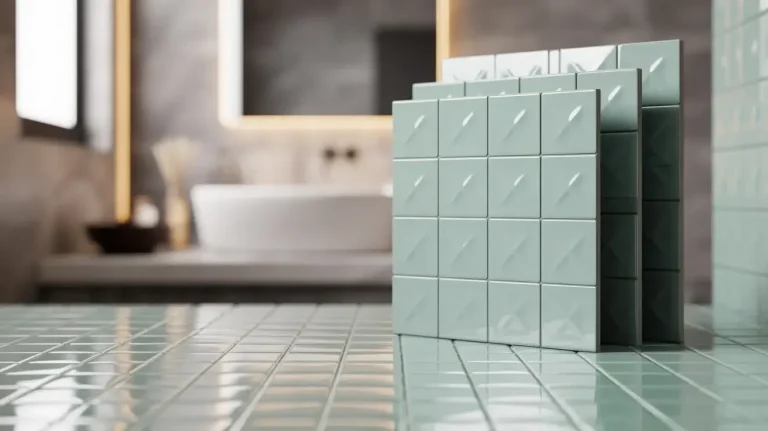
The ubiquitous 4×4 or 6×6 inch ceramic tiles, often in white, beige, or pale pastel colors, laid with wide, often discolored grout lines, are a hallmark of bathrooms from the 80s, 90s, and early 2000s. These small tiles can make a space feel busy and visually cluttered, and the wide grout lines tend to attract dirt and mildew, quickly looking grimy and old. This combination creates a choppy, dated aesthetic that is hard to ignore, especially when paired with matching tub surrounds.
Modern tile trends favor larger format tiles, which create a more seamless, expansive look with fewer grout lines, making the space feel bigger and cleaner. Consider rectangular subway tiles with tight, color-matched grout for a classic yet updated feel, or large format porcelain tiles that mimic natural stone or wood. For a touch of luxury, explore smaller mosaic tiles on an accent wall or shower floor, but always with fine grout lines. Updating your tile can dramatically refresh your bathroom, providing a sophisticated and low-maintenance surface.

Small, square tiles with wide, discolored grout lines are a common culprit for making a bathroom look instantly dated and dingy.
21. Cheap Acrylic/Fiberglass Bathtub Surrounds
Many bathrooms from past decades feature cheap, thin acrylic or fiberglass bathtub surrounds, often in off-white or beige, that were installed as a quick, inexpensive solution. These surrounds tend to yellow, scratch, and crack over time, showing their age through discoloration, stains, and general wear. They often look flimsy and lack the substantial feel of true tile or solid surface materials, immediately diminishing the perceived quality and modernity of your bathroom, making it feel builder-grade and uninspired.
Upgrading your bathtub surround to elegant tilework or a high-quality solid surface material is one of the most impactful changes you can make to elevate your bathroom’s aesthetic. Large format porcelain tiles, subway tiles, or natural stone slabs create a luxurious, durable, and easy-to-clean surface that transforms the entire bathing area. This investment not only enhances the visual appeal but also adds significant value and longevity to your bathroom, ensuring it feels fresh and inviting for years to come.

Thin, yellowed acrylic or fiberglass bathtub surrounds are often scratched and stained, instantly revealing a bathroom’s age.
Conclusion
Transforming your bathroom from a time capsule to a modern sanctuary doesn’t have to be an overwhelming endeavor. By identifying and addressing these 21 common dated decor ideas, you’re taking significant steps toward creating a space that feels fresh, functional, and truly reflective of contemporary style. Remember, even small changes, like updating fixtures or replacing a busy wallpaper, can have a dramatic impact on the overall feel of the room. Embrace the power of decluttering, choose cleaner lines, and opt for timeless materials and neutral palettes to ensure your bathroom’s refreshed look endures for years to come. Now, go forth with confidence and start planning your stunning bathroom transformation!