Top 17 Entryway Fall Home Decor Welcome Ideas for a Warm First Impression
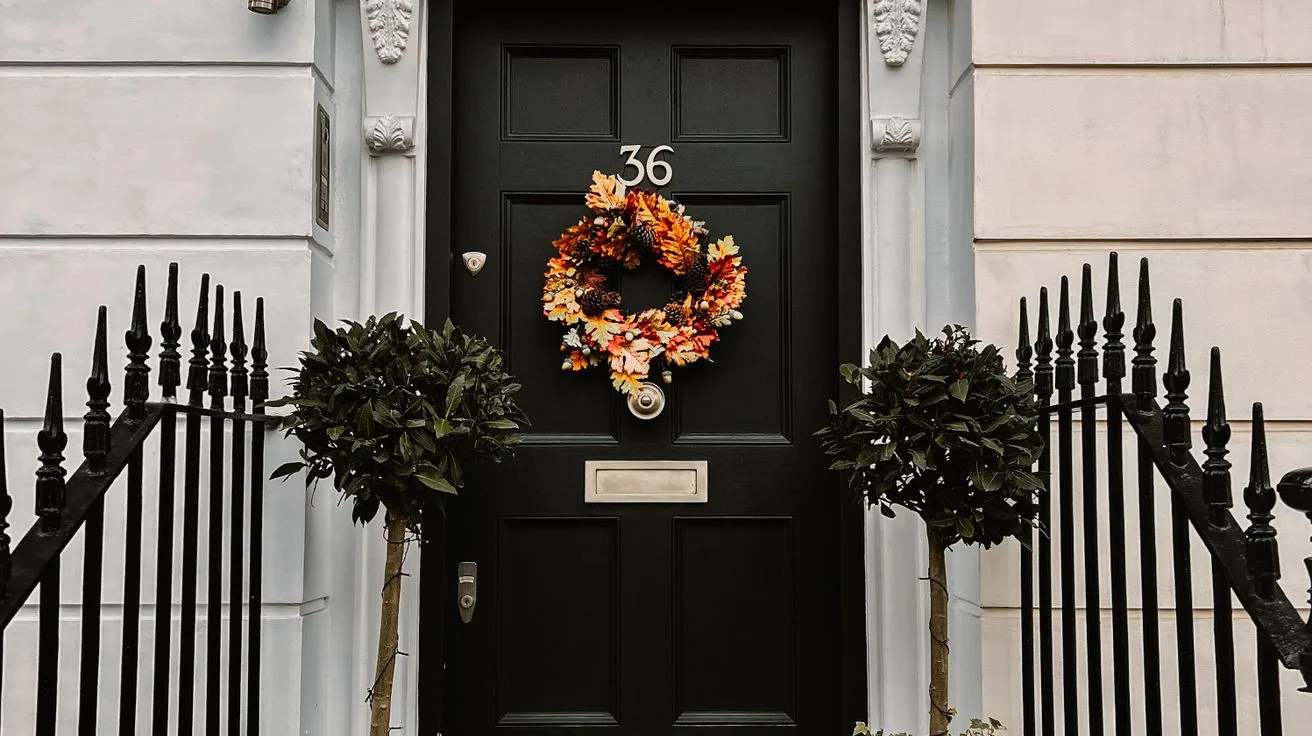
Your entryway is the first thing guests see and the last thing you pass on your way out, so when fall arrives it deserves more than a single pumpkin by the door. A thoughtful entryway fall home decor welcome sets the tone for the whole house: warm colors, natural textures, and a few seasonal touches that say autumn lives here, not just on the calendar. It is also the easiest room in the house to decorate for the season, because a small space needs only a few well-chosen pieces to feel completely transformed.
In this guide you will find 17 entryway fall home decor welcome ideas you can mix, match, and layer, from a statement wreath and layered doormats to a console-table vignette, cozy bench styling, and warm lantern light. Every idea includes what to buy, what it costs, and the styling moves that keep the look warm and welcoming instead of cluttered. Most of these ideas take under an hour and cost less than a dinner out, so you can refresh the whole entry in a single weekend afternoon.
Save this list before your fall decorating weekend. The ideas build on each other — start with the door, add the floor, then style the console — and they photograph beautifully for Pinterest too.
Overview
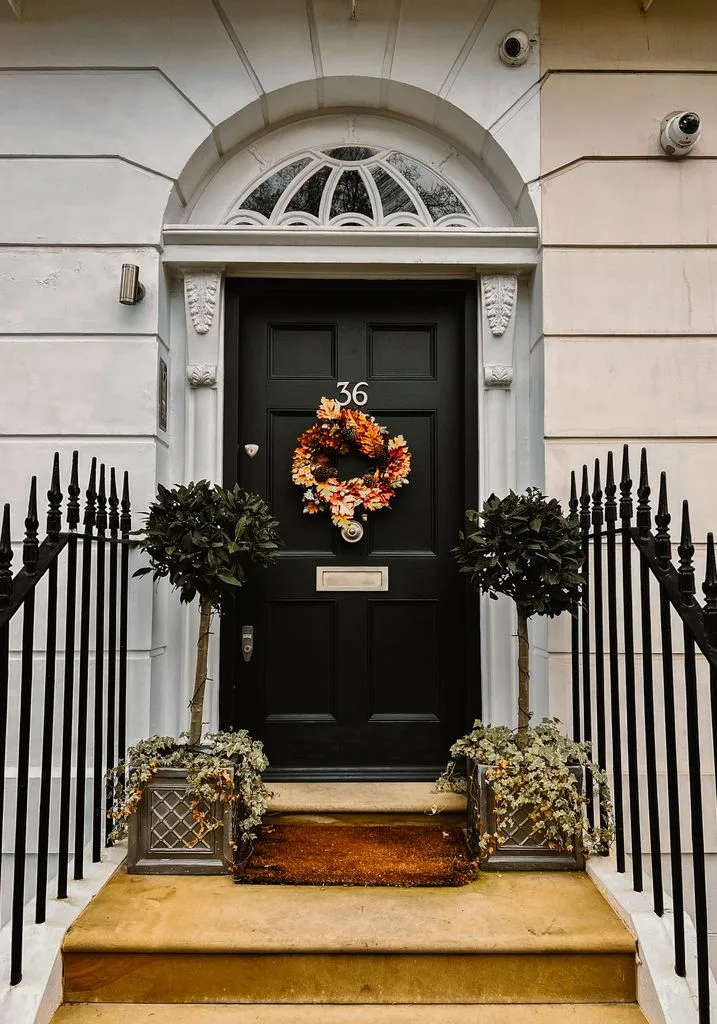
An entryway fall home decor welcome works best when it follows the same rules as the rest of your fall decorating, just on a smaller stage. The palette is warm and grounded: burnt orange, rust, deep gold, warm brown, and creamy neutrals, with touches of sage or dusty plum if your home leans cooler. The textures do the heavy lifting — woven baskets, chunky knits, natural wood, dried grasses, and matte ceramics — because texture is what makes a small space feel cozy rather than just orange.
The trick is layering in threes: something on the door, something on the floor, and something on the console or bench. One strong fall moment per surface is enough; the entryway is a pass-through space, and overfilling it makes the room feel smaller and harder to use. Keep the walkway clear and let the seasonal pieces earn their place by doing a job — holding coats, catching keys, or warming up the light — as well as looking beautiful.
Key Takeaways
- Start at the door: a wreath, layered doormats, and a pumpkin cluster outside set the welcome before anyone steps inside.
- Layer in threes: one fall moment on the door, one on the floor, and one on the console keeps the small space balanced.
- Warm texture beats bright color: woven baskets, chunky knits, wood, and dried stems make the entry feel cozy without going overboard on orange.
- Keep it functional: hooks, baskets, and a bench must still work for coats, shoes, and keys — decoration should never block the walkway.
- Repeat one accent color: pick rust, gold, or plum and echo it in three places so the entry feels designed, not random.
- Swap, don’t store everything: change textiles, the wreath, and one vignette per season; the furniture and baskets stay all year.
1. Statement Fall Wreath on the Front Door
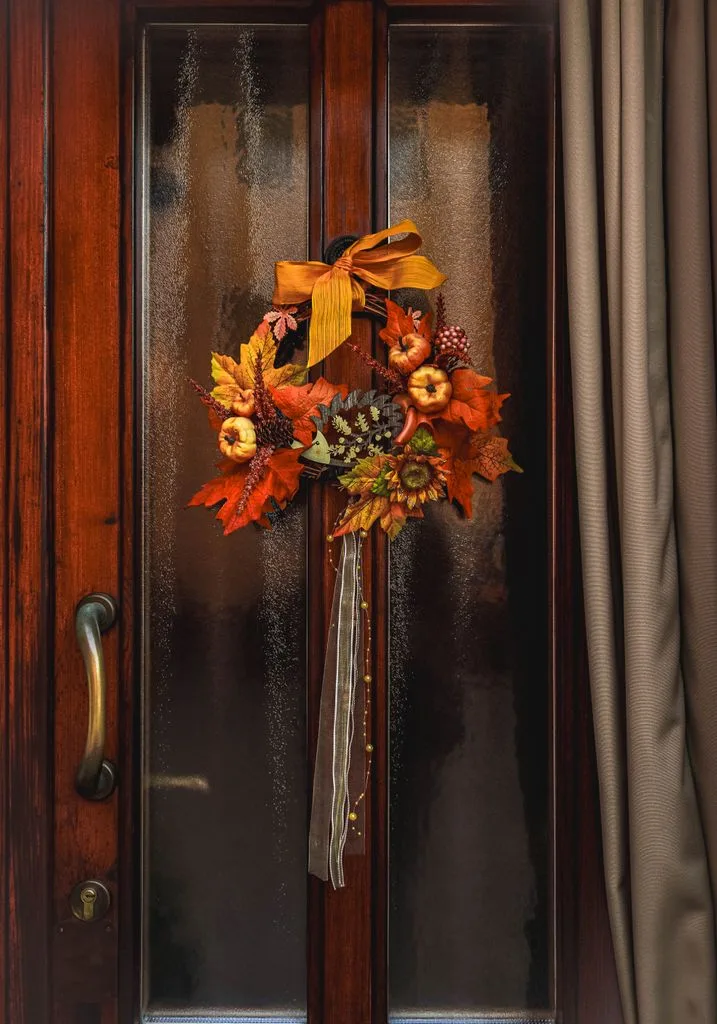
Nothing says fall welcome faster than a full, generous wreath on the front door, and this is the single highest-impact move on the list. Choose a wreath at least 24 inches across — small wreaths disappear on a standard door — in dried leaves, eucalyptus, wheat, berries, or mini pumpkins, and hang it at eye level with a sturdy over-door hook or a magnetic wreath hanger so the door itself stays undamaged. A quality faux wreath runs $30–$80 and lasts for years, while a fresh dried-leaf wreath costs $25–$50 and lasts one season beautifully.
Match the wreath to your door color: warm oranges and rusts pop on navy, black, and dark green doors, while cream, sage, and gold wreaths look best on warm wood or white doors. Add a simple plaid or velvet bow at the bottom if the wreath feels bare, but skip glitter and plastic fruit — natural materials photograph better and age more gracefully. When the season ends, store the wreath in a wreath bag or a pillowcase so it keeps its shape.
2. Layered Doormats for a Warm Welcome
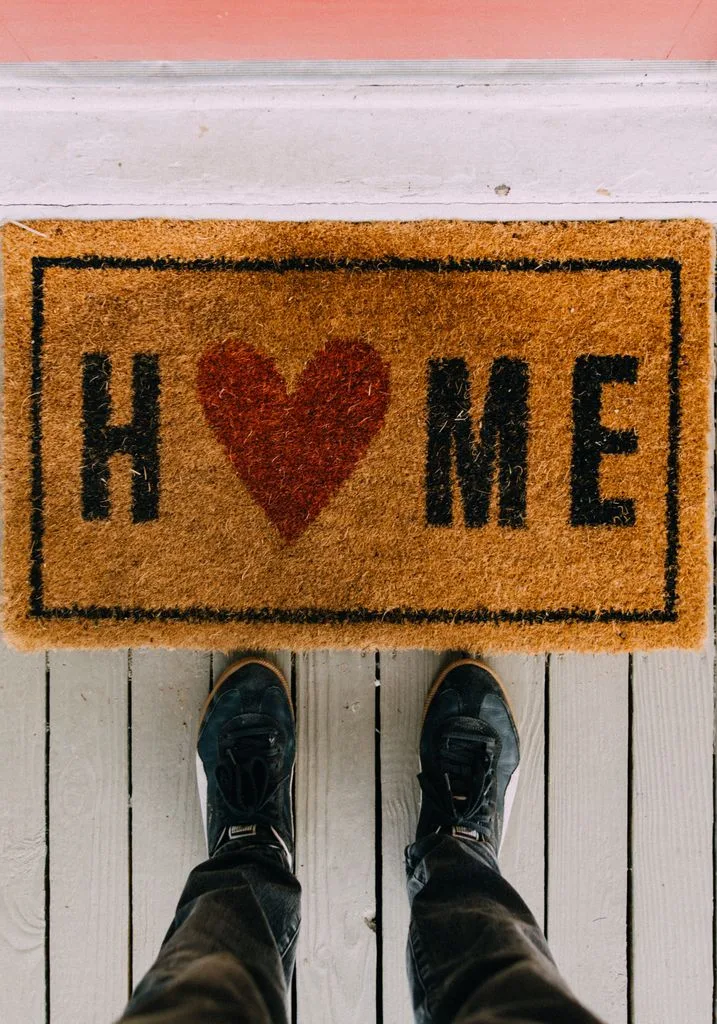
Layering two doormats is the oldest stylist trick for an entryway, and in fall it instantly makes the door feel dressed. Start with a larger flat-weave or jute rug underneath — about 24 by 36 inches for a standard door — then layer a smaller coir or patterned mat on top, offset slightly so both layers show. The bottom layer adds texture and catches dirt, while the top layer carries the seasonal message — a simple “Hello Fall” script or a plaid border in rust and cream.
Choose outdoor-safe materials for both layers if they sit outside the door, and a low pile so the door still swings freely over them. A jute layer runs $20–$40 and a coir top mat $15–$35, so the whole layered look costs under $75 and takes two minutes to set up. Shake both mats out weekly and the layers stay crisp all season; when fall ends, swap only the top mat and keep the jute layer for winter.
3. Console Table Autumn Vignette
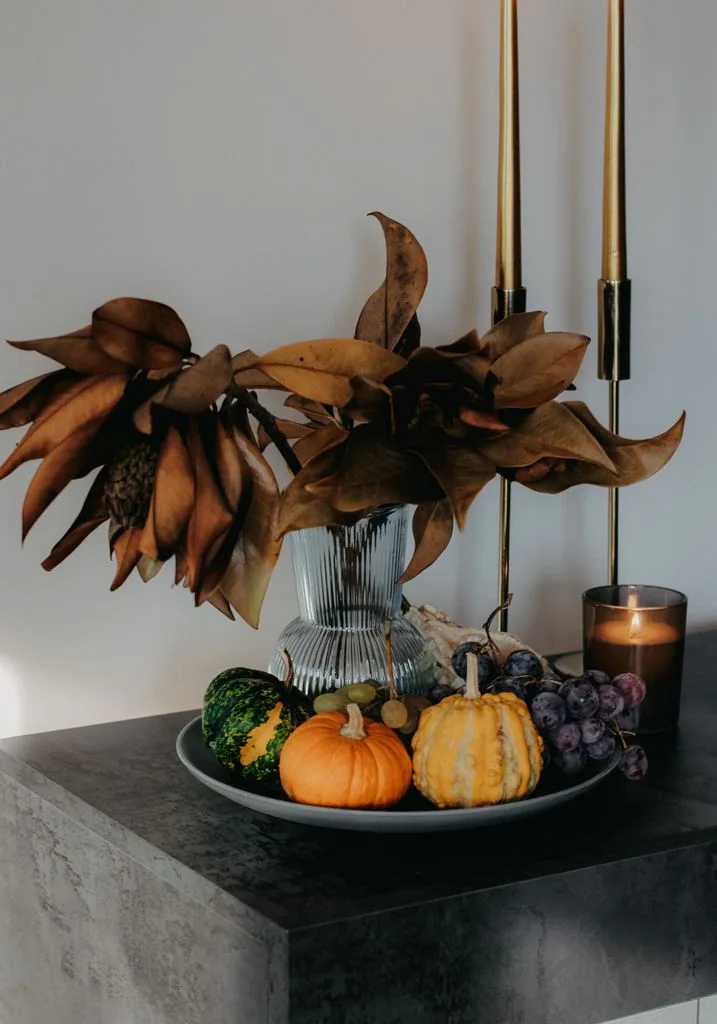
If you have a console table in your entryway, its top is your fall canvas — a small vignette here does more work than any other single idea indoors. Build it in three heights: a tall vase of dried pampas grass or eucalyptus at one end, a medium stack of two books topped with a small ceramic pumpkin in the middle, and a low bowl of pinecones or a short candle cluster at the other end. The height variation keeps the eye moving, and the mix of tall, medium, and low stops the display from looking like a flat row of objects.
Keep the palette tight: three colors maximum, with one warm accent repeated — rust, gold, or deep green — against neutral wood and cream ceramics. Leave one-third of the tabletop empty so keys, mail, and a handbag still have a home, and corral the vignette on a wooden tray if the table doubles as a drop zone. A tray also makes the whole display liftable in one move. Swap the pumpkins for greenery in December and the same bones carry you into winter.
📌 Related Articles:
4. Pumpkin Cluster by the Door
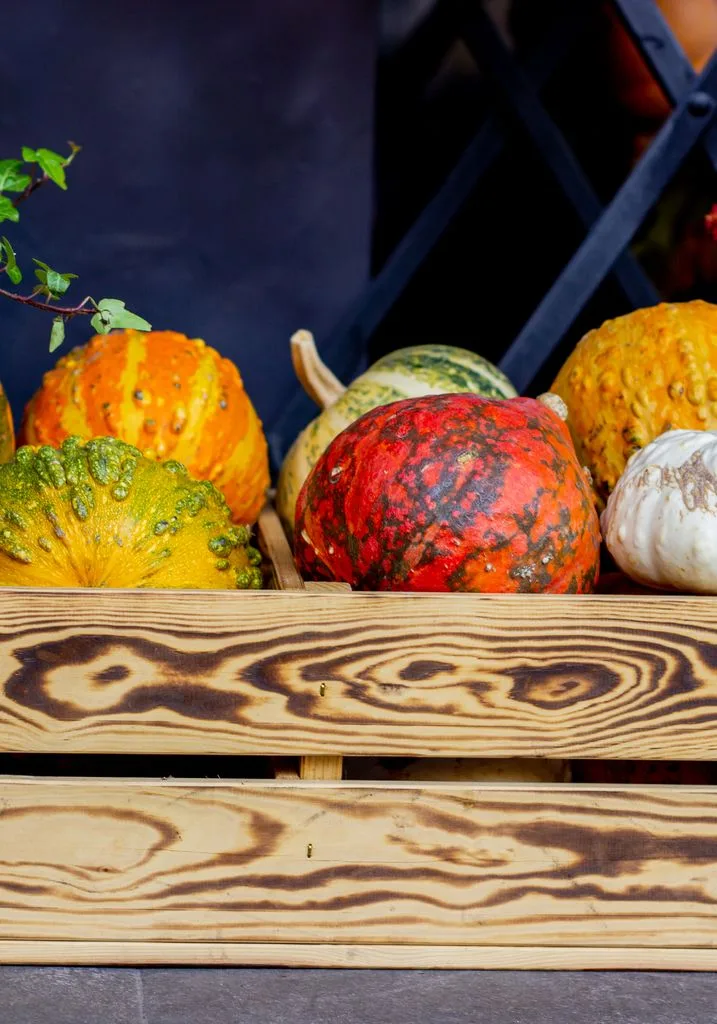
A cluster of pumpkins beside the front door is the classic fall welcome, and the secret is grouping them like a stylist: odd numbers, mixed sizes, and mixed colors. Three to five pumpkins in white, pale green, and classic orange, with one tall heirloom pumpkin anchoring the group, looks intentional where a single row of identical orange pumpkins looks like a grocery display. Set the largest pumpkin at the back, medium ones in front, and tuck a small gourd or a sprig of dried leaves into the gaps.
Real pumpkins last three to four weeks outdoors in cool weather, so buy them in early October and replace any that soften; faux pumpkins in resin or foam cost $8–$25 each and last for years, and the best ones are matte with a realistic stem. Elevate one pumpkin on a small wooden crate or a stack of books to add height, and flank the cluster with a potted mum or a lantern for a finished look. For more outdoor entry inspiration, browse Houzz’s fall entryways roundup — the best displays mix pumpkins with mums, corn stalks, and gourds instead of relying on pumpkins alone.
5. Cozy Bench with Fall Throws
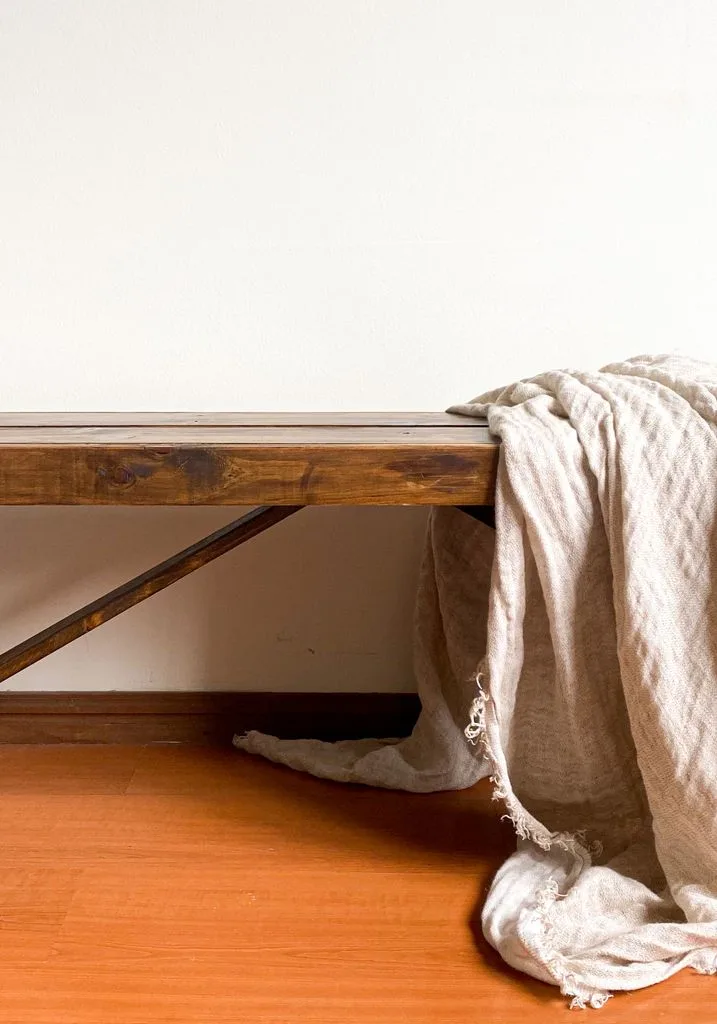
A bench turns an entryway from a hallway into a room, and in fall it is the perfect place for cozy textiles. Drape a chunky knit or plaid throw over one end of the bench — folded in thirds, not tossed — and add one or two cushions in rust, mustard, or warm plaid to soften the seat. The throw should look ready to grab on a chilly morning, because in a working entryway it will be, and that lived-in usefulness is exactly what makes the styling feel warm rather than staged.
Choose washable fabrics for anything at sitting height, since entryway textiles meet muddy shoes and wet coats, and keep the bench top clear enough to actually sit on. A simple wood bench runs $80–$200, a good throw $25–$50, and cushion covers $12–$25 each, so the whole look costs well under $300 and works year-round — just swap the throw and cushions for lighter linen in spring. Tuck boots underneath and a basket beside it, and the bench becomes the hardest-working piece of furniture in the entry.
6. Rustic Hook Rail for Coats and Scarves
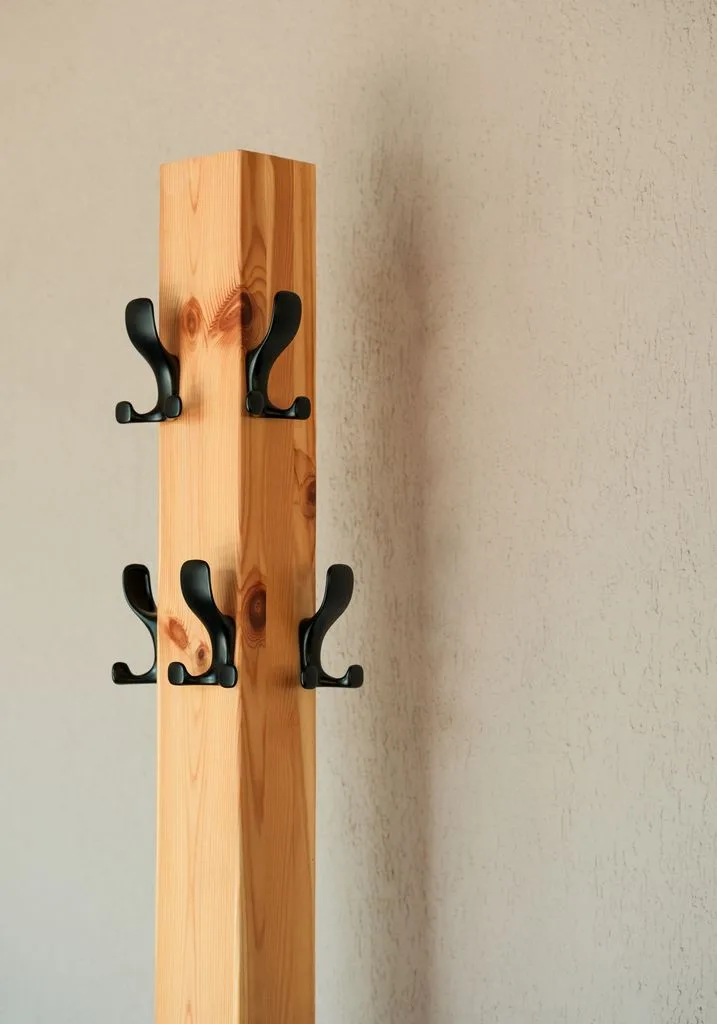
Fall means coats, scarves, and hats come back into daily rotation, and a rustic hook rail keeps them off the floor and part of the decor. Mount a wood rail with four to six sturdy hooks at about 65 inches high — high enough for long coats, low enough for kids to reach their own — and hang one scarf in a fall plaid or rust tone on an end hook as a color accent. The hooks do the organizing; the scarf does the decorating, and together they make the wall feel finished.
A solid wood hook rail costs $30–$70, and installation is a fifteen-minute job with a stud finder and a level — always anchor into studs, since a rail full of winter coats is heavier than it looks. Leave one hook empty on purpose so guests always have a spot, and keep a small tray or bowl underneath for keys and sunglasses. Apartment Therapy’s pro organizer makes the same point in her entryway organizing tips for fall: clear the clutter first, give every daily item one obvious home, and a thirty-minute declutter makes the seasonal decor shine. In a rental, a leaning ladder rail or a freestanding coat rack gives you the same function with zero holes.
7. Fall Garland Framing the Doorway
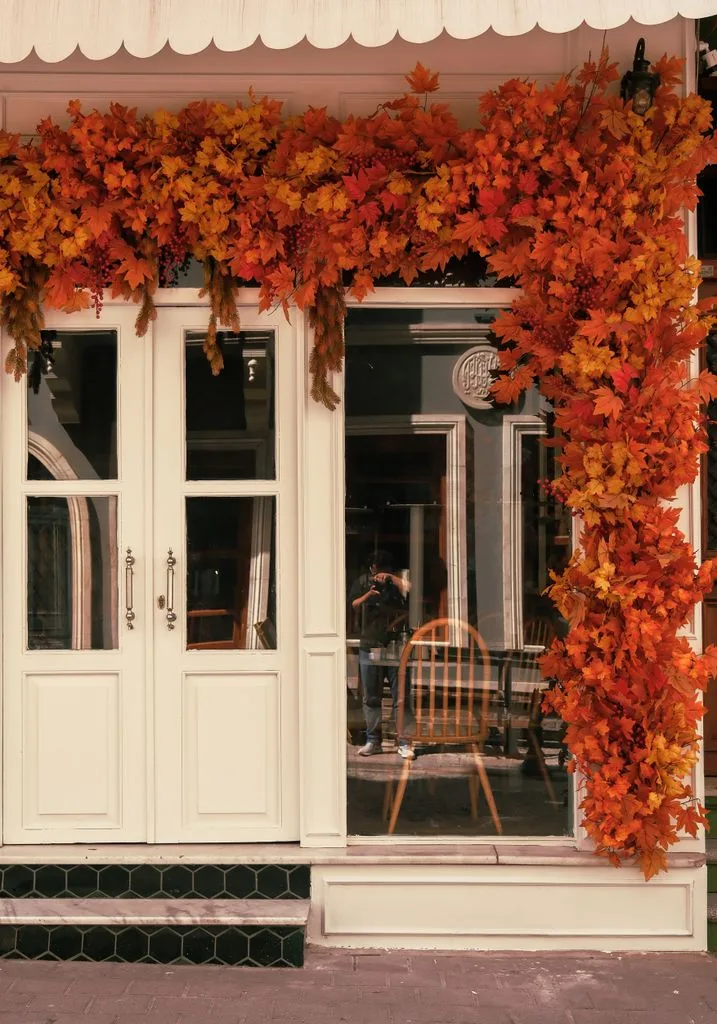
A garland draped over the doorway or along the top of a mirror turns a plain opening into a fall feature. Choose a garland of faux maple leaves, eucalyptus, or dried wheat in warm autumn tones, and swag it loosely across the top of the door frame with small removable hooks — a gentle drape with a low point in the middle looks softer and more natural than a tight straight line. A six-foot garland runs $20–$45, and one is usually enough for a standard doorway, though a double swag looks lush on wider openings.
Weave in a few extras for depth: pinecones wired into the leaves, a string of warm fairy lights tucked behind the foliage, or small dried orange slices for a harvest feel. Keep the garland high enough that tall guests never brush it, and check it weekly for shedding, since faux leaves still drop bits as they are bumped. When the season turns, the same garland base takes winter greenery with a swap of the orange accents for pinecones and berries.
8. Woven Baskets for Autumn Storage
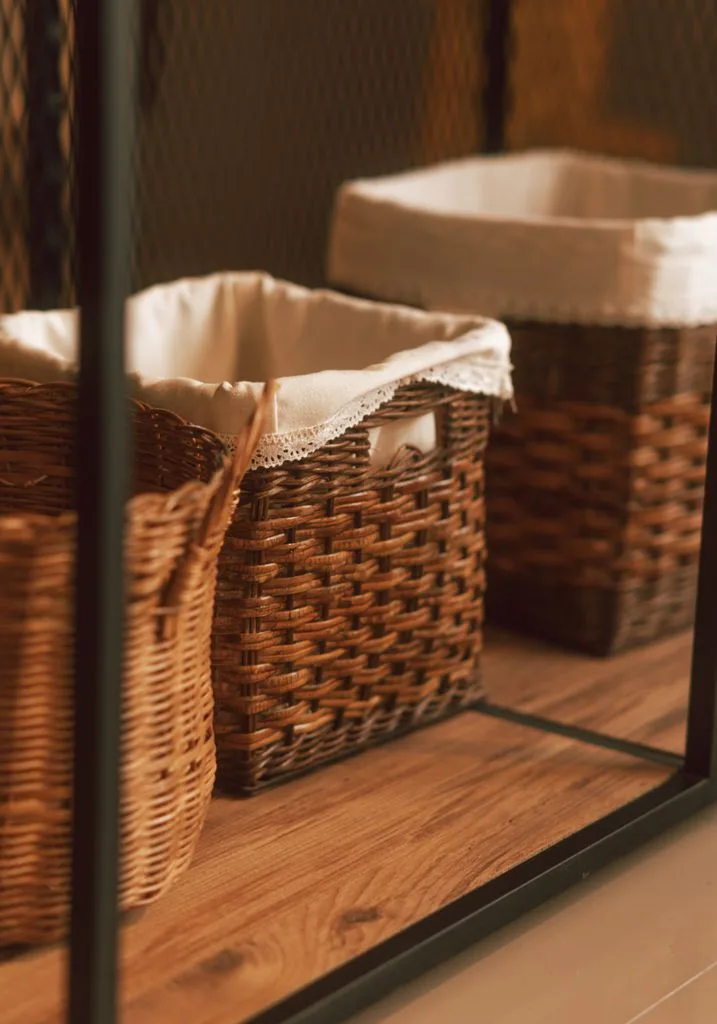
Woven baskets are the entryway’s best friend in fall, because they hide the season’s clutter — scarves, gloves, dog leashes, umbrellas — inside something beautiful. Place one large seagrass or rattan basket beside the bench for throws and scarves, a medium basket under the console for shoes, and a small lidded basket on the console for keys and sunglasses. The natural texture warms up the entry instantly, and the baskets’ soft, rounded shapes balance all the straight lines of doors and frames.
Buy baskets in the same material family but different sizes so they look collected rather than matched, and line any basket that holds damp items with a washable fabric liner. Seagrass baskets run $15–$40 each depending on size, and a set of three costs less than a single storage bench. Label nothing — in a small entry, baskets should look like decor that happens to store things, not like labeled bins. Tuck a small faux pumpkin or a bundle of dried wheat into the top basket for a seasonal nod that costs nothing extra.
9. Mirror with a Warm Autumn Frame
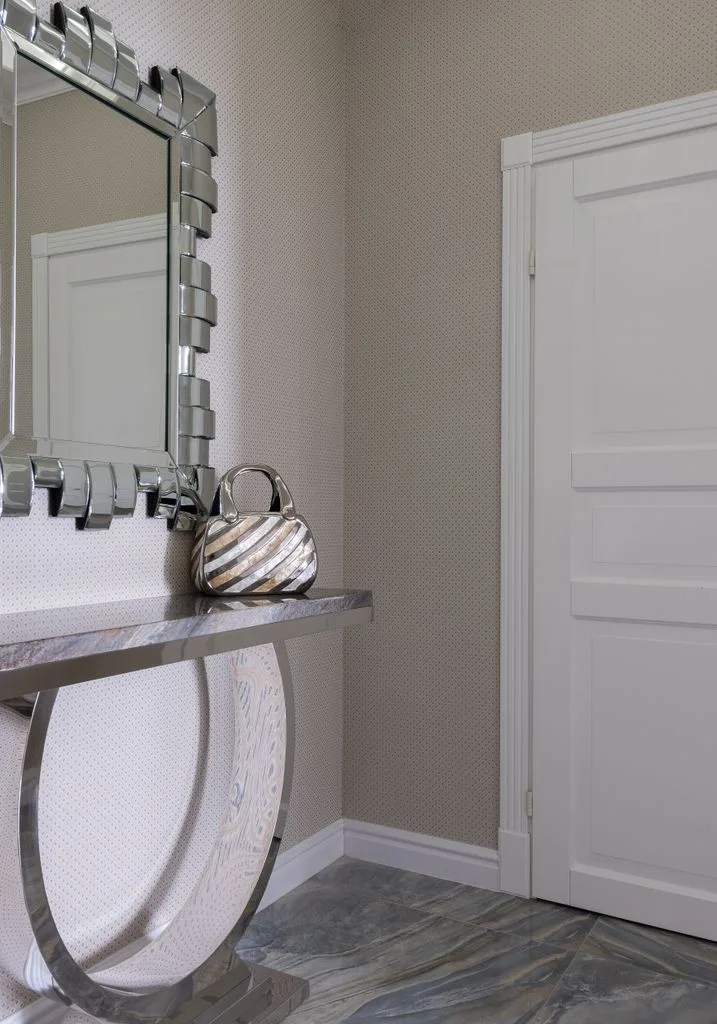
A mirror above the console table is practical — one last check before you leave — and in fall it doubles the warmth by reflecting the season back into the room. Choose a mirror with a warm frame: natural wood, brushed brass, or a dark walnut finish, in a round or arched shape to soften the entryway’s hard angles. A 24- to 30-inch mirror suits most consoles, and hanging it so its center sits at eye level, about 60 inches from the floor, keeps the reflection flattering instead of ceiling-heavy.
Style the mirror for the season by letting the console vignette reflect in it — the dried stems, the candle glow, the warm wood — rather than decorating the mirror itself. A small sprig of dried eucalyptus tucked behind one corner of the frame is the most you need; anything more competes with the reflection. A quality framed mirror runs $60–$150, and it also makes a small entryway feel larger by bouncing light from the door or a nearby window. In a narrow entry, a tall leaning mirror against the wall works just as well and needs no hanging hardware.
10. Lanterns and Candles for a Golden Glow
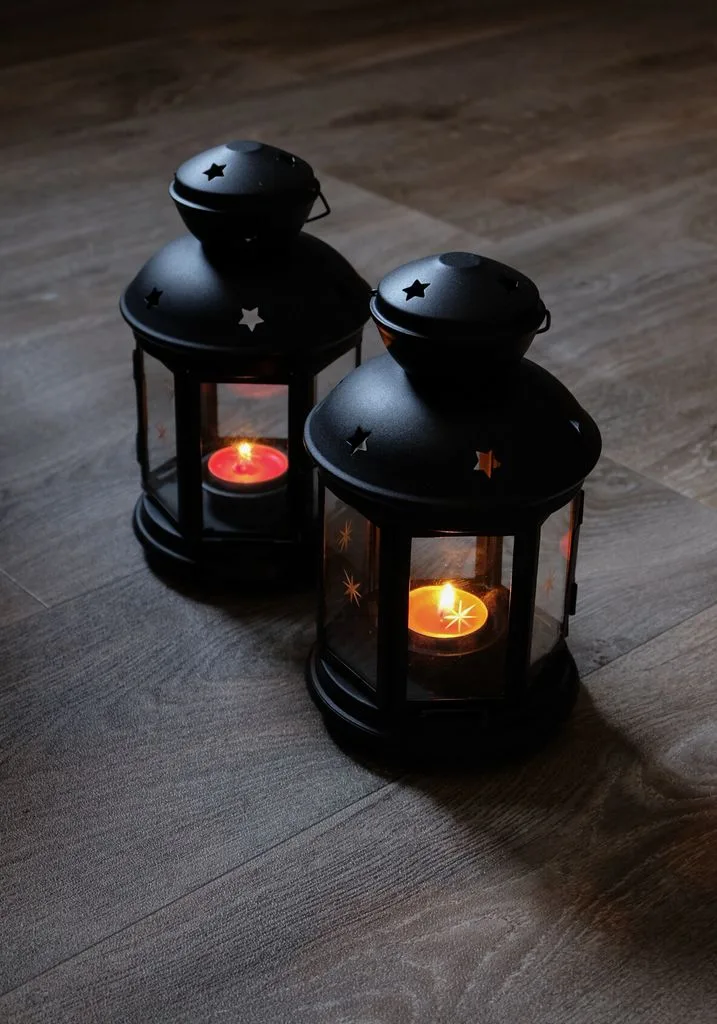
Fall evenings get dark early, and lanterns turn that darkness into the coziest part of the day. Place a pair of lanterns — one tall, one short — flanking the front door outside or beside the console inside, each holding a pillar candle or a flameless LED candle in a warm 2700K tone. The flicker makes the whole entry feel alive, and the glow photographs beautifully through the front door glass on a cold evening, which is exactly the welcome you want guests to see.
Use flameless candles anywhere the lantern sits near fabric, children, or pets, and real candles only where you can see them burn. Metal and glass lanterns run $15–$40 each, and a set of three in graduated sizes costs under $75 and styles a whole porch as well as the entry. Fill the lantern base with dried leaves, small pinecones, or a mini pumpkin for a ten-second seasonal touch, and keep one lantern by the bench so the glow follows you from the door into the house.
11. Autumn Rug Runner
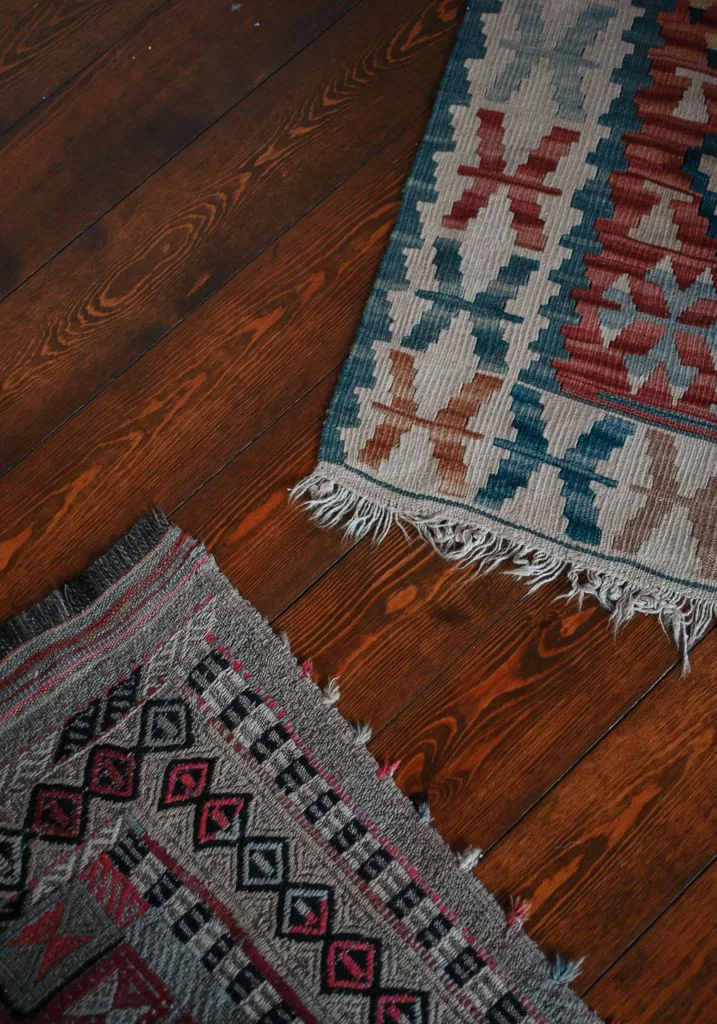
A runner is the foundation of an entryway, and a fall runner in warm tones ties the door, the bench, and the console together into one room. Look for a low-pile, washable runner in rust, terracotta, or a warm plaid, about 2.5 feet wide and long enough to run from the door to the first doorway — typically six to eight feet. The pattern should be bold enough to hide dirt and footprints, since an entryway rug earns its keep every single day.
Washable rugs have changed entryway decorating: a machine-washable runner costs $40–$90 and can go straight in the laundry after muddy October days, where a traditional wool runner would need professional cleaning. Layer it over a thin rug pad so it stays put, and leave six inches of floor showing on each side so the runner reads as a deliberate layer rather than wall-to-wall carpet. When spring comes, swap in a lighter runner and the entry feels new again for the price of one rug.
12. Dried Leaves and Branches Arrangement
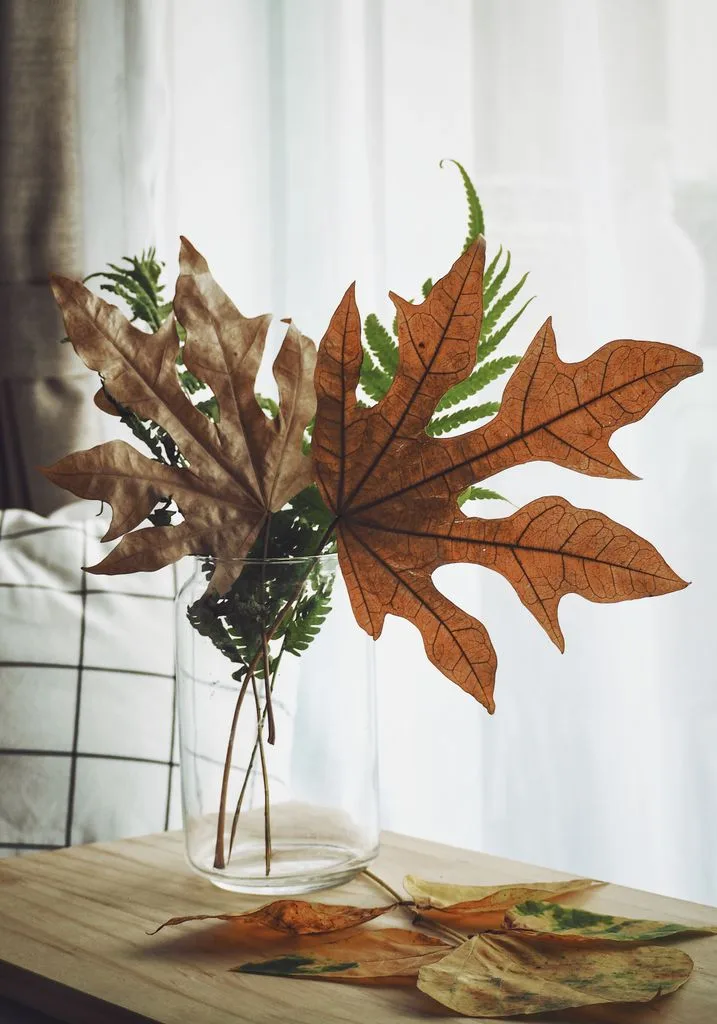
A tall vase of dried branches is the easiest fall arrangement there is — no water, no wilting, and it lasts all season. Fill a tall ceramic, glass, or woven vase with dried eucalyptus, pampas grass, maple branches, or wheat stalks, letting the stems arch naturally above the rim instead of standing stiff and straight. The arrangement should be taller than the vase by about one and a half times, and placed at the end of the console or in a floor vase beside the bench where it cannot be knocked over.
Gather branches from your own yard for free — maple, oak, and birch branches with their fall color still on are the best — or buy a dried bundle for $10–$25 at a craft store. A tall vase runs $20–$50, and the same vase holds fresh greenery in winter and cut flowers in spring, so it earns its shelf space all year. Keep it away from the door’s swing path, shake it gently outdoors once a week to control shedding, and remember one strong arrangement beats three small ones in a tight entryway.
13. Welcome Sign with Fall Lettering
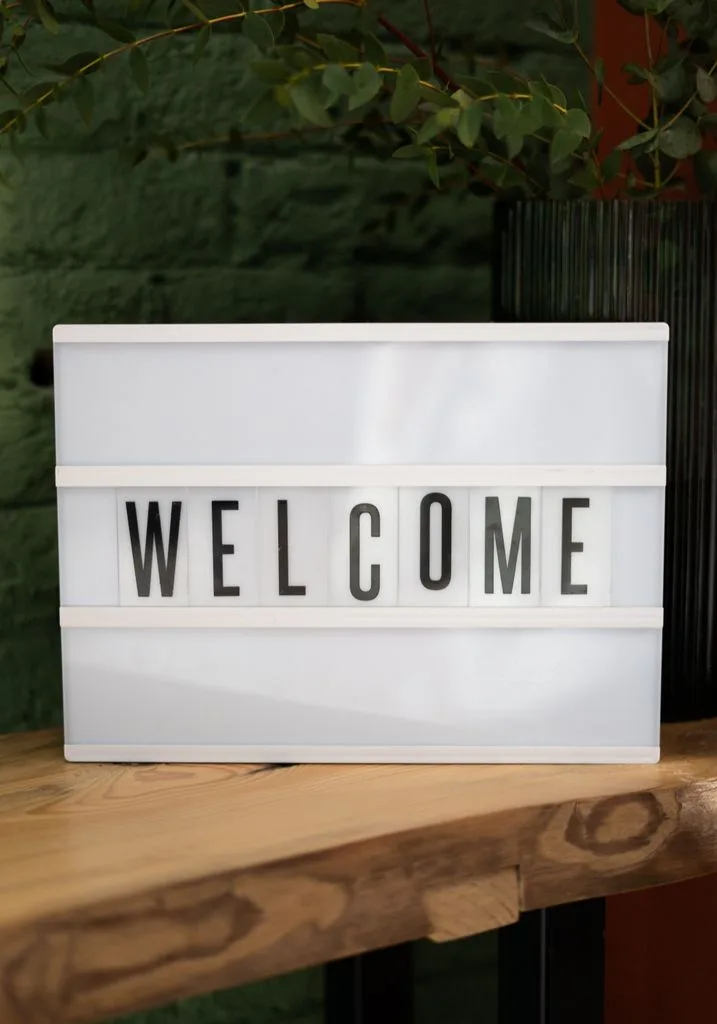
A welcome sign is the most literal way to say fall welcome, and the trick is choosing one that looks like decor rather than a bumper sticker. A wood sign in a simple serif or script font — “Welcome,” “Hello Fall,” or “Gather Here” — in warm brown, cream, or rust lettering on natural wood suits almost any entryway, and a vertical sign beside the door or a horizontal sign above the console both work. Keep the lettering large enough to read from the doorway but small enough that the sign reads as an accent, not a billboard.
A quality wood welcome sign costs $20–$45, and the best ones are sealed so they survive a covered porch as well as an interior wall. Pair it with a pumpkin at its base or a sprig of dried leaves, and let it be the only text in the entryway — one sign with one message is welcoming; three signs with three slogans is clutter. In a small entry, a leaning sign on the console or floor works without a single nail, which makes it perfect for renters.
14. Plaid Accents in Rust and Cream
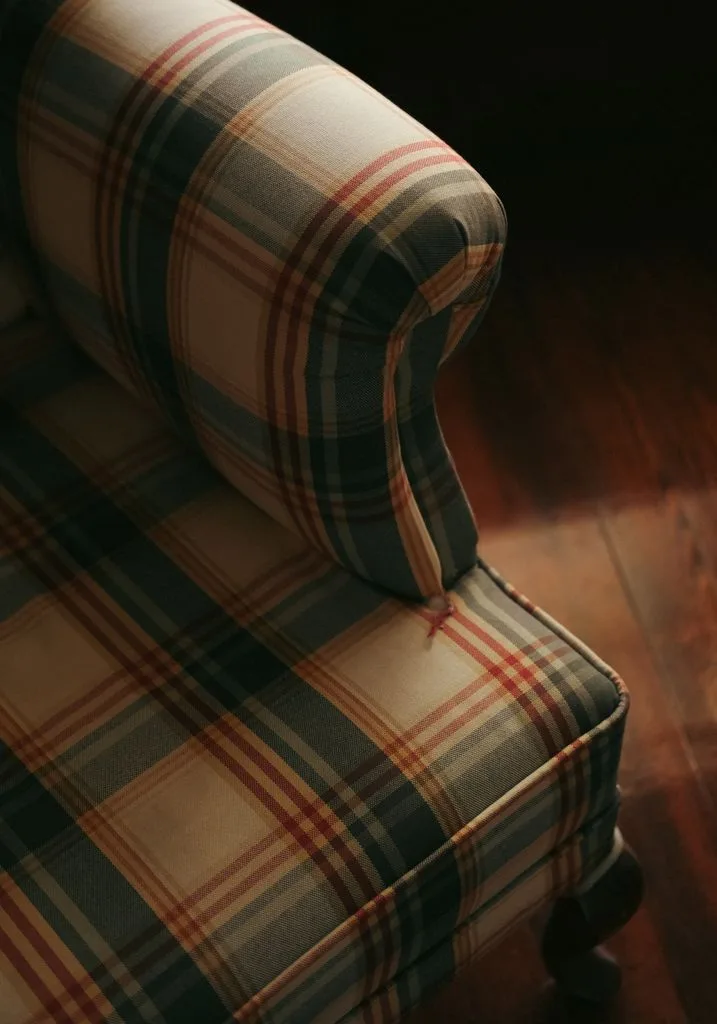
Plaid is the unofficial pattern of fall, and a few plaid accents in the entryway instantly signal the season without a single pumpkin. Drape a rust-and-cream plaid throw over the bench, add a plaid cushion or two, or lay a plaid runner at the door — one or two plaid pieces are enough, since the pattern is bold and repeats quickly. The classic fall plaids are rust and cream, black and red buffalo check, and muted green and gold, and any of them pairs beautifully with natural wood and woven textures.
Keep the plaid scale in proportion to the space: a large buffalo check suits a big bench cushion, while a finer tartan works better on a small pillow or a runner. Plaid throws run $25–$50, cushion covers $12–$25, and a plaid runner $30–$60, so the whole pattern story costs under $100. Mix plaid with solids only — never with another busy pattern — and the entry stays calm. When winter arrives, the same plaid pieces work with greenery and red accents, so they earn their keep for two seasons.
15. Warm Layered Lighting
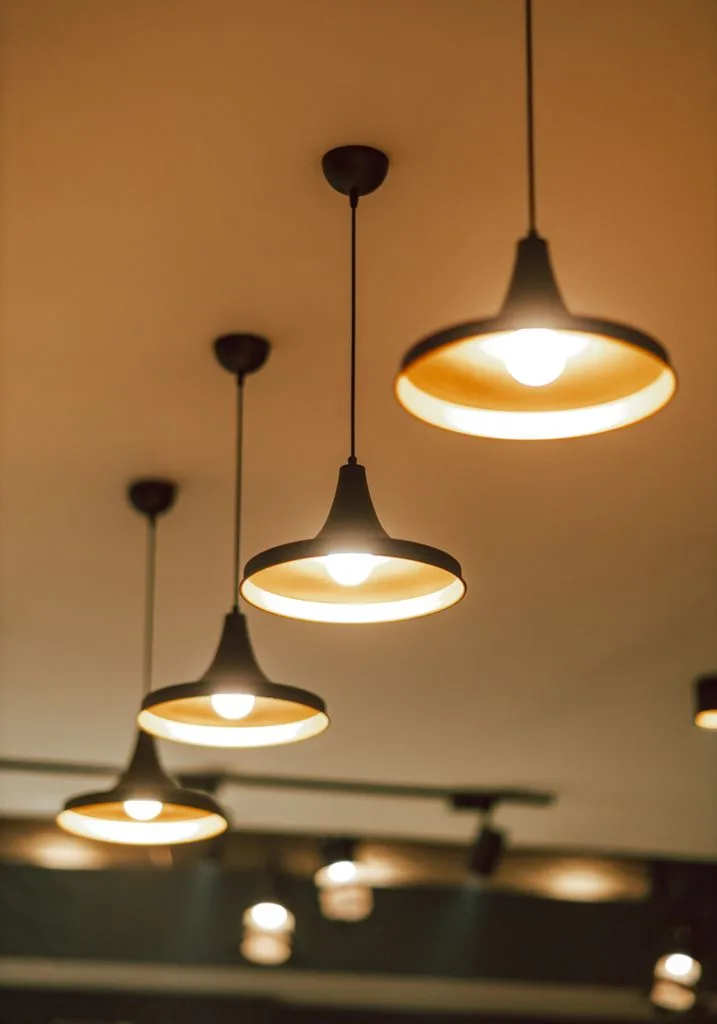
Good lighting is what makes a fall entryway feel warm instead of just decorated, and layering two light sources beats one bright overhead every time. A small table lamp on the console with a warm 2700K bulb gives the vignette a golden glow, while a wall sconce or a pendant by the door adds a second layer of light at a different height. Together they erase the harsh shadows a single ceiling fixture creates and make the entry feel like a room you want to linger in.
Choose lampshades in warm linen or cream — they diffuse the light softly — and put the console lamp on a timer so the entry glows before you even get home. A small ceramic or wood table lamp runs $30–$70, and a pair of battery-operated candles on the console adds a third layer of flicker for under $15. Avoid cool white bulbs entirely in fall; anything above 3000K makes the rusts and golds look gray. In a dark entry with no window, warm lighting matters even more than decor.
16. Harvest Centerpiece on the Console
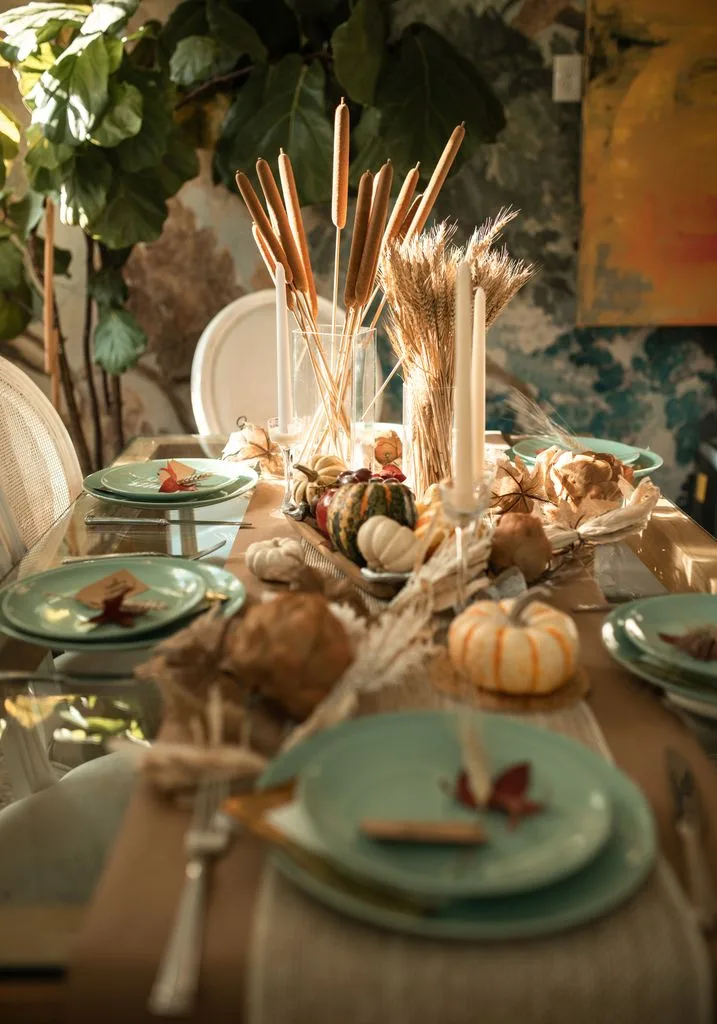
A harvest centerpiece turns the console table into the entryway’s focal point, and the best ones are built from the season’s own materials. Start with a low wooden tray or a shallow dough bowl, then fill it with mini pumpkins, pinecones, dried orange slices, cinnamon sticks, and a few sprigs of eucalyptus, arranging the tallest pieces in the middle and the lowest at the edges. The whole arrangement should stay below eye level so it never blocks the mirror or the view across the room.
A dough bowl costs $25–$45, the fillers $15–$30 all together, and the centerpiece takes ten minutes to build and seconds to refresh — swap a soft pumpkin, add a fresh sprig, and it looks new again. Keep it low and contained on its tray so the console still has room for keys and mail, and skip scented fillers if anyone in the house is sensitive — the cinnamon sticks give a gentle natural scent on their own. This is the one vignette guests always comment on, so build it last, when the rest of the entry is already in place.
17. Personal Touches — Family Photos in Fall Frames
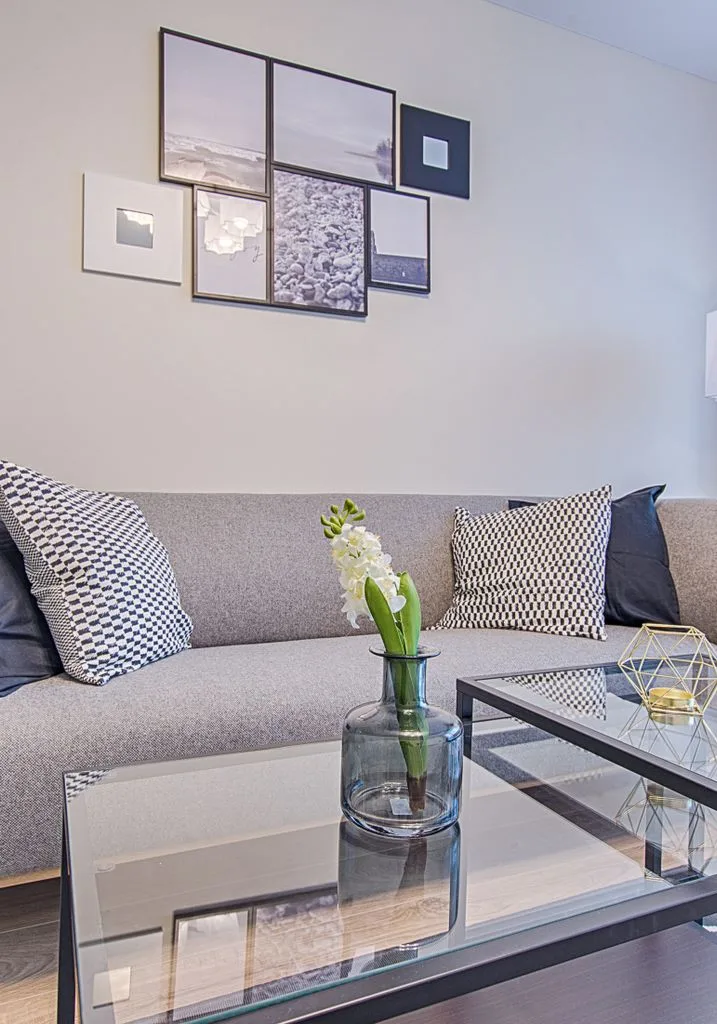
The most welcoming entryways are the personal ones, and fall is the perfect moment to swap in seasonal family photos. Choose two or three favorite photos — a pumpkin-patch visit, a fall hike, a Thanksgiving table — and print them in warm tones, then frame them in wood, brass, or matte black frames that match the entryway’s palette. A small cluster of frames on the console or a short row on the wall above the bench makes the entry feel lived-in and loved, which no store-bought decor can fake.
Mix one photo frame with one seasonal object — a small pumpkin, a candle, a sprig of dried leaves — so the display reads as fall styling, not a photo gallery. Frames cost $10–$25 each, prints $2–$5, and the whole project takes under an hour including the printing. Update the photos each season and the entryway becomes a quiet family timeline guests notice and remember. Keep frames at eye level, away from the door’s swing, and dust them weekly — entryway frames collect dust faster than any others in the house.
How to Choose the Right Fall Entryway Style
Start with your home’s existing style and let fall adapt to it, not the other way around. A modern home suits matte black lanterns, cream pumpkins, and eucalyptus in a simple vase; a farmhouse entry loves plaid, wood signs, and galvanized buckets of mums; a traditional home takes brass, deep reds, and a classic leaf wreath beautifully. The seasonal pieces should feel like your home dressed for fall, not like a different house moved in for October.
Next, measure before you buy: the console’s width, the bench’s length, the door’s clearance, and the walkway’s width. A vignette that is wider than its console looks crowded, and a runner that is wider than the hallway trips people up. Buy the big pieces first — wreath, runner, bench textiles — then fill in with the small accents, and always leave breathing room on every surface.
Budget: What a Fall Entryway Costs
A complete fall entryway refresh costs far less than most rooms, because the space is small and the pieces are simple. A budget refresh runs $75–$150: a faux wreath, a layered doormat set, a few pumpkins, and a candle cluster. A mid-range refresh runs $150–$350, adding a runner, a throw and cushions, lanterns, and a console vignette. A full refresh with a new bench, mirror, and hook rail runs $400–$700, but most of that is furniture you will use all year.
Save money by reusing the bones: baskets, trays, vases, lanterns, and the bench stay year-round, and only the textiles, the wreath, and the small seasonal fillers change. Buy pumpkins and mums fresh each year, but invest once in a quality faux wreath, a washable runner, and solid lanterns — those three pieces carry the look and last for years. Shop end-of-season sales for next year’s wreath and garland, and gather branches, pinecones, and leaves from your own yard before buying anything decorative.
Common Mistakes to Avoid
The biggest mistake in a fall entryway is overfilling it. A small space with a wreath, a garland, three pumpkin clusters, two signs, and a full console vignette feels like a store display, not a home, and it blocks the walkway you use every day. Pick three hero moments — door, floor, console — and let everything else be quiet. If you have to step around your decor to get your coat, something needs to go.
The second mistake is forgetting function: an entryway that looks beautiful but has nowhere to put keys, coats, and shoes fails within a week. Keep hooks empty for guests, keep one basket free for daily clutter, and keep the console’s drop zone clear. The third mistake is going all-orange with no neutrals to rest the eye — balance every orange piece with cream, wood, or sage, and the color feels rich instead of loud. Finally, skip the glitter and plastic fruit; natural materials age gracefully, photograph better, and look expensive even when they are not.
📌 Also Read:
FAQ
How do I decorate a small entryway for fall?
Focus on three spots: the door, the floor, and one surface. A wreath, a layered doormat, and a small console vignette or a single lantern on a bench are enough to make a small entry feel fully dressed for fall. Keep the walkway clear, use vertical space with a mirror or hook rail, and choose smaller pumpkins and slimmer garlands so the decor never crowds the room.
When should I put up fall entryway decor?
Mid to late September is the sweet spot for most homes — early enough to enjoy the season, late enough that pumpkins last until Halloween. Put up the wreath, runner, and textiles first, then add real pumpkins in early October so they stay fresh. Take the Halloween-specific pieces down on November 1st and let the harvest pieces carry you through Thanksgiving.
What colors work best for a fall entryway?
Warm, grounded colors work best: burnt orange, rust, deep gold, warm brown, and cream, with sage or dusty plum as a cool counterpoint if your home leans modern. Pick one accent color and repeat it in three places — wreath, cushions, and a candle, for example — and keep the rest neutral so the entry feels designed rather than random.
How do I keep my fall entryway from looking cluttered?
Follow the rule of three: one fall moment on the door, one on the floor, and one on the console or bench. Leave one-third of every surface empty, keep the walkway completely clear, and corral small items on a tray or inside a basket. If a piece does not earn its place by holding something or warming the light, it is extra.
Can I decorate my entryway for fall on a budget?
Yes — a warm, complete fall entryway costs $75–$150 if you reuse what you already own. A faux wreath, a layered doormat, a few pumpkins, and a candle cluster do most of the work. Gather branches and pinecones for free, swap only the textiles and the wreath each year, and invest once in a washable runner and good lanterns that last for years.
Conclusion
Your entryway is the handshake of your home, and fall is the season it gets to be its warmest self. Start with the door — a wreath, layered mats, and a pumpkin cluster — then add the floor with a runner and baskets, and finish the console with a vignette, a mirror, and a little golden light. None of these ideas needs a renovation or a big budget — just an afternoon, a few thoughtful choices, and the willingness to let the season in.
Pin this guide to your fall decor board before you start shopping, so every idea is saved in one place for your decorating weekend — and for next fall, when you will want the whole list again. Then pick your three favorites, start at the front door, and let the welcome build from there.