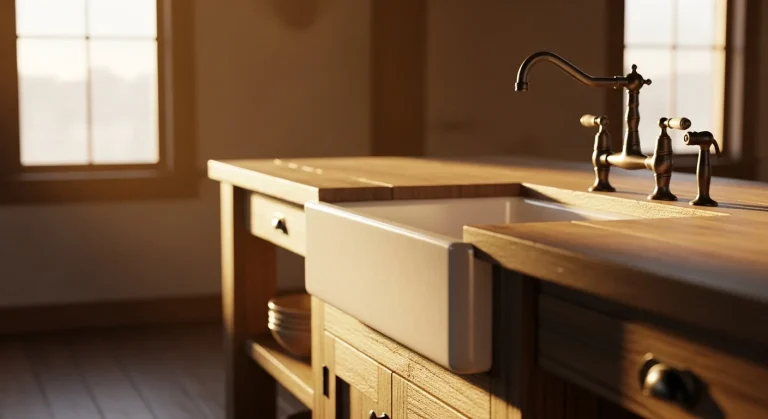
21 Subtle Haunted Kitchen Touches for a Chic, Eerily Elegant Home

The kitchen, often revered as the bustling heart of the home, can also be an exquisite canvas for intriguing ambiance, especially when a love for the macabre or the enchantment of the season beckons. Forget the overt gore and plastic spiders; we’re diving deep into the sophisticated art of subtle, elegant haunting. Imagine a space where history whispers from every corner, where forgotten tales linger in the shadows, and where a delicate touch of the ethereal elevates your everyday decor, captivating all who enter.
If you’re looking to infuse your culinary sanctuary with an air of elegant spookiness that feels less ‘costume party’ and more ‘haunted manor chic,’ you’ve come to the perfect place. We’ve curated 21 ingenious, Pinterest-worthy ideas that blend seamlessly into your existing trendy kitchen aesthetic, creating an atmosphere of refined mystery. From vintage curios that tell a story without uttering a word to clever lighting tricks that play with perception, these touches are designed to be both eye-catching and subtly eerie, transforming your kitchen into a space where the past and present beautifully intertwine.
1. Antique Silverware Cluster
The charm of an aged piece often lies in the silent stories it could tell, and a small collection of antique silverware is no exception. Instead of your gleaming modern cutlery, introduce a handful of slightly tarnished, intricately designed forks or spoons. These pieces, perhaps gathered from an antique market or a grandparent’s attic, carry a visible history that instantly adds a layer of depth to your kitchen, evoking an era long past. Display them casually in a rustic ceramic crock or laid artfully on a vintage tray to maximize their understated spectral appeal.
The slight oxidation on the silver, the faint scratches, and the unique patterns from a bygone era create a visual narrative of long-forgotten dinners and phantom guests. They aren’t overtly scary, but rather evoke a sense of timelessness and a gentle reminder of all the hands that once held them. This subtle touch suggests an enduring presence, making your kitchen feel both elegant and quietly haunted, perfect for those who appreciate history with a ghostly twist.

Elevate your kitchen’s mystique with a simple cluster of antique silverware. Each piece whispers tales from a forgotten past, adding a touch of elegant haunt to your modern space.
2. Mismatched Vintage Plates
Introduce a hint of eccentricity and history by incorporating one or two mismatched vintage plates or small bowls into your open shelving or display cabinet. Opt for designs that have an old-world charm – perhaps delicate floral patterns that are slightly faded, or a simple, rimmed design in an unusual, muted color. The key is for these pieces to subtly stand out from your regular tableware, looking like they belong to a different time or a forgotten family dinner set. They hint at a history that predates your current decor.
This seemingly small detail creates a fascinating visual contrast, suggesting a narrative where these items have been carefully preserved or perhaps rediscovered. They don’t scream ‘haunted,’ but rather whisper ‘historic presence.’ The slight incongruity sparks curiosity, inviting observers to wonder about the hands that once washed them or the meals they once held. It’s a chic, understated way to infuse your kitchen with a sense of enduring character and a touch of the past.

A single, subtly mismatched vintage plate on open shelving adds a touch of forgotten elegance and a whisper of history to your contemporary kitchen.
3. Worn Wooden Cutting Board
Every kitchen needs a cutting board, but opting for one with a visible history can dramatically shift the ambiance. Choose a large, deeply grooved, and beautifully worn wooden cutting board as a prominent display piece. Look for boards that show years of use – knife marks, subtle discolorations, and a rich patina that only time can create. This isn’t about cleanliness; it’s about character, suggesting countless meals prepared and stories unfolding over its surface.
Lean it against a backsplash, lay it flat as a centerpiece, or use it as a serving platter for artisanal cheeses, letting its age shine through. The worn texture and dark crevices imply a long lineage of culinary activity, hinting at phantom hands that might still be preparing feasts. It’s a grounded, tactile reminder of enduring kitchen life, making your space feel deeply rooted in tradition and perhaps even a little bit watched by past gourmands.

A deeply grooved, beautifully worn wooden cutting board adds a sense of timeless history and countless untold culinary stories to your kitchen decor.
4. Faded, Handwritten Recipe Card
Tuck a single, faded, handwritten recipe card beneath a magnet on the fridge or subtly display it in a small, vintage frame on the counter. The key is authenticity – find a card written in an old-fashioned script, perhaps with ingredients that seem a little archaic or notes that hint at a family secret. The paper might be yellowed, with faint grease stains or watermarks, telling a story of countless uses. This detail is intensely personal and evokes a strong sense of nostalgia.
This small, unassuming piece instantly conjures the image of a phantom chef, perhaps a beloved matriarch, whose spirit still watches over the kitchen. It’s a powerful, yet incredibly subtle, reminder of traditions and recipes passed down through generations. The aged script and forgotten measurements create an almost palpable connection to the past, making your kitchen feel imbued with a gentle, culinary spirit.

A single, faded, handwritten recipe card brings the subtle presence of a phantom chef to your kitchen, whispering forgotten culinary secrets.
5. Cracked Porcelain Teacup
Among your pristine mugs and neat tableware, strategically place a single, beautifully cracked porcelain teacup on a shelf or near a coffee station. The crack should be visible but not overtly broken, suggesting a delicate history rather than neglect. Perhaps it has a delicate gold rim that’s slightly worn, or a faded floral pattern that speaks of an earlier era. This singular imperfection introduces a narrative of gentle wear and enduring presence.
This cracked teacup doesn’t invite horror, but rather a quiet contemplation about its past. Who owned it? What conversations did it witness? Its fragile state hints at stories of resilience and the passage of time. It subtly implies a history where things aren’t always perfect, adding character and a hint of a lingering essence to your kitchen. It’s a beautifully melancholic touch that adds depth and a whisper of a bygone teatime.

A single, elegantly cracked porcelain teacup introduces a poetic imperfection and a whisper of forgotten teatimes to your contemporary kitchen.
6. Dusty Old Cookbook
Place a genuinely dusty, leather-bound, or fabric-covered old cookbook on a high shelf or tucked onto a corner counter. The book should look untouched for decades, with a faded spine and perhaps a slightly warped cover. The title, if legible, should be something intriguing and slightly archaic, like ‘Grandma’s Forgotten Remedies’ or ‘The Art of Victorian Cookery.’ Its very presence suggests neglected wisdom and secret recipes.
This isn’t just decor; it’s a prop that whispers of a lost culinary legacy. The accumulated dust hints at a time when the kitchen was bustling, but this particular book was perhaps too special, or too mysterious, to be frequently opened. It creates an aura of unexplored knowledge and a subtle sense of a lingering intellect in the room. It’s a fantastic way to suggest a ghostly guardian of recipes.

A dusty, ancient cookbook on a shelf speaks volumes of forgotten culinary arts and the lingering presence of a phantom epicure.
7. Slightly Crooked Sepia Photo
In a small, ornate, and slightly tarnished picture frame, display a sepia-toned photo of an unfamiliar person, or perhaps a group shot from an unknown era. The key here is to place it subtly on a shelf or counter, slightly crooked. The subject of the photo should have an enigmatic expression – not overtly sad, but thoughtful, as if they are observing the present from a distant past. This creates an immediate personal connection to a forgotten history.
The slight tilt of the frame adds to the unsettling charm, implying it might have been moved recently by unseen hands. This item is designed to make guests pause and wonder, ‘Who is that?’ It’s a direct, yet understated, visual prompt for the imagination, suggesting a lingering spirit observing the daily happenings of your modern kitchen. It’s chicly unsettling.

A slightly crooked, sepia-toned photograph of an unfamiliar face adds a personal, haunting touch, inviting curiosity about a past inhabitant.
8. Rusty Skeleton Key on a Hook
On an unused hook, perhaps on a kitchen island or near a pantry door, hang a single, conspicuously rusty skeleton key. This isn’t just any decorative key; it should look genuinely old, with a visible patina of rust and intricate detailing, suggesting it once opened something significant. The key’s placement should be casual, as if it was simply left there and forgotten by someone long ago, waiting to be used again.
This simple object instantly ignites the imagination, prompting questions about what it once unlocked – a forgotten pantry, a hidden cellar, or a chest of family secrets. Its rust implies disuse and time, creating a sense of history and mystery. The key acts as a potent symbol of forgotten access and latent secrets, subtly inviting a sense of ghostly curiosity into your kitchen without being overtly spooky.

A single, rusty skeleton key hanging casually on a hook sparks tales of forgotten secrets and hidden chambers, adding an air of mystery to your kitchen.
9. Solitary, Drip Candle Holder
Place a solitary, ornate candle holder – ideally antique brass or tarnished silver – on a countertop or small side table. The holder should contain an unlit, tall tapered candle that has clearly been burned down at least once, with hardened wax drips cascading down its sides. The key is to show signs of past use, giving it a lived-in, slightly forgotten feel, as if a recent vigil has just ended or is about to begin.
The presence of the wax drips is crucial; they suggest a past, recent illumination, perhaps during a power outage or a moment of quiet reflection, creating an atmospheric connection to untold events. It evokes images of shadows dancing on walls and quiet moments, lending a subtle, melancholic mood. This element hints at a phantom presence that might use the kitchen in the quiet hours, adding a refined, gothic touch.

An unlit, drip-covered candle in an antique holder evokes an immediate sense of forgotten vigils and lingering shadows in your modern kitchen.
10. Small, Tarnished Service Bell
On a prominent spot, like the kitchen island or a serving cart, place a small, tarnished service bell. This isn’t just any bell; it should look like it’s seen extensive use in a grand estate or an old-fashioned diner, with a dull, oxidized sheen and perhaps a slightly worn top. Its very presence conjures images of past service, summoning, and unseen hands.
The bell’s aged appearance whispers of an era when it was frequently rung, perhaps to summon household staff or announce a meal. It creates a subtle tension, a feeling that it might chime on its own, beckoning to invisible entities. This object adds a fascinating layer of historical context and a playful hint of the supernatural, making your kitchen feel like a place where echoes of past commands still linger.

A tarnished antique service bell on the counter whispers tales of bygone service, adding a charmingly eerie and elegant touch to your kitchen.
11. Flickering LED Candle in a Jar
For a touch of ghostly glow without any fire hazard, place a flickering LED candle inside a vintage glass jar or an antique lantern. The jar should have a subtle frosted or aged look to diffuse the light softly. Position it in a strategic, slightly shadowed corner, or on a shelf where its gentle, wavering light can be noticed. This creates a mesmerizing, ethereal effect, reminiscent of an old gas lamp or a spiritual presence.
The simulated flickering flame gives the illusion of life and movement, suggesting a quiet, watchful presence. It’s a safe, yet incredibly effective, way to introduce a sense of ancient magic or a lingering spirit’s light into your kitchen. This subtle luminescence adds warmth while simultaneously creating an atmospheric, almost supernatural, ambiance perfect for a sophisticated haunted aesthetic.

A flickering LED candle within a vintage jar creates a soft, ethereal glow, subtly hinting at a spectral presence in your modern kitchen.
12. Shadow Play Decor
Incorporate decorative items designed to cast intricate, dramatic shadows when hit by natural or artificial light. Think lace-patterned metal ornaments, ornate filigree candle holders, or even intricately carved wooden screens placed strategically. Position these pieces so that during certain times of the day, or under specific lighting, they project elongated, slightly unsettling patterns onto your kitchen walls or countertops.
The shifting shadows add a dynamic, ephemeral element to your decor, making the kitchen feel alive with unseen movements. These aren’t necessarily scary shadows, but rather suggestive ones – patterns that might resemble gnarled branches, spectral figures, or forgotten symbols. This clever use of light and dark transforms mundane walls into a canvas for ghostly art, constantly shifting and creating a sense of subtle, mysterious depth.

Harness the power of light and shadow with intricate decor, casting evolving, ghostly patterns onto your kitchen walls for dynamic, subtle haunt.
13. Vintage Jar with ‘Unidentified’ Contents
Find an authentic vintage glass jar – perhaps an old apothecary jar or a canning jar with an aged metal lid. Fill it with something ambiguous and slightly intriguing, like dried herbs that look vaguely forgotten, dark spices, or even polished river stones that seem a little too smooth or dark. The contents should be visible but not immediately identifiable, sparking curiosity and a touch of unease.
This simple display piece plays on perception and mystery. The contents might suggest ancient remedies, forgotten ingredients for a spell, or remnants of a mysterious ritual. It’s a visually compelling accent that prompts questions about its purpose and origin, making your kitchen feel like it holds a secret. The subtle ambiguity is key, allowing the imagination to wander into eerie territories without overt spooky themes.

A vintage jar filled with ‘unidentified’ contents sparks curiosity and whispers of ancient remedies or forgotten ingredients, adding mystery to your kitchen.
14. Delicate Artificial Cobwebbing
For a truly subtle touch, apply incredibly fine, delicate artificial cobwebbing in one or two discreet corners, or draped across a rarely used decorative item. The goal is not a thick Halloween mess, but rather a few wispy strands that look genuinely old and untouched, as if spun by a phantom spider over years of neglect. This small detail instantly suggests age and a stillness that has been present for a very long time.
This almost invisible addition instantly ages a space, hinting at forgotten corners and a profound quietness. It plays on the subconscious, making the observer feel as though the kitchen has a deeper history, untouched by recent human activity. It’s an effective way to introduce a sense of ancient dust and forgotten time without being overtly spooky, perfect for an elegantly haunted look.

Whispers of time and forgotten stillness: delicate cobweb strands subtly age a corner, hinting at a quiet, enduring presence in your chic kitchen.
15. A Single, Petrified Fruit
Place a single, aged, almost petrified piece of fruit – like a dried-out apple or a dark, shriveled lemon – in an otherwise empty decorative bowl or on a simple stand. This isn’t about rot; it’s about extreme dessication, looking like an ancient relic that has been left undisturbed for an impossibly long time. The fruit should possess a certain sculptural quality, with its wrinkles and texture telling a story of time’s passage.
This unexpected item introduces a moment of subtle disquiet, hinting at a forgotten harvest or a perpetual stillness within the kitchen. It disrupts the expectation of fresh produce, making the space feel like it exists in a slightly different temporal dimension. This touch is both artistic and subtly unsettling, a unique conversation starter that adds a layer of ancient, almost magical, decay to your trendy decor.

A single, artfully petrified fruit in a bowl becomes a sculptural memento mori, hinting at forgotten harvests and the endless passage of time.
16. Whispering Indoor Wind Chimes
Hang a small, delicate indoor wind chime made from unusual materials like old keys, small metal charms, or thin, aged glass shards. Position it near an open window or a ventilation point where it might occasionally catch a subtle breeze, producing a faint, almost imperceptible ‘whispering’ sound. The sounds should be gentle and unexpected, rather than a constant jingle.
These subtle chimes create an auditory illusion, making it seem as though invisible currents or phantom presences are subtly stirring the air. The unexpected tinkling sound can be startling yet enchanting, making guests wonder if they heard anything at all. It’s an ethereal touch that adds an auditory layer to your haunted ambiance, suggesting that your kitchen is attuned to forces beyond the visible realm.

Delicate indoor wind chimes made from old keys create a ‘whispering’ sound, suggesting unseen breezes and a subtly enchanted kitchen ambiance.
17. Small, Empty Birdcage
Place a small, antique-style empty birdcage on a high shelf or tucked into a corner, perhaps near a window. The cage should be tastefully aged, with a slightly rusted patina or chipped paint, suggesting it has been empty for a very long time. It speaks of a past companionship, now gone, leaving behind only the vessel.
The empty cage is a powerful symbol of loss and absence, hinting at a beloved pet that is no longer there, or perhaps a spirit that has flown free. It prompts a sense of melancholy and contemplation, making one wonder about the stories of the life that once inhabited it. This subtle decor piece adds a layer of poignant mystery, making your kitchen feel imbued with echoes of past lives.

An elegantly rusted, empty birdcage on a shelf evokes a poignant sense of forgotten companionship and ethereal freedom in your kitchen.
18. Old Bottle with Ominous Label
Find an old, dark glass bottle – perhaps an apothecary bottle or a vintage liquor bottle – and adorn it with a custom-made, slightly ominous, yet artistic label. Think titles like ‘Elixir of Midnight,’ ‘Banshee’s Brew,’ or ‘Poison, for Decorative Use Only.’ The label should be aged, perhaps with faded ink or slightly torn edges, to enhance its authenticity. Place it on a dark shelf or as a subtle accent on a bar cart.
This bottle instantly becomes a conversation starter, adding a touch of playful macabre to your kitchen. It’s a nod to old-world remedies, potions, and perhaps a darker side of culinary arts. The ominous label, combined with the vintage bottle, creates a fascinating visual paradox – charmingly spooky and sophisticatedly eerie. It suggests untold stories of powerful concoctions and hidden ingredients.

An old apothecary bottle with an ominous, artistic label brings a dash of playful macabre and ancient mystery to your kitchen decor.
19. Faded Tapestry or Tea Towel
Hang a faded tapestry or use an antique-style tea towel with a slightly unusual motif. Look for patterns that are not overtly scary but have a subtle, gothic, or medieval feel – perhaps an abstract coat of arms that seems forgotten, a faded botanical print that hints at poisonous plants, or a muted pattern of ancient symbols. The fabric itself should look aged, perhaps with a slight fray or faded color.
This textile element adds a textural layer of history, making the kitchen feel like it has connections to a grander, older lineage. The faded motif suggests a story that has been worn by time, inviting contemplation about its origins and purpose. It’s a soft, yet impactful, way to infuse your kitchen with a sense of historical mystery and a whisper of ancestral presences, enhancing the elegant haunted theme.

A faded, subtly ominous tapestry or tea towel introduces ancient motifs and whispers of ancestral history to your chic kitchen.
20. Solitary Rocking Chair
If space allows, place a solitary, antique wooden rocking chair in a quiet corner of your kitchen, perhaps near a window or fireplace. The chair should look well-loved and slightly worn, with a comfortable, inviting appearance that belies a subtle eeriness. Its presence, especially when empty, can create an immediate, profound sense of an unseen occupant.
An empty rocking chair inherently carries a strong narrative of comfort, contemplation, and presence, which, when coupled with its stillness, can become subtly unsettling. It suggests that someone just stepped away, or perhaps, someone is always there, unseen. The occasional creak of an old chair, even if imagined, adds to the ambiance. It’s a powerful, non-visual touch that evokes a strong sense of lingering spirit and timeless domesticity.

An empty, antique rocking chair in a quiet kitchen corner evokes a profound sense of lingering presence and timeless domesticity.
21. Small, Antique Porcelain Doll or Figure
For a truly chilling yet refined touch, place a single, small antique porcelain doll or a delicate ceramic figure on a high shelf or tucked behind other items. The doll should have an old-fashioned, slightly unsettling gaze, not overtly creepy, but just enough to make you feel watched. Its placement should be subtle, making it almost an Easter egg for observant eyes.
This item plays on a classic trope of haunted objects, but in a refined, understated manner. The doll’s eyes seem to follow you, creating a pervasive sense of being observed, even when no one is there. It’s a masterclass in subtle psychological horror, adding a touch of Victorian macabre to your modern kitchen. This is perhaps the most direct, yet still wonderfully understated, nod to the ghostly.

A small, antique porcelain doll subtly peering from a shelf adds a delicate, yet undeniably chilling, Victorian macabre touch to your kitchen.
Conclusion
Transforming your kitchen into a haven of subtle, elegant haunt is an art form that speaks to sophistication and a love for storytelling. By incorporating these 21 unique and tasteful touches, you’re not just decorating; you’re curating an experience, weaving a rich tapestry of history, mystery, and gentle intrigue into the very fabric of your home. Each item, from the tarnished silverware to the whispering chimes, contributes to an atmosphere where the past is honored, and the unseen is subtly acknowledged. Embrace the quiet magic, the lingering echoes, and the chic eeriness that these elements bring, making your kitchen a truly unforgettable and beautifully haunted space that delights and fascinates all who enter.