Top 19 Rustic Stone Tile Designs for a Naturally Beautiful Home
Overview
This article explores 19 stunning rustic stone tile options, perfect for homeowners and designers seeking to infuse natural charm into their spaces. You will uncover diverse textures, colors, and applications, from rugged flagstone to refined tumbled marble. Gain expert insights on selection and styling, helping you create inviting, authentic interiors and exteriors. This guide offers practical advice for transforming any room with the enduring appeal of rustic stone.
Key Takeaways
- Rustic stone tiles offer unparalleled natural beauty and durability for various applications.
- Understanding different stone types, like slate, travertine, and flagstone, is key to successful design.
- Consider both aesthetics and practical aspects such as slip resistance and maintenance for each tile.
- Expert tips help integrate rustic stone seamlessly into both modern and traditional home styles.
- Avoiding common mistakes ensures a long lasting, beautiful installation that enhances your home’s value.
Rustic stone tile brings an undeniable sense of history and natural beauty to any environment, transforming ordinary spaces into serene retreats. Its inherent variations in color, texture, and shape create a unique character that manufactured materials simply cannot replicate, making it a favorite among design enthusiasts. This enduring appeal has seen its popularity grow significantly, with many homeowners seeking to connect with nature through their interior and exterior design choices.
In this comprehensive guide, we will explore 19 distinct rustic stone tile options, each offering its own charm and practical benefits for your home. From the rugged elegance of flagstone to the subtle sophistication of tumbled marble, you will discover how to select the perfect stone to achieve your desired aesthetic and functional goals. We aim to provide expert insights and real world advice to help you make informed decisions for your next renovation project.
1. Natural Slate Tile
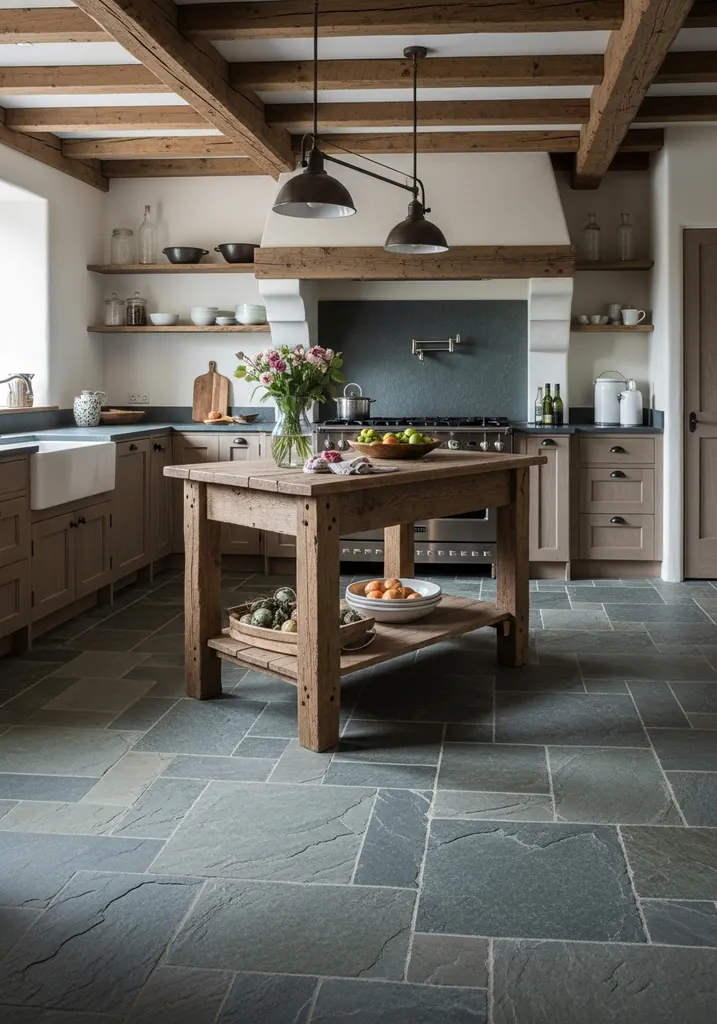
The kitchen floor features natural slate tiles in varied gray and green hues, complemented by a rustic wooden island.
Natural slate tile is celebrated for its distinctive cleft surface and rich, earthy color palette, ranging from deep grays to greens and purples. Each piece is unique, offering a naturally slip resistant surface that adds organic texture to floors and walls. This dense, fine grained metamorphic rock provides incredible durability and a timeless aesthetic.
Slate is an excellent choice for high traffic areas like entryways, kitchens, and outdoor patios due to its hard wearing nature and resistance to moisture. Design experts at Houzz often highlight slate’s ability to ground a space, providing a robust foundation that complements both rustic and contemporary designs. Its natural variations mean it hides dirt well, a practical benefit for busy households.
2. Tumbled Travertine
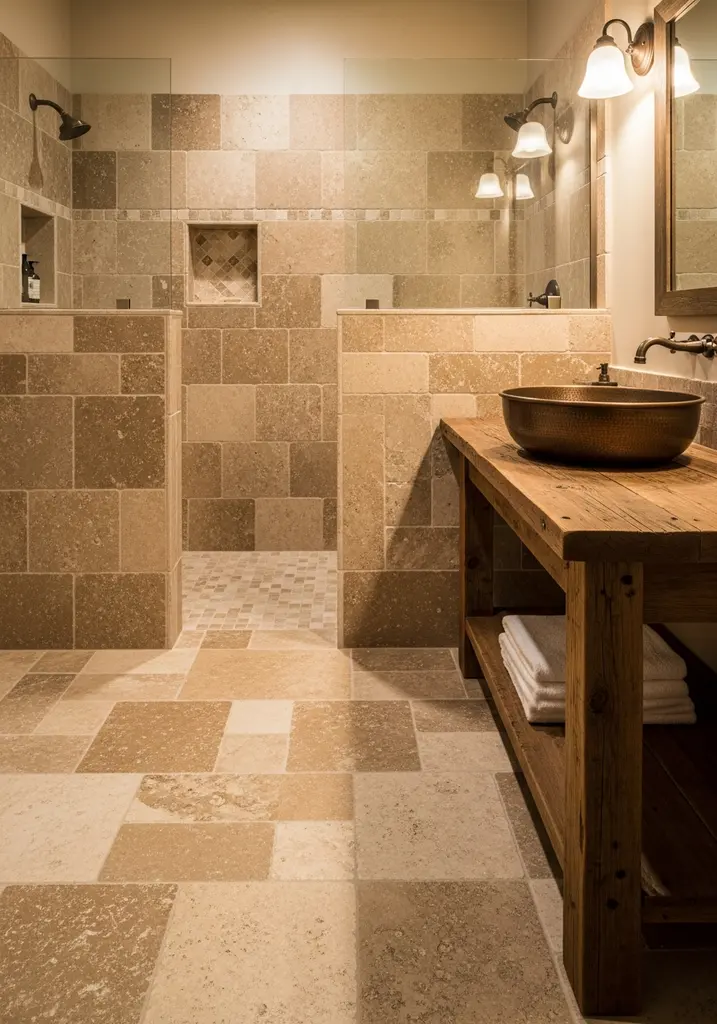
The bathroom features warm beige tumbled travertine on both the floor and shower walls, alongside a wooden vanity.
Tumbled travertine offers a softer, more aged appearance compared to its polished counterparts, characterized by its porous surface and rounded edges. This natural stone, typically found in warm beige, cream, and brown tones, evokes an ancient, weathered feel perfect for creating a classic look. Its distinctive pits and voids add to its rustic charm.
This tile is ideal for bathrooms, living areas, and outdoor living spaces where a warm, inviting atmosphere is desired. Its porous nature requires sealing, which enhances its durability and simplifies maintenance, making it a practical choice for a long lasting finish. Tumbled travertine blends beautifully with Mediterranean, Tuscan, and traditional farmhouse styles.
3. Flagstone Pavers
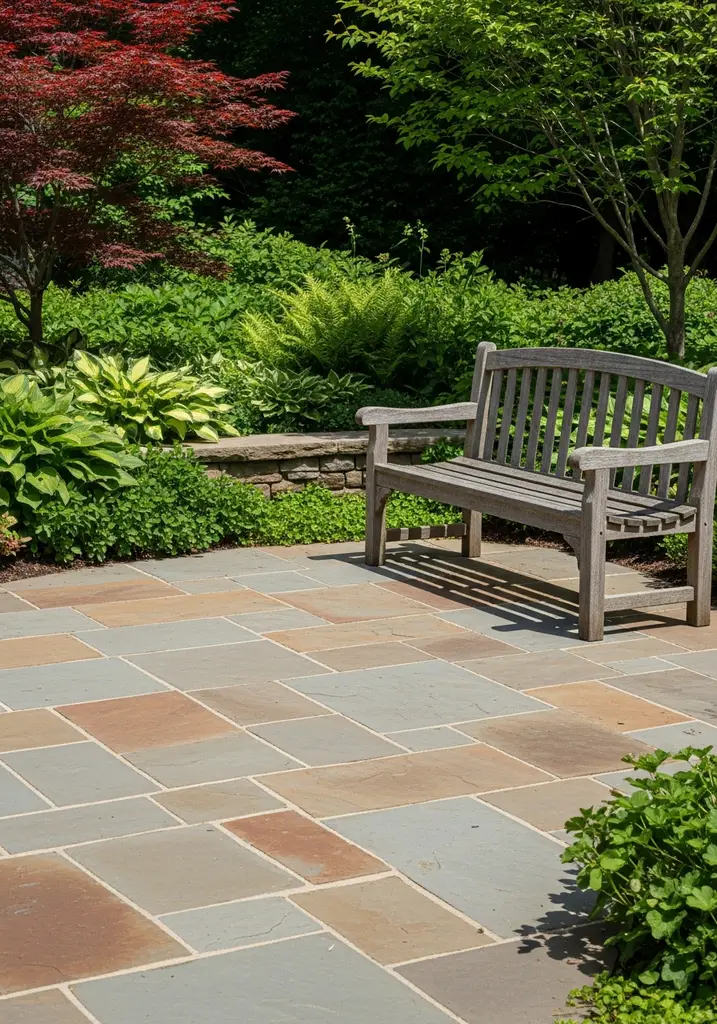
An outdoor patio is paved with irregular flagstone in earthy brown and gray tones, complemented by green landscaping.
Flagstone pavers are irregularly shaped, flat slabs of natural stone, often sandstone, slate, or limestone, known for their rugged beauty and organic appeal. Their varying sizes and natural edges create a captivating, mosaic like pattern when laid, perfect for paths and patios. The inherent texture offers excellent slip resistance.
These pavers are predominantly used in outdoor applications such as garden pathways, patios, and pool surrounds, providing a durable and aesthetically pleasing surface. Their natural look integrates seamlessly into any landscape, creating a sense of established charm and enhancing curb appeal. Flagstone is incredibly robust and withstands harsh weather conditions beautifully.
4. River Rock Pebbles
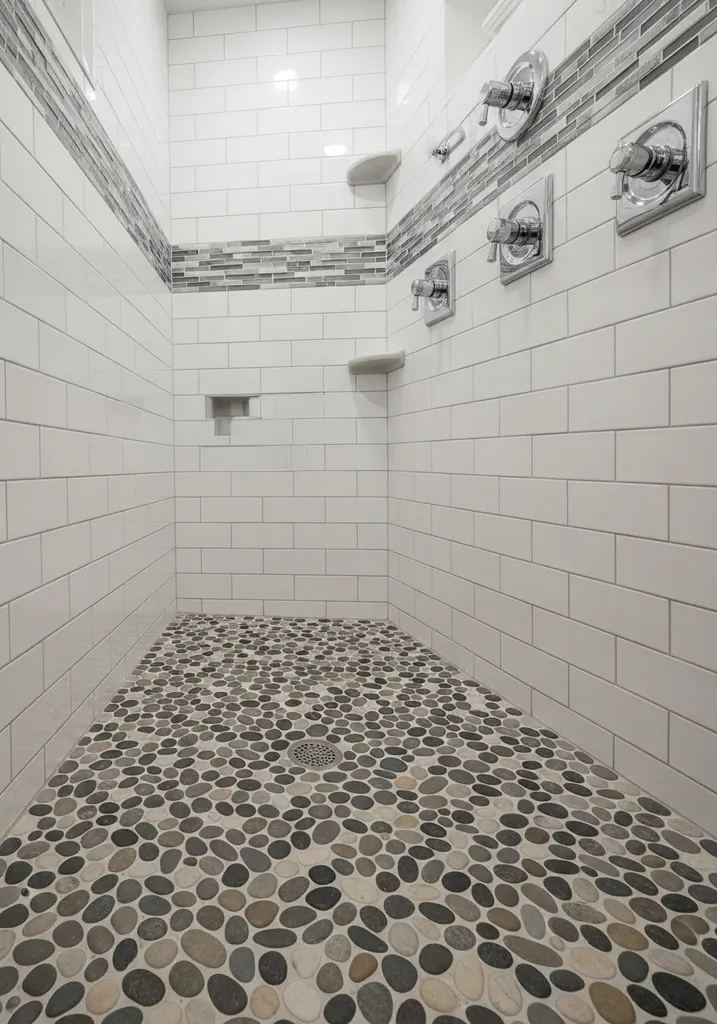
The shower floor is tiled with smooth, mixed natural colored river rock pebbles, contrasting with white subway walls.
River rock pebbles are smooth, rounded stones collected from riverbeds, typically installed as mosaics on mesh backing for easy application. They come in a natural array of grays, browns, whites, and blacks, providing a tactile and visually appealing surface. Their natural form brings an authentic, organic feel to any space.
These tiles are particularly effective in shower floors, accent walls, and outdoor water features, offering both beauty and a gentle massage underfoot. Their excellent drainage properties and natural slip resistance make them a practical and stunning choice for wet areas. River rock pebbles are perfect for creating a spa like or naturalistic environment.
5. Split Face Ledger Stone
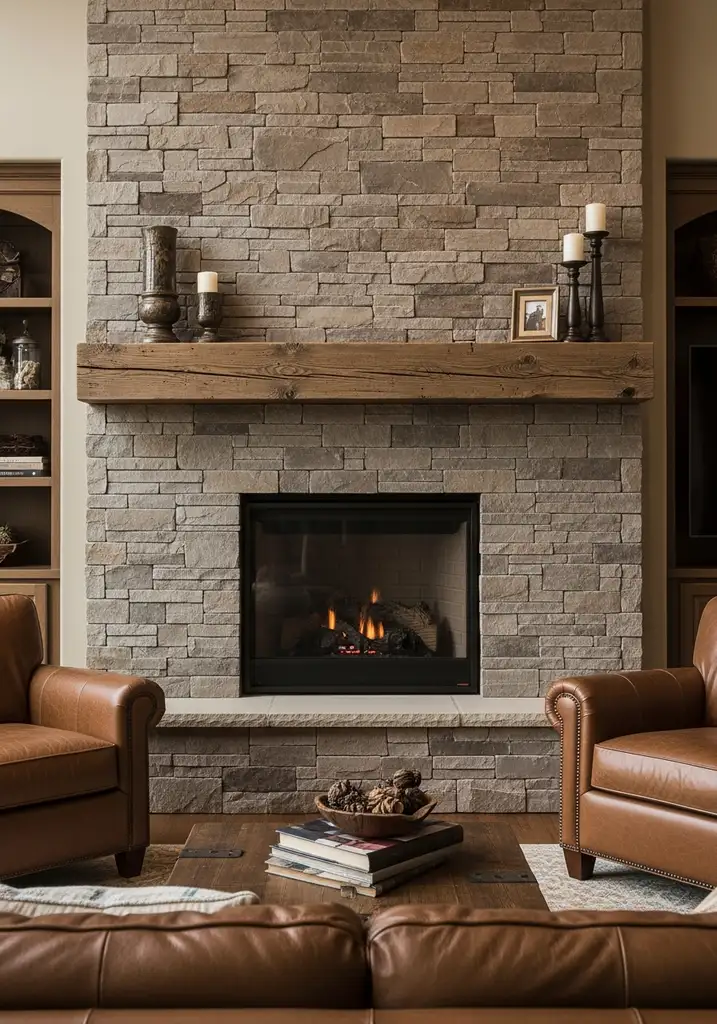
A living room fireplace is clad with warm gray and brown split face ledger stone, topped by a rustic wooden mantel.
Split face ledger stone features strips of natural stone, often slate, quartz, or travertine, cut at varying depths and adhered together to create a multi dimensional, textured panel. The rough, uneven surface catches light beautifully, highlighting the natural character of the stone. This creates a dramatic and tactile visual effect.
This type of stone is predominantly used for accent walls, fireplaces, and exterior facades, adding significant architectural interest and a rustic, yet sophisticated, touch. Its stacked appearance offers a rugged elegance that works well in both modern industrial and traditional lodge style homes. Ledger stone is highly durable and impactful, making a strong design statement.
6. Tumbled Marble Tile
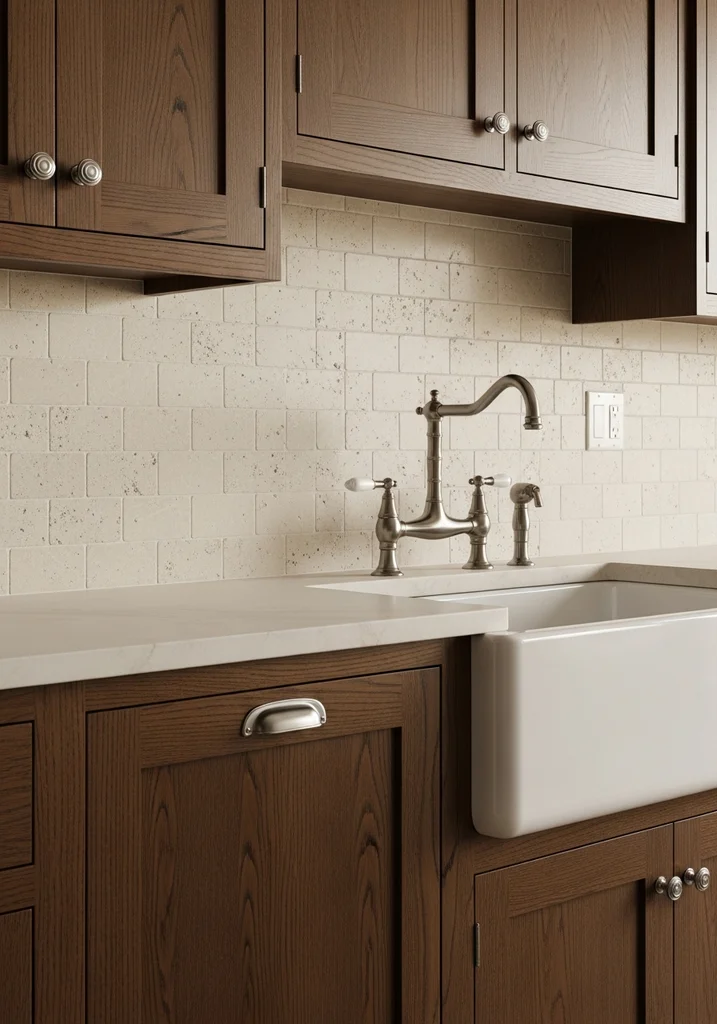
The rustic kitchen features a backsplash of creamy beige tumbled marble tiles, complementing wooden cabinetry.
Tumbled marble tile undergoes a process that softens its edges and creates a matte, antique finish, contrasting with the polished look of traditional marble. It retains the luxurious veining and color variations of marble, but with a more subdued, rustic elegance. Common colors include creams, grays, and soft browns.
This tile is a superb choice for bathroom floors, kitchen backsplashes, and even accent walls where a touch of refined antiquity is desired. Its less slippery surface compared to polished marble makes it suitable for wet areas, though sealing is recommended to protect its porous surface. Tumbled marble offers classic beauty with a relaxed, old world charm.
7. Quartzite Tile
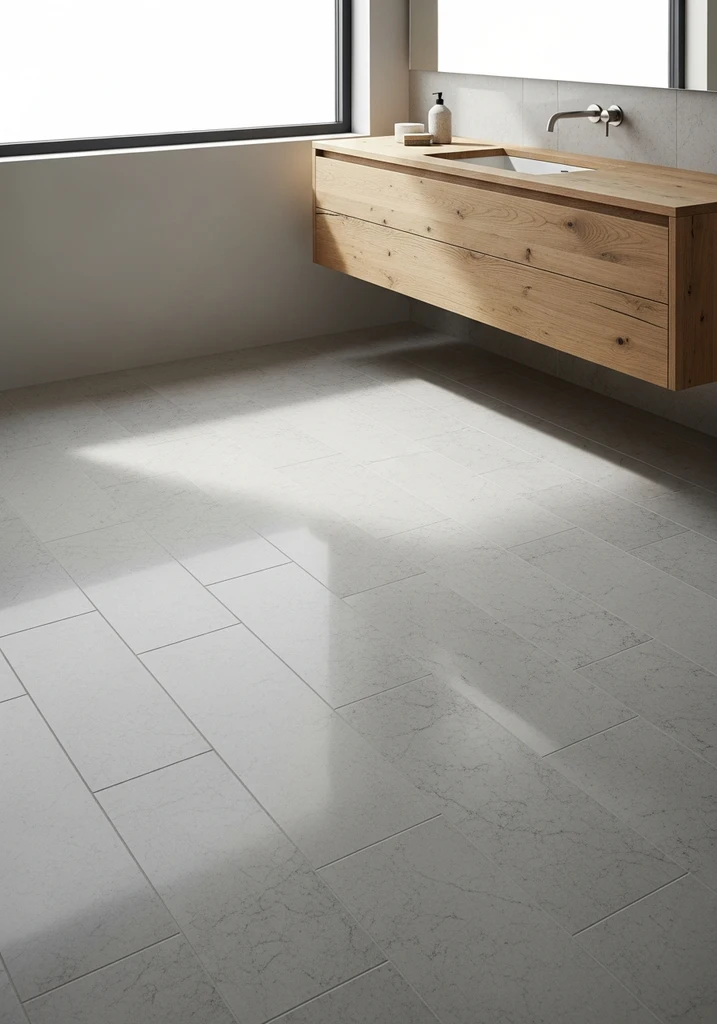
A modern rustic bathroom features a floor tiled with light gray quartzite, paired with a minimalist wooden vanity.
Quartzite tile is a highly durable metamorphic rock known for its strength and often sparkling appearance, resembling marble but with superior hardness. It comes in a range of colors, from whites and grays to blues and greens, often with striking natural veining. Its crystalline structure gives it a unique shimmer.
This robust tile is excellent for high traffic floors, countertops, and outdoor applications dueishing its resistance to scratching, heat, and etching. Its low porosity makes it a practical choice for kitchens and bathrooms, offering a luxurious yet resilient surface. Quartzite provides a sophisticated rustic touch, blending natural beauty with exceptional performance.
8. Sandstone Tile
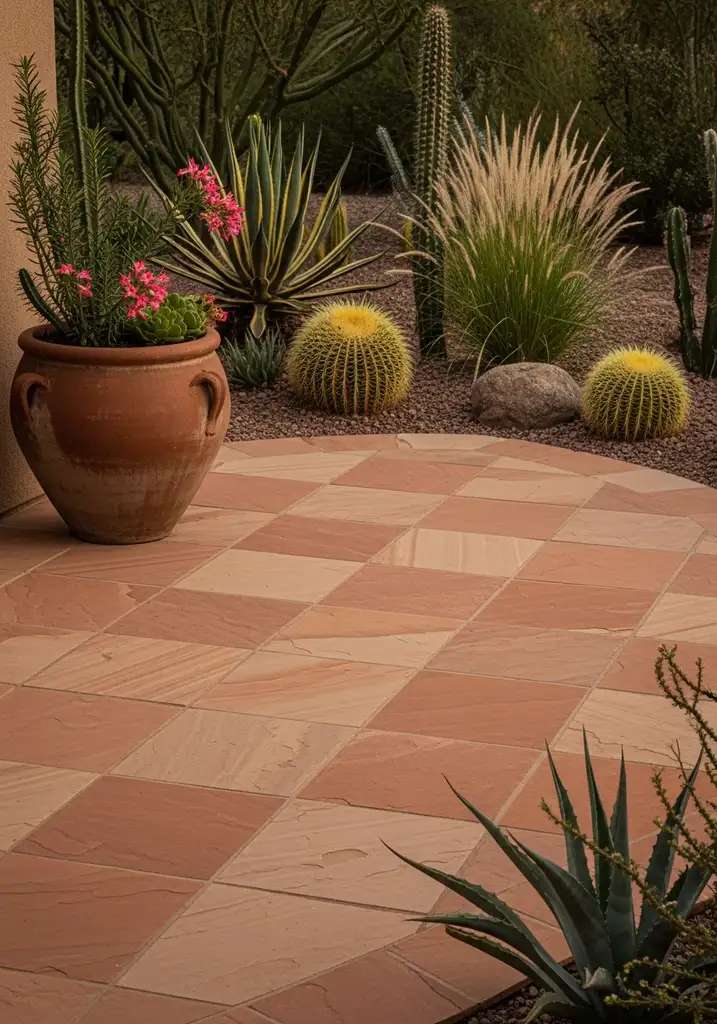
An outdoor patio is tiled with warm, reddish brown sandstone, surrounded by desert plants and a terracotta pot.
Sandstone tile is a sedimentary rock formed from grains of sand, offering a warm, earthy palette of reds, browns, yellows, and grays. Its natural, granular texture provides a subtle grip, making it a comfortable and safe flooring option. Each tile showcases unique patterns from its formation.
It is often used for patios, pool decks, and interior floors in areas seeking a natural, inviting atmosphere. While beautiful, sandstone is softer and more porous than some other stones, requiring regular sealing to protect against stains and moisture. Its authentic appearance is perfect for Southwestern, Mediterranean, and naturalistic designs.
9. Limestone Tile
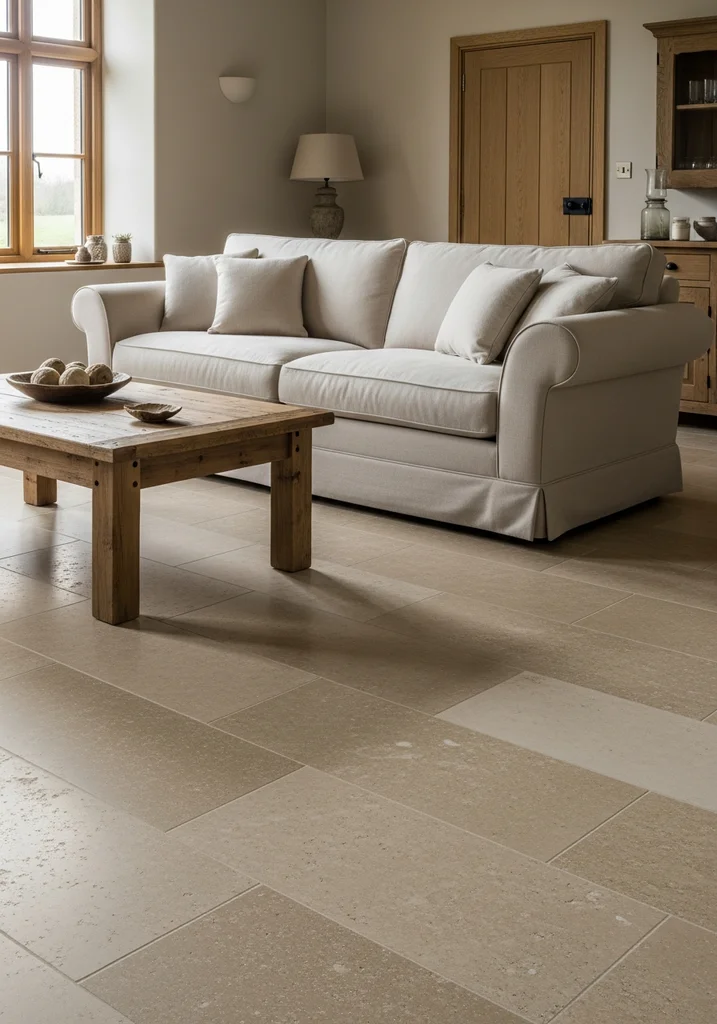
The elegant rustic living room features a floor tiled with light beige limestone, complemented by a cream sofa.
Limestone tile is a sedimentary rock known for its subtle beauty and soft, muted color tones, typically ranging from creams and beiges to light grays. It often features delicate fossilized patterns, adding to its unique character and historical appeal. Its smooth, yet slightly textured surface feels pleasant underfoot.
Limestone is a popular choice for interior floors, wall cladding, and bathroom surfaces, providing an elegant and serene backdrop. While softer than granite or marble, it is durable enough for many applications, especially when properly sealed. According to Architectural Digest, limestone brings a sophisticated, understated rustic charm to classic and transitional designs.
10. Basalt Tile
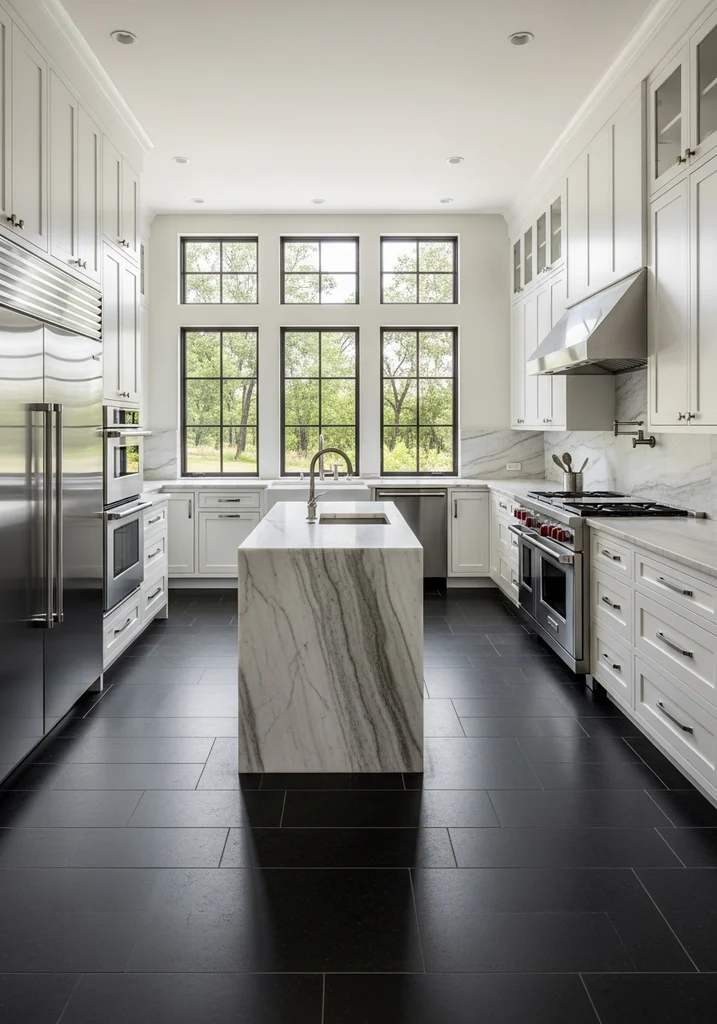
The modern rustic kitchen features a floor tiled with dark gray basalt, alongside white flat panel cabinets.
Basalt tile is an igneous rock formed from cooled lava, characterized by its dense structure and uniform dark gray to black color. It often has a fine grained texture, and when flamed or honed, it offers a subtle, sophisticated roughness. Its minimalist aesthetic provides a strong, contemporary rustic appeal.
This extremely durable stone is ideal for high traffic commercial and residential floors, exterior facades, and even countertops. Its natural density makes it highly resistant to stains and scratches, requiring minimal maintenance. Basalt is perfect for creating a sleek, modern rustic look that balances raw nature with refined design.
11. Bluestone Tile
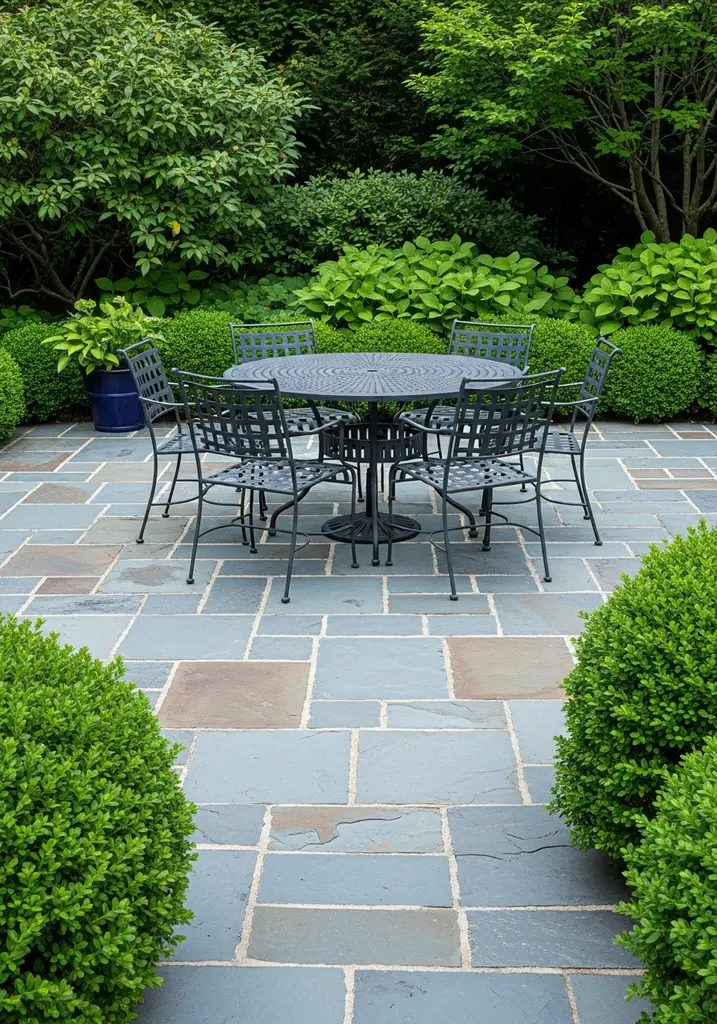
An outdoor patio is paved with irregular blue gray bluestone, featuring green shrubs and a wrought iron patio set.
Bluestone tile is a dense, durable sandstone, distinguished by its characteristic blue gray color, which can vary to include greens and browns. Its naturally cleft surface provides excellent slip resistance and a rugged, earthy texture. It offers a classic, understated beauty that blends well with many styles.
Primarily used for outdoor patios, walkways, and pool decks, bluestone is incredibly resistant to harsh weather and heavy foot traffic. It also performs beautifully indoors for flooring in mudrooms or sunrooms, bringing the outdoors in. Bluestone is a timeless choice for creating a sophisticated yet natural outdoor living space.
12. Cobblestone Pavers
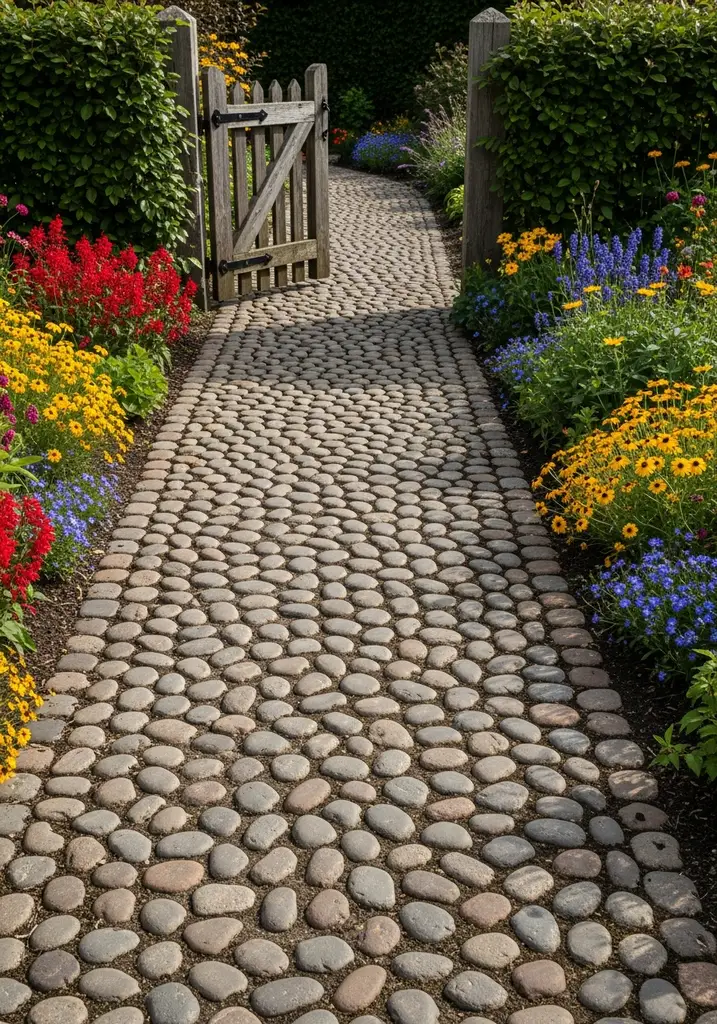
A rustic garden path is paved with small, rounded cobblestone pavers in mixed gray and brown, bordered by flowers.
Cobblestone pavers are typically rounded, natural stones, often granite or basalt, used to create charming, old world pathways and driveways. Their irregular shapes and textured surfaces provide a classic, historical aesthetic that is both durable and visually appealing. They evoke a sense of European charm and timeless elegance.
These pavers are excellent for creating rustic driveways, garden paths, and decorative borders, offering exceptional strength and longevity. Their ability to withstand heavy loads and harsh weather makes them a practical choice for high use outdoor areas. Cobblestones are perfect for adding character and a touch of antiquity to any exterior landscape.
13. Reclaimed Stone Tile
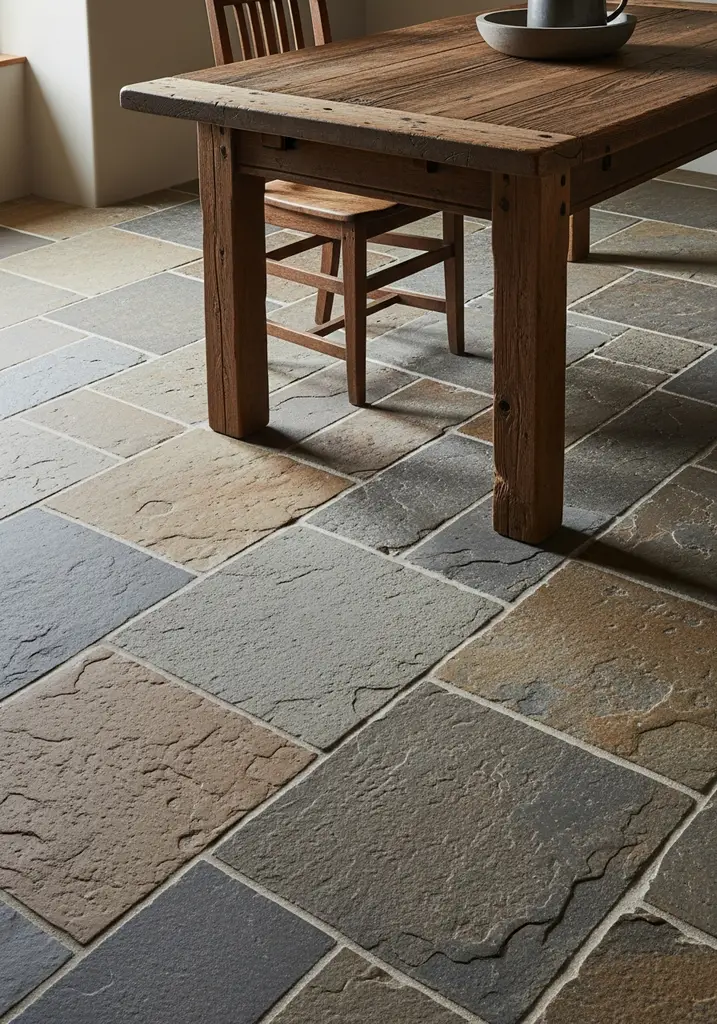
The rustic dining room features a floor tiled with large, irregular reclaimed stone in varied earthy tones.
Reclaimed stone tile is salvaged from old buildings, streets, or quarries, carrying with it a rich history and unique patina that cannot be replicated. Each piece tells a story, featuring natural wear, varied textures, and often original chisel marks. This sustainable option offers unparalleled character and depth.
It is perfect for creating truly unique floors, accent walls, and exterior facades where a sense of authentic age and sustainability is paramount. While potentially more costly to source and install due to its irregular nature, the distinctive aesthetic and environmental benefits are significant. Reclaimed stone adds an irreplaceable element of heritage and craftsmanship to any design.
14. Dry Stack Stone Veneer
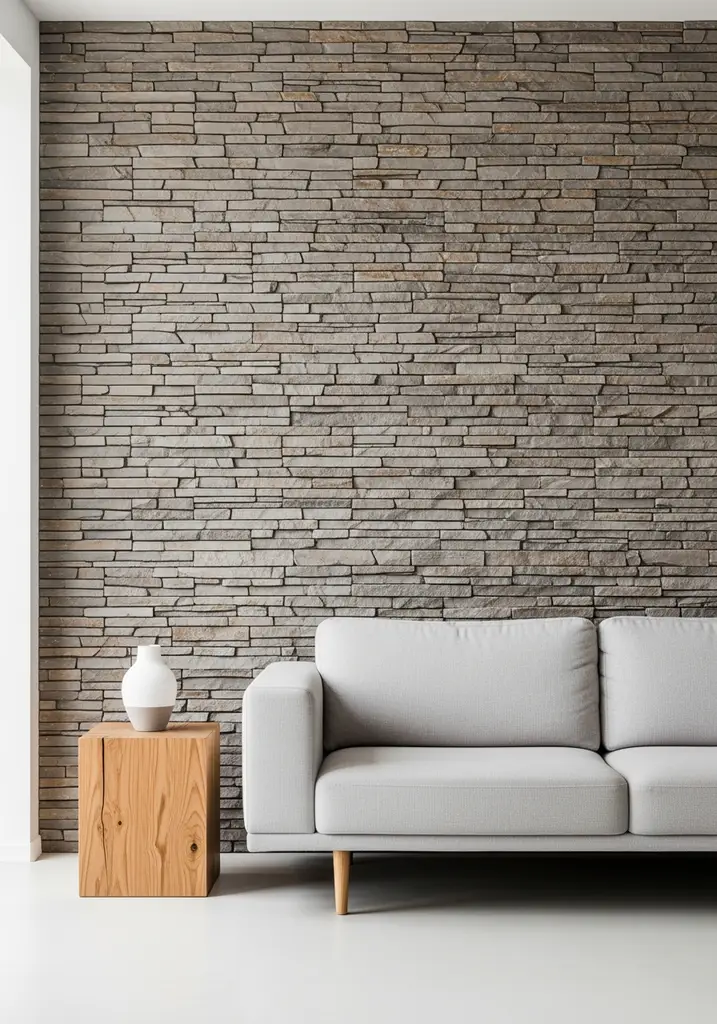
A living room accent wall is clad with warm gray and brown dry stack stone veneer, complementing a minimalist sofa.
Dry stack stone veneer mimics the look of traditional dry laid stone walls, but as a lightweight, thin application. It consists of meticulously cut stone pieces that fit together without visible grout lines, creating a seamless, natural appearance. This method highlights the individual beauty of each stone.
This veneer is an excellent choice for interior accent walls, fireplace surrounds, and exterior siding, offering the aesthetic of a solid stone wall without the structural demands or cost. It is easier to install than full stone, making it a popular choice for homeowners seeking a strong rustic statement. Dry stack veneer provides a rugged, authentic stone texture.
15. Fieldstone Veneer
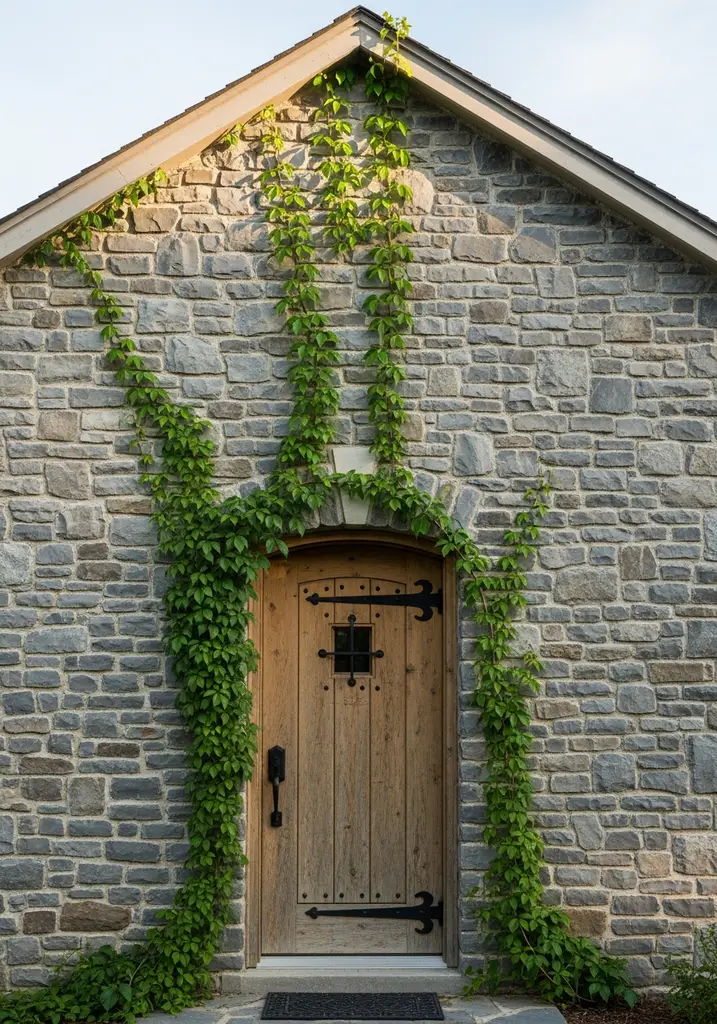
The exterior house facade is clad with mixed gray and brown fieldstone veneer, featuring a rustic wooden door.
Fieldstone veneer uses irregularly shaped stones, typically rounded or oval, to create a natural, organic wall covering that resembles stones gathered from a field. Its varied sizes and shapes, often with visible mortar joints, create a charming, cottage like aesthetic. The natural variations in color and texture are truly appealing.
This veneer is ideal for exterior facades, garden walls, and interior feature walls, bringing a charming, pastoral feel to any structure. It is particularly suited for farmhouse, cottage, and traditional rustic home styles, adding warmth and authentic character. Fieldstone veneer offers a timeless look that connects a home with its natural surroundings.
16. Granite Tile (Flamed Finish)
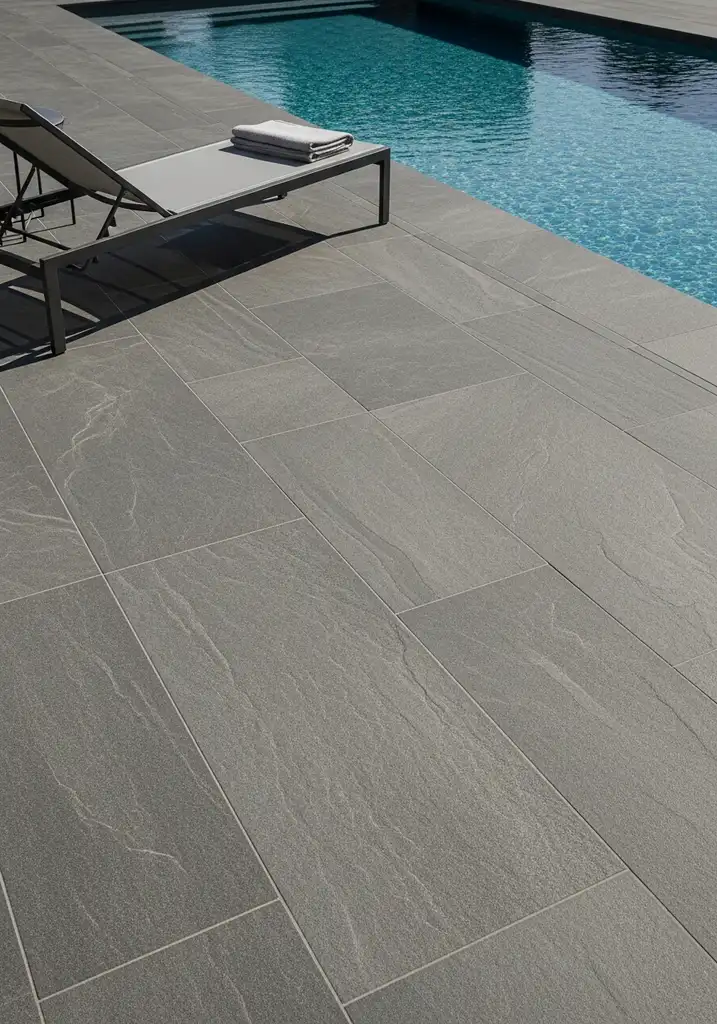
The outdoor pool deck is tiled with dark gray flamed granite, surrounded by modern lounge chairs and clear water.
Flamed granite tile features a textured, slip resistant surface created by applying intense heat, causing crystals to pop and creating a rough finish. This process enhances granite’s natural colors, typically grays, blacks, and earth tones, while maintaining its exceptional durability. The flamed finish offers a rugged, yet sophisticated, rustic appearance.
This incredibly hard wearing tile is perfect for exterior paving, pool surrounds, and commercial floors where slip resistance and extreme durability are paramount. It is highly resistant to scratches, stains, and extreme weather, making it a low maintenance, long lasting choice. Flamed granite provides a contemporary rustic edge with superior performance.
17. Travertine Mosaics
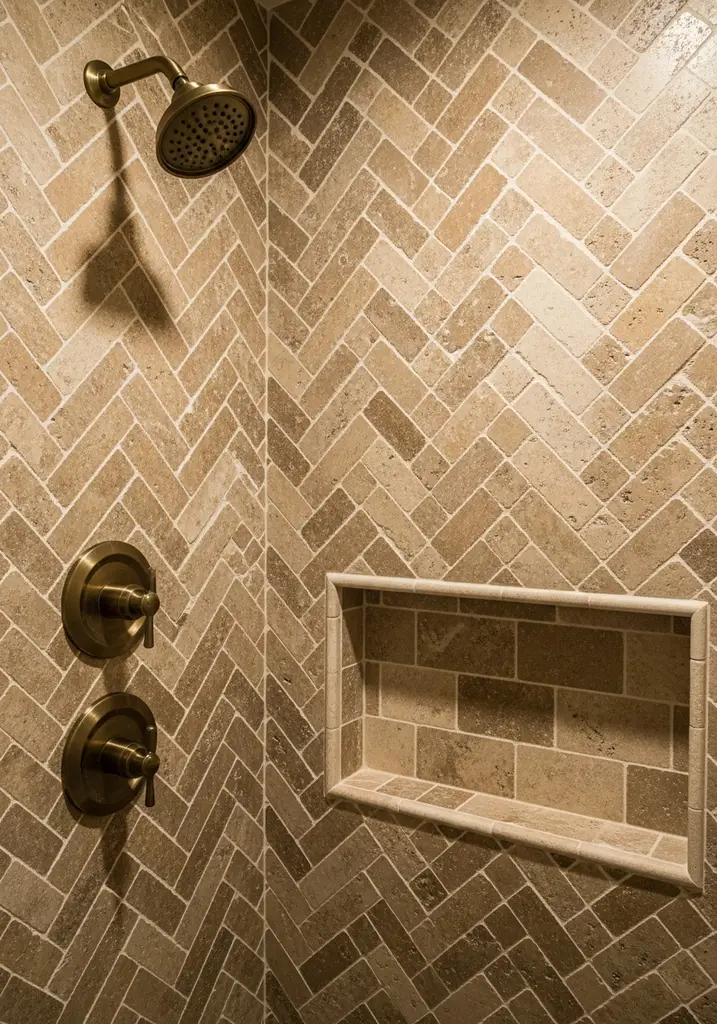
A rustic bathroom shower wall features a tumbled travertine mosaic in a herringbone pattern, with brass fixtures.
Travertine mosaics utilize small pieces of travertine, often tumbled or honed, arranged in patterns on a mesh backing. These mosaics come in various shapes like subway, herringbone, or basket weave, and in warm, earthy tones characteristic of travertine. They allow for intricate designs while maintaining a rustic feel.
These versatile tiles are excellent for backsplashes, shower walls, and decorative borders, adding texture and visual interest without overwhelming a space. Their smaller scale makes them adaptable to curved surfaces and detailed applications, offering both aesthetic appeal and practical durability. Travertine mosaics provide a charming, old world touch in a refined format.
18. Terracotta Tile (Handmade)
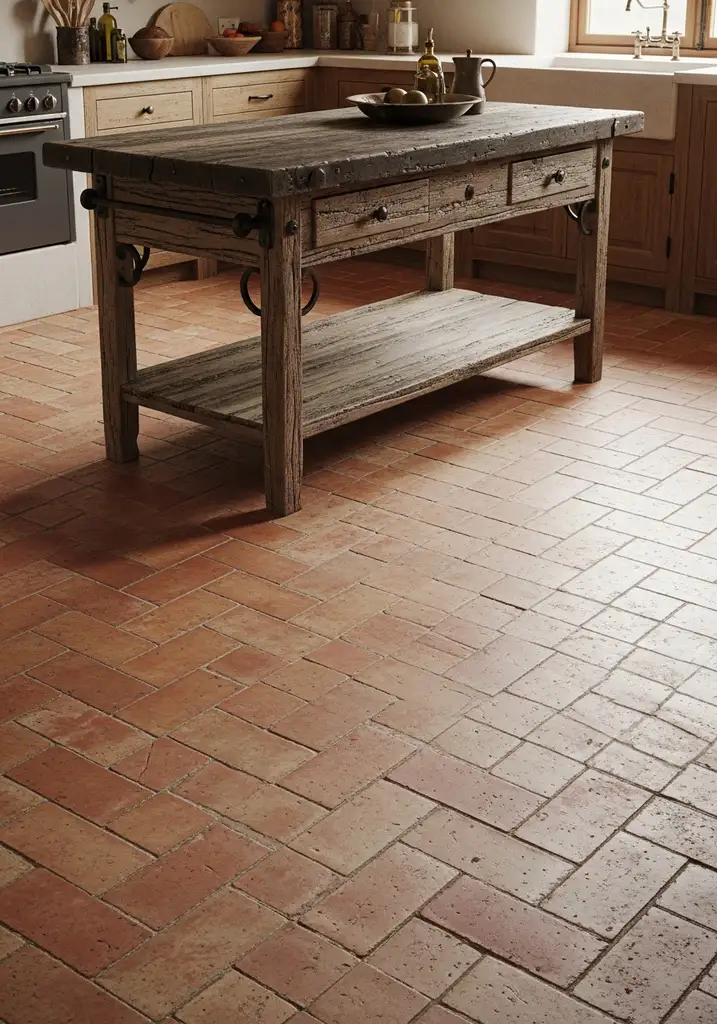
The rustic kitchen floor is tiled with warm reddish orange handmade terracotta, featuring a distressed wooden island.
Handmade terracotta tile, crafted from natural clay and often fired at low temperatures, boasts a warm, inviting reddish orange hue and an irregular, textured surface. Each tile is unique, bearing the marks of its artisanal creation, which adds to its authentic, rustic charm. Its porous nature contributes to its earthy feel.
This tile is a classic choice for Mediterranean, Southwestern, and farmhouse style interiors and covered patios. While it requires sealing to protect against stains and moisture, its durability and timeless appeal make it a beloved option for floors. Handmade terracotta brings a vibrant, sun drenched warmth and a rich cultural heritage to any space.
19. Pebble Tile (Sliced)
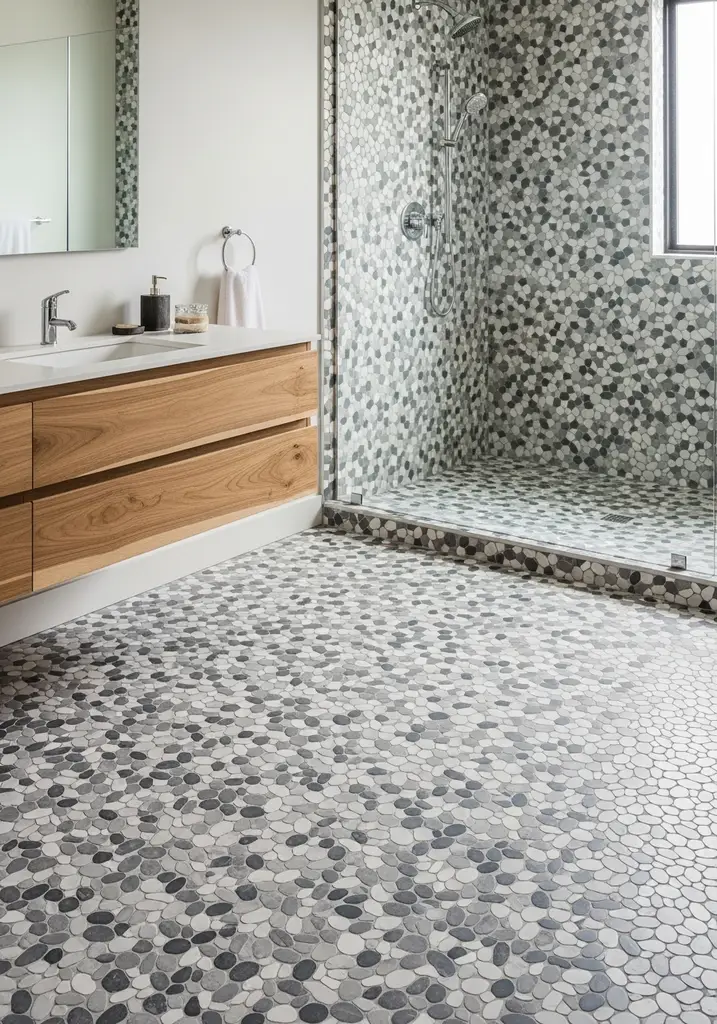
The modern rustic bathroom floor is tiled with a sliced pebble mosaic in mixed gray and white, complementing a floating vanity.
Sliced pebble tile features natural river pebbles cut in half and affixed to a mesh backing, revealing a smooth, flat surface while retaining the organic shape of the stone. This provides a comfortable walking surface with the natural aesthetic of whole pebbles. They come in diverse natural colors, offering a unique mosaic.
This tile is perfect for bathroom floors, shower walls, and outdoor pathways, offering excellent slip resistance and a distinctive spa like appeal. The flat surface makes it more comfortable underfoot and easier to clean than whole pebble tiles. Sliced pebble tile brings a sophisticated yet natural element, ideal for creating serene and visually interesting spaces.
Design Comparison: What to Expect
| Style/Type | Key Features | Best For |
|---|---|---|
| Natural Slate | Cleft surface, earthy colors, durable, slip resistant | High traffic floors, outdoor patios, rustic interiors |
| Tumbled Travertine | Aged look, porous, warm tones, rounded edges | Bathrooms, living areas, Mediterranean or Tuscan styles |
| Flagstone Pavers | Irregular shapes, rugged texture, natural edges | Outdoor pathways, patios, garden landscaping |
| Split Face Ledger | Multi dimensional, textured, no visible grout lines | Accent walls, fireplaces, exterior facades |
| Reclaimed Stone | Unique patina, historical character, sustainable | Unique floors, feature walls, heritage projects |
How to Choose Your Perfect Rustic Stone Tile
Selecting the ideal rustic stone tile begins with considering the intended application and its functional demands. For high traffic areas like entryways or kitchens, prioritize hard wearing stones such as slate or flamed granite that can withstand daily wear and tear. Conversely, for a decorative accent wall, a softer stone like tumbled marble or a textured ledger stone might be more suitable, focusing on visual impact over extreme durability.
Next, evaluate the aesthetic you wish to achieve and how the stone’s color and texture will integrate with your existing decor. Rustic stone comes in a vast spectrum of hues, from the cool grays of basalt to the warm reds of sandstone, each conveying a different mood. Consider whether you prefer a smooth honed finish, a rough cleft surface, or a tumbled aged look to match your overall design vision.
Maintenance requirements are another crucial factor that should influence your decision making process. Some rustic stones, like sandstone or unsealed terracotta, are more porous and will require regular sealing to prevent staining and moisture absorption. Others, such as quartzite or flamed granite, are naturally more resistant and demand less intensive care, offering a practical solution for busy households.
Finally, always obtain samples and view them in your actual space under different lighting conditions before making a final commitment. The way a stone appears in a showroom can differ significantly from how it looks in your home, especially with natural variations inherent in rustic materials. This step ensures that the chosen tile truly complements your space and meets your expectations for both beauty and performance.
Common Mistakes to Avoid When Choosing Rustic Stone Tile
One common mistake is neglecting to properly seal porous rustic stone tiles, particularly for applications in wet areas like bathrooms or kitchens. Stones such as travertine, limestone, and terracotta are naturally absorbent and without adequate sealing, they are highly susceptible to staining and moisture damage over time. Always consult with your installer or supplier about the appropriate sealant and reapplication schedule to protect your investment.
Another pitfall is underestimating the weight and thickness of natural stone, especially for wall applications or upper floors. Full thickness natural stone can be very heavy, potentially requiring additional structural support that was not initially planned for. Opting for stone veneers or thinner tile formats can often provide the desired aesthetic without the added structural complexity or cost.
Many homeowners also make the error of selecting a tile solely based on its appearance without considering its slip resistance, particularly for flooring in entryways, bathrooms, or outdoor areas. Rustic stones with naturally textured or cleft surfaces, like slate or flamed granite, offer better traction than highly polished options. Always prioritize safety in areas prone to moisture or heavy foot traffic to prevent accidents.
Lastly, failing to account for color and pattern variation inherent in natural stone can lead to disappointment after installation. Rustic stone is celebrated for its unique, non uniform appearance, but if a perfectly consistent look is desired, natural stone may not be the best choice. Always order a sufficient quantity from a single batch and consider dry laying the tiles before installation to arrange them in a visually pleasing manner, ensuring a cohesive and beautiful final result.
Frequently Asked Questions
Is rustic stone tile difficult to maintain?
The maintenance level for rustic stone tile varies significantly depending on the type of stone and its finish. Porous stones like sandstone and unsealed travertine require regular sealing to protect against stains and moisture, often every one to two years. Denser stones such as granite or basalt are generally more forgiving and require less frequent sealing, making them easier to maintain in the long term.
Can rustic stone tile be used outdoors?
Yes, many types of rustic stone tile are exceptionally well suited for outdoor use, offering both durability and natural beauty. Flagstone, bluestone, flamed granite, and certain types of slate are popular choices for patios, walkways, and pool surrounds due to their hard wearing nature and slip resistant properties. Always confirm the specific stone’s suitability for outdoor exposure in your climate conditions.
How do I clean rustic stone tile?
Cleaning rustic stone tile typically involves using a neutral pH cleaner specifically designed for natural stone and a soft mop or cloth. Avoid harsh acidic or abrasive cleaners, as these can damage the stone’s surface or strip its sealant, leading to etching or dullness. Regular sweeping or vacuuming to remove loose dirt also helps prevent scratching and keeps the surface looking its best.
What is the difference between natural stone tile and stone veneer?
Natural stone tile refers to solid pieces of stone cut to a specific size and thickness, used for flooring or full wall cladding. Stone veneer, on the other hand, consists of thinner, lighter pieces of natural or manufactured stone designed to be applied to a substrate, mimicking the look of full stone without the weight or structural requirements. Veneer is often used for accent walls or exterior siding, offering a more cost effective and easier to install option.
Is rustic stone tile suitable for modern homes?
Absolutely, rustic stone tile can beautifully complement modern homes by introducing warmth, texture, and a connection to nature, creating a balanced aesthetic. Contemporary designs often benefit from the contrast of raw, organic materials against sleek, minimalist elements. Stones like honed basalt, flamed granite, or clean cut slate can provide a sophisticated rustic touch that enhances a modern interior or exterior.
Conclusion
Embracing rustic stone tile in your home is a decision that promises enduring beauty, unique character, and a deep connection to the natural world. Each type of stone offers its own distinct charm and practical advantages, allowing for immense versatility in design. By carefully considering application, aesthetics, and maintenance, you can select the perfect stone to create a space that feels both authentic and inviting. Let the timeless appeal of rustic stone transform your environment into a truly remarkable sanctuary.